Categories
Online Marketing

Design Systems with Brad Frost – The State of the Web

My guest is Brad, frost, web designer and author of atomic design and today we’re talking about Design Systems. Let’s get started so Brett thanks a lot for being here. Thanks for having me, I want to show off by asking you: has the metaphor of a web page exceeded its usefulness, yeah, it certainly has, as what designers we’ve been thinking about.

The web is in terms of pages for a long time right, it’s been with us since the web’s beginning right. We scope things out in terms of pages. If things don’t load in the browser says this web page hasn’t loaded and that’s had a really big impact on sort of how we structure our teams, how we scope our projects and how things are actually executed from from a web design and development standpoint. So, for instance, I work with a lot of large organizations and so they’ll have a team, that’s responsible for the home page and then they’ll have a team, that’s responsible for the product page and another team, that’s responsible for the checkout page and all of those teams Are doing things sort of independent of one another right, because they’re just focused on this notion of pages and as it happens, all of those pages are actually made of the same stuff right.

If we were to break things down, you have buttons, you have form fields. You have blocks and cards and heroes, and all these other things – and we end up with whenever you have these different teams working on different pages and thinking about things. In that way, you end up with you know one button looking similar but different than the next team, that’s working on the next page and so on and so forth, and you, you know, repeat that a number of times and span that out over a number of Years and you end up with a giant mess on your hands, it’s not to suggest that we should stop using the term.

It’s probably still useful for users. Yeah only see things as a flat page, but from a design and development perspective. It’s kind of updated yeah. Yeah, that’s right exactly it’s it’s! It still comes together as a cohesive whole and I think, that’s important, especially as people get into talking about design systems. A lot of people have a big misconception that oh design mean you just sort of isolate things at their component level and just designed the button and just design the sort of headings and just designed the card in isolation.

But that’s just not true. That’s you know. It’s important to sort of realize that yeah things do all of those components, do come together and form a cohesive page at the end of the day and that’s what the user sees and interacts with. So it’s important. It’s not an either-or thing, but we just have to be more considerate about how we make the parts of that page as the web and technology as a whole progresses forward.

How has that changed the way that web designers think about serving pages to users and the ways that the websites are accessed yeah? Well from like an access standpoint or from like a design and build process? The fact that a user could be I mean even these days like accessing the web from their refrigerator. You never know the form factor or anything about the user’s device. You can’t make any assumptions: yeah yeah, that’s right and again it’s gotten really complicated and that’s why I think design systems have become as popular as they’ve been because the devices haven’t slowed down right.

The device proliferation is still happening right. The number of contexts – and you know, screen sizes and form factors and, and you know, yeah native web embedded devices different screens. Different sort of you know. Mouse and keyboard touch inputs, and you know voice and, like all this. Other stuff is just the amount of things that users have or that that designers and developers have to consider as they’re, creating user interfaces and creating these experiences I’ve just sort of accelerated, and we can’t keep up right.

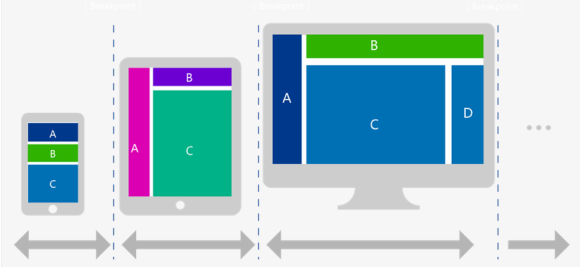
We can’t create bespoke pages, for you know: here’s our small screen view and here’s our tablet view and here’s our desktop view. It’s it’s so we’ve had to sort of pull back out a necessity just because we’re on the hook to deliver more features, more services to more users and more context using more devices in more ways than ever before, and it’s like unfortunate. Our budgets have been increased and our resources haven’t increased with that same sort of exponential curves.

So that’s what’s like sort of forced us to sort of step back and and reconsider how this all gets done, given that there are so many different viewport sizes and everything does that mean that the flat Photoshop file is no longer very useful as a means of Conveying the design, yeah, yeah and and still to this day, I’m working in if Photoshop might be a little long in the tooth when it comes to web design, but same thing happens in sketch in figma.

Just last week I got from the clients designers, you know a mobile version of the comp and a tablet version of a competent desktop version of a comp and and a lot of that’s just sort of wasted effort. Really because all three of those things in isolation are sort of one they’re already alive, because it’s a picture of a website not an actual website, but all those spaces in between is where things really fall down right.

You can sort of paint a picture, especially in a in a static design tool where there’s artboards and you could just sort of move things around in free space like that’s, not how things work in the actual browser right. There’s things like some order considerations and all that you can’t just sort of go on this side screen. I just want to move this from here to here, or this I’m just going to swap this around it’s it’s.

It’s really important to sort of make sure you’re. Considering the actual medium that this user interface is going to come alive and and do that much sooner in your process, I want to ask you about concept reviews before called design Det. What does that mean, and how do you avoid going design bankrupt? There’s no design debt and design bankruptcy. I’ve never actually heard design bankruptcy. Before I like that, I I think a lot of places could declare its design bankruptcy.

I think you know just when it comes to design debt. It’s you have. You know number of teams working on different things and just those we were saying you know working on different pages or different products right across a company and you sort of can can take a cross-section and sort of see a lot of discrepancies. Just in that. But that’s just one moment in time when you stretch out that process over time, especially products that have been around for a long time, the googles of the world or eBay or whatever it becomes like a little sort of Benjamin Button.

Like experience as you click through pages, you get further back in time in these older crustier user interfaces, you’re like how did I end up in 1999 and all of a sudden? So so I think that that’s sort of that sort of that visceral feeling of design debt where it’s like you have all of this sort of old stuff that was created. It’s you know once upon a time and that whenever that was launched, it was the new hotness and the new hotness becomes the old crusty experience.

You know pretty quickly these days right so so I think that the more sort of deliberate and the more sort of systematize you could sort of control and wrangle all of those those sort of user interfaces that are, you know out there in the wild. The better. Your chances are going to be as sort of like reducing that that sort of design debt and that’s again, I think, a big crux like that. The crux of design systems is to sort of help.

You know eliminate that debt to basically take those $ 19.99 designs and say: okay, we’re going to update them with a new design language, but we’re going to do it in a very sort of systematic way so that the next time we do a big redesign. We have actual hooks in there that we could actually sort of lift up the quality of in you know so to evolve that design language like flip the switch and roll that out to a bunch of places, sort of simultaneously or or in very short order.

Instead of like, oh, we have to do this big monolithic redesign, and we have to do that for each of our products again and again and again so the developer experience must be a lot better when you can have like a single source source of truth. For your design, but also the user experience as well, could you describe like what it might be like for a user to be on a site that has designed yet yeah? I mean it.
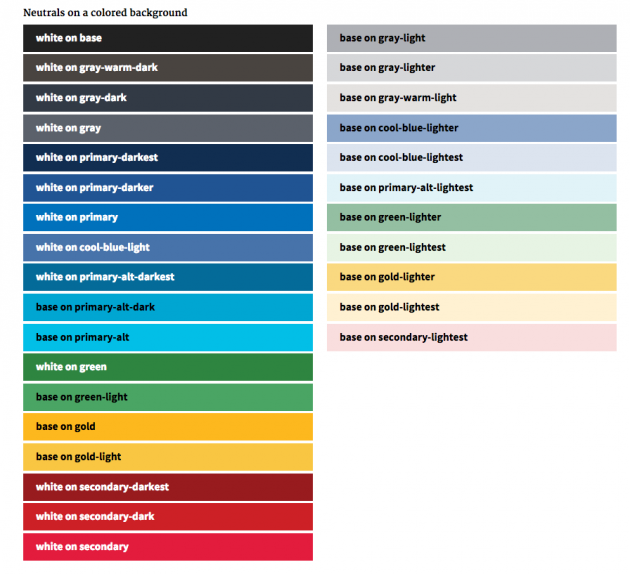
This happens all the time I mean so. The e-commerce example is a great one, just because I think that you know ecommerce sites, you know super sexy homepage or the super splashy super current right. It’s like it’s got the latest. You know shop fall trends, their shop Christmas like coming up or whatever. That’s like you look very campaign driven. So it’s often like a very modern experience. You sort of like click into like that.

Maybe a product detail page or a product category page that sort of feels modern ish. You know it’s like sort of a little bit more meat and potatoes like e-commerce stuff. So it’s like those templates sort of probably feel pretty good, but then, like you, might get to the shop card or if you like, actually log into your account, it’s like those things feel way different and and then you get to the checkout flow.

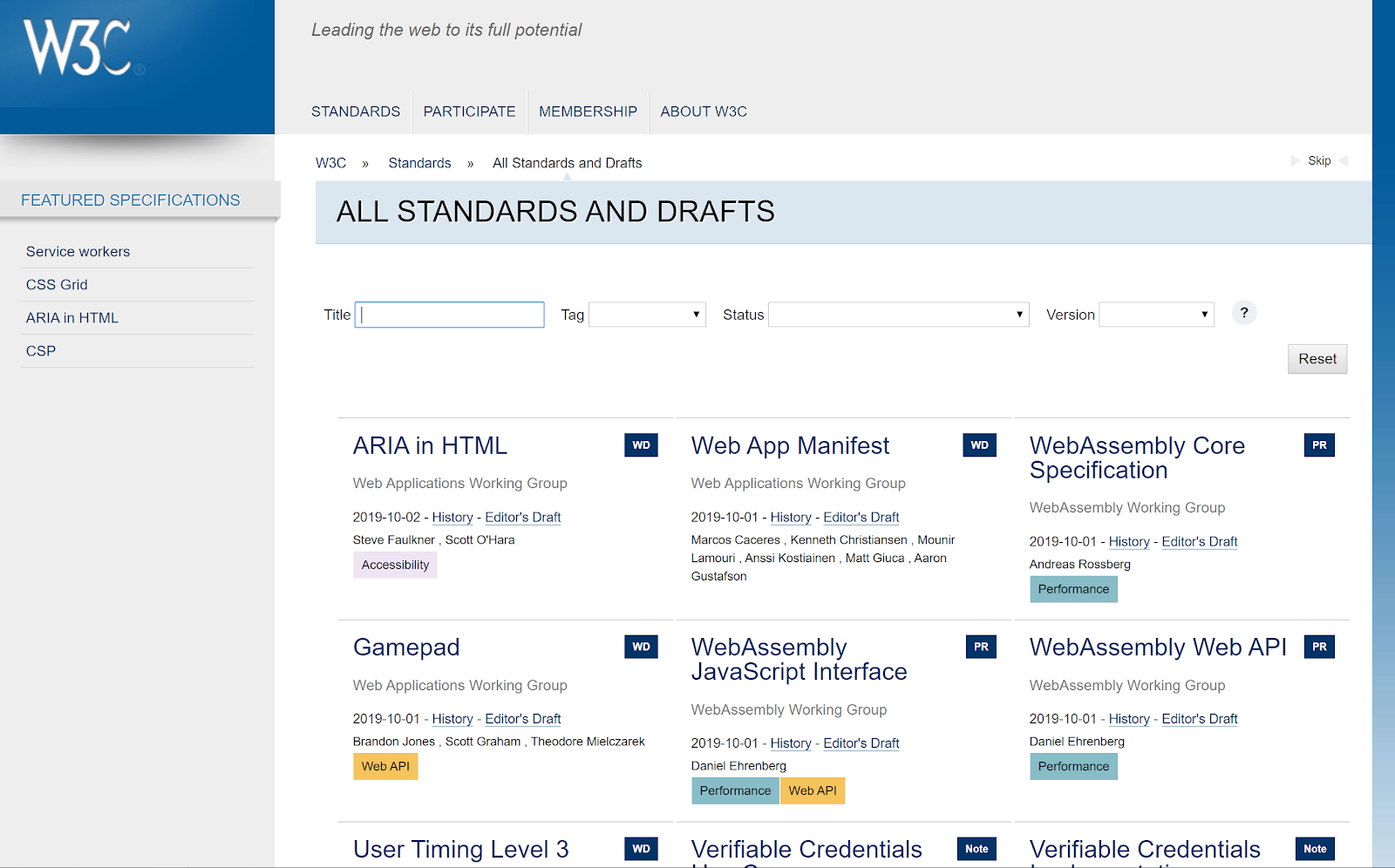
And then you know that might be sort of way long in the tooth or it might be sort of built by you know an external vendor or something because they’re processing, credit cards and stuff like that. So it might not actually be integrated with like the rest of the site at all. So what ends up happening for? Why that matters from a user experience standpoint? It’s not just about other things, look different like because who cares as long as that’s effective, then that consistency shouldn’t ever be like the number one goal of any of this, and I think that that’s when we talk about Design Systems, I think that’s another misconception as That, oh, we just want everything to look the same everywhere and that’s just really not true, because if your metrics are doing well and stuff – and you know the buttons look different on the checkout page then on the the product detail page, then that’s fine right! No harm no foul, but the problem is, is whenever you’re, a user and you encounter say a date picker or something – and this is a favorite one of mine just because those are hard to build so often times developers just sort of go and grab something.

You know a library they find on the internet somewhere and if you’re, you know say like at an airline or a hotel chain, and you have four different developers grabbing four different date – pickers across the site. Now, all of a sudden, every time the user needs to pick a date, they have to relearn that new library and that, even if it’s just fractions of a second or a second or two or the, where they’re like oh wait, I’m used to booking from the Homepage, but this is a different convention that slows down that process right and that has a negative hit on you know, certainly when you’re talking about you know booking flights or hotels or something that’s going to cause it dip.

So that’s sort of consistency from a user experience standpoint right that ability of like oh yeah. I’ve encountered this pattern before and I know how this works. So I could just sort of roll on and sort of fill things out a lot faster or interact with this thing faster like that’s. That’s what we’re after right, so that consistency for consistency sake not so much, but consistency from a you know, sort of mapping to what users are used to already like yeah.

That’s, that’s! That’s where it’s at one of the people, problems on a design and development team is not sharing the same vocabulary or calling the same components: yeah consistent yeah. So what are some of the problems of that? And how can designers and developers get on the same wavelength? Yeah, so that’s one of the biggest things that I encounter is as an one exercise that I like to do with design development teams whenever I’m working on design systems with them is right out of the gate, we conduct what I call an interface inventory, so we Basically go across their entire sort of suite of products, or you know, whatever user interfaces could be served by their design system and and sort of divvy things up is like okay, you go hunting for buttons, I’m going to go hunting for sort of.

You know input fields or whatever, and then we sort of do that as a group and then what we do is we get together and sort of present what we found to each other and that’s where it’s really fun, because, especially whenever you have designers in the Room developers in the room, QA engineers, business people in the room right like the product owners, like all these different disciplines and you actually sort of have to articulate what your UI is right.

So so somebody will get up and it’s like. Oh and here’s this admin bar and then somebody gets admin bar. We call that the utility bar right and then the developers are like. Oh, we we just mark that up as the gray bar right, and so it’s like. Okay, there we go right. You got everything out on the table right, these inconsistent names for the same thing, and of course that means you have to have again just like that sort of user experience you have to like slow down.

You have to have have a meeting to figure out what you’re going to call this thing like, and you know a lot – can get lost in translation in between design team or different disciplines, but also different teams in general right. If team one is calling it a certain name and team, two is calling it something else. That’s a big deal right, so so again, so bringing this all back to Design Systems. What that it, what a design system can do is sort of centralize your sort of UI patterns call them names right, give write guidelines around them, so that everyone is like, literally speaking, the same language right.

They know what you mean when you say utility bar, and you know how to use it where it’s useful, but also crucial. One of the other things that we found really valuable in in creating design systems for clients is here’s. What this thing is: here’s where it’s useful, but also maybe here’s some gotchas or here’s where it might not be useful, and maybe you want to use this other thing. Instead, what are some of the trade-offs of investing in a bespoke design system versus taking something off? The shelf, like a bootstrap yeah, that’s a big one and I’d say it’s tough, because tools like bootstrap and material design are already made.

They’re they’re, they’re well tested right, they’re in use by giant companies like this company called. Have you heard of Google before it’s like? It’s pretty big one. It sounds familiar yeah, so so a lot of these people right who are using tools like bootstrap and material design, they’re like oh, this has been tested by these. You know giant companies, so I could just sort of grab this and go and I don’t have to do all that work myself and that might be true and there are sort of instances of that um.

I think one of the big things that is important to sort of recognize and consider whenever you’re reaching for these tools is that it’s like you, don’t own it and it might be attractive from sort of you know, inefficiencies sake at first but as time goes on Right at the end of the day, your boss or your you know your product owners or your clients or whoever they are they’re going to say. Oh, we need to do this this way or we need to add this feature and all of a sudden, you’re you’re.

You have to learn and become sort of fluent in this other sort of system that you didn’t write, so so it can work and you can do things and extend things and customize things that works with the grain and these frameworks, but oftentimes. What I found is I work with clients that end up sort of working against the grain and they end up having to sort of undo a bunch of stuff and write a bunch of other custom stuff.

And then they end up in this sort of like weird messy middle ground, where it’s like. This is our sort of hacky stuff that we’ve done to sort of make things our own. But then also crucially, I’ll say that, from like a more of like a front-end architecture standpoint, I think that it’s sort of like safe, you know you got good bones to build upon, but like material design and boots actually offer a sort of anesthetic right.

They provide anesthetic and that could be helpful because again it’s like oh here’s, some good, looking buttons, here’s some good, looking form fields, here’s some good, looking components that I could use, but if Nike Adidas Puma, if you know Reebok whatever, they were all to use bootstrap For their redesigns, they would look frightening Lee similar right and that’s sort of not what they’re going for so there’s like there is this sort of branding aspect of it right this own ability that sort of gets lost whenever you’re sort of all using the same thing.

What are some of the challenges or unsolved problems of design of design? I mean I, I think, sort of specifically to design systems like a lot of there’s some things that are around sort of you know, tooling, and sort of figuring out how to keep design tools and tools, expanding quiff. You know what’s in code, that’s definitely one of the most. I feel like tangible sort of problems that but there’s a bunch of teams, doing a lot of work to try to solve that and startups and stuff that there are really exciting.

And so a lot of them look promising. And I don’t necessarily think that that’s you know far and away the biggest problem. That’s out there. I think so. Many of the problems with with design systems have to do with the sort of people have to do with communication and collaboration and sort of figuring out like how do we get this stuff adopted into our products right? How do we sort of communicate when things aren’t working as planned like? How do we sort of you know, establish solid processes for releasing new versions of the design system and letting everyone know like here’s one? You want to use the design system or here’s one.

It’s sort of safe to sort of you know, deviate from that system or build upon it or extend it, and how do you roll that back into the system? So a lot of that sort of coordinating a bunch of different people who are all suddenly relying on this, this design system product that stuff, I feel is – is still very tough to crack because it involves people and your you know the health of your your you Know design and development culture and like how well everyone sort of you know, collaborates together and like, of course, that’s that’s tricky right, so you could like you.

Could I could say things like here’s how I would create a governance plan for a design sister for a design system and here’s how I would you know, get these teams to work. You know and communicate more buts and you know easier said than done. Okay, so how much of a design systems success depends on the designers as opposed to the developers? What is their role in the success of it? I think, and – and this might be a little controversial design systems is sort of an unfortunate name because design systems are like.

Oh, this is about design, and it’s really not. The design system is, as I define a design system is, is how the official story of how an organization designs and builds tadaryl products and there’s a lot of ingredients to that story. And yes, like the design language, you know what what the brand colors are, and you know the the rounded corners or not of the buttons and stuff like that sure that that matters.

But that’s actually like a pretty tiny slice of what a design system entails, and so so when it comes to the success of a design system. So much hinges on that design system living in code and living as a thing that engineers and developers can sort of pull down into their application and sort of you know import a component and sort of see that design systems button or whatever show up on their Screen and then they’re able to sort of you know pipe in whatever sort of attributes and click handlers and whatever to sort of make it.

You know, breathe life into it, make it real, but you they sort of get that stuff for free right. If all you have is like a sketch library or some like Zeppelin file or some like like little, it’s a style guide thing where it’s like: here’s, our colors and here’s or whatever, like there’s so much that gets lost yeah if all the developers are doing is Like copying and pasting some hex codes in there, you know sort of crappy like development environments, and it’s just you end up with a bunch of spaghetti, even if they’re all using like the same color blue.

It’s not like systematize right. So what you want to get to is, you want to say like if we change our brand color blue – and this actually just happened on a project of ours – got a brand color blue and actually it wasn’t passing the accessibility level that we wanted, and so they Actually had to sort of you know: tweet the the color blue in order to make that sort of pass. You know because sort of cut the accessibility, mustard and with a design system like you literally, have you know a variables file or is these design tokens? You sort of tweak that value there and then that ripples out to the entire sort of design system right and then that gets packaged up in a new release of the design system in code.

And then you know next time the developers pull that down. Those sort of get and see those updates, so so, coming back to it’s like yeah, like the design language part of it, like the look in the feel of it that matters, I’m not going to say it doesn’t matter, but it’s almost just like you’ll, like do Your thing make it look good like I, you know. I trust you be systematic about it right. Thinking about motifs that are going to sort of like you know, translate well the different components, but, like so much hinges on like getting that stuff into a place where it’s consumable by the actual sort of you know, environments that users will be interacting with your products And that’s what we spend, probably the overwhelming majority of our time and effort on is actually like building out those libraries with components right, an HTML, CSS JavaScript.

You know bundling that stuff up and like sort of working with development teams to make sure that they have what they need in order to use the system successfully. So, to what extent should a design system anticipate the chaos of user-generated content like errors and long names? What is the actual like breaking point of a design system yeah? Well, I think that the breaking point of the design system has everything to do with how well you consider all of that stuff right.

So if, if it’s user-generated content that you need to account for and you’re in your UIs, then you have to you know, consider things like character limits and things like that. But you know there’s many other flavors of that as well. You know internationalization right, right-to-left languages or just you know, German will wrap onto multiple lines, and things like that – and this is where I think again – sort of designing and building components in isolation is a bad idea because you could sort of you surf fall into the Trap of saying like well, here’s this like perfect scenario where you know everything’s filled in and the card has this nice sort of you know image I found from unsplash and it’s like really nice.

Looking and you know, as it happens, the users name is Sarah Smith and Sarah doesn’t even have an H on it, so it just fits so nicely onto one line and of course, the reality of of our user interfaces is anything but that, and this sort of Also comes back to like the trap, was sort of relying on these sort of static design tools to sort of handle that they’re up until very very recently, there weren’t even conventions in place to sort of handle like dynamic data, so that’s sort of how we handle That this is where atomic design as a methodology – I think, really shines.

So what atomic design does is basically helps people consider the whole the pages, the actual product screens in various states and configurations, as well as the sort of parts of that hole right. So the underlying components that build up those screens and at the page level of atomic design, what we’re able to do is articulate here’s. What our homepage looks like with this. You know the fall campaign with the leaves – and you know this tagline and this call to action button that takes people to this and and whatever, but then you’re also able to say, okay and then here’s what this that same page looks like in German or here’s.

What that that same page looks like with you know the Christmas campaign and oh that’s, sort of image that we’re using that has a bunch of Christmas ornaments that actually is sort of you know, impacting the the readability of the text. That’s sitting over that image or something like that right, so you could start seeing where the UI starts falling down and then what you’re able to do is is sort of take that and learn from that and sort of go back to that hero component.

At a more atomic level and sort of say, okay, we’re going to maybe add a variation of the hero component that adds like a little gradient overlay so that the the legibility of the text always sort of you know pops over the the image a bit more. So how we sort of do things like in our own workflow, with that we sort of will create sort of you know, try to represent the whole bell curve. So it’s like what does a card? Look like what does sort of like a kitchen sink card? Look like with like the maximum character count that you might be able to sort of upload as a user or something or what happens if the user uploads the profile picture, what if they don’t right, and so all those various states and sort of you know, mutations Of the other component, so to get that sort of commonly used case down.

Of course, as like a starting point but like you really do have to represent like here’s, the extreme and here’s the empty and sort of everything in between as well and the only real way to test. If that actually works is by sort of plugging in real products and Aereo’s into your user interfaces and by sort of having that best sort of atomic design system wired up where, like the pages, informs and influences the underlying components, you’re able to sort of make changes To those components with which, then, you know, inform and influence that the actual page design, so it’s sort of like a virtuous cycle between like the design system and the pages and screens that that system builds.

Finally, what resources would you recommend for people eager to learn? More about design, Cisco there’s a lot I feel like. I have a hard time, keeping up with them anymore. There’s a there’s a number of really great resources, one that I help maintain is a resource called style guides i/o, which is a collection of, I think, we’re over like 200 50 examples of public design systems and style guides that are out there in the wild as Well, as sort of talks and books and resources and tools around a design system, so that’s just like an open source resource repository that people contribute to and sort of, submit poor requests to.

There is design dot systems which is maintained by Gina Ann who’s done so much work for the design systems community. She has a clarity conference, which is a conference dedicated to design systems. We have a podcast, which is a little bit in hiatus, but where we interview people that work at different organizations who have spun up their design systems and what they’ve learned and sort of you know struggled with as they’ve as they’ve done it.

Stu Robson has a really fantastic design systems newsletter. That’s part of the design, dot systems, sort of universe there and then there’s also a slack group all about design systems as well. So I’d save it like that sort of has me covered for sure and again there’s like a lot of activity there and new stuffs happening every day and people are learning from things you know from each other and plugging them in at their organisations and sharing what They’ve learned and like that’s really for me, the most exciting part of all of this is just sort of you know.

Here’s some concepts here are some things that we’ve found useful share. Those people take them, learn from them validate or invalidate them and sort of share. What they’ve learned and then everyone benefits from it, so your book is also available for free to read online right where it is yeah yeah, so you could read it at atomic design. Brad Frost, calm great breath. This has been great. Thank you so much for pyrite.

Thanks so much for having me, you can check out the links to everything we talked about in the description below thanks for reading, we’ll see you next time.
 

Categories
Online Marketing

Design Systems – The State of the Web

My guest is Adam Argyle he’s a developer advocate at Google and creator of the viz bug, design tool and today we’re talking about the state of design systems. Let’s get started Adam thanks for being here, so I want to ask you what purpose does design fulfill on a webpage? What are its goals? Mmm. That’s a good question at a high level. I feel like design, does a couple things we have.

You know it’s supposed to be guidance. You want to have credibility, so that’s like the better designed it is the more credible it feels right. You don’t want to spend money somewhere where it looks like there’s no design, even though that might not accurately reflect the product or what you’re investing in. But I like thinking about at a very, very high level. What design is doing is we have affirmative design and we have critical design and critical design.

It’s the type of design that is exploratory. It sort of provokes you Brutalism as a good example of critical design where you’re looking at something is like wow. This is like stark and shocking, even though it’s sort of retro in a way so there’s design, can do really interesting things to your psyche. In terms of like challenging you and or we can see more of this affirmative design, which is kind of getting more popular, it’s safer, where you’re sort of piling on to the social norms of like what’s going on in design because it’s safe and it’s familiar and So folks will visit your site and they might feel old into an action because they visit it and it’s beautiful and airy and they might be looking at something terribly, not attractive, like let’s say a scrubber.

For you know your sink. You can make a scrubber and a sink look very nice, so you visit the site and says: do you have problems with your sink feeling? Dirty and nasty. We’ve got the scrubber for you, so it’s like every design States the problem, and that brings in the solution and that’s sort of lulling you into this behavior there like eyes and this familiar you’re here it looks like a normal ad.

It has the normal flow. Let me guide you down this path and we’ll take you through this excellent experience. So design does both those things that’s really high-level, to does a whole bunch other stuff too, but yeah, I think that’s sort of what it’s trying to do is credibility flow. You know somebody else has done the work to organize it for me, so it’s supposed to be easy, I’m supposed to be here to consume quickly and get a task done, guiding the user towards the solution for that weapon yeah, and in that case it’s usually the Solution that the webpage wants you to go down, which is where you know, design, has a little bit of cunning in there.

Some people say design is a type of trickery as well, which right we have like dark patterns that are like legit trickery, or we have light patterns, which are it’s trickery or we’re just sort of like? No. This is just a healthy guidance. You can you could diverge it’s okay, yeah, so in terms of the tools that designers have what is a design system and what are its goals ooh, so a design system, that’s sort of it’s a hard one to nail down.

It’s gone through all these phases. Ah, my current opinion on what a design system is is where we previously had design deliverables that were sort of like a design system, and then we had engineering deliverables that were kind of like a design system. Well, we have with a design system, it’s a merging of the two where designers have their symbols and their files that generally represent the same components that engineers are making and there’s like this coming together moment and a design system.

That’s what I think we’re currently personifying that as we’re before engineering had like a pattern, library or component set, and then the designers had a style guide. So what are some of the principles of a good design system? Ah, yes, okay! So, at a high level, I think a design system intends to make future us have easier decisions like in the future. I shouldn’t have to invent a new button. I shouldn’t have to invent a new login form like these.

Things should be solved already, so at a high level. That’s one of its most. You know valuable propositions. Is that future you, or even, if you’re, being really consider it like other customers of your design system, customers being maybe other development teams or the designers? Maybe even like the marketing team? You have people that want to use that those are. I call them your customers. So a good design system is considerate of them and it empowers them.

But I like a low level when you’re implementing a design system, you should have things like reusability extendibility. You should have accessibility built in. Essentially, these LEGO pieces should have solved a bunch of problems for other people already and and be battle tested and have gone through. You know: ok, I’m gesturing right now, but the gesture is imagine a rock that I’m tumbling into a pearl like we’ll take and then we’ll have a bunch of pearls to give so that other people can and get their tests done easier and also there’s some something About that, where you need interactivity as part of your design system right, I have seen some design systems that don’t just talk about the component.

They give you levers to pull so you can visit a page and there’s some tools out there that do this. Like a story book is one we have other tools coming like frame racks, so there’s like design tools that are coming out very either very focused on this one particular use case, or you have ones that are a little bit more documentation focused so they’re less like Compose and build and more like no tinker and play and assess what component you need beforehand, and I like that tangible learning it.

It’s really nice, especially for someone visual like a designer to come into a design system website and peruse and find a component and be curious and play. It helps get really sticky the features and the capabilities of that in terms of the life cycle of a design system. Is it ever really done or is it more iterative? No, I think they really only grow. I have seen them be reborn or we, you know, we’ve seen them bring reborn with brands or they’re reborn as complete redesigns, but no, I don’t think they’re done.

I think they’re growing. I think we’re making teams now to facilitate these things, because they are so difficult and they only grow in complexity because well, there’s considerations that are often lost like mobile. You know. A lot of design systems are like a look at our sweet, desktop design system and they’re like cool what to do on mobile. We’re like we’ll get there same with like accessibility and layouts and there’s like a few other things that I think some design systems can do to grow and be even better, and I think that’s just what we’re discovering right now, like folks, are playing and they’re trying To figure out what aspects of the design system are really meaningful on? What’s crufty and you know for young industry we’re all still learning kind of like what this means.

Do you have any examples of older design systems that we draw inspiration from today? Whoo, yes, okay, whoo, okay, so old design systems. I have a bunch of them that I’m a big fan of we could go back in terms of like inspiration and things that are influencing what we’re doing today and go back to print and be like print. You made beautiful style, guides or brand guidelines. You would give Legos to a client and that client could go put them on an envelope.

They could put them on some stationery, so that was a very early set of like Lego deliverables that had some rules and some intentions. Then you have operating systems that feel very much like design systems as well right. The first iPhone had a design system for sure they even had a document, the hIgG right, the human interface guidelines. I would like to see more Design Systems have a hIgG. Are we super cool all right, and then we had Android with Halo.

These are inspirations to me, Android with Halo, and remember that one dark and glowy everything looked like it had like lightning, bolts or like neon around it. Actually, you know what it looked like that was looked like that Batman movie was. I was like a UI based on that was kind of cool. It’s right. We had platforms, we had web kits, oh yeah, so this is like material bootstrap, html5, boilerplate, jQuery, Mobile yeah, those were and what they call those right, those weren’t design systems.

They were component. Libraries at UI framework, UI framework, yeah pattern. Libraries, they had all these interesting names. I think we also take inspiration from fashion. We have this kind of goal right now. I have this metaphor. I like to think about a design system. It’s like you’re trying to make a capsule wardrobe. That’s everyone else in the company should want to wear right. You’re like okay, I’m the designer.

We need to make uniform, looking things across our site and they should be familiar and an elegant, blah blah blah. So what they do is they go make this this design system? That’s essentially like making a set of a wardrobe like you can’t screw this up. Just walk in the closet. Grab a shirt grab, some pants grab. Some shoes grab a hat. Who cares? It all goes together and that’s a that’s a term from well.

I learned it from Pinterest. I don’t know where else it came from though, but the capsule wardrobe idea is this yeah grab and go wardrobe and we’re trying to make a grab-and-go design system. I’m going to hoppy and grab a couple things make a new layout, be on my way, so fashion, I think, is influencing us in that way too. They want to be very minimal. Alright, it’s almost like Marie Kondo, your your wardrobe like go in and pull all the stuff that doesn’t fit in the capsule.

Make it reduced set like reduce your anxiety by you, know, reducing your options, but I have a question about that like when you limit your wardrobe or you limit like your UI elements. Is it true that you can have one size fits all UI elements or sometimes you need to reach out and use something new and different, whoo right cuz, you don’t want to wear my clothes. Do you know yeah you should like dude, your wardrobe is well.

It looks like your wardrobe right like what, if I want to have my own looking clothes, and this is where it comes down to like well, and I have two opinions here. One is, I don’t think designers want to wear other people’s clothes. So it’s to me it’s a little interesting that we’re trying to unite. I think the goal is super right, like that. We do need to make reusable Legos that are extendable and and are helpful for future problems, but at the same time, the more you try to abstract and reduce these like very subjective visual emotional things into like little units.

They start to feel very functional. They lose some of that that excitement that creativity and I think people want to start breaking out of your design system at that point they feel trapped. So there’s like a there’s, a there’s, a struggle here with design systems, which is we want to empower everybody, but we want to not be trapped. We want to be able to pick clothes every day that are really easy for us, but then we want to be able to go out to a fancy dinner and not look like we’re dressing from our capsule wardrobe and especially if you have customers, customers want to Have unique aspects of the site, and so naturally they’re always pushing on the design system to extend even more.

This is a good shout out to to material and Google material. The new version looked at what their customers were, doing, which the customers for materials tons right. People all over the world using it from dashboards to mobile apps, and in that case they looked at how people were using it and people were constantly customizing it right. They didn’t want material, vanilla. They wanted material with my Flair, whatever that Flair was like right, like I want crunch material, so oblong it doesn’t exist, but maybe I should make it no, but yeah that they looked at their customers and they empowered them to customize, in an extent material as a Base, I thought that was really observant and it was like research-based it’s just a very, very nice plan for the next version of a design system to lean so heavy into customization and enablement of people to fork.

It’s almost like they’re letting people fork to to manage their own and they can still pull updates in that’s a really great segue into my next question, which is there was a comment on our previous article in March, the state of CSS, with you know, Kravitz our Guests and this commenter is cool twisted TV says the problem. Seeing lately is that most websites now look the same. It’s like they all have this standard template or something, unlike back in the day when flash was a thing, people used to create out of bounds designs along with tons of nice animations, but nowadays everything is flat.

All gridded up the same way with a few minor positioning tweaks here and there I miss those kinds of designs that today we rarely now see all because everyone is now into this flat and blocky design. Look slap a few fonts on a page and add a few pics and color on the background and you’re done: that’s 2019 for you. What do you think about that? You know we’re. Can an agency even working at startups? We couldn’t take a lot of risks and we were moving so fast.

The only thing to do was affirmative design. I think what this question is kind of poking at is affirmative versus critical design and they’re upset that everybody’s gone affirmative they’re, like ah you’re, just piling on to the currently socially acceptable design patterns and strategies. That’s so lame, which I agree, because I built a lot of flash websites and yeah. You could land on one of my experiences and it was like you’re in a fishbowl right.

It’s like fishing yeah. You could hover over the treasure chest and would pop open and bubbles would come out. It was way more critical, design way more like experimentation and in creativity was like. You were unfettered, but at the same time, if we think back at that because there’s, I think, a lot of joy and and fun that was there, it was less serious and it wasn’t really achieving inclusive design as well.

I think one of the reasons folks other than you know you know being safe – is that flat and and choosing some these modern strategies. They really make accessibility easier because you’re not going critically, you don’t have to go undo something to be inclusive, so I think inclusive design, which is a really impressive and great push that we’re doing right now. It’s also kind of inhibiting some of our exploration because we want to be able to reach as many people as possible and affirmative design is lolling right.

You visit it you’re like all right. Well, I don’t really have to stress, while I’m here or do very much deep, diving, there’s the navigation menu, there’s my primary reaction, but if I scroll down nope, there’s three little things that tell me about the feature this: the other features of this product. Oh Harry Roberts, today, Harry Roberts today writes this thing, which basically is like recoating.

This person yeah, I have a quote here flat design in the rise of more and more digital products, does seem to have killed off a lot of that exuberance and experimentation, which is a huge shame. I missed the days of seeing what adventurous and out-there things people were trying to create. You would log in every day just to see what crazy stuff people built, whether it was flash or web. I feel that I think, there’s a there’s another tweet.

I can never remember that guy’s name, I think it’s John gold huh. I remembered someone’s name. Wow we’ll have it. I know your name, yeah, Rick Vesco me mm-hmm screen name. This tweet, though, had two images up and it was like which site? Are you building the one on the left? Are the one on the right and they’re pretty much identical? They they’re like big there’s an app bar at the top there’s, a big header image with big diner was text in it.

That’s like there’s a problem and then underneath that it’s like what’s a solution right and they’re, both there and they’re the same they’re like the practically the bootstrap templates that you could get for free they’re, practically the the theme for every WordPress site is now looks like This and the coolest and most creative and critical ones might have a article playing right. What text overtop like put some extra effort into that one that pictures animated? Do you consider bootstrap to be a design system? I do.

I don’t think they do well, and maybe this comes down to where I’m I’m curious about what a design system is and how it’s different than a pattern. Library. I think I think it’s that designers were more involved in a design system, whereas, like bootstrap is very developer, led, I think design kind of came in a little bit later after their Legos got really popular and so yeah. I think I think their design system that just kind of got there in a different way and the result, the thing that they have the tangible thing I can go pick up off the shelf and just like place in my tool belt right.

I’m I’m Wayne right now from Wayne’s World, so I just got my like from the back of the car. If anyone remembers the Shockers anyway, whatever that’s bootstrap right now, I could go get that off the shelf and be immediately useful with it and solve my future problems. It’s like the same value, props that I got and and we’re sharing about a design system. You could get them from bootstrap, but it doesn’t call itself a design system.

I can’t remember what their home page says. I think they’re one so, according to the HTTP archive bootstrap, is used, unlike one out of every four websites, at least in some fashion, which is a surprising stat who knows to y’all, but could that contribute to this feeling that websites are all looking the same? If 25 % of the web is using bootstrap with the same type of layout, is it possible that bootstrap is a victim of its own success in a way whoo? I, like that phrase victim of its own success, yeah.

Yes, I I think they are this. This is funny. This reminds me of two two metaphors I don’t want to share like bootstrap is funny it like. If you think back to high school, there was probably a super cool band that their album just came out and you really little dead band, so cool and you listen to him a ton. They made a second album with Chapter four made, a second album when you’re like this Bay, it’s still cool or bootstrap three, and then it gets really popular and everyone’s.

Listening to him. It’s like some fool who you don’t like, shows up wearing the band shirt and you’re like okay. That’s it done with this print and you start calling them a sellout and the reality is just like they’re now popular they’re, not making money they’re successful. You should be happy for them, but instead you’re turning your nose up and like this, like defensive, disgust like I don’t want to use it anymore, even though all the stuff you’ve built with it was great all the music and moments you had with that band.

We’re really nice, but it’s hard for anything to stay in fashion for too long, that’s kind of like the second metaphors, like the Wardrobe, we all had favorite stores we shopped at back in the day whether it was zoomies or gap or whatever right, and these were Like places, we went to go, make easy decisions that helped us get on with our day and that we were still picking something like relatively cool and meaningful, but then it just gets old we’re kind of rude as humans.

You know we we we burned through stuff. All the time we consume it and we’re like this is so good and then we throw it in the trash. So I think bootstrap is a victim of its own success, but it’s also very much still a success. I think being successful is hard. I mean look at any big framework of like whether it’s a JavaScript framework or big design tool. As soon as you hit the big shots and like you’re the cool one, everyone wants to take you down and that’s that’s a hard life to be in so bootstrap.

Stick it out, I think it’s still a great product. It’s obviously just reaching a different market. Almost like the pop band right, the pop band Green Day right loves their first couple. Albums third one came out, didn’t want to play that band anymore, but they reached a whole new set of people, and those folks fell in love with them. In a way that I didn’t – and I shouldn’t say that Green Day is bad.

I should say that Green Day is successful and they’re reaching new people and I still like their dewy, so you’ve spent a year as a UX engineer at the Google cloud team, as designed systems engineer so to speak yeah. What was your experience on that team? Yeah? That was really I was oh, so illuminating, so yeah I was a my title was really long ready for this. I was a UX engineer on the design systems team of GCP through a design lens, so they have two different types of UX engineers.

There’s UX engineer, engineer and then there’s UX engineer design, so I was in the design side. I was in a team of four or five other UX engineers who were supporting the design system, which had a big team, and I this was really cool to see how much commitment Google had to their design system. In so much that this team was made up. Of three teams there was a trifecta. It’s like a triforce of folks were managing that design system.

That design system is creating jobs, and it was really interesting to see how all of them were working together. What problems they were solving. There’s two things. I want to point out the first one I think is really interesting in meta, which is Google here I’ll just start with the first one it was built on angular, so is angular, which was transitioning from material one to Google, material and angular was doing a good Job at this work, the the struggles that they had were with how many customers that they had.

So this is where I like this meta comparison. You have Google clouds and their design system, which they call their design system, a condensed version of material. So it’s like a child seam. It’s like they forked Google material and made an enterprise, condensed version, that’s not as airy and fluffy. That’s interesting, because that means Google Cloud is a customer of another design system. Simultaneously, they have hundreds of customers, so they’ve got customers that are internal right, App Engine there’s like various products and each one of those products has a team.

Each one of those teams are consumers of this design system. That’s crazy! Then you have third-party players. People don’t want to add plugins or other support and other features into GCP that also want to use your design system. So they had this really really unique scenario where they were simultaneously a customer of a design system and a producer of a design system. Anyway, yeah. It’s meta I liked it and they were really adamant and very good at listening to all of these different customers and trying to make this thing work for everybody.

But it’s a very difficult task. They’re hiring they have tons of headcount, because this is GCP is humongous and they need help that and the UX teams they are really fun and really cool. So, if anyone’s looking for roles GCP in seattle, we’ll put a link in the description yeah sure so you mentioned something earlier. I want to come back to inclusive design. What is that, and what is the purpose of it? Oh man, this is so inclusive design.

We want this is so funny. It has a name, because I feel like it’s the thing that everybody’s wanted the whole time. We want our content to be accessible for as many people as possible right like. Why did we have to put a label on that? And I think the label is there and what it means is you need to have a site, that’s accessible, which really means you just need to test. First testing your site for accessibility is always this awesome.

Empathy experience where you’re like. Oh no, my sites, probably fine on that. Then you go tap through you’re like it works. It’s not elegant and that’s sort of like inclusive design, is like taking that extra step to empathize research. Ask folks and adjust your design to be more inclusive. So this can come down to things, like contrast, ratios font weights than this tab flows and stuff, like that, so looking ahead, what do you see the role of components and future Design Systems? I think we’re only going to get more complex as things go on we’re noticing now that our components aren’t good yet still, especially once you get to inclusive design areas where you thought you were done, and then you go test and you’re like.

Oh we’re not done. Sometimes those can shake the whole foundation of your application, and I think it’s healthy, though, that people are investigating that other future things. I would love to see you know voice. We have so much voice interaction coming in. Why don’t? We have a design system for a voice. I think that I’d be really interesting green lines. I would like to see design systems providing green lines.

Green lines are an accessibility indicator, so we’re a red line. Is you just saying I intend for this avatar to be 45 pixels wide and 45 pixels tall with a border radius of 50 percent? So it’s a circle like you’re. It’s a traditional way of marking up a document to encourage or or be precise, about, the presentation that you want. Accessibility is a similar, similar push. We’re like I’m going to go in here and I’m going to look at this little form input.

I’m going to look at this form button I’m going to go and indicate that these three areas should be tab. Indexed this way and it’s sort of a designer taking control of the accessibility, experience and saying, and I’m just being very deliberate and clear about what it is. They expect this to do and yeah it’s nice. It’s the designers making those decisions, as opposed to leaning on front-end, to do it and how about mobile mobile is usually forgotten.

All right, so we’ve got components or it’s funny. Material most of the opposite material is mobile first and then you sort of have to expand on a couple things to get desktop to work most Design Systems. I see these days our desktop focused and then they they start to squish things down as things go. So I’d love to see mobile, included, more components, yeah good call. How do you see the relationship between designer and developer evolving? I want to see them communicating a lot more.

John Maeda recently had a very provocative titled article, but ultimately, what he was pushing for is a switch and strategy where traditionally he was a proponent of design LED. He was like yeah. The designer should be at the top of the company, maybe even like making all the decision it’s like. If you do that, then elegance is sure to be achieved and that’s successful in a lot of ways. But what he’s seeing now after a few years of this is that engineering is really really important to engineering is required in order for elegant design to even be achieved.

So what he’s saying is no designer, I’m probably going to you, know, butcher this title, but no designer will be more successful than another designer unless they’re integrating themselves richly with engineering. The pitch is the designer isn’t necessarily the leader of the show anymore. He kind of says you should be a supporting actor or actress, and even though that might be a little hurt, some hurt some hurting to your ego.

You can still go see a movie where the supporting actor actress was the star of the show. There’s just a relationship that needs to happen here. That’s just richer and deeper integration. Designers needs to be included more across the the wide array of design decisions that are getting made and a lot of those design decisions are made in code, so designers get in there meet those folks sit with them every day and try to have rich conversations about The engineering side of things and getting greens they’ll ask you and they’ll want your opinion.

I think I felt like engineers make a lot of decisions today that they’d rather not make, and it’s just because no one is there to do the decision-making for them or to tell them what it is. So they kind of have to make it up as they go, which puts the front-end engineer into an interesting predicament. Wait. I just thought of something else. This one is this one’s huge for me. Okay, so we have in the front end, especially the dependency graph is getting really popular and we have back-end dependency graphs.

We have CIA CD dependency graphs, there’s no designer dependency graph. So what I want to see is like two really weird things. First off, I want to see design files pub/sub, where I want a design file to publish the colors and publish spacing units and like some of these, like really atomic units like think of tail wind tail. Wind is this: for I’m anali reduced design system, they have a file and I love it because it’s almost like, if you were to did you see the movie perfume the story of a murderer? No, I was a creepy movie, but he did something interesting which he was trying to distill the essence of beauty into like a thing that he could hold.

I feel like tale when did that they took a design system and they looked at all the different pieces and they started just like organizing and and plucking them and putting them into a nice list, and I, like that JSON object. I think it’s not JSON. Actually, it’s JavaScript, which is another cool feature of tooling anyway. It’s JavaScript file that is the most reduced design system into like atomic units that I’ve ever seen, and what I want to see is.

I want to see design files publishing something like that for a front-end to consume, and then I want to front-end to publish data models and other things for the design file to consume. I want to see a bi-directional communication happening between design, apps and front-end development that I want designers in that dependency graph publishing values. This is like why I want them in CI CD, like I want designers reviewing PRS, I want them creating PRS.

I imagine this like you’re in your design file. You changed a base color because it didn’t pass a contrast ratio. You know over here and some other tests, so you push and you save a change. You publish the change, which creates a PR that other people can go review designers, making PRS bypass the developer, bypassed the developer. I think it’s a decision the designers were already making. It just was like this long-winded feedback loop to get that work in they’re like I’ve got other crazy ideas too, or I think your design system should be a dependency graph.

Work clearly articulates what dependencies it has and what dependencies it creates for other things to consume. I’d like to see designers making kubernetes Canary deployments, I don’t even like to see I pitched GCP on this. I think there needs to be a design, focused cloud integration so that you’ve got. You know really rich cloud dev tooling, but we don’t have rich cloud design. Tooling, like their little design tabs over there, that a designer can go in create an a/b test which essentially makes a canary kubernetes container that gets deployed to five percent of the users.

Now designers can be in control of features of the front-end through some epic and really cool cloud integrations yeah. I want designers, I well here’s a challenge. I don’t know how to get designers into the backend dependency graph. I like pretty clear ideas on how to get the front-end and how to get them in CICE, but I’d love it if, like service designers, were included in API design and somehow there was again a pub/sub mechanism between these two or like the API team is publishing Something and the service design team is publishing something there’s just so much so much opportunity in this space for designers to get more richly integrated into the processes that are happening on the development side.

It’s not creepy. It’s super rad, like I want designers doing. Cember their design system should be versions just like the app and optimally they should match. It’d be really cool if, like the design system was out v 1.0 point twenty one, and so was the front end right because it was a consumer of that version. There’s a lot of opportunity. I think developers would like to have relinquished control over things like changing.

Colors and if the system is built well changing the value in one place like this master file and having it applied downstream to every button and everything else that depends on that color. I think they would love that. I I think so too. I think we just need some tooling. I there’s a bunch of people working on apps. I last time I did research. There was like 15 of them, but it’s sort of developers taking a design system building it and then publishing those Legos in like a design app, and so that’s what we’re seeing we’re seeing a bunch of design apps coming out where developers are saying, hey, I’ve exposed The levers to these components for you in this cool tool, where you can now go compose our Legos together and build something new and play in an almost production feeling like design tool, but really it’s still kind of prototyping, because the code it’s making is kind of Anyway, I think we’re headed towards a really cool integration layer there, between designers and developers, where they’re going to be richly working with each other and designers, will start to get more intimate with, like minor details about a component like what a boolean is and why a Boolean is different than an enum and why they should care and because those things are cool, I don’t think they’re scary all does viz bug actually fit into that vision.

This bug yeah. So if is bug school is it’s got a few of them? One of them is designer developer communication. You know a designer is often in their design tool. Land over here they’ve got an art board and everything’s placed XY, which made it really easy for them to. You know, highlight multiple and drag and delete. They had this. Like direct manipulation, but what is a bummer about that world is that it doesn’t translate.

Well, somebody’s, always translating it. So I was like a front-end engineer. I would receive one of those and I start looking at it, nice translating it to code and what viz bug does is it it sort of takes what the developers are making and lets? You inspect their work like it’s an art board and I’m I’m seeing folks that are having better communication with their engineers because they can feel things.

There’s like an empathy, that’s starting to happen, because the complexity that is the front end, is now something that designers can contribute to. They can go poke and inspect and modify and an experience why some of these things are complex or experience. How easy some of the stuff is, and so this book is definitely in there in the game to help designers and developers communicate better. It has some features where you know.

If you modify some CSS, you can show what changed in screenshot that and send it to an engineer so there’s an opportunity to even be like super articulate to a developer about what it is you need, but it’s also this book has to set their goal. So it’s kind of Sophie’s book is kind of like Firebug for designers. Its goal is to provide the same thing that Firebug did for developers, but it’s something for designers.

So give me tooling, that’s familiar to me in the end environment that can help me make better decisions, and it does that I think really. Well it a bunch of cool features too I’ll, just like breeze over and really quick, but there’s there’s guides. So you can hover and see lines and detect measure you can do measurements, you can inch. You can hover and instantly see any styles that are there, and I’ve done a lot of work to make sure that those styles that you see are the ones that designers want to see.

You’re not going to see all the craft. There’s an ally and accessibility inspector same deal. You click it. You just start hovering on stuff and it’ll. Tell you accessibility, details, there’s margin and spacing visualizations now, so you can hover and see, padding and see margin separate, so the dev tools shows them together and mine shows them separate and I support multi select. So you can multi select multiple things and as a designer or an engineer and see how the spacing is creating all that white space like where’s the white space coming from.

Is it a margin? Is it pushing or is it so? Those are interesting? You can also create, or you can’t create well now, you can’t create, but you can delete you can cut, you can copy, you can paste, you can double click, any text to change it. You can change any foreground color, you can change any SVG. You can there’s a position tool, you can just select something and then drag it around the screen and totally ignore the document flow.

So there’s tools to help you work with the flow tools to help you work out of the flow. It’s about, like you, feeling unfettered and getting an idea out right there, and, and it should feel fun like I wanted. It’s almost like. I wanted to break the glass four designers on a web page like we’re, constantly pulling down these magical pieces of paper and they feel so far away for designers like I can’t change that I’ll just go back over I’ll, just screenshot it I’ll come over here.

I’ll add a white box and cover up that – and you know like make this whole Franken thing and then ship that back to the developer and be like. Please like. Can you do this thing here and, and I’m hoping that folks start to do that in the browser which kind of comes into another value prop, but I do want to cover really quickly like this book wants to be more well. I have this phrase: it’s democratized the DOM and really what that means to me is.

I want the web and designing on the web to be more inclusive. I remember when it was easier and you know we were on MySpace and anybody could just go grab some CSS and paste it on the page and be like. Oh that’s, fun. That makes my brain tingle and a nice fun way better and worse for better or worse right. That’s vis bugs the same way. I’ve read or worse, people can go visit a page and play, but I think what that does is it opens up for children and adults too to feel like they can play like there’s like it’s now kind of a sandbox which simultaneously, I think we start to Like when you, when you start to learn by playing it first, there’s there’s just something different about starting that way than like going to school, and I starting all serious.

So I’m hoping that this can help people who are serious but also help people that aren’t that serious, be more inclusive and I forgot whatever. The second thing I was going to say was but yeah I mean, there’s lots of interesting features of his bug, but it’s trying to help wants to wants to be the design, debugging tools des tools. Perhaps oh I like that. So what resources would you recommend for people who want to learn more about design systems and everything else? We talked about yeah Design Systems, okay, so whoo, there’s folks, there’s three folks did I’m a big fan of dan mall.

You know Kravitz and Brad Frost there. They’re super articulate vocal public figures that are passionately talking about these topics and helping you ramp up or ramp down. Dan mall recently has been helping people not over focus on the Atomics of their design system, because you can get super like wrapped up in a button, and he did this really funny thing at a list of part. Recently he showed just was so good.

You should a button on the screen and then showed four companies that that could potentially be the button for and he’s like who’s button. Is that and everyone’s like? Oh, I don’t know, maybe that one, it was a blue button right and so the point was we can over focus on these little things and that’s not your brand and he’s essentially pushing you to real, like step back a little bit and determine like what’s unique About your business and and make make components and designs some out of those like your value prop like how are you different, because the Atomics are atomic, I thought that was really nice.

Yuna has a bunch of really cool things that she’s been pitching as well. She’s. Pitching accessibility in your components, which I think is really healthy and and she’s advocating for maybe you don’t need one so sometimes, and this is something I’m a believer in too, which is often we want to be the top dog like now, and so we go do Whatever the top dog is doing, we’re like alright, I need you know, legendary armor.

I need a sword of the gods of the ten thousand XP right, and so we like, we show up and we’re like level one, but we’ve got all the gear and we’re like this will make me good right and it does to a point. But it can also be a bunch of baggage and, like you, can’t even make it through the door of the first dungeon because you’re like to cover it in gear right. You got like magic shooting out of each fingers.

So I like that advice too, which is like look at the phase that you’re in as a team look at the phase Etrian as a product. You know notice that GCP, which is a very very large product, has an entire team dedicated to this. Now it’s that complex there is absolutely value coming out of a design system, but you got to look at the ROI like how much you putting in versus what you’re getting out, and I think that’s what that warning is it’s like.

You can spend a whole lot of time on the Atomics of your design system. You can spend a whole lot of time, making it really robust and then nobody uses it. So you got to make sure you have customers and anyway. Those three folks are really good to go. Look up and listen to they’ve got plenty of material for you to study. Well Adam. This has been great picks coming on the show, absolutely yeah. I was really fun.

You can check out the links to everything we talked about in the description below thanks for reading and we’ll see you next time.