Today’s question is from Marcus Chaepelli Marcus is asking. Can we have a clear answer to the question how to handle headings and accessibility? I see a lot of multiple H1’s ( all, but one are usually hidden ) out there on the web. Everybody treats it differently and stuff like the tag. So this is a pretty common question and it’s pretty straightforward.
Our systems don’t have a problem when it comes to multiple H1 headings. On a page, That’s a fairly common pattern on the web. We use headings to better understand the context of different parts of a page Having clear semantically. Understandable headings is useful in understanding any given page. However, We have to work with the web as we find it and a lot of it isn’t semantically structured at all For users.
The difference is minimal. Both kinds of pages can be extremely relevant to a question that they have In turn. Our systems aren’t too picky and we’ll try to work with the HTML as we find it, be it one H1 heading multiple H1 headings or just styled pieces of text without semantic HTML at all. In Short, when thinking about this topic SEO shouldn’t be your primary objective. Instead think about your users, If you have ways of making your content accessible to them, be it by using multiple H1 headings or other standard HTML constructs, then that’s not going to get in the way of your SEO efforts.
I hope you found this answer useful And, if there’s anything else, we can answer for you. In short, article form, please send us your questions using the # AskGoogleWebmasters hashtag on Twitter, so that we can include them in one of the future articles To stay in the loop make sure to subscribe to the blog and see you next time.
It’s good. Did you get a haircut? I did a haircut new accent, new new new. Look. You feel it’s good! It’s good you’re, looking better than before. You feel better than before. You’re, not mad. I am NOT no hi, I’m Rob Dodson, I’m a developer advocate on the chrome team, sure Rob just just sell, sell yourself. I mean hello and also uh you’re selling stuff, also host a little show on the chrome Developers.
Youtube blog called alley cast world-renown. Is that what we’re calling it yes well world renowned, I see people around the world have renowned it. I think, okay, all right, believe what you want to believe, but today we’re going to be talking about accessibility, audit, Angley right. What is your workflow for that? Look? Like yeah, so over here on, my laptop I’ve got a site that I’ve been working on.
This is called lifestyle. It’s got some cool like hipster photos and stuff, like that people have styles of the accessible and famous all right yeah, and what I usually do when I’m you know working on improving the accessibility of a site is, I will use the new audits panel in chrome, Dev tools, which is very very nice if you go to create a new audit, you’ll, see that you’ve got like a number of options inside of there, so you could look at PW, anus, best practices, etc.
One of the topic areas is accessibility, so you can just go run, just an accessibility audit. If you don’t, you don’t feel like doing the other tests. Here’s one that I ran against the page and it’s doing pretty. Okay right. It’s got on anyone not so bad, but there’s definitely a few issues that we need to fix and in particular one that I see a lot is, is color contrast, so you’ve got your your your foreground text.
Maybe is a little too light on the background. Color one of the nice things that we can do with the audits panel is we can actually dive in and we can see which elements specifically have failing contrast. So here I can see that I’ve got this like product card price element and if I click on that and stretch this out a little bit, you can see. It’ll take me over to my elements panel and I can actually scroll in to view the actual element that is failing just this price right, y’all, nice and it already selects the domnode for you, that’s cool, yeah, and so one of the things that’s really helpful.
Is you know really this is this? Allow me to sort of quickly identify this node, but one of the things we’re working on, which is over here in Chrome, Canary right now, is actually a color picker. That will make it a little bit easier for you to fix those contrast issues. So if you’re in something like Chrome Canary, you can go into Chrome, colon, slash, slash flags, you can look for the word: developer tools, experiments, oh you’re, in flags and experiments.
You look like to live dangerously, oh yeah, oh yeah, so dangerously, so we enable the developer tools, experiments right. We step into the future, it’ll refresh our browser for us. We can go back over here pop up in as the dev tools click on this little Settings. Menu good, where it says experiments da da and here we can see, we’ve got accessible the inspection as well as color contrast ratio line.
So let’s see what that does so we’ll go, find that same node. That was giving us problems over here. Inspect it and then we can see in our Styles panel I got a little color sread and click on that and you’ll see that there’s this little line inside of my color palettes. This is actually a sea mmmmm-hmm. This was actually telling us like. Where are our colors needs to be in order to have sufficient color contrast? So, since we’re above the line, we get this little warning that says, we’ve got a little contrast.
I happen to know that this is not like the final look for this piece of UI. It’s still being iterated on, but it’ll be something like this, where you’ve got a line and you can sort of tell which side is the good side of the bad side. So I can actually just drag this below the line. That warning goes away. You can see over here. It’s also like updating my element live in the document and it’ll sort of tell me what the good color contrast ratio is.
So I can just grab that value right off here and then go back and just fix it in my CSS. That’s pretty neat, so I was trying this out the other week and something that occurred to me was that you know if, if you use a developer, realize that the contrast is a little bit off, do you need to go back to your designers at that point, And say: well, is this okay for our brand and thing is that’s when they should be factored in earlier on in the process I ideal.
Yeah like this is there’s, there’s definitely other design tools out. There there’s, I think, there’s plug-ins for sketch, and things like that, which will also help you look at the color contrast for your designs and make sure things are not too low. Contrast, anytime, you can catch that earlier in the process, make sure all the designers are on board and all the stakeholders are on board and and that sort of like makes it easier when those things come downstream for folks to implement it, and it doesn’t kind of, Like a contentious issue or anything cool, that’s that’s awesome.
The house audit also had some other accessibility stuff in there as well right. So it had contrast. No, I was highlighting all the tributes to alt attributes, yep yep, so yeah. If we go back to that report, let’s see here so yeah a few of the things that that this site was failing. It’s missing some alt attributes. We’ve got form elements that don’t have associated labels: the big problem there is you land on a control, and maybe it says that it’s a button, but it doesn’t tell you what kind of button right is it the you know, sin my social security number to hackers Button, I don’t want to click that button right.
I want to make sure that I’m clicking the right kind of controls. I know what I’m interacting with we’ve got over. I think 32 tests, or maybe even over 35 tests in in the lighthouse accessibility checker here and under the hood. These tests are all based on a library called axe core which is made by some folks at a DQ so yeah. We we work at the axe, core library we leverage to the test from inside of it and we sort of integrated into dev tools.
You can hop around and inspect the notes. Real, quick, that’s awesome, so this is great again for locally checking on your accessibility issues. What about CI and continuously monitoring your accessibility? Is there a story for that too yeah? Absolutely so the the lighthouse library itself can be used as a standalone node module. So you can pull that into your CI process. If you want to do that or alternatively, you could use the axe core library that is powering these tests and you could use that standalone.
The the nice thing there is, you can sort of decide which accessibility tests you want to turn on or off, depending on sort of the criteria that you’re trying to meet very cool. So we’ve got lots of great tooling for accessibility, auditing. What about docks or education material? Yes, we have that as well. So if you go to developers.Google.Com/live Sunda mental, slash accessibility, we have a whole section there on getting started with accessibility for the web, and it also includes links to our Udacity course.
So that’s like a multi-week kind of hands-on experience where you actually like build stuff and read a bunch of articles and kind of get up to speed on accessibility, very cool yeah. I feel, like my lifestyle, is more accessible, already yeah cool yeah, thanks for having me today, yeah thanks for coming down awesome yeah people should check out ala cast: oh yeah, oh yeah,
What you want? It’s always they want more and more, but they never use those things, and it’s really hard and quite brave thinks they know we’re going to script stuff away. There was internal talk about how chrome is built, and I think back to that time, where Internet Explorer was the dominant browser, Firefox was just was fighting and like the developer, tools were becoming quite prevalent and Safari was was, was just released.
I believe and Google designs to build a browser. So how do you start in that environment? Where there’s so much competition chrome was released in 2008 yeah, but actually we started on it in 2006, oh wow and the team at Google that started on Chrome was actually we were all working on Firefox. When I first joined Google, the beginning of 2005. The idea was to work on making the web better. One way to do that is work on making browsers better.
So we started out as a team working on making Firefox better a year and a half into it. We made the switch to actually building our own browser, and that was a big, big, complicated decision right, because you know we had already. We had been going down a certain path right. So looking back, I think or a number of factors right. First off we thought we could do a really good job, so that had to be true yeah, but also you know there were a lot of things about browsers in those days that I think created, frustrating user experience.
Yeah you got to go about going back 2006. You know applications like Gmail, yeah Maps and YouTube, and so on. These things were becoming popular and other folks were building complicated web applications like this and your typical browser. In that day, if you were to leave Gmail running overnight, you come back the next day and your browser to feel pretty sluggish and bogged down because of just the weight of these applications and so way back then we we had the idea.
That would be really nice to split up the browser into multiple processes. Right operating systems had gone through a revolution from the days of windows, 3.11 to Windows, NT and so on. Yeah we’re pre-emptive multitasking was the thing OS 9 to OS 10. Could we use pre-emptive multitasking? Could we take advantage of actually multiple processes on these systems for web browsing and seemed pretty pretty pretty like, actually seem possible? If you are thinking about a browser from scratch? Yeah I mean in terms of like the UX of again is like going back to the beginning of like browsers or the browser’s of that time.
It reminds me a bit like search before Google’s like search was basically portal sites and the search input field was like almost the most least important thing, but then Google came along. It’s like Nana, that’s the wrong user experience with when chrome came about. It was quite radically different because I know remember this phrase is a Content, not crime, yeah um, so just making that kind of UX decision of like you know, because it was all toolbars and remember when you install anything everything.
It’s all fact you back, then, is very common to find a user with internet explorer and they had installed multiple toolbars. So it’s not just one tool: Bartlett, multiple tours and there’s it’s great absurd. Screenshots of people was, you know those browsers had like five toolbars and it’s not a lot of room for the content right. So one of the things with Chrome’s content now chrome idea was to really remember that the whole point is people want to engage with the web application of the website.
The web content and the browser site try to get out of the way just facilitate helping. You use the web, and so even when we designed the extension system, we resisted the idea of having a first-class way or proper way to do toolbars or sidebars. We really didn’t want extensions over you really. You know using up screen space when that screen space to users really want that for the content. So we designed things, like extension buttons.
That would be the primary access point tried to guide things in a way that would um preserve that notion and even the UI of chrome itself. We tried to keep it very minimalistic. We you know we spent a lot of time in the early days. Thinking, if we’re going to introduce another browser, it’s got to be so awesome right, it’s got it and what does that mean? It’s got to have like the most amazing features.
It’s got it like have a whole new take on browsers. It’s got to be radically different. Ui, surely that would be the reason why we’re doing this right yeah, but in and we tried many different things: putting tabs on the side. You know fancy user gesture kinds of things, Mouse gesture types of things I mean none of that really felt right, and we can do that process. We came to realize what what actually we were doing and what really would set chrome apart is that as a browser, just works better yeah like creating software.
That’s not frustrating is actually hard to do yeah, and I think users appreciate it and so started to think about it, and what does that really mean for us? It was like all products should be pretty simple right should try to try to come up with elegant UI choices. Keep it simple: it should be performant but, like I said, browsers, browsers, have a history of being janky and not well-behaved, and and and you, the user has an expectation when they click on something, especially when it’s the chrome of the UI and when it’s the the Browser UI, they click on it.
They say close this tab. It should close right away yeah, you know par for the course. Those days was. You click close that click to close that tab, and you see you might see a beach ball on Mac, os10, yeah or nothing happens on Windows. You start to see the application not responsive problem right, but in chrome, because we went with this multi-process architecture. We were able to guarantee that if you click close on the tab, it’s gone yeah and those are examples of like responsive UI that you know.
Sometimes, when we talk about performance speed, we mean like how did welded perform on a benchmark, but a lot of times. It comes down to like was experience, smooth, responsive to the user input. Did it actually do what the user wanted it when the user wanted it, that kind of thing, so, simplicity, speed. We also put a big focus on security and stability, so we had these four s’s yeah, and that was the thing that we just repeated to ourselves: if you’re not sure what to work on work on one of those things.
Yes, work on making a simpler design work on making a more performant work on making it. You know more secure so and really with security we mean making it so users feel safe on the web. I feel in control of their privacy. They understand what’s going on, but also that it’s the system is protecting you from malware and so on and again our multi-process architecture not only helped us make something more performant, but also something more secure, a browser more secure and, finally, it helped a lot with stability.
We knew that starting from scratch, with a browser that might actually be the biggest concern, is it going to just crash? Is how do you? How do you exercise enough of the browser in your testing to know that you’ve got it right? We based the browser on not on Firefox, and we based it on WebKit, which is what, at those days that was Safari 2.0 Safari, 3 had just come out and WebKit Safari was known to not necessarily be the most compatible with the web right.
Modern web standards, driven by Firefox, were just becoming a thing. Internet Explorer has had a lot of quirks about it. Internet Explorer 6.0. A lot of quirks, especially thinking about like flowed yeah, that with the flow, though we had a box model. All these things were very impactful to like how web pages were built. If a developer was testing a lot with Internet Explorer, there would be the quirks that they would code to if they were testing.
A lot was Firefox we’d, see that and the Safari it was like. Well, probably, they weren’t testing with Safari, and so it was a big challenge in a big fear. When we launched Chrome, is it going to just crash all the time yeah? How are we going to? How are we going to manage that? So we put a lot of effort and in fact that same issue in forms like our choice of the user agent string. If anybody’s seen the user agent string of Chrome, it’s kind of hilarious because it mentions ever every browser ever since chrome came along.
And that was part of navigating this whole like does it work conundrum we always taught in software development and UX, add more features, because more features means more value, so I mean: was there ever pushback or was there like a fair, maybe we’re taking away too much From the browsing UI, we certainly ugly launched, and it originally chrome, without an extension support, and even the bookmark manager when was was, was revised quite a bit.
I’m going to post the initial beta things like this, so we we intentionally went with a very minimal approach, but we also really encouraged the team to try a lot of things with the idea that, knowing going into it that we would probably throw away things that Aren’t good yeah, that was the I don’t know the mantra if you will like. Let’s just try a lot of stuff and if it doesn’t work it’s okay, we just throw died, it’s not the end of the world.
We don’t have to ship everything we dry. I think that was really liberating and really helpful, because there were a lot of folks on the team who had different had had interesting ideas and and it’s empowering for people to try stuff. But it’s also, you know appropriate that we, we don’t just say because we built it, we should ship it looking back. What would you say were the best decisions you made and also for two part.
What would you regret in terms of like oh yeah, things that you did, that you’d wish you hadn’t? I mean you can also I’m an engineer. I was definitely an engineer at those days and I feel really good about some of the decisions we made. As an engineer from an engineering focus, you know we really put a lot of. We talked a lot about how important was that we were building a product, not building a platform.
I mean ultimately is a product that carries the web platform, but what I mean by not building a platform is that sometimes there’s a temptation as engineers to go off and build framework and and tools for creating the product that you’re actually there to create you. And we really resisted that a lot tried to make sure that we focused all as much of our energy on like actually building a browser which was very helpful to make sure that that that’s what we did so, for example, we said first we’re just building a Windows browser – and that meant, let’s just use win32 straightaway, all the Microsoft API is not looking for any cross-platform toolkit framework to build our UI.
Yes, one day we’ll bring this to Mac one day, we’ll bring it to Linux. You know, and so on, but like for now we’re just building a Windows application and when we went to finally build a Mac product a product for us 10, we told some of the engineers at Google. We said hey, you want to come work with us. We’d love for you to build the best browser for OS 10, and we want you to approach it. The same way that we approached building for Windows, which is all the UI, should be cocoa.
It should all be native, and we want you to have the freedom and flexibility to both embrace the native operating system primitives, but also move quickly as those primitives change, as the iOS evolves. So, let’s build a Mac focused product again with this idea that it’s we’re building product on a platform for building browsers, but what ends up happening as you do this and we did the same thing with Linux.
What ends up happening as you do this? Is you know we start to realize. We were coding same thing three times, yeah right and later on. Things like Android came along and iOS and Chrome OS, and so our world got a lot more complicated and what we ended up doing is, or is this arc from the singular I’m building a product to I’m starting to build platform things that helped me build that Product across and different platforms, yeah and that came afterwards – and I think that was actually somewhat healthy in a bit it.
To a certain extent. I kind of have some regrets that we built Chrome so much as a monolithic product. So while there is some code structure, that’s healthy and good, and – and there is somewhat of a layer cake, if you will there are – there – are some cuts that some some extra layers in the cake that should have been there. And now we have a lot of complexity because we didn’t make some of those cuts earlier.
We didn’t modularize necessarily as much as we should have. But again I think that came from that that focus some were just building this product and he does. I don’t need to be extra. We don’t need all that extra modular modularity, and now we find ourselves wishing he had a maybe done a little more, a little more forethought on that. What would you say, the decisions that were made that were actually really good to the success of a break, yeah yeah, so design examples in engineering examples.
There was this one one concept that was came up very early, which was – and we wrestled with this a bit. So the content area of a tab right, we started with the idea that there are some. We will actually have some browser UI that lives in the tab. So, for example, when you open a new tab, page there’s there’s some content shown to you, suggestions about things. You might want to do yeah. We started out building that natively and we started to find ourselves discovering an uncanny valley, because development users have this expectation that things inside the tab behave like web pages.
But building that not using web technologies meant that some things were subtly not right: yeah selection, behavior, wasn’t there context menus? Not there and the same. You know just things were subtly different, and so we scrapped that and we built the new tab page using web technology, and now it fit better everything we didn’t have all those little niggling little bugs you just felt natural. It felt natural it fit with the product.
On the flip side, we had some dialogues and some of those dialogues, mostly they were built natively, but a few of them were built using web and they never felt quite right, and so then we came to this. Discover that, like, let’s be opinionated about this, if it’s a dialog, it’s done natively and if it’s in the content area, it’s done with the tab, and then we avoid this sort of uncanny valley situation.
When chrome came out, there was a designing for best viewed in Internet Explorer, 6 yeah, and it’s interesting. You say like at the time. Webkit was not the priority of web developers. Now, we’ve shifted 10 years later, we’re seen best viewed in chrome or best viewed in WebKit browsers. So there’s this constant fear that we’re possibly entering back to the past, where, if, if, if development stops, then users and like the web technology becomes like a stagnant, oh yeah, that’s a great question.
I think that oh there’s a couple different things that happen with ie6 right, so, first off Microsoft stopped evolving the guys and we’re not stopping evolving api’s. We our mission, is to make the web better, and so it continued invest in that and the way we invest in that is, it’s very important to work with the standards community, the other browser vendors in particular and web developers, so that we get it right.
One of the dangers of shipping an API, if you’re the only one, only browser shipping it is that you might come to find that there’s a better way to do that. Api, yeah, a better design and then the end result is we’ll be tempted to ship. The new design as well the better design, but we won’t we’ll – have trouble leaving behind the old design so now we’ll ship, two ways to do something yeah or in the worst case three ways to do something.
If you look at CSS gradients, you will see. There’s multiple ways: yeah – and this comes from this – this this phenomenon. Where browser ships it early, then they learn that oh gee. I wish I’d done it differently and then they ship it that way too, and then oh yeah. I wish they would do it differently and they ship it that. Finally – and so you end up with a multitude of ways to do things in the web platform, gets really complicated and we don’t want the bad develop web developer to be thrashed by all of that.
Right, we want to keep it simple and make sure the api’s work well, so we want to do our do a good job, and that means spending time with other browser, vendors spending, time with web developers, learning understanding all the use cases and being very deliberate in The standards process, but we should still be able to ship something. Finally, and sometimes we do have to take some calculated risk yeah right.
Sometimes we are the first browser to ship an API, but we hope to do that in a way that stands the test of time, you’re looking for pain, points and you’re, trying to understand the why it is that people have these problems so that you understand their Mental model and you avoidable, designing in that way again.
Really Really different, Whereas if you take two colors that are very Close together on the color wheel, it ’ s, going to be harder to tell the two apart Now the reason why this is important in web Design is because often times our whole goal is convey some information to the user, usually Through text and images, But if the contrast of our text is a little Too subltle and too mixed in with the background, it might be difficult for the user to read.
The page and that might sort of degrade the user experience. So what I wanted to do today is walk through Some of the process that I use to sort of check the page and figure out if it has appropriate Contrast and how to tune it up if I find some issues But to start follow me over to my laptop And I have a little presentation that I want to show you It kind of walks through how we measure contrast.
On the web, So here I ’, ve got a set of text boxes on A white background, and up above you can see, I ’ ve, got these numbers up here for some Contrast ratios, So I ’ m measuring in terms of luminance The difference between this foreground color and this background color Now on the web. We actually have guidelines That try to instruct us what our contrast minimums should be So the web content accessibility guidelines, In section 1.
4.3, they say for body text: you want to aim for a contrast: ratio of around 4.5:1, for, like smaller text or your general body copy For larger text, something that is 14 point. Bold or 18 point you can ratchet that contrast ratio down just a little bit to 3:1. So if we go back and we look at our image – Of contrast, we ’ ve got these first. Two examples would meet that minimum contrast requirement.
So this one is just pure black on white, so its 15.9:1 Thats really high contrast. This one is a little more of a subtle grey But we still have 5.7:1, which is pretty nice. These last two, though, are just a little too Low contrast, so they wouldn ’ t quite meet that requirement. We can also actually bump this up, though Theres a enhanced contrast recommendation in the web content accessibility guidelines, As well So this is for situations where you know you Might have either an older audience or a low vision audience.
In that case, we can bump the contrast ratio. Up to 7:1 or 4.5:1 for the regular body text. So if we go back – and we look at this example – Here, really only this first one would meet that enhanced contrast, ratio requirement So consider who your audience is going to Be when you ’ re, building your site or application, and that can help decide where you want to Aim on the contrast ratio scale, I use a number of different tools to try to Figure out, if I ’ m nailing those contrast, ratio, minimums And actually my friend Louis, has done this Really cool thing where he has put together this accessibility testing for the web handbook.
Called OATMEAL, which stands for Open Accessibility, Testing Methods for Experts and Lay folk. He actually has a whole guide in here about How he measures color contrast and the folks on his team do that, And so we ’ re going to kind of follow this Guide a little bit, We ’ re not going to use all the exact same Tools, but this is a really cool methodology that you can check out and use in some of Your own apps to maybe figure out your process, So what I ’ ve got here is a website called The accessibility blog and we ’ re, going to follow two of the steps in that OATMEAL Guide doing a sort of semi-automated check using a tool like aXe And then we ’ ll, do a more manual spot.
Check using a WCAG, color contrast analyzer, So starting on this site, the first thing: I ’ m going to do. Is pop open, my DevTools, I ’ ve already installed the aXe. Extension For Chrome, If you actually check out our previous episode, On A11ycasts and I’ll leave a link to this down in the show notes we covered all the different Ways that you can install aXe on your system, So I ’ m just using the extension for Chrome Here – and I ’ m just going to open it up and check out this page and hit the analyze button, And you ’ ll – see that it tells me over here.
On the left that I have a few elements that do not have sufficient color contrast, I ’ ve. Got about 7 issues here: It ’ ll! Try to give me a CSS selector to the Elements that need some work, but there ’ s an inspect button that I often use to just Inspect the element in the Dom – and I can scroll up and say who exactly is this Alright, so we ’ re starting of with these Little anchors up here in our navigation – and this is one those areas that I see a lot where It looks like we ’ re, actually pretty close to having good contrast here, but we ’ re.
Sort of on the bubble – it ’ s, a little unclear. Are we hitting that or not So? What I ’ ll often do. Is I ’ ll. Take this Foreground color and I ’ ll, take this background color and I can use another tool this one That I often use is called Lea. Verou: ’ s, Color Contrast Checker, so I ’. Ll also include a Link to this down in the show notes, And then we can just drop in our foreground.
And that background color, and we can see that the contrast ratio of these two is 3.6 So its not quite where we want to be for smaller text Again, we want to bump that up to about 4.5. So this is an area where I know that I need To go back, and since I also have some of these elements right here that are even lighter, And since I know that this is pure white text – and I can ’ t make it any brighter, my only Real option here would be to make this header bar a darker blue, so that all three of those Links pop a bit more Another thing that we might notice in our Tool, if we step through some of the options, is that we also have areas down here like This little sub-heading, which we ’ ve, got a kind of subtle, grey on white thing, going On and again we can take that into Lea Verou: ’ s, Color Checker and we can figure out.
You know, Are we on the bubble One option if we want, we can make the text Bigger so we can maybe hit 3.0 contrast ratio That ’ s one option we just make the text Sort of larger, if we ’ re on the bubble Or we darken the foreground text because The background is pure white, so we can. ’ t really make the background any lighter, So we can go through and we can work through. Our CSS and tune those colors up and that ’ s really what a tool like aXe is doing It.
’ s actually, looking at the CSS values, For background and foreground, But there are some situations where a tool Like the aXe inspector is not going to be able to tell us if we have contrast issues And that ’ s in situations where we don ’ t have clearly defined foreground background. Colors So, for instance, over here on the right, I ’ ve, Also got this advertisement, and these are pretty common, where you have some text over An image background and the text itself might even be an image right So for a tool like aXe.
It can ’ t pick out. Two distinct foreground background colors, so we ’ re going to need to use another tool. To figure out, if we have contrast issues over here, So the tool that I like to use is the WCAG 2.0 Color Contrast Analyzer, It ’ s, another Chrome extension and I ’ m. Going to warn you, it ’ s a little bit buggy, but I ’ m going to walk you through how I Use it and maybe point out some of the issues, so you can work around those, But basically what we do here is after we ’ ve.
Installed the extension we ’ ve got this extension up here in the top right click. On that, What I found to be sort of an issue here is On retina monitors, if you try to tell it to analyze a region and you select a region, It ’ ll, be sort of off Like it sort of zooms in and it doesn. ’ t. Seem to be able to handle retina that well, So, instead, I ’ ll tell it to capture visible Content And what this is going to do, you can see That it ’ s already sort of zoomed in what this is going to do.
Is it ’ s going to try To scan all the pixels on the page and it ’ ll highlight the contrast between that pixel And the ones next to it, So you can pick out those areas that have Low contrast, While it ’ s scanning, so it will take a while Right, it ’ s, only up to 27 %. So far, so I can walk through some of these settings for You, though, So the first one here is asking us what level We ’ re measuring at So again.
I mentioned that we have the minimum Contrast ratio of 4.5:1 or we can take it all the way up to the enhanced contrast ratio. Of 7:1 right So again you can choose your target there. Then there ’ s. Also this pixel radius option And at first I wasn, ’ t quite sure what this was for by default, it ’ s set to one. So it ’ s. Going to compare the two pixels next to each other, but it goes all the way up to 3 Often times when we ’ re working with text.
On the page, it ’ s, not a clearly defined. The text ends here and the page starts here. Instead, it ’ ll, do a sort of anti-aliasing Thing So if we go and we look at the image of our Text this D: here it ’ s, actually sort of three colors. So we ’ ve got a couple greys and then the Solid white and that ’ s, what forms the body of that character When it ’ s, asking us what pixel radius that We want to use it.
’ s, basically asking us what sort of anti-aliasing range do you want? To accommodate, for So what I do is I tend to set it to 2. That way I can analyze a couple pixels next To each other, Alright cool, so it looks like it just finished. And what it ’ s doing here? Is it ’ s drawing these white outlines to show us areas of high Contrast And any place where it gets sort of noisy Kind of like right in here we can tell that we have slightly lower contrast If we go over and we look at that ad, we can See that yeah we definitely have some issues here So up at the top, where it says developer.
Friendly, it seems like it: ’ s, doing ok.. We can toggle this mask on and off. So when We hide it. We can see that when we get to the body text inside of this ad, it actually Is even more translucent than the header and when we get down to the bottom and it Mixes with that background, it ’ s, really really tough to see. So this is an area where we know we might Have to go back to the designer and say “ Hey, I can show you this and I can definitively Prove that there is a contrast issue here, and this is a place where we need to maybe Tune it up Either give the text a backing, so it pops A little more or figure out if we can use a different background image, something that Doesn, ’ t interfere with the text as much ” So yeah using these tools and using a guide.
Like OATMEAL, you can, through you, can analyze the contrast for your site or application. Maybe look for problem areas tune. It up make sure users have a better experience That about covers it for today. So if you Have any questions for me, as always, you can leave them down below in the comments Or hit me up on a social network of your choosing, As always. Thank you so much for reading. And I ’ ll see you next time.
If you want to learn more about color contrast, We ’ ve got some additional articles. You can check out in our playlist Again thanks for reading and I ’ ll see You next time,
So today I thought it’d be fun to go through my process for doing a simple accessibility audit a lot of times I have teammates or even like third party partners who reach out and they say hey. You know. I’ve got this site that I built, I’m not deeply familiar with accessibility, so can you give it just a once-over, and let me know if there’s any sort of like major gotchas I should be looking out for so I wanted to cover my process today.
This is not, you know, an exhaustive review or anything, but this is generally the stuff that you can do to find some obvious high level issues. So, if all the way over here to my laptop, usually the first thing that I do on any website, I’m going to use webbing as an example here, webbing is an awesome site for web accessibility. Usually one of the first things I do one on any web site is: I want to ensure that I can navigate using the tab key on my keyboard and that there are discernible focus styles, as I move around the page, so in the case of webbing, if I start tabbing through here, you’ll, actually see the first thing that it does the very first time I hit tab.
I get this thing called a skip link up here in the top left hand, corner skip links are super useful. You know on sites where you might have heavy navigation. You want to let the user skip immediately down to the main content, so webaim implements the skip link. Some other sites, like github, have skip links. If you actually go to github and hit tab, you might notice, it says, like you know, jump to your repositories or whatever so skip link is kind of a cool thing to look out for, but then, as I’m tabbing around the page, I want to make sure That I see a focus ring on different elements on the page now web aim actually does a cool thing here, where they animate their focus ring.
So you can even see it moving across the screen, which is pretty cool. They highlight their focus States. This is, you know, just about the best link, a tab focus behavior. I think I’ve ever seen really, but I just tab through the site, and I make sure that you know I can reach everything that is interactive using the tab key on my keyboard right. So that’s step one tab through your experience, so the other thing that I like to look out for is, as I’m tabbing around the page.
I want to make sure that there’s no off-screen content that can accidentally be focused so follow me over here. I’ve got this. This material design, Lite sort of like template site that the the team has created and notice that it has this sort of like sidebar over here and, as I’m focus moves into that sidebar right now. Let’s say I shrink the page a little bit right. So it’s totally possible that someone could have their browser this size on their desktop and let’s try it and tap through this now.
So I tab through this write. My focus is over here on the top left or sorry top right in that search field. Now it’s on that button. Now, as I’m pressing tab, though we don’t see the focus indicator, it’s as if it has disappeared and we keep tapping, we keep chatting and eventually it’s going to show back up. Ah did you see it down here at this? Like read more button, so what was going on there? Well, if we expand again, we can see that actually, what was happening was focus was sort of hidden in these off-screen fields was over here in our side nav, and so I see this on a lot of websites, and this can trip up.
You know anybody who’s using a keyboard to navigate and I can come trip up mobile screen readers because you have something off screen, but it’s still in the tab, water, it’s still focusable, so a screen reader might travel into those off screen elements. You know you might have dialogues off screen, you might have side nav off screen and you don’t actually want the user to be clicking on those during that current state.
So that’s another thing that I look out for. I want to make sure that people are disabling off, screen, interactive content, making sure it’s removed from the tab order. The next thing that I look for is I want to make sure that I can do kind of like a simple navigation of the page using a screen reader, so for this demo, I’m going to use the shop app by the polymer team. This is a pretty cool site that I work with that team, a lot to try and make sure that this was a good, accessible experience.
So, in the previous few episodes we covered how to use NVDA, we covered how to use voiceover on a Mac. I really recommend all web developers familiarize themselves with the basics of at least one screen reader just so they can quickly move through a page kind of like what we were doing with the tab key – and this is just sort of like a sanity check to make Sure the screen reader can actually like land on controls and they’re, announcing things that they should.
So let me turn on voiceover and all kind of like move through this page quickly, to show you what I mean by that all right. So I’m just going to use the vo Keys to kind of like quickly move through some interactive stuff visit, link, home link, shopping, cart, zero items, link where link ladies outerwear link men’s t-shirt. I might you know, try and move down to like Lane section. I want to land on an image right.
I want to make sure that that image has alt text. That’s really important a lot of websites, especially like e-commerce sites and things like that, you’ll move through and because they haven’t provided alt text for any of the images it’ll oftentimes just read like the file name for an image. So that’s another thing that I often look out for as and as I’m going through, this phase, you know, did the the person building the site use proper, alt attributes.
I also want to make sure that if there are custom controls like buttons and things like that, that have been implemented using either custom elements or using like divs with a bunch of JavaScript, that those are interactive with a screen reader. Okay, so we’re on this drop down, it says size collapsed, pop-up button. Let’s try and use voiceover to interact with this, so I’ll click on it. Okay, it’s reading me the number of items, and now I want to use just like my regular arrow keys to move around inside of this control.
So up down right, left right things like that, so go down to extra-large, hit inner right. Okay! That’s something that I look for right. Any custom control is working as I would expect with the keyboard. The other thing I know about this site is when I add something to the cart. It’s going to sort of add like a little sort of a like modal pop-up type thing that’ll show up on screen, and so I want to make sure that the screen reader user is notified of that, possibly by moving their focus into that item.
So let’s do that item added to the cart added to cart for items interact without it took our view. Cart, don’t close dialogue voiceover off, so you can see that when the item was added to the cart, the screen reader focus was directed into that thing. That just slid out on screen, so I know the way the polymer team is doing this, if I recall, is they’ve got something in there with the tabindex of negative 1 and they’re, focusing that element just to direct our focus.
So that’s another thing that I read out for making sure if, if something is being dynamically added to the page, that focus is directed to it. So that’s a quick pass that we can do with the with screen reader. The next thing that I do is I try and check the page structure, so I wan na make sure that the page is using appropriate headings and that there are appropriate, landmark roles or landmark elements on the page, because those help with screen reader navigation as well.
So, let’s look at something like Wikipedia which does a really good job of this. So I’ll turn my screen reader voiceover on Google and what I often do is I just opened the the rotor inside of voiceover in NVDA. There’s the. I think it’s called the web elements thing. I think we showed it off in the last episode. Basically, it’ll give you kind of an outline of the page in voiceover. You can open it by using a ctrl, alt or a control option you and just hitting, left and right to menu all right.
So we can see all the headings on the page. We can see that they’re doing a really good job of using. You know. H1. H2, h3, going all the way through the hierarchy of headings they’re, not just mixing and matching H tags based on like the size that they are, which I see a lot of developers do, which can generate kind of like a broken document outline for the screen reader. I want to make sure that when they’re using heading tags they’re using it to basically build the skeleton of the page, so you know we can right move through this content in a sort of a logical way.
So if I wanted to jump down to this, the section I can easily do so. The other thing that I look for again is is landmark elements. So, let’s, let’s go back and look at webbing, so webbing does a really good job of using landmark elements on their site. So again I open my web Roder. I look for landmarks and here we can see that there’s things like banner navigation search main. So if I wanted to bypass all the navigation and get right to the main content, I can do that right.
So that’s another thing I look for you know there are sites out there, which really don’t include many landmark elements at all and again, that’s sort of an efficiency feature that you can very easily add in use, use main tags, use, nav tag or use like you Know, role attributes to create those landmarks, somebody users who use screen readers can, you know, just navigate around a lot faster fashion, so that covers a focus that covers basics of screen, readers that covers headings and landmarks.
The next thing I check for is color and contrast. I want to make sure that you know if someone who might have a low vision impairment, it’s going to be able to discern the text on the page. So again, you know looking at a site like material design lite. This is a really attractive website, but there are areas where I think some of the texts could be a little low contrast and maybe a little difficult to read.
So there’s a really great Chrome extension that you can install on the Chrome Web Store. We can look for axe extension, so acts like a like a chopping axe right, so this is by DQ systems, and basically this is a simple extension that you can add to Chrome, which will sort of run an audit against the page and flag. A number of accessibility issues, but one of those is color and contrast. So on this site I can just open my dev tools after I’ve installed that audit.
You can see it’s right here in my dev tools panel, there’s this big analyze button. So I click on that and it goes through. It looks at the page and can tell me right here that there are some elements which need better contrast. So I click on that and it’ll actually give me kind of like a path to reach that element in CSS. I can actually even click on it and it’ll highlight that element in the dev tools for me.
So, in this case, for instance, this might be a little hard to see, but maybe I’ll try and boost the page. But you can tell that uh that these footer links down here right where it says right under this github logo, wears like web starter kit and help. These are low contrast texts that the audit has highlighted for me. So that’s something that we can read out for. There’s another extension: the let’s see the the chrome, accessibility, dev tools extension here we go so we’ll include a link to this as well.
It does very similar stuff to the axe extension, but one of the nice things that this extension does is when you highlight something that is low. Contrast it’ll actually give you a color suggestion, so it could be like you know. Maybe if you make the links, you know this different hex value you’ll be able to meet the what tag minimum. So, let’s see if we actually highlight these guys right here and then our dev tools, I’m going to go to where it says, accessibility, properties and see right here, lists this warning for contrast, ratio and I can actually click these color values.
And it’s very subtle, because this one’s actually like almost perfect – it’s not quite clicking these little sreades will actually change the text. Value on sites and it’ll apply an inline style for you, and that way you can see. You know what a better alternative color would be. The last thing that I try to do after I’ve done all of this is I try to recommend that you know whoever is building this site, integrate some excessive regression testing into their build process.
Again, if we go to github and we look up acts core, so this is the library that powers that axe extension, but you can also use this library as part of your build process right. So, as you’re running your automated tests, you can have a sample page. You can have axe core, look at that page and flag in accessibility audits, and you know those could then call your tests to fail. At which point you know you got to go back and you got to fix those issues.
Okay, so we we’ve covered a lot, but this is basically how I do my accessibility audits, it’s by no means exhaustive, but on many of the websites out there. This is how you’ll catch some of the major issues that folks need to work on. That can take their experience from totally broken to. You know at least sort of like a decent baseline experience for folks. If you have any questions, as always, you can leave them for me down in the comments.
Otherwise, you can contact me on a social network of your choosing, as always thank you so much for reading so yep hey. If you enjoyed this episode of alley cat, you can always catch more over in our playlist or click. The little subscribe button and you’ll get an email notification whenever we launch new stuff on the blog, as always, thanks for reading
Today, we’re going to dive into the tools that browsers give us to quite literally design in them will be using chrome, dev tools, a material design as our baseline to see where we can adjust and play. Let’s dive in like design tools, developer tools, help designers and developers build test and debug in the browser.
Luckily, there are a ton of great tools and plugins that make this process of prototyping iterating so much fun. There are tools from everything from color selection to finessing animation, to ensuring a nice user experience on a variety of devices and even testing load at various network speeds. Dev tools help us not only to see under the hood but to also make changes and decisions and see what those decisions look like in the browser, the medium in which we’re delivering the final product.
That’s why the series is so important as designers. We have to work in this medium and use it to our advantage to really have the most control and power over our designs and what’s the first tool that we need inspect element. This is the primary entry of dev tools. Inspect element is often how I open up dev tools just by left-clicking, an element and finding that inspect item in the drop down, inspect element lets you select an elements and get information inside of it.
This information includes the Cascade of styles, styles on various States, computed values, classes, shape and size and more you can even change the text content in order, the Dom of the element within the elements panel. You do so like this, so here I’m going to left-click on this heading and hit inspect, and now I’m opening up this information here – and this is the elements panel you can see. The sizing here is 350 pixels by 32 pixels and Heights.
We have the class name here of headlines, 6 and all of the class styles inside of that. You can see here that this Moz OSX font smoothing, is not being applied in favor of the WebKit font smoothing. So it shows you which styles are being applied and which ones are being applied. We also can see here this h1, so we’re getting styles from the h1 as well as the clasp on top of it, and it shows you which styles are being overridden.
For example, this font size of 2 M is being overridden in favor of a font size of 1.25 bream with the class MVC typography headline 6. There’s also a variety of element classes that I can play with here, and I think that this is a really great way to prototype. So inside of this, if I started typing MVC typography, we get an autocomplete evolve, the different type of graphic options, so you can just sort of scroll through and start to see what these would look like within here.
So you can see that headline. One highlight two aren’t actually making a difference and that’s because I still have MVC headline six selected, so you want to uncheck that and now we can see what the headline two looks like. So if you truly want to play with a baseline for the styling here, remove all the classes and then start to search the classes that are relevant to this element. So here we can see all the typographic styles and decide which ones make sense.
This also lets you separate your logic from your styling. Your logic is the date of the text content here. So this is a header one in this form fields element, but you can apply a class on top of it to style it. However, you want say we want to style this headline, one like a headline: five or headline six. We can do that and we can test that inside of this elements panel, I’m going to select the button now so here I’m just going to hit inspect on the button and it’s going to go right to that element, and we can see that this button has A few classes as well so right now we’re using the MVC buttons raised style.
But here I could select this outline style as well and put that in there. You can play with density inside of buttons, and these are all classes that I’ve just sort of playing with earlier applying them, seeing what they looked like testing this in the browser. So it’s a really powerful tool and there’s a ton that you can do by changing. Some of these Styles around you can reorder things in the Dom as well.
I’m going to just grow back into my UI here so say we want this headline. Maybe after the paragraph we could do that we’ll probably want to change that to be not an h1. In that case, you know make sure that your Dom still makes sense, but you could reorder things you could reorder the buns. You could reorder this remember this device text there and really just start to play with your UI in the browser.
So here you could even change the text of what this says: I’m finding this label here and now I can change this to always Pat disco, and now I’m checking I’m always going to Pat disco. This is a place where you can test our front language if you’re unsure how a piece of text will fit into an element on your screen, then you can test that and you can test this at various sizes. Let’s look at the color palette now.
In this example, we have a custom properties based theme playground for material design if you click to inspect the page and we’re opening up that panel and inside the HTML. You can see this route here with all the custom properties and their color values. So here we can start to play with what our colors look like. So if I want to change the primary theme color, I could click on that square and I have this whole array of color here that I can start to pick and choose and play with and see what that looks like in my UI.
Maybe I want like a bright paint color here. You can also change the color type, so here’s the hex code, if I click on these arrows here it changes from hex to RGB a to hsla and speaking of alpha. You can also use this alpha toggle to toggle the Alpha, which is the amount from transparent to full color and how much will show through to elma behind it. So we have all of these capabilities and another fun one.
Is this color palette, so in this color palette we get a base palette of colors, but we can also start to pick color from the page. So you see these page colors here were the initial page colors. These color variable is that the dev tools have found from the page as most proud colors on that page. So, if you’re working within a design – and you have a pallet that you’re working with you – can easily find the colors from that pallet inside of this dev tool here, there’s also the CSS variables that are being pulled out here that we can get the color values From and we can just start to really play with color in this way so say I want this to be a bright pink.
That sounds good. Maybe we want to change the color on that primary here. We can also change this color value. We can change the we can change the secondary color value, so we can change this to maybe a purple value and you can start to see how this cascades throughout the entire application. So now, if I scroll through, you can see that all the secondary values, like the check boxes, the switches.
This is all live code and we can see that this is in the browser, transitioned and transformed all these elements to be pulling in those colors in the drawer. Here we see a background on the active elements and that is also pulling from the primary color but being all but faded behind, so you can still see a contrast with the text on top of it. So by applying these color changed in the browser, you can really see what that looks like in various elements and in various states of those elements.
So let’s go back to the top up here and select this button. What we can also do in dev tools is figure out if something is accessible or not, which is a really great shortcut to have so here on the button, we have a color value on a background, color value. If I click on this color value, you can see that we have a contrast. Ratio of 8.5 point 1, that’s great. If we made that color value a little bit more closer to the background color that contrast ratio starts to get lower and you can see that that’s no longer accessible.
So we get a lot of help here when you have a color and background color within an element to help us make decisions on contrast and on colors that are accessible for our users. If we click this open, we can see where that’s accessible. So we can see that’s accessible for double a for a larger text and not necessarily for Triple A which means that we will have to have that white value for it to be triple a contrast, accessible and for this to work for our users.
Make sure that you’re keeping accessibility in mind at all times and you can use the color palette inside of dev tools to help you to do that, especially when it comes to color selection and readability on various elements. Let’s talk about the animations palette in episode 1, where we talk about motion on the web, we recreated this wringing button. So let’s inspect this element in dev tools and explore what that looks like behind the scenes.
So here I’m going to hit inspect on this button. I want to make sure that I have the button selected here and then in the bottom. Here we have this animations palette. Now, if you don’t have this, you can find it in this drop-down menu, this little kebab menu and you can hit more tools in the drop-down and then animations is the first item in that secondary drop-down. So that’s what’s going to bring up this animations palette for us so now, inside of here we see that we have multiple animations happening.
If I click open on those animations, we can find that on the button we have this grow animation, where it’s growing over time and on the icon. Inside of that button, we have this ring and I can actually toggle back and forth between here like this. Is a keyframe, I can go forwards and backwards. I can pause. I can play I’m going to pull this up a little bit here. So what I can also do is I can adjust the time stamps.
These are percentage based animations. So if I wanted to make this grow really long, this will break up the effect of ringing as it grows, but just to show you, I now have it sort of off-kilter. It’s ringing its ringing still sort of not changing its size, so you can start to really break things down here. I have it ringing very tightly in this section here. I could break that up too. You can move these around, so I can move it back and forth.
I can have this start to grow before I have the ring happening, I’m ruining this animation, but the idea is to show you that you can have animations that are separate from each other and then also test what this looks like together. So now I have it ringing off kilter from the size changes, but here, if you have a lot of animations that are complexed and you have to orchestrate them together, you can take a look at what that is what that looks like you can take a look At what the animations are happening inside of this element, so we have a box shadow change to as its growing and changing color there and then start to play with this start to finesse in the browser – and this is a really great opportunity for prototyping, because if Things are off, it’s a lot easier to see it visually.
That is, to try to read the code and figure out what’s a little bit off when those time stamps are different too. If you want to slow this down to get a little bit more of a finesse and detail here, you can also change the speed at which you’re animating. So here I’ve set 25 %, and I have this very slowly now, starting to grow and shake here. Starting to ring very slowly so this is another opportunity for you to adjust speeds and see where things are in a very precise way.
10 % is another speed option for very complex animations. Again, you can start to really get in there in the details and intricacies of these animations. Let’s talk about the device panel. Now I use this tool all the time and we’re going to showcase it. I’ve opened up the material dot, IO websites and I’m just going to hit inspect from any part of the page to open up dev tools, and here is that device toggle toolbar.
So I could also hit command shift M on my Mac computer, but anywhere that you’re using Chrome. You could always, let’s click into the browser, screen and open up dev tools, so I’ve clicked this open here. I have a few options. I have a responsive option, so I could see what this looks like at various screen sizes by dragging it over. You also have a drop-down here with some default devices like the Galaxy s5, the pixel to excel, to see what this looks like at various screen sizes.
We have the iPad pro here and you’re also able to adjust this from horizontal to vertical. So you can see what that looks like when you flip that device. That’s a little bit more dramatic on a phone here. So if you flip that you get a completely different layouts, you can also again use this responsive mode. You can even edit what the devices are that you want to showcase. So here in the dev tools, I’m going to pull this out and going to hit edit, and I have a bunch of devices here – you can add a custom device.
You can add devices that aren’t currently in your drop-down by default. So if you want to test, for example, on the iPhone 4 or if you want to test on the Nexus 7, I will now have these inside the drop-down. When I next open it so there they are iPhone 4 and the Nexus 7 somewhere in this drop-down right here. So you can see that that focal looks completely different than that iPhone 4 and that’s important for you to know.
As a designer. We also have various breakpoints here that allow for you to just quickly change between common sizes, mobile medium, large tablet, sizes, laptop sizes, and you get a percentage based visualization here, that’s scaled down to fit inside of this browser screen. So if you want, you can make this 100 % view you can make it a even larger view. If you want to sort of zoom into that, you can make it 50 % sort of fit in this area, and then you can see really large screens, 4k screens you’ve.
Even and if you don’t have a 4k screen, you can still test on those devices. Your design does change, based on the DPI of your screen and kind of is determinate of whether you have a Retina screen or non-retina screen, and that can also come into play when you’re deciding what images to send to your users. So if you want to test those, I have an example here with disco right how this high-res image and now inside of my dev tools, I can actually test to see that I’m sending a lower res image with the lower resolution browsers in my CSS.
I have a media query where I’m sending a different image based on the density of the screen. So here, if I have a high density, Retina screen, I’m sending a high resolution in and if I don’t it’s going to fall back to this low resolution image. So I can actually test this with a medium dpi screen inside of my dev tools, and this becomes really useful if you’re sending a lot of large images. And you want to think about performance for your users and for their devices.
And if all of those aren’t enough for you, there are some tools that you can use to extend these capabilities and make designing of the browser even easier. One of those tools is called this bug created by Adam Argyle. We’re going to fly over to him to have him explain why it’s so useful for designers right now. Hmm this page, I like the layout – I think, there’s a lot going for it, but it’s lacking some color.
Don’t you think? Well, let’s have fun and and try it out. Let’s make some color in here with this bug. All I have to do is launch it. In fact, I’m going to scoot it down off of here so that it’s not conflicting with the header and I’m going to start with the header. It’s just asking for a nice, bold color, don’t you think? What do you think of, like a purple, ooh, pink, a hot pink, I’m always down with hot pink all right? I’m actually settled that that’s great okay, you can see our guides tool is trying to help us make some alignment checks here, as we as we hover on other elements, you can get distance between them all right, but I’m also interested in changing this image up here And I’m going to drag in a new one.
Will I have an SVG icon here? It looks like this. Oh thanks for that that didn’t work out very well, but if I drop it up here, look at that. I replaced it. That’s kind of nice all right. So what about all of this these cards? I feel like they’re a little tight. I want to check. I want to check out their spacing here. So if I select I’m trying to select the card element in here and I’m having a little bit of a trouble because there’s so many elements in here look, I can actually select the elements inside of here.
That’s crazy town, but in order to get to these grid items, I’m going to select the parent and use keyboard navigation to help me get there. Someone hit Enter, which is going to select the first item as a child, so I selected the grid container. I hit enter and I selected the first one I hit command shift E, which is going to expand my selection. It’s going to find all the other elements to match.
I found them there. I still have the margin tool. So if I hit shift down twice, I’m going to add 20 pixels to the bottom, and that’s going to give me a little bit of spacing between my rows super neat. I can actually continue using this multi selection of I hit enter. I’m going to find that that each of these cards had a rapper element I hit enter again and I’m going to get the imaged container. That’s in the upper part.
If I hit tab I’ll find the next element in the layer tree – and I want to change the alignment of these, so I’m going to grab my flex box a line tool, I’m going to hit left and right and find a nice alignment and I’m going to Pick the center and I’m going to hit enter again and we’ll find that there’s a span inside of that container, and I want to change the text size of this. I grabbed the text tool I’m going to hit up on the the keyboard a few times here.
I’m going to hit command down to change the font weight and, of course it needs some hot pink. So I’m going to go over here to my color picker and grab that hot, pink from up top close out and see what I did and look at that. We brought some color to that page, really pretty quick and we’re able to just sort of express ourselves in a nice fast manner. That was fun. I hope you enjoyed seeing a little bit of taste of what vis bug can do for you super cool.
Thank you. Adam, I really love using dev tools. I use them every day for designing directly in the browser for prototyping for making decisions, and I find that these tools are just getting better and better and better, and that’s really exciting. For me, as somebody who likes to design and build the browser, what are your favorite to have tools? Are there any that we missed in the show, and that we didn’t mention tools that you use every day? I would love to hear your thoughts.
Please leave a comment below and thanks for reading the show we’ll see you next time save I just go.
The theme for today’s episode is really important because you may have a fast website with the best content, but it’s all for nothing if people can’t actually use it. My guest is nektarios paisios, he’s a software engineer on the chrome, accessibility team and we’re talking about the state of accessibility. Let’s get started, how would you describe your role on the chrome accessibility team? I’m a software engineer.
This means that I’m a programmer. I write code. All day, which is something I enjoy a lot, I implement accessibility, features in chrome and I also fix accessibility bugs. I mostly work on Windows and Mac accessibility, but my team has lots of other people who work on many different platforms and for lots of features that we release as part of Chrome OS. So how would you explain, accessibility to someone who may be new to web development? Well, accessibility is a very important feature.
We should see it as a feature of our website and it’s part of usability the more accessible your website is the more usable it would be to everyone, so it doesn’t only affect people with disabilities. If we want to talk about the people with disabilities, they are according to the World Health Organization, 15 % of the population. So even for business reason you could say that you’re getting more customers if your website is more accessible.
But, aside from that, your website will be more usable if you abide by all the accessibility standards. If you follow all the best practices, your website will be both accessible. I provide better experience for the rest of your customers, so it’s a good business practice. It’s the right thing to do, but also it creates the best experience for everybody and what are the various ways that people with disabilities interact with the web depending on the disability that somebody has.
They used different sorts of assistive software. One of this piece of software is called screen reader, so if you’re blind, for example, you might be using the web through a piece of software that reads to you using synthetic speech, it reads to you the contents of the screen: that’s why it’s called a screen. Reader, if you’re partially sighted, you might be using a magnifier, so you might be enlarging the size of the font, the size of the text, the size of the whole page, the size of the images, even the size of article, so there’s different software that helps depending On the disability that you have, if you’re hearing-impaired, you might be using some captions or some software that can listen to what has been said and transcribe that into text.
If you have another disability like a motor disability, you could use a switch access, which is a device that allows you to move through the interface by flipping a switch or you could use eye tracking devices that track the movement of your eyes. If you cannot move your hands, you might be able to move your eyes. So by moving your eyes, you can move a cursor around the screen, so there are lots of different accommodations depending on the particular need.
So what are some things that you wish? Even the more experienced web developers would know about accessibility. Clearly, the web has offered a big opportunity for companies and organizations to showoff their branding. Different websites have different layouts. They use different font sizes, they use different colors. They have different ways of interacting with them different menu systems, different ways of navigating through them different workflows as a whole.
This is very good for branding every organization wants their website or their web app to differ from other organizations. We don’t want to have a monoculture. We want to have a platform that is full of life and diverse as possible. However, if you’re a person with some accessibility challenges, it takes much longer for you to get accustomed to the different workflows that are presented by different websites.
Let me give you an example: let’s say: you’re blind and you’re using a screen reader. What you have to do most likely is: you need to read the web page that you’re interacting with serially from top to bottom and if to get familiar with it, to familiarize yourself with it. So it takes you time to if the conventions are different from side to side. It takes you time to go through all the content. Just to be able to do.
Let’s say you might want to sign up for a newsletter or you might want to order or buy something from that particular company’s website. If the workflow for purchasing an item is different for each website, which for each website which most likely it is, then it was going to take you much longer to learn that workflow, because you don’t have the visual cues that the sighted person might have the placement Of icons, the placement of the different elements of the different buttons, you don’t have a clue, you know you don’t get those and clues.
You have to go and discover them by reading the contents of them of most of the website. The same goes: if you have a model disability, for example, you might need to use hardware device like switch access to go through the contents of the side and if you’d have muscle, you have developed a muscle memory that you know, for example, that if you press Your street chip specific number of times you get to a particular feature on most websites that say the top navigation menu.
But now you discover that for each website the navigation menu on the top is not the same location. So you cannot really develop muscle memory with your assistive device and you can imagine the similar issues with other groups of disabilities, so what I would suggest is try to follow existing conventions, and this brings me up to my second point. Not everybody uses the computer using a mouse or a phone using touch, they might be using some commands that come with your assistive software or hardware, and those commands require that your site is accessible using the keyboard and if your site is not accessible using the keyboard.
It’s a pointing device, then it might be hard for this assistive software or hardware to work with your website. Another point is: there are lots of accessibility standards and the web content. Accessibility guidelines is one of the most prominent standards and it’s better. If you go through those standards and try to follow as much as possible the guidelines that are out there, so that’s one of the ways your website will be consistent with established patterns.
The same goes for the keyboard navigation. I described before another thing that you should bear in mind is: if you don’t actually test with assistive software, you are not going to know the bottlenecks you’re not going to know what the issues your users are running into. So you could try some of the assistive software very easily. For example, if you have a Chromebook, you could easily turn on a screen reader that comes built-in to every colon book.
You could turn that on and every command, but the screen reader exposes is in a menu, so you can easily get to all the commands it. Doesn’t it’s not a very steep learning curve. The same goes for every other assistive feature. On that platform. You can turn on magnification color filtering on Android. You can turn on a feature whereby you could use the volume buttons of your phone to simulate a switch access device.
So somebody with a motor impairment that uses a hardware switch device. You could simulate that using the volume buttons of of your phone, so these are some of the tips that you could rely on when developing. What would you say that developers who may be well intentioned and try to be overly descriptive with, for example, their aria labels on elements, and they might just say too much about an element, it’s a bit of funny? But there is this notion that you know: if you have a disability, it means that you’re, you know, you don’t have the intellectual ability to understand what everybody else can understand and that’s actually not true.
We don’t need to go over the top when describing a UI element. For example, we don’t need if there is a button that lets say minimizes a article player, we don’t need to say things like collapses and reduces to a small size, the article player and places it at the bottom left side of the screen. You don’t need to say that just say minimize and people would understand from the context that it minimizes a article player.
Of course, we have to bear in mind that we have a group of disability users that are with intellectual disabilities or developmental disabilities, so we have to make cater to those users by using language that could be understood by a 9th grade level. We shouldn’t use complex and not very well known words, but other than that. We don’t need to go over and above and try to overcompensate. The other thing, though, that you should bear in mind, is what I was saying before with the keyboard.
If you wan na test your keyboard navigation, you should not only use the tab key, because tab is not the only key on the keyboard. So, coming back to your previous question, what I wished with developers knew is tap is not the only key on the keyboard and, if you look through, for example, the area, the rich internet applications practices for keyboard users, there are lots of shortcut keys that are listed In those practices in those authoring practices and tab is just one of them and I’ve cost you the importance of using semantic elements on the web so that the screen reader can understand what type of content is on the page instead of using a div or a Span element that doesn’t convey any semantic information, it’s better to rely on the existing html5 rich controls, if possible.
So let’s say you want the user to enter an email field, use the email input box. There is such a text field because an assistive software might provide autocomplete suggestions to a user, for example, if they detect that they’re trying to enter an email. But if you don’t use the correct control, the assistive software might not know that and offer no suggestions. The other problem is, let’s say you wan na enter a date.
There is a date control you when I use at least the original list box control in HTML try and use those controls. Unless you really have specific reasons, why not most people have issues with the styling? I do understand that, but if you are comfortable using the built-in controls, use them and take your time to read through the new controls that came out in the last few years, there. Instead, an array of rich form controls the number control.
There’s a telephone input do not ignore those controls, they might look the same as a text field, but under the hood they are very useful to somebody who is using an assistive software right. So, as the web capabilities have evolved over the years, people have started using the web in different ways. So what effects have translate these had on the ways that users actually use the web? The development of the web has given people with disabilities a workaround for many of us, including myself, I’m blind myself, including myself.
We have been liberated anyway by the proliferation of web applications, because if let’s say you want to go and visit a bank and make some transaction, you usually go to a bank and you have to complete some paperwork and that paperwork. If you’re blind, for example, you will need some assistance to help you do that if you’re deaf you the person who is at the bank most like it, doesn’t know any sign language, you might have difficulty explaining to them.
What needs to be done? If you have a model disability, it might be, there might be, no ramp is hard to get into the bank, and then you can go in there. So there are sort all sorts of issues when it comes to physical world that they completely disappear. When you use a website a website, also – and that’s also ever that’s another great point to remember – doesn’t have a bias. If you visit a place and you have a disability and people there, they don’t want accommodate you.
You might have a hard time convincing them that you have the right to be offered services, but a website doesn’t know that you have a disability, and this has also opened up the employment market to people with disabilities who can, through their computers they could perform the Tasks that before they needed, for example, a secretary or an assistant to help them perform their work duties. Another thing is reading books.
Let’s say you have learning disability, for example, or blindness. It would have been hard for you to read a book now with their software. That can read the book to you over the web and also for people with dyslexia. For example, there are tools that break up syllables or read the book using text-to-speech or have a dictionary that is on demand and easy, easily accessible on the computer or on your phone.
So it’s really easy to to get accommodated through the web and you can also feel very independent in that way because you’re using the same websites and the same web apps as everybody else. So this is a very nice feeling. You feel that you’re treated the same as every other customer of that particular business. However, on the negative side, the more complicated the web has become. The more important is for web developers to take care of accessibility challenges because on the flip side, if you do visit, let’s say a supermarket and you’re in a wheelchair, and you have trouble going through the aisle or the supermarket.
Unemploy might help you by fetching an item from the shop. However, if the website is inaccessible and you’re, a person with modern disability that is relying on eye tracking device to use the website and the website doesn’t have very good – let’s say, keyboard navigation or some kind of navigation that the functionality that would allow that assistive software To interact with it, then this person is stuck.
They can’t really negotiate with the machine because the machine is inflexible. So, yes, the web has removed a lot of the accessibility challenges. However, if we don’t pay attention to the accessibility of our websites, we’re going to erect much higher barriers that are inflexible and cannot removed by talking to a human being right and one of the solutions to that is standardization and the w3c web accessibility initiative is to Define strategies, standards and resources to make the web accessible to people with disabilities.
So what kinds of things have been done from the standardization side of things to make the web more accessible to people? There have been a lot of efforts, and actually I have been involved in the chrome accessibility team for a few years now, and we have a steamed colleague on the team that is part of has been a part of the standards for many years now and what They have been telling me is that at the beginning there was nothing and then they worked really hard for a few important standards to be put in place.
The accessible rich Internet application standard area for short, it’s very extensive and it defines specific attributes that you can add to your HTML that enable HTML elements that do not have any semantic information attached to them. It’s what I was describing before the use of divs and spans with visually, with visual information that conveys to the user what they do, for example, it might be a deed that represents a button check bar or a check box, but it doesn’t convey that to the Assistive software, it’s only conveyed visually.
However, if you use the Aria standard, there are some attributes. For example, rule you can say: role equals checkbox and suddenly all the assistive software knows that this is a checkbox. And then there is another attribute called aria checked and you can say: ok, that’s true, and that means that the checkbox is now checked. So what it is visually represented with a check mark is now also conveyed in the HTM and the assistive software can get to that information.
Another standard that has been evolving is the HTML standard itself. So, as I said before, in html5, there are new form controls, rich form, controls that you can use and those controls are accessible by default because they are implemented by the browser, their slider. There is a time range. There is email input, telephone input, etcetera. There are lots of controls, another standard is the web component standard and that’s an evolving standard, and that one enables you to create components and widgets that could be packaged as a unit and used in other web apps.
This is very helpful because once somebody creates an accessible widget, let’s say we want to create an accessible calendar widget we can create that publish it on the web and people can easily include it in their web apps before this web component standard it’s hard. It has been hard to include components from other sites, because when you paste in HTML and CSS, there might be conflicts with your own CSS, with your own HTML with your own JavaScript.
But this web component standard enables those widgets to isolate themselves from the rest of your web app. So I think that would help accessibility by enabling people to create accessible components once and distribute them to be used everywhere. And what is the accessibility object model? It is a standard that would enable web applications to expose some of the accessibility information and perform some day of the accessibility actions that were only available to desktop applications in the past, not only desktop, but also, I should say that we’re only available to native applications In the past, I’m talking about things like if a user performs a gesture, a specific gesture or uses a specific command with their assistive software, this command could be communicated to the web app itself and the web app could take action based on that command.
That came from the assistive software native apps could do that before web apps. Couldn’t we’re trying to create a standard to solve that? Another thing that this standard is trying to solve is the ability for the web app itself to create accessibility, information. That would only be visible to users of assistive software in the past. You couldn’t easily do that now. You can, if you have a complicated up that presents things using, let’s say converse or some other kind of graphical technology, but you want to create some equivalent semantically rich representation of what is visually conveyed to users of assistive software.
With this new standard, the accessibility object model standard. You can create your own accessibility objects, food, the information you want in them and expose them directly to assistive software. So, in effect, you can tell the assistive software what exactly exactly what you want did to see. So what types of tools are available for developers to understand how accessible their website is? Chrome actually has a lot of built-in tools.
We have the chrome, developer tools and inside the chrome, developer tools. If you go to the main panel, the panel where you can see the Dom tree, there is also a tab in there that allows you to see the accessibility tree. The accessibility is not the same as the Dom tree. The accessibility tree is the tree that is presented to assistive software and it is created based on the Dom tree and the layout tree.
So your HTML, your CSS, your JavaScript. All of that is used to create the accessibility tree which conveys the information about the page to assistive software and that’s the tree. You can manipulate with using them directly using the accessibility, object model standard that I have mentioned before, and also that’s the tree where in which all the Aria attributes you might have added to your website.
That’s where those attributes would appear. So, as you can see, the history is created from many different sources, but ultimately that is the information that assistive software sees and you can see it as well. If you go to the developer tools, there is a tab there. That shows the accessibility tree and you can use that to see. Let’s say if you have a screen door user. What are they going to experience if you visit your website, how are they going? What information are they going to see when they try to read the site using the screen reader? There is also another panel in the chrome developer tools.
It’s the audits panel and as part of the audience we have lighthouse lighthouse, can perform audits on your website and give you a list of errors or recommendations for to improve. So it’s very easy. You could go and click and run an audit accessibility audit on your website. I have to point out that it doesn’t catch all the errors. You ultimately do need to test with some assistive software or rely on user feedback, but it does help write a score of 100 percent doesn’t mean your website is fully accessible yep.
So the HTTP archive tracks, lighthouse accessibility, scores on over a million websites. The median lighthouse accessibility score is 62 % and another interesting stat, 42 % of pages correctly use alt attributes on images and only 12 % of pages correctly label form elements. So the state of accessibility right now shows a lot of room for improvement. Unfortunately, we do need to redouble our efforts and perhaps we need to provide more automated solutions for making web apps accessible.
We do need to pay attention to the web content, accessibility guidelines and there are three axes in those guidelines that I think everybody can understand. The apps in the app should be the website should be perceivable, so you should be able, as a person with disability, you should be able to perceive content that your disability prevents you from receiving low. So let’s say you have an image, it doesn’t have a description or we have a article that has only audio.
It doesn’t have captions for people who are deaf if you’re a person with some developmental disability, and there is language there that is not as to advanced and too complicated, or you have very long and long winded text and you’re unable to you know, read long pieces Of text and you’re going to have difficulties there, so there or you’re a person who doesn’t tolerate rabid animations. So it’s not hard for somebody who is developing a website to understand if they try and put their themselves in the shoes of a person with disabilities.
For a few minutes, it’s not hard of them to understand what it means when we say that your website needs to be perceivable. It just takes some time to put yourself in the shoes of this other person and then realize oh wait a moment. This might be. Might create some trouble for for people another thing in the web content. Accessibility guidelines is your app needs to be. Your website needs to be robust, so the HTML needs to validate.
You need to be using the correct attributes and form labels is actually part of that. You need your your forms to have labels your your form fields, to have labels to indicate errors in a clear manner and to suggest corrections if possible. So I I don’t think it’s hard for somebody to follow those standards if they try and get in the shoes of the user that is trying to use the website. I do realize that some of the standards are vague and too technical.
They use complicated language, but I think, if you’re a developer, that wants to learn how different people with accessibility needs use your website, you could try and find articles on how different people use assistive software and then try and imagine yourself being in the shoes of those Users, so, as web capabilities continue to evolve, we have technologies like AR and VR around the corner. How do we make sure that we’re not leaving people with disabilities behind a lot of the changes happen organically? They grow from past experience and slowly-slowly solutions get developed.
For example, assistive software has been developing for 25 or 30 years, and it has been a gradual process. However, if there is a technology shift like the move to a touchscreen mobile phone, for example, or the use of VR AR virtual reality, it would be very difficult for somebody to wait for this progress that happened gradually, because then you would expect a big gap in The number of the amount of time that you have to wait, if you’re a person with disabilities to get your hands on this new technology, so here is where we need a new research.
The innovation! That’s why I to encourage people who are interested in the field of accessibility, to pursue a career in this field and also get a degree on accessibility. There is a notion that accessibility is easy, that you just add some labels and some alt text some keyboard navigation. However, your question about virtual reality: they points the finger to the big changes that could happen in the lives of people with disabilities.
If an innovation takes place and we’re not going to get an innovation, if people are not going to work hard and try to be creative, with the accessibility with providing solutions to those accessibility challenges. Finally, what resources would you recommend for web developers who want to make the web more accessible? My program manager, Laura, has produced a few articles that you can read. We have a Udacity course that some of my co-workers have created that you can read on.
It explains to you how you could add accessibility to your website, also, the web content, accessibility, guidelines from the w3c and the Aria standard, accessible, rich Internet application, standard, the authoring guide for the area standard and the examples and are provided so nektarios. Thank you again for being here my pleasure. You can find links to everything we talked about in the description and also share your perspective on the state of accessibility.
In the comments below thanks for reading and we’ll see you next time.
My guest is Brad, frost, web designer and author of atomic design and today we’re talking about Design Systems. Let’s get started so Brett thanks a lot for being here. Thanks for having me, I want to show off by asking you: has the metaphor of a web page exceeded its usefulness, yeah, it certainly has, as what designers we’ve been thinking about.
The web is in terms of pages for a long time right, it’s been with us since the web’s beginning right. We scope things out in terms of pages. If things don’t load in the browser says this web page hasn’t loaded and that’s had a really big impact on sort of how we structure our teams, how we scope our projects and how things are actually executed from from a web design and development standpoint. So, for instance, I work with a lot of large organizations and so they’ll have a team, that’s responsible for the home page and then they’ll have a team, that’s responsible for the product page and another team, that’s responsible for the checkout page and all of those teams Are doing things sort of independent of one another right, because they’re just focused on this notion of pages and as it happens, all of those pages are actually made of the same stuff right.
If we were to break things down, you have buttons, you have form fields. You have blocks and cards and heroes, and all these other things – and we end up with whenever you have these different teams working on different pages and thinking about things. In that way, you end up with you know one button looking similar but different than the next team, that’s working on the next page and so on and so forth, and you, you know, repeat that a number of times and span that out over a number of Years and you end up with a giant mess on your hands, it’s not to suggest that we should stop using the term.
It’s probably still useful for users. Yeah only see things as a flat page, but from a design and development perspective. It’s kind of updated yeah. Yeah, that’s right exactly it’s it’s! It still comes together as a cohesive whole and I think, that’s important, especially as people get into talking about design systems. A lot of people have a big misconception that oh design mean you just sort of isolate things at their component level and just designed the button and just design the sort of headings and just designed the card in isolation.
But that’s just not true. That’s you know. It’s important to sort of realize that yeah things do all of those components, do come together and form a cohesive page at the end of the day and that’s what the user sees and interacts with. So it’s important. It’s not an either-or thing, but we just have to be more considerate about how we make the parts of that page as the web and technology as a whole progresses forward.
How has that changed the way that web designers think about serving pages to users and the ways that the websites are accessed yeah? Well from like an access standpoint or from like a design and build process? The fact that a user could be I mean even these days like accessing the web from their refrigerator. You never know the form factor or anything about the user’s device. You can’t make any assumptions: yeah yeah, that’s right and again it’s gotten really complicated and that’s why I think design systems have become as popular as they’ve been because the devices haven’t slowed down right.
The device proliferation is still happening right. The number of contexts – and you know, screen sizes and form factors and, and you know, yeah native web embedded devices different screens. Different sort of you know. Mouse and keyboard touch inputs, and you know voice and, like all this. Other stuff is just the amount of things that users have or that that designers and developers have to consider as they’re, creating user interfaces and creating these experiences I’ve just sort of accelerated, and we can’t keep up right.
We can’t create bespoke pages, for you know: here’s our small screen view and here’s our tablet view and here’s our desktop view. It’s it’s so we’ve had to sort of pull back out a necessity just because we’re on the hook to deliver more features, more services to more users and more context using more devices in more ways than ever before, and it’s like unfortunate. Our budgets have been increased and our resources haven’t increased with that same sort of exponential curves.
So that’s what’s like sort of forced us to sort of step back and and reconsider how this all gets done, given that there are so many different viewport sizes and everything does that mean that the flat Photoshop file is no longer very useful as a means of Conveying the design, yeah, yeah and and still to this day, I’m working in if Photoshop might be a little long in the tooth when it comes to web design, but same thing happens in sketch in figma.
Just last week I got from the clients designers, you know a mobile version of the comp and a tablet version of a competent desktop version of a comp and and a lot of that’s just sort of wasted effort. Really because all three of those things in isolation are sort of one they’re already alive, because it’s a picture of a website not an actual website, but all those spaces in between is where things really fall down right.
You can sort of paint a picture, especially in a in a static design tool where there’s artboards and you could just sort of move things around in free space like that’s, not how things work in the actual browser right. There’s things like some order considerations and all that you can’t just sort of go on this side screen. I just want to move this from here to here, or this I’m just going to swap this around it’s it’s.
It’s really important to sort of make sure you’re. Considering the actual medium that this user interface is going to come alive and and do that much sooner in your process, I want to ask you about concept reviews before called design Det. What does that mean, and how do you avoid going design bankrupt? There’s no design debt and design bankruptcy. I’ve never actually heard design bankruptcy. Before I like that, I I think a lot of places could declare its design bankruptcy.
I think you know just when it comes to design debt. It’s you have. You know number of teams working on different things and just those we were saying you know working on different pages or different products right across a company and you sort of can can take a cross-section and sort of see a lot of discrepancies. Just in that. But that’s just one moment in time when you stretch out that process over time, especially products that have been around for a long time, the googles of the world or eBay or whatever it becomes like a little sort of Benjamin Button.
Like experience as you click through pages, you get further back in time in these older crustier user interfaces, you’re like how did I end up in 1999 and all of a sudden? So so I think that that’s sort of that sort of that visceral feeling of design debt where it’s like you have all of this sort of old stuff that was created. It’s you know once upon a time and that whenever that was launched, it was the new hotness and the new hotness becomes the old crusty experience.
You know pretty quickly these days right so so I think that the more sort of deliberate and the more sort of systematize you could sort of control and wrangle all of those those sort of user interfaces that are, you know out there in the wild. The better. Your chances are going to be as sort of like reducing that that sort of design debt and that’s again, I think, a big crux like that. The crux of design systems is to sort of help.
You know eliminate that debt to basically take those $ 19.99 designs and say: okay, we’re going to update them with a new design language, but we’re going to do it in a very sort of systematic way so that the next time we do a big redesign. We have actual hooks in there that we could actually sort of lift up the quality of in you know so to evolve that design language like flip the switch and roll that out to a bunch of places, sort of simultaneously or or in very short order.
Instead of like, oh, we have to do this big monolithic redesign, and we have to do that for each of our products again and again and again so the developer experience must be a lot better when you can have like a single source source of truth. For your design, but also the user experience as well, could you describe like what it might be like for a user to be on a site that has designed yet yeah? I mean it.
This happens all the time I mean so. The e-commerce example is a great one, just because I think that you know ecommerce sites, you know super sexy homepage or the super splashy super current right. It’s like it’s got the latest. You know shop fall trends, their shop Christmas like coming up or whatever. That’s like you look very campaign driven. So it’s often like a very modern experience. You sort of like click into like that.
Maybe a product detail page or a product category page that sort of feels modern ish. You know it’s like sort of a little bit more meat and potatoes like e-commerce stuff. So it’s like those templates sort of probably feel pretty good, but then, like you, might get to the shop card or if you like, actually log into your account, it’s like those things feel way different and and then you get to the checkout flow.
And then you know that might be sort of way long in the tooth or it might be sort of built by you know an external vendor or something because they’re processing, credit cards and stuff like that. So it might not actually be integrated with like the rest of the site at all. So what ends up happening for? Why that matters from a user experience standpoint? It’s not just about other things, look different like because who cares as long as that’s effective, then that consistency shouldn’t ever be like the number one goal of any of this, and I think that that’s when we talk about Design Systems, I think that’s another misconception as That, oh, we just want everything to look the same everywhere and that’s just really not true, because if your metrics are doing well and stuff – and you know the buttons look different on the checkout page then on the the product detail page, then that’s fine right! No harm no foul, but the problem is, is whenever you’re, a user and you encounter say a date picker or something – and this is a favorite one of mine just because those are hard to build so often times developers just sort of go and grab something.
You know a library they find on the internet somewhere and if you’re, you know say like at an airline or a hotel chain, and you have four different developers grabbing four different date – pickers across the site. Now, all of a sudden, every time the user needs to pick a date, they have to relearn that new library and that, even if it’s just fractions of a second or a second or two or the, where they’re like oh wait, I’m used to booking from the Homepage, but this is a different convention that slows down that process right and that has a negative hit on you know, certainly when you’re talking about you know booking flights or hotels or something that’s going to cause it dip.
So that’s sort of consistency from a user experience standpoint right that ability of like oh yeah. I’ve encountered this pattern before and I know how this works. So I could just sort of roll on and sort of fill things out a lot faster or interact with this thing faster like that’s. That’s what we’re after right, so that consistency for consistency sake not so much, but consistency from a you know, sort of mapping to what users are used to already like yeah.
That’s, that’s! That’s where it’s at one of the people, problems on a design and development team is not sharing the same vocabulary or calling the same components: yeah consistent yeah. So what are some of the problems of that? And how can designers and developers get on the same wavelength? Yeah, so that’s one of the biggest things that I encounter is as an one exercise that I like to do with design development teams whenever I’m working on design systems with them is right out of the gate, we conduct what I call an interface inventory, so we Basically go across their entire sort of suite of products, or you know, whatever user interfaces could be served by their design system and and sort of divvy things up is like okay, you go hunting for buttons, I’m going to go hunting for sort of.
You know input fields or whatever, and then we sort of do that as a group and then what we do is we get together and sort of present what we found to each other and that’s where it’s really fun, because, especially whenever you have designers in the Room developers in the room, QA engineers, business people in the room right like the product owners, like all these different disciplines and you actually sort of have to articulate what your UI is right.
So so somebody will get up and it’s like. Oh and here’s this admin bar and then somebody gets admin bar. We call that the utility bar right and then the developers are like. Oh, we we just mark that up as the gray bar right, and so it’s like. Okay, there we go right. You got everything out on the table right, these inconsistent names for the same thing, and of course that means you have to have again just like that sort of user experience you have to like slow down.
You have to have have a meeting to figure out what you’re going to call this thing like, and you know a lot – can get lost in translation in between design team or different disciplines, but also different teams in general right. If team one is calling it a certain name and team, two is calling it something else. That’s a big deal right, so so again, so bringing this all back to Design Systems. What that it, what a design system can do is sort of centralize your sort of UI patterns call them names right, give write guidelines around them, so that everyone is like, literally speaking, the same language right.
They know what you mean when you say utility bar, and you know how to use it where it’s useful, but also crucial. One of the other things that we found really valuable in in creating design systems for clients is here’s. What this thing is: here’s where it’s useful, but also maybe here’s some gotchas or here’s where it might not be useful, and maybe you want to use this other thing. Instead, what are some of the trade-offs of investing in a bespoke design system versus taking something off? The shelf, like a bootstrap yeah, that’s a big one and I’d say it’s tough, because tools like bootstrap and material design are already made.
They’re they’re, they’re well tested right, they’re in use by giant companies like this company called. Have you heard of Google before it’s like? It’s pretty big one. It sounds familiar yeah, so so a lot of these people right who are using tools like bootstrap and material design, they’re like oh, this has been tested by these. You know giant companies, so I could just sort of grab this and go and I don’t have to do all that work myself and that might be true and there are sort of instances of that um.
I think one of the big things that is important to sort of recognize and consider whenever you’re reaching for these tools is that it’s like you, don’t own it and it might be attractive from sort of you know, inefficiencies sake at first but as time goes on Right at the end of the day, your boss or your you know your product owners or your clients or whoever they are they’re going to say. Oh, we need to do this this way or we need to add this feature and all of a sudden, you’re you’re.
You have to learn and become sort of fluent in this other sort of system that you didn’t write, so so it can work and you can do things and extend things and customize things that works with the grain and these frameworks, but oftentimes. What I found is I work with clients that end up sort of working against the grain and they end up having to sort of undo a bunch of stuff and write a bunch of other custom stuff.
And then they end up in this sort of like weird messy middle ground, where it’s like. This is our sort of hacky stuff that we’ve done to sort of make things our own. But then also crucially, I’ll say that, from like a more of like a front-end architecture standpoint, I think that it’s sort of like safe, you know you got good bones to build upon, but like material design and boots actually offer a sort of anesthetic right.
They provide anesthetic and that could be helpful because again it’s like oh here’s, some good, looking buttons, here’s some good, looking form fields, here’s some good, looking components that I could use, but if Nike Adidas Puma, if you know Reebok whatever, they were all to use bootstrap For their redesigns, they would look frightening Lee similar right and that’s sort of not what they’re going for so there’s like there is this sort of branding aspect of it right this own ability that sort of gets lost whenever you’re sort of all using the same thing.
What are some of the challenges or unsolved problems of design of design? I mean I, I think, sort of specifically to design systems like a lot of there’s some things that are around sort of you know, tooling, and sort of figuring out how to keep design tools and tools, expanding quiff. You know what’s in code, that’s definitely one of the most. I feel like tangible sort of problems that but there’s a bunch of teams, doing a lot of work to try to solve that and startups and stuff that there are really exciting.
And so a lot of them look promising. And I don’t necessarily think that that’s you know far and away the biggest problem. That’s out there. I think so. Many of the problems with with design systems have to do with the sort of people have to do with communication and collaboration and sort of figuring out like how do we get this stuff adopted into our products right? How do we sort of communicate when things aren’t working as planned like? How do we sort of you know, establish solid processes for releasing new versions of the design system and letting everyone know like here’s one? You want to use the design system or here’s one.
It’s sort of safe to sort of you know, deviate from that system or build upon it or extend it, and how do you roll that back into the system? So a lot of that sort of coordinating a bunch of different people who are all suddenly relying on this, this design system product that stuff, I feel is – is still very tough to crack because it involves people and your you know the health of your your you Know design and development culture and like how well everyone sort of you know, collaborates together and like, of course, that’s that’s tricky right, so you could like you.
Could I could say things like here’s how I would create a governance plan for a design sister for a design system and here’s how I would you know, get these teams to work. You know and communicate more buts and you know easier said than done. Okay, so how much of a design systems success depends on the designers as opposed to the developers? What is their role in the success of it? I think, and – and this might be a little controversial design systems is sort of an unfortunate name because design systems are like.
Oh, this is about design, and it’s really not. The design system is, as I define a design system is, is how the official story of how an organization designs and builds tadaryl products and there’s a lot of ingredients to that story. And yes, like the design language, you know what what the brand colors are, and you know the the rounded corners or not of the buttons and stuff like that sure that that matters.
But that’s actually like a pretty tiny slice of what a design system entails, and so so when it comes to the success of a design system. So much hinges on that design system living in code and living as a thing that engineers and developers can sort of pull down into their application and sort of you know import a component and sort of see that design systems button or whatever show up on their Screen and then they’re able to sort of you know pipe in whatever sort of attributes and click handlers and whatever to sort of make it.
You know, breathe life into it, make it real, but you they sort of get that stuff for free right. If all you have is like a sketch library or some like Zeppelin file or some like like little, it’s a style guide thing where it’s like: here’s, our colors and here’s or whatever, like there’s so much that gets lost yeah if all the developers are doing is Like copying and pasting some hex codes in there, you know sort of crappy like development environments, and it’s just you end up with a bunch of spaghetti, even if they’re all using like the same color blue.
It’s not like systematize right. So what you want to get to is, you want to say like if we change our brand color blue – and this actually just happened on a project of ours – got a brand color blue and actually it wasn’t passing the accessibility level that we wanted, and so they Actually had to sort of you know: tweet the the color blue in order to make that sort of pass. You know because sort of cut the accessibility, mustard and with a design system like you literally, have you know a variables file or is these design tokens? You sort of tweak that value there and then that ripples out to the entire sort of design system right and then that gets packaged up in a new release of the design system in code.
And then you know next time the developers pull that down. Those sort of get and see those updates, so so, coming back to it’s like yeah, like the design language part of it, like the look in the feel of it that matters, I’m not going to say it doesn’t matter, but it’s almost just like you’ll, like do Your thing make it look good like I, you know. I trust you be systematic about it right. Thinking about motifs that are going to sort of like you know, translate well the different components, but, like so much hinges on like getting that stuff into a place where it’s consumable by the actual sort of you know, environments that users will be interacting with your products And that’s what we spend, probably the overwhelming majority of our time and effort on is actually like building out those libraries with components right, an HTML, CSS JavaScript.
You know bundling that stuff up and like sort of working with development teams to make sure that they have what they need in order to use the system successfully. So, to what extent should a design system anticipate the chaos of user-generated content like errors and long names? What is the actual like breaking point of a design system yeah? Well, I think that the breaking point of the design system has everything to do with how well you consider all of that stuff right.
So if, if it’s user-generated content that you need to account for and you’re in your UIs, then you have to you know, consider things like character limits and things like that. But you know there’s many other flavors of that as well. You know internationalization right, right-to-left languages or just you know, German will wrap onto multiple lines, and things like that – and this is where I think again – sort of designing and building components in isolation is a bad idea because you could sort of you surf fall into the Trap of saying like well, here’s this like perfect scenario where you know everything’s filled in and the card has this nice sort of you know image I found from unsplash and it’s like really nice.
Looking and you know, as it happens, the users name is Sarah Smith and Sarah doesn’t even have an H on it, so it just fits so nicely onto one line and of course, the reality of of our user interfaces is anything but that, and this sort of Also comes back to like the trap, was sort of relying on these sort of static design tools to sort of handle that they’re up until very very recently, there weren’t even conventions in place to sort of handle like dynamic data, so that’s sort of how we handle That this is where atomic design as a methodology – I think, really shines.
So what atomic design does is basically helps people consider the whole the pages, the actual product screens in various states and configurations, as well as the sort of parts of that hole right. So the underlying components that build up those screens and at the page level of atomic design, what we’re able to do is articulate here’s. What our homepage looks like with this. You know the fall campaign with the leaves – and you know this tagline and this call to action button that takes people to this and and whatever, but then you’re also able to say, okay and then here’s what this that same page looks like in German or here’s.
What that that same page looks like with you know the Christmas campaign and oh that’s, sort of image that we’re using that has a bunch of Christmas ornaments that actually is sort of you know, impacting the the readability of the text. That’s sitting over that image or something like that right, so you could start seeing where the UI starts falling down and then what you’re able to do is is sort of take that and learn from that and sort of go back to that hero component.
At a more atomic level and sort of say, okay, we’re going to maybe add a variation of the hero component that adds like a little gradient overlay so that the the legibility of the text always sort of you know pops over the the image a bit more. So how we sort of do things like in our own workflow, with that we sort of will create sort of you know, try to represent the whole bell curve. So it’s like what does a card? Look like what does sort of like a kitchen sink card? Look like with like the maximum character count that you might be able to sort of upload as a user or something or what happens if the user uploads the profile picture, what if they don’t right, and so all those various states and sort of you know, mutations Of the other component, so to get that sort of commonly used case down.
Of course, as like a starting point but like you really do have to represent like here’s, the extreme and here’s the empty and sort of everything in between as well and the only real way to test. If that actually works is by sort of plugging in real products and Aereo’s into your user interfaces and by sort of having that best sort of atomic design system wired up where, like the pages, informs and influences the underlying components, you’re able to sort of make changes To those components with which, then, you know, inform and influence that the actual page design, so it’s sort of like a virtuous cycle between like the design system and the pages and screens that that system builds.
Finally, what resources would you recommend for people eager to learn? More about design, Cisco there’s a lot I feel like. I have a hard time, keeping up with them anymore. There’s a there’s a number of really great resources, one that I help maintain is a resource called style guides i/o, which is a collection of, I think, we’re over like 200 50 examples of public design systems and style guides that are out there in the wild as Well, as sort of talks and books and resources and tools around a design system, so that’s just like an open source resource repository that people contribute to and sort of, submit poor requests to.
There is design dot systems which is maintained by Gina Ann who’s done so much work for the design systems community. She has a clarity conference, which is a conference dedicated to design systems. We have a podcast, which is a little bit in hiatus, but where we interview people that work at different organizations who have spun up their design systems and what they’ve learned and sort of you know struggled with as they’ve as they’ve done it.
Stu Robson has a really fantastic design systems newsletter. That’s part of the design, dot systems, sort of universe there and then there’s also a slack group all about design systems as well. So I’d save it like that sort of has me covered for sure and again there’s like a lot of activity there and new stuffs happening every day and people are learning from things you know from each other and plugging them in at their organisations and sharing what They’ve learned and like that’s really for me, the most exciting part of all of this is just sort of you know.
Here’s some concepts here are some things that we’ve found useful share. Those people take them, learn from them validate or invalidate them and sort of share. What they’ve learned and then everyone benefits from it, so your book is also available for free to read online right where it is yeah yeah, so you could read it at atomic design. Brad Frost, calm great breath. This has been great. Thank you so much for pyrite.
Thanks so much for having me, you can check out the links to everything we talked about in the description below thanks for reading, we’ll see you next time.
My guest is Adam Argyle he’s a developer advocate at Google and creator of the viz bug, design tool and today we’re talking about the state of design systems. Let’s get started Adam thanks for being here, so I want to ask you what purpose does design fulfill on a webpage? What are its goals? Mmm. That’s a good question at a high level. I feel like design, does a couple things we have.
You know it’s supposed to be guidance. You want to have credibility, so that’s like the better designed it is the more credible it feels right. You don’t want to spend money somewhere where it looks like there’s no design, even though that might not accurately reflect the product or what you’re investing in. But I like thinking about at a very, very high level. What design is doing is we have affirmative design and we have critical design and critical design.
It’s the type of design that is exploratory. It sort of provokes you Brutalism as a good example of critical design where you’re looking at something is like wow. This is like stark and shocking, even though it’s sort of retro in a way so there’s design, can do really interesting things to your psyche. In terms of like challenging you and or we can see more of this affirmative design, which is kind of getting more popular, it’s safer, where you’re sort of piling on to the social norms of like what’s going on in design because it’s safe and it’s familiar and So folks will visit your site and they might feel old into an action because they visit it and it’s beautiful and airy and they might be looking at something terribly, not attractive, like let’s say a scrubber.
For you know your sink. You can make a scrubber and a sink look very nice, so you visit the site and says: do you have problems with your sink feeling? Dirty and nasty. We’ve got the scrubber for you, so it’s like every design States the problem, and that brings in the solution and that’s sort of lulling you into this behavior there like eyes and this familiar you’re here it looks like a normal ad.
It has the normal flow. Let me guide you down this path and we’ll take you through this excellent experience. So design does both those things that’s really high-level, to does a whole bunch other stuff too, but yeah, I think that’s sort of what it’s trying to do is credibility flow. You know somebody else has done the work to organize it for me, so it’s supposed to be easy, I’m supposed to be here to consume quickly and get a task done, guiding the user towards the solution for that weapon yeah, and in that case it’s usually the Solution that the webpage wants you to go down, which is where you know, design, has a little bit of cunning in there.
Some people say design is a type of trickery as well, which right we have like dark patterns that are like legit trickery, or we have light patterns, which are it’s trickery or we’re just sort of like? No. This is just a healthy guidance. You can you could diverge it’s okay, yeah, so in terms of the tools that designers have what is a design system and what are its goals ooh, so a design system, that’s sort of it’s a hard one to nail down.
It’s gone through all these phases. Ah, my current opinion on what a design system is is where we previously had design deliverables that were sort of like a design system, and then we had engineering deliverables that were kind of like a design system. Well, we have with a design system, it’s a merging of the two where designers have their symbols and their files that generally represent the same components that engineers are making and there’s like this coming together moment and a design system.
That’s what I think we’re currently personifying that as we’re before engineering had like a pattern, library or component set, and then the designers had a style guide. So what are some of the principles of a good design system? Ah, yes, okay! So, at a high level, I think a design system intends to make future us have easier decisions like in the future. I shouldn’t have to invent a new button. I shouldn’t have to invent a new login form like these.
Things should be solved already, so at a high level. That’s one of its most. You know valuable propositions. Is that future you, or even, if you’re, being really consider it like other customers of your design system, customers being maybe other development teams or the designers? Maybe even like the marketing team? You have people that want to use that those are. I call them your customers. So a good design system is considerate of them and it empowers them.
But I like a low level when you’re implementing a design system, you should have things like reusability extendibility. You should have accessibility built in. Essentially, these LEGO pieces should have solved a bunch of problems for other people already and and be battle tested and have gone through. You know: ok, I’m gesturing right now, but the gesture is imagine a rock that I’m tumbling into a pearl like we’ll take and then we’ll have a bunch of pearls to give so that other people can and get their tests done easier and also there’s some something About that, where you need interactivity as part of your design system right, I have seen some design systems that don’t just talk about the component.
They give you levers to pull so you can visit a page and there’s some tools out there that do this. Like a story book is one we have other tools coming like frame racks, so there’s like design tools that are coming out very either very focused on this one particular use case, or you have ones that are a little bit more documentation focused so they’re less like Compose and build and more like no tinker and play and assess what component you need beforehand, and I like that tangible learning it.
It’s really nice, especially for someone visual like a designer to come into a design system website and peruse and find a component and be curious and play. It helps get really sticky the features and the capabilities of that in terms of the life cycle of a design system. Is it ever really done or is it more iterative? No, I think they really only grow. I have seen them be reborn or we, you know, we’ve seen them bring reborn with brands or they’re reborn as complete redesigns, but no, I don’t think they’re done.
I think they’re growing. I think we’re making teams now to facilitate these things, because they are so difficult and they only grow in complexity because well, there’s considerations that are often lost like mobile. You know. A lot of design systems are like a look at our sweet, desktop design system and they’re like cool what to do on mobile. We’re like we’ll get there same with like accessibility and layouts and there’s like a few other things that I think some design systems can do to grow and be even better, and I think that’s just what we’re discovering right now, like folks, are playing and they’re trying To figure out what aspects of the design system are really meaningful on? What’s crufty and you know for young industry we’re all still learning kind of like what this means.
Do you have any examples of older design systems that we draw inspiration from today? Whoo, yes, okay, whoo, okay, so old design systems. I have a bunch of them that I’m a big fan of we could go back in terms of like inspiration and things that are influencing what we’re doing today and go back to print and be like print. You made beautiful style, guides or brand guidelines. You would give Legos to a client and that client could go put them on an envelope.
They could put them on some stationery, so that was a very early set of like Lego deliverables that had some rules and some intentions. Then you have operating systems that feel very much like design systems as well right. The first iPhone had a design system for sure they even had a document, the hIgG right, the human interface guidelines. I would like to see more Design Systems have a hIgG. Are we super cool all right, and then we had Android with Halo.
These are inspirations to me, Android with Halo, and remember that one dark and glowy everything looked like it had like lightning, bolts or like neon around it. Actually, you know what it looked like that was looked like that Batman movie was. I was like a UI based on that was kind of cool. It’s right. We had platforms, we had web kits, oh yeah, so this is like material bootstrap, html5, boilerplate, jQuery, Mobile yeah, those were and what they call those right, those weren’t design systems.
They were component. Libraries at UI framework, UI framework, yeah pattern. Libraries, they had all these interesting names. I think we also take inspiration from fashion. We have this kind of goal right now. I have this metaphor. I like to think about a design system. It’s like you’re trying to make a capsule wardrobe. That’s everyone else in the company should want to wear right. You’re like okay, I’m the designer.
We need to make uniform, looking things across our site and they should be familiar and an elegant, blah blah blah. So what they do is they go make this this design system? That’s essentially like making a set of a wardrobe like you can’t screw this up. Just walk in the closet. Grab a shirt grab, some pants grab. Some shoes grab a hat. Who cares? It all goes together and that’s a that’s a term from well.
I learned it from Pinterest. I don’t know where else it came from though, but the capsule wardrobe idea is this yeah grab and go wardrobe and we’re trying to make a grab-and-go design system. I’m going to hoppy and grab a couple things make a new layout, be on my way, so fashion, I think, is influencing us in that way too. They want to be very minimal. Alright, it’s almost like Marie Kondo, your your wardrobe like go in and pull all the stuff that doesn’t fit in the capsule.
Make it reduced set like reduce your anxiety by you, know, reducing your options, but I have a question about that like when you limit your wardrobe or you limit like your UI elements. Is it true that you can have one size fits all UI elements or sometimes you need to reach out and use something new and different, whoo right cuz, you don’t want to wear my clothes. Do you know yeah you should like dude, your wardrobe is well.
It looks like your wardrobe right like what, if I want to have my own looking clothes, and this is where it comes down to like well, and I have two opinions here. One is, I don’t think designers want to wear other people’s clothes. So it’s to me it’s a little interesting that we’re trying to unite. I think the goal is super right, like that. We do need to make reusable Legos that are extendable and and are helpful for future problems, but at the same time, the more you try to abstract and reduce these like very subjective visual emotional things into like little units.
They start to feel very functional. They lose some of that that excitement that creativity and I think people want to start breaking out of your design system at that point they feel trapped. So there’s like a there’s, a there’s, a struggle here with design systems, which is we want to empower everybody, but we want to not be trapped. We want to be able to pick clothes every day that are really easy for us, but then we want to be able to go out to a fancy dinner and not look like we’re dressing from our capsule wardrobe and especially if you have customers, customers want to Have unique aspects of the site, and so naturally they’re always pushing on the design system to extend even more.
This is a good shout out to to material and Google material. The new version looked at what their customers were, doing, which the customers for materials tons right. People all over the world using it from dashboards to mobile apps, and in that case they looked at how people were using it and people were constantly customizing it right. They didn’t want material, vanilla. They wanted material with my Flair, whatever that Flair was like right, like I want crunch material, so oblong it doesn’t exist, but maybe I should make it no, but yeah that they looked at their customers and they empowered them to customize, in an extent material as a Base, I thought that was really observant and it was like research-based it’s just a very, very nice plan for the next version of a design system to lean so heavy into customization and enablement of people to fork.
It’s almost like they’re letting people fork to to manage their own and they can still pull updates in that’s a really great segue into my next question, which is there was a comment on our previous article in March, the state of CSS, with you know, Kravitz our Guests and this commenter is cool twisted TV says the problem. Seeing lately is that most websites now look the same. It’s like they all have this standard template or something, unlike back in the day when flash was a thing, people used to create out of bounds designs along with tons of nice animations, but nowadays everything is flat.
All gridded up the same way with a few minor positioning tweaks here and there I miss those kinds of designs that today we rarely now see all because everyone is now into this flat and blocky design. Look slap a few fonts on a page and add a few pics and color on the background and you’re done: that’s 2019 for you. What do you think about that? You know we’re. Can an agency even working at startups? We couldn’t take a lot of risks and we were moving so fast.
The only thing to do was affirmative design. I think what this question is kind of poking at is affirmative versus critical design and they’re upset that everybody’s gone affirmative they’re, like ah you’re, just piling on to the currently socially acceptable design patterns and strategies. That’s so lame, which I agree, because I built a lot of flash websites and yeah. You could land on one of my experiences and it was like you’re in a fishbowl right.
It’s like fishing yeah. You could hover over the treasure chest and would pop open and bubbles would come out. It was way more critical, design way more like experimentation and in creativity was like. You were unfettered, but at the same time, if we think back at that because there’s, I think, a lot of joy and and fun that was there, it was less serious and it wasn’t really achieving inclusive design as well.
I think one of the reasons folks other than you know you know being safe – is that flat and and choosing some these modern strategies. They really make accessibility easier because you’re not going critically, you don’t have to go undo something to be inclusive, so I think inclusive design, which is a really impressive and great push that we’re doing right now. It’s also kind of inhibiting some of our exploration because we want to be able to reach as many people as possible and affirmative design is lolling right.
You visit it you’re like all right. Well, I don’t really have to stress, while I’m here or do very much deep, diving, there’s the navigation menu, there’s my primary reaction, but if I scroll down nope, there’s three little things that tell me about the feature this: the other features of this product. Oh Harry Roberts, today, Harry Roberts today writes this thing, which basically is like recoating.
This person yeah, I have a quote here flat design in the rise of more and more digital products, does seem to have killed off a lot of that exuberance and experimentation, which is a huge shame. I missed the days of seeing what adventurous and out-there things people were trying to create. You would log in every day just to see what crazy stuff people built, whether it was flash or web. I feel that I think, there’s a there’s another tweet.
I can never remember that guy’s name, I think it’s John gold huh. I remembered someone’s name. Wow we’ll have it. I know your name, yeah, Rick Vesco me mm-hmm screen name. This tweet, though, had two images up and it was like which site? Are you building the one on the left? Are the one on the right and they’re pretty much identical? They they’re like big there’s an app bar at the top there’s, a big header image with big diner was text in it.
That’s like there’s a problem and then underneath that it’s like what’s a solution right and they’re, both there and they’re the same they’re like the practically the bootstrap templates that you could get for free they’re, practically the the theme for every WordPress site is now looks like This and the coolest and most creative and critical ones might have a article playing right. What text overtop like put some extra effort into that one that pictures animated? Do you consider bootstrap to be a design system? I do.
I don’t think they do well, and maybe this comes down to where I’m I’m curious about what a design system is and how it’s different than a pattern. Library. I think I think it’s that designers were more involved in a design system, whereas, like bootstrap is very developer, led, I think design kind of came in a little bit later after their Legos got really popular and so yeah. I think I think their design system that just kind of got there in a different way and the result, the thing that they have the tangible thing I can go pick up off the shelf and just like place in my tool belt right.
I’m I’m Wayne right now from Wayne’s World, so I just got my like from the back of the car. If anyone remembers the Shockers anyway, whatever that’s bootstrap right now, I could go get that off the shelf and be immediately useful with it and solve my future problems. It’s like the same value, props that I got and and we’re sharing about a design system. You could get them from bootstrap, but it doesn’t call itself a design system.
I can’t remember what their home page says. I think they’re one so, according to the HTTP archive bootstrap, is used, unlike one out of every four websites, at least in some fashion, which is a surprising stat who knows to y’all, but could that contribute to this feeling that websites are all looking the same? If 25 % of the web is using bootstrap with the same type of layout, is it possible that bootstrap is a victim of its own success in a way whoo? I, like that phrase victim of its own success, yeah.
Yes, I I think they are this. This is funny. This reminds me of two two metaphors I don’t want to share like bootstrap is funny it like. If you think back to high school, there was probably a super cool band that their album just came out and you really little dead band, so cool and you listen to him a ton. They made a second album with Chapter four made, a second album when you’re like this Bay, it’s still cool or bootstrap three, and then it gets really popular and everyone’s.
Listening to him. It’s like some fool who you don’t like, shows up wearing the band shirt and you’re like okay. That’s it done with this print and you start calling them a sellout and the reality is just like they’re now popular they’re, not making money they’re successful. You should be happy for them, but instead you’re turning your nose up and like this, like defensive, disgust like I don’t want to use it anymore, even though all the stuff you’ve built with it was great all the music and moments you had with that band.
We’re really nice, but it’s hard for anything to stay in fashion for too long, that’s kind of like the second metaphors, like the Wardrobe, we all had favorite stores we shopped at back in the day whether it was zoomies or gap or whatever right, and these were Like places, we went to go, make easy decisions that helped us get on with our day and that we were still picking something like relatively cool and meaningful, but then it just gets old we’re kind of rude as humans.
You know we we we burned through stuff. All the time we consume it and we’re like this is so good and then we throw it in the trash. So I think bootstrap is a victim of its own success, but it’s also very much still a success. I think being successful is hard. I mean look at any big framework of like whether it’s a JavaScript framework or big design tool. As soon as you hit the big shots and like you’re the cool one, everyone wants to take you down and that’s that’s a hard life to be in so bootstrap.
Stick it out, I think it’s still a great product. It’s obviously just reaching a different market. Almost like the pop band right, the pop band Green Day right loves their first couple. Albums third one came out, didn’t want to play that band anymore, but they reached a whole new set of people, and those folks fell in love with them. In a way that I didn’t – and I shouldn’t say that Green Day is bad.
I should say that Green Day is successful and they’re reaching new people and I still like their dewy, so you’ve spent a year as a UX engineer at the Google cloud team, as designed systems engineer so to speak yeah. What was your experience on that team? Yeah? That was really I was oh, so illuminating, so yeah I was a my title was really long ready for this. I was a UX engineer on the design systems team of GCP through a design lens, so they have two different types of UX engineers.
There’s UX engineer, engineer and then there’s UX engineer design, so I was in the design side. I was in a team of four or five other UX engineers who were supporting the design system, which had a big team, and I this was really cool to see how much commitment Google had to their design system. In so much that this team was made up. Of three teams there was a trifecta. It’s like a triforce of folks were managing that design system.
That design system is creating jobs, and it was really interesting to see how all of them were working together. What problems they were solving. There’s two things. I want to point out the first one I think is really interesting in meta, which is Google here I’ll just start with the first one it was built on angular, so is angular, which was transitioning from material one to Google, material and angular was doing a good Job at this work, the the struggles that they had were with how many customers that they had.
So this is where I like this meta comparison. You have Google clouds and their design system, which they call their design system, a condensed version of material. So it’s like a child seam. It’s like they forked Google material and made an enterprise, condensed version, that’s not as airy and fluffy. That’s interesting, because that means Google Cloud is a customer of another design system. Simultaneously, they have hundreds of customers, so they’ve got customers that are internal right, App Engine there’s like various products and each one of those products has a team.
Each one of those teams are consumers of this design system. That’s crazy! Then you have third-party players. People don’t want to add plugins or other support and other features into GCP that also want to use your design system. So they had this really really unique scenario where they were simultaneously a customer of a design system and a producer of a design system. Anyway, yeah. It’s meta I liked it and they were really adamant and very good at listening to all of these different customers and trying to make this thing work for everybody.
But it’s a very difficult task. They’re hiring they have tons of headcount, because this is GCP is humongous and they need help that and the UX teams they are really fun and really cool. So, if anyone’s looking for roles GCP in seattle, we’ll put a link in the description yeah sure so you mentioned something earlier. I want to come back to inclusive design. What is that, and what is the purpose of it? Oh man, this is so inclusive design.
We want this is so funny. It has a name, because I feel like it’s the thing that everybody’s wanted the whole time. We want our content to be accessible for as many people as possible right like. Why did we have to put a label on that? And I think the label is there and what it means is you need to have a site, that’s accessible, which really means you just need to test. First testing your site for accessibility is always this awesome.
Empathy experience where you’re like. Oh no, my sites, probably fine on that. Then you go tap through you’re like it works. It’s not elegant and that’s sort of like inclusive design, is like taking that extra step to empathize research. Ask folks and adjust your design to be more inclusive. So this can come down to things, like contrast, ratios font weights than this tab flows and stuff, like that, so looking ahead, what do you see the role of components and future Design Systems? I think we’re only going to get more complex as things go on we’re noticing now that our components aren’t good yet still, especially once you get to inclusive design areas where you thought you were done, and then you go test and you’re like.
Oh we’re not done. Sometimes those can shake the whole foundation of your application, and I think it’s healthy, though, that people are investigating that other future things. I would love to see you know voice. We have so much voice interaction coming in. Why don’t? We have a design system for a voice. I think that I’d be really interesting green lines. I would like to see design systems providing green lines.
Green lines are an accessibility indicator, so we’re a red line. Is you just saying I intend for this avatar to be 45 pixels wide and 45 pixels tall with a border radius of 50 percent? So it’s a circle like you’re. It’s a traditional way of marking up a document to encourage or or be precise, about, the presentation that you want. Accessibility is a similar, similar push. We’re like I’m going to go in here and I’m going to look at this little form input.
I’m going to look at this form button I’m going to go and indicate that these three areas should be tab. Indexed this way and it’s sort of a designer taking control of the accessibility, experience and saying, and I’m just being very deliberate and clear about what it is. They expect this to do and yeah it’s nice. It’s the designers making those decisions, as opposed to leaning on front-end, to do it and how about mobile mobile is usually forgotten.
All right, so we’ve got components or it’s funny. Material most of the opposite material is mobile first and then you sort of have to expand on a couple things to get desktop to work most Design Systems. I see these days our desktop focused and then they they start to squish things down as things go. So I’d love to see mobile, included, more components, yeah good call. How do you see the relationship between designer and developer evolving? I want to see them communicating a lot more.
John Maeda recently had a very provocative titled article, but ultimately, what he was pushing for is a switch and strategy where traditionally he was a proponent of design LED. He was like yeah. The designer should be at the top of the company, maybe even like making all the decision it’s like. If you do that, then elegance is sure to be achieved and that’s successful in a lot of ways. But what he’s seeing now after a few years of this is that engineering is really really important to engineering is required in order for elegant design to even be achieved.
So what he’s saying is no designer, I’m probably going to you, know, butcher this title, but no designer will be more successful than another designer unless they’re integrating themselves richly with engineering. The pitch is the designer isn’t necessarily the leader of the show anymore. He kind of says you should be a supporting actor or actress, and even though that might be a little hurt, some hurt some hurting to your ego.
You can still go see a movie where the supporting actor actress was the star of the show. There’s just a relationship that needs to happen here. That’s just richer and deeper integration. Designers needs to be included more across the the wide array of design decisions that are getting made and a lot of those design decisions are made in code, so designers get in there meet those folks sit with them every day and try to have rich conversations about The engineering side of things and getting greens they’ll ask you and they’ll want your opinion.
I think I felt like engineers make a lot of decisions today that they’d rather not make, and it’s just because no one is there to do the decision-making for them or to tell them what it is. So they kind of have to make it up as they go, which puts the front-end engineer into an interesting predicament. Wait. I just thought of something else. This one is this one’s huge for me. Okay, so we have in the front end, especially the dependency graph is getting really popular and we have back-end dependency graphs.
We have CIA CD dependency graphs, there’s no designer dependency graph. So what I want to see is like two really weird things. First off, I want to see design files pub/sub, where I want a design file to publish the colors and publish spacing units and like some of these, like really atomic units like think of tail wind tail. Wind is this: for I’m anali reduced design system, they have a file and I love it because it’s almost like, if you were to did you see the movie perfume the story of a murderer? No, I was a creepy movie, but he did something interesting which he was trying to distill the essence of beauty into like a thing that he could hold.
I feel like tale when did that they took a design system and they looked at all the different pieces and they started just like organizing and and plucking them and putting them into a nice list, and I, like that JSON object. I think it’s not JSON. Actually, it’s JavaScript, which is another cool feature of tooling anyway. It’s JavaScript file that is the most reduced design system into like atomic units that I’ve ever seen, and what I want to see is.
I want to see design files publishing something like that for a front-end to consume, and then I want to front-end to publish data models and other things for the design file to consume. I want to see a bi-directional communication happening between design, apps and front-end development that I want designers in that dependency graph publishing values. This is like why I want them in CI CD, like I want designers reviewing PRS, I want them creating PRS.
I imagine this like you’re in your design file. You changed a base color because it didn’t pass a contrast ratio. You know over here and some other tests, so you push and you save a change. You publish the change, which creates a PR that other people can go review designers, making PRS bypass the developer, bypassed the developer. I think it’s a decision the designers were already making. It just was like this long-winded feedback loop to get that work in they’re like I’ve got other crazy ideas too, or I think your design system should be a dependency graph.
Work clearly articulates what dependencies it has and what dependencies it creates for other things to consume. I’d like to see designers making kubernetes Canary deployments, I don’t even like to see I pitched GCP on this. I think there needs to be a design, focused cloud integration so that you’ve got. You know really rich cloud dev tooling, but we don’t have rich cloud design. Tooling, like their little design tabs over there, that a designer can go in create an a/b test which essentially makes a canary kubernetes container that gets deployed to five percent of the users.
Now designers can be in control of features of the front-end through some epic and really cool cloud integrations yeah. I want designers, I well here’s a challenge. I don’t know how to get designers into the backend dependency graph. I like pretty clear ideas on how to get the front-end and how to get them in CICE, but I’d love it if, like service designers, were included in API design and somehow there was again a pub/sub mechanism between these two or like the API team is publishing Something and the service design team is publishing something there’s just so much so much opportunity in this space for designers to get more richly integrated into the processes that are happening on the development side.
It’s not creepy. It’s super rad, like I want designers doing. Cember their design system should be versions just like the app and optimally they should match. It’d be really cool if, like the design system was out v 1.0 point twenty one, and so was the front end right because it was a consumer of that version. There’s a lot of opportunity. I think developers would like to have relinquished control over things like changing.
Colors and if the system is built well changing the value in one place like this master file and having it applied downstream to every button and everything else that depends on that color. I think they would love that. I I think so too. I think we just need some tooling. I there’s a bunch of people working on apps. I last time I did research. There was like 15 of them, but it’s sort of developers taking a design system building it and then publishing those Legos in like a design app, and so that’s what we’re seeing we’re seeing a bunch of design apps coming out where developers are saying, hey, I’ve exposed The levers to these components for you in this cool tool, where you can now go compose our Legos together and build something new and play in an almost production feeling like design tool, but really it’s still kind of prototyping, because the code it’s making is kind of Anyway, I think we’re headed towards a really cool integration layer there, between designers and developers, where they’re going to be richly working with each other and designers, will start to get more intimate with, like minor details about a component like what a boolean is and why a Boolean is different than an enum and why they should care and because those things are cool, I don’t think they’re scary all does viz bug actually fit into that vision.
This bug yeah. So if is bug school is it’s got a few of them? One of them is designer developer communication. You know a designer is often in their design tool. Land over here they’ve got an art board and everything’s placed XY, which made it really easy for them to. You know, highlight multiple and drag and delete. They had this. Like direct manipulation, but what is a bummer about that world is that it doesn’t translate.
Well, somebody’s, always translating it. So I was like a front-end engineer. I would receive one of those and I start looking at it, nice translating it to code and what viz bug does is it it sort of takes what the developers are making and lets? You inspect their work like it’s an art board and I’m I’m seeing folks that are having better communication with their engineers because they can feel things.
There’s like an empathy, that’s starting to happen, because the complexity that is the front end, is now something that designers can contribute to. They can go poke and inspect and modify and an experience why some of these things are complex or experience. How easy some of the stuff is, and so this book is definitely in there in the game to help designers and developers communicate better. It has some features where you know.
If you modify some CSS, you can show what changed in screenshot that and send it to an engineer so there’s an opportunity to even be like super articulate to a developer about what it is you need, but it’s also this book has to set their goal. So it’s kind of Sophie’s book is kind of like Firebug for designers. Its goal is to provide the same thing that Firebug did for developers, but it’s something for designers.
So give me tooling, that’s familiar to me in the end environment that can help me make better decisions, and it does that I think really. Well it a bunch of cool features too I’ll, just like breeze over and really quick, but there’s there’s guides. So you can hover and see lines and detect measure you can do measurements, you can inch. You can hover and instantly see any styles that are there, and I’ve done a lot of work to make sure that those styles that you see are the ones that designers want to see.
You’re not going to see all the craft. There’s an ally and accessibility inspector same deal. You click it. You just start hovering on stuff and it’ll. Tell you accessibility, details, there’s margin and spacing visualizations now, so you can hover and see, padding and see margin separate, so the dev tools shows them together and mine shows them separate and I support multi select. So you can multi select multiple things and as a designer or an engineer and see how the spacing is creating all that white space like where’s the white space coming from.
Is it a margin? Is it pushing or is it so? Those are interesting? You can also create, or you can’t create well now, you can’t create, but you can delete you can cut, you can copy, you can paste, you can double click, any text to change it. You can change any foreground color, you can change any SVG. You can there’s a position tool, you can just select something and then drag it around the screen and totally ignore the document flow.
So there’s tools to help you work with the flow tools to help you work out of the flow. It’s about, like you, feeling unfettered and getting an idea out right there, and, and it should feel fun like I wanted. It’s almost like. I wanted to break the glass four designers on a web page like we’re, constantly pulling down these magical pieces of paper and they feel so far away for designers like I can’t change that I’ll just go back over I’ll, just screenshot it I’ll come over here.
I’ll add a white box and cover up that – and you know like make this whole Franken thing and then ship that back to the developer and be like. Please like. Can you do this thing here and, and I’m hoping that folks start to do that in the browser which kind of comes into another value prop, but I do want to cover really quickly like this book wants to be more well. I have this phrase: it’s democratized the DOM and really what that means to me is.
I want the web and designing on the web to be more inclusive. I remember when it was easier and you know we were on MySpace and anybody could just go grab some CSS and paste it on the page and be like. Oh that’s, fun. That makes my brain tingle and a nice fun way better and worse for better or worse right. That’s vis bugs the same way. I’ve read or worse, people can go visit a page and play, but I think what that does is it opens up for children and adults too to feel like they can play like there’s like it’s now kind of a sandbox which simultaneously, I think we start to Like when you, when you start to learn by playing it first, there’s there’s just something different about starting that way than like going to school, and I starting all serious.
So I’m hoping that this can help people who are serious but also help people that aren’t that serious, be more inclusive and I forgot whatever. The second thing I was going to say was but yeah I mean, there’s lots of interesting features of his bug, but it’s trying to help wants to wants to be the design, debugging tools des tools. Perhaps oh I like that. So what resources would you recommend for people who want to learn more about design systems and everything else? We talked about yeah Design Systems, okay, so whoo, there’s folks, there’s three folks did I’m a big fan of dan mall.
You know Kravitz and Brad Frost there. They’re super articulate vocal public figures that are passionately talking about these topics and helping you ramp up or ramp down. Dan mall recently has been helping people not over focus on the Atomics of their design system, because you can get super like wrapped up in a button, and he did this really funny thing at a list of part. Recently he showed just was so good.
You should a button on the screen and then showed four companies that that could potentially be the button for and he’s like who’s button. Is that and everyone’s like? Oh, I don’t know, maybe that one, it was a blue button right and so the point was we can over focus on these little things and that’s not your brand and he’s essentially pushing you to real, like step back a little bit and determine like what’s unique About your business and and make make components and designs some out of those like your value prop like how are you different, because the Atomics are atomic, I thought that was really nice.
Yuna has a bunch of really cool things that she’s been pitching as well. She’s. Pitching accessibility in your components, which I think is really healthy and and she’s advocating for maybe you don’t need one so sometimes, and this is something I’m a believer in too, which is often we want to be the top dog like now, and so we go do Whatever the top dog is doing, we’re like alright, I need you know, legendary armor.
I need a sword of the gods of the ten thousand XP right, and so we like, we show up and we’re like level one, but we’ve got all the gear and we’re like this will make me good right and it does to a point. But it can also be a bunch of baggage and, like you, can’t even make it through the door of the first dungeon because you’re like to cover it in gear right. You got like magic shooting out of each fingers.
So I like that advice too, which is like look at the phase that you’re in as a team look at the phase Etrian as a product. You know notice that GCP, which is a very very large product, has an entire team dedicated to this. Now it’s that complex there is absolutely value coming out of a design system, but you got to look at the ROI like how much you putting in versus what you’re getting out, and I think that’s what that warning is it’s like.
You can spend a whole lot of time on the Atomics of your design system. You can spend a whole lot of time, making it really robust and then nobody uses it. So you got to make sure you have customers and anyway. Those three folks are really good to go. Look up and listen to they’ve got plenty of material for you to study. Well Adam. This has been great picks coming on the show, absolutely yeah. I was really fun.
You can check out the links to everything we talked about in the description below thanks for reading and we’ll see you next time.
Where do these come from? How do these get into the world The myths, the legends that come through now JavaScript? I think a lot of it is people with very good intentions will try to provide the information they have available and there’s a gap in translation between the SEOs and the developers and how they think and what they consider So by going ahead and adopting is acceptance Criteria as part of my tickets, when I work with devs that lets them know very specifically, instead of being like “, and I want you to make magic for me” And you go from “.
Give me magic” to “, hey here’s, my user story,.” “. I would like to accomplish three pieces for acceptance criteria..”, You can bridge the gap, Hello and welcome to another episode of SEO. Myth busting With me today is Jamie Alberico Jamie. What do you do in your job? Thank you so much for having me here. I’M a technical SEO with Arrow Electronics. That means that I am embedded with a number of dev teams across a number of projects, And we tried to execute these initiatives, get new features available on the site in an effective and search friendly way, And that means a lot of times.
We have to have conversations about how we’re using our JavaScript Having you here is fantastic, because then we can have a conversation about pretty much everything that you want to know from the search side, as well as the web developer side. So… Any questions that you have in mind or anything like pops into your mind. Oh so many questions. I hope I get to poke at the black box of Google here And I have one.
That’S absolutely burning Is JavaScript the devil. That’S a fantastic question. It might seem that way, sometimes, especially when things are not going the way you want. You see the horror stories They’re on forums or on Twitter. Everything is gone. Yeah, that’s one thing: That’s the SEO site on the developer site is also like. Oh, it’s a language that wasn’t designed to be like super resilient, But it actually is and then often people are oh, It’s a C style type language and it’s not really.
It’S a list type language They’re, like a lot of misconceptions, coming from both worlds together and clashing here. I don’t think it is the devil. I think it has its benefits. I mean it allows us to build really cool and fantastic stuff on the web and be really responsive to what the user does and wants to do with our applications. And it has moved the web from becoming or being a document platform towards an application platform.
And I think that’s fantastic, So I think we are already pushing hard on fighting this “ JavaScript is the devil,.” And “. If you use JavaScript, we can’t be indexed at all.”. So that’s not true for for a long time, But I think now the documentation is catching up with like outlining the different Bits and pieces that you should be aware of and the features that you have to deal with that are not available.
One thing, for instance, is you probably have built single page applications right? Oh, yes, Has there been problems in terms of SEO when they rolled out, I I was pretty lucky. I had a dev team who believed in SEO. That’S good, That’s really good. That was actually my the big moment of my career when I got on the technical SEO And I came and I talked to you one of my new developers for the first time with this very specific problem I was trying to solve and he just paused and Looked up from his keyboard and went “ you’re, not snake oil”, So I think we’re making a lot of progress between SEO and devs.
That is fantastic. It’S a great story, So you might hear a few people in in the community going like ooh. Should we do a single page application? Is that risky And one of the things that a bunch of developers are not aware of, and some SEOs are not necessarily communicating all the time is that we are stateless. So that means with a single page application. You have a bit of an application state right, You know which page you are looking at and you how you transition between these pages.
However, when a search user clicks on a search result, They are not having this application. They are jumping in right to the page that we indexed, so we only index pages that can be jumped right into So a lot of the technology. Javascript technology is making assumptions of how The user navigates so the application. So like the developer as a developer. In my test, It’s okay, Here’s my application.
I click on the main navigation for this particular page and then I click on this product and then I see and everything works, But that might not do the trick because… You need that unique URL. It has to be something we can get right to Not using a hashed URL and also the server needs to be able to serve that right away. If I, if I do this journey and then basically take this URL and copy and paste it into an incognito browser Mm-hmm, I want people to see the content, Not the home page and not a 404 page.
So that’s something that we’re working on giving more guidance for lazy loading. You probably have seen a bunch of communication about that. One is probably Yes Yeah. How do we get a rich media experience out to users, but do it in a way where, if you’re on your cell phone, we keep that very small time frame? We have to get your attention Correct and you want to make sure that if you have a long list of content, You don’t bring everything into the especially on the cell phone right, Just feeling, like 100 images, What about Ajax? What about using asynchronous, JavaScript and XML? That is perfect Whoa I haven’t, I haven’t, heard Ajax being used in a while, and it’s fell out in a while.
I mean Everyone’s using it, but no one’s talking about it that much It was just like yeah. You just load data in as you go and that’s perfectly fine. We are able to do that. Also, I often get us about how that affects the crawl budget.., Let’s talk So what worries you about that? Well, if we’re using Ajax and me requests, say a product detail page and we’re using Ajax to supplement a lot of pieces of content to it.
Right, Googlebot’s requested one URL and it’s gotten back nine Yeah, because each of those Ajax calls had a unique string right. How do we handle that and does that negatively impact our crawl budget? So I wouldn’t say it negatively impacts your crawl budget, because crawl budget is much more complex than you might see this It’s one of these things that looks like super simple, but there’s more than meets the eye, We’re doing a bunch of caching right, because we expect That content doesn’t necessarily like update too much.
So Let’s say you have this product page. You make one request to the product page and then that makes nine more requests. We don’t make it. We don’t distinguish between like loading, the CSS or the JavaScript, or the images or the API calls that get you the product details. So if you have nine calls from this one page load, then that’s going to be ten in the crawl budget. Because of caching, we might have some of these in the cache already, So if we have something that is already cached, that doesn’t count towards your crawl budget.
So if we were to version our Ajax calls, yes, those could be cached as those could be cached exactly. Yes and then that’s that’s one way of working around it. If you can do that, if that’s a possibility, The other thing is, you could also consider it not just an issue for The crawl budget, but also an issue for the user right, because, if you’re on a slow network or spotty network connection, It might flake out In the middle – and you were your left foot broken content, That’s not a great user experience.
You want to probably think about, like pre-rendering or hybrid, rendering or server side, rendering Anything in between there And crawl budget is tricky generally, because we are trying to deal with the whole “ host load” situation. So what can your server actually deal with? So we are constantly adjusting that anyway, So it’s like “, oh this affected our crawl budget negatively.”, Not really because we just like had host load issues with your server, So we like adjusted it anyway, so we had balancing issues across your entire content.
So I wouldn’t say that it’s not much of a deal, But I see that it’s very important for people to understand that and unfortunately that’s not that easy. Can we demystify Googlebot a little bit Because we have this, The omnibus, the great the Googlebot, but it actually goes through a series of Actions. So we get that initial HTML parse. We find that the JavaScript and CSS that we need to go ahead and make our content then call those pieces.
We know. Since Google I/O there is actually a gap between our initial parse and our HTML rendering. But I want to know more because Googlebot follows HTML. / HTML5 protocols – Yes, There’s some nuances there. I don’t think I know I didn’t know about Where say: you’ve got an iframe in your head and you’ve got a closing head script right there That ends your head for Googlebot Yeah. All of our lovely meta content, our hreflangs and canonical’s below that have a tendency to exist.
.. That is true, there’s a bunch of things at play. So when we say Googlebot what we actually mean on the other side of the curtain is a lot of moving parts. So There’s the crawling bit that literally takes in URLs right and then caches them from the server, then so that when you are providing the content to us, we get like the raw HTML. That tells us about the CSS, the JavaScript And the images that we need to get and also the links in the initial HTML yeah, and because we have that already we have such a wealth of information already.
We can then start it like go off and fetch the JavaScript and everything that we need to render later on, But we can also already use the HTML that we’ve got and say like “. Oh look, there’s links in here that need to be crawled.”. So when you have links in your initial HTML, we can go off and basically start the same process for these URLs as well. So a lot of things happen in parallel, rather than just like one step and then the next step, and then the next step.
So this is definitely the start of it And as we get the HTML in parallel to extracting the links and then crawling these, we queue them for rendering. So we can’t index before we have rendered it, because a bunch of content needs to be to be rendered. First, In a way that better fits us, if we’ve got a single page application, We now.. Googlebot has the template. They just got to grab the content that fits within there Yeah.
So, wouldn’t that mean that Googlebot likes these JavaScript platforms, The more content you get us quickly in the first step in the crawling step, the better it is because we can then basically carry that information over rather than having to wait for the rendering to happen, But Is prerender always the best solution? That’S a tricky one. I think most of the time. It is because it has benefits for the user on top of just the crawlers, But you have to very carefully measure what you’re doing there, I think so Giving more content over is always a great thing.
That doesn’t mean that you should always give us a page with a bazillion images right away, because that’s just not going to be good for the users, Because they’re going to have to then…. If you’re on a really old phone. And I have a pretty old phone and you have a pages full of images and transitions and stuff, then you’re like.. “. I can’t use this website.”. So pre-rendering is not always a great idea.
It should be always a mix between Getting as much crucial content and as possible, but then figuring out which content you can load lazily in the end of it. So for SEOs. That would be. You know we. We know that different queries are different. Intents Informational, transactional,…, so elements critical to that intent should really be in that initial rush Exactly and you might consider if, if the intents are wildly different And the content is very, very different, consider making it into multiple pages or at least multiple views if you’re Using a single page Application so that you have an entry point for the crawler to specifically point at it when when it comes to surfacing The search results, So treat it like a hub and let the users branch out from there.
Yes, so that’s where we’d use! Maybe our CSS toggle for visibility. That is a possibility just having different URLs, is always an option, especially with the history API. You can probably in the single page application figure out which route to display and then like have the content separated between different routes or Be a little more dynamic. There.. We support parameters, So even if you use URL parameters.
. Basically expose the state that is relevant to the user in the URL. What other ways does that benefit our users, because our ultimate goal is to make them happy And that’s our ultimate goal too. So like we are, we are the same in terms of what our goal is. We both want to surface useful information to the user as quickly as possible, So The users benefits are especially if you do like hybrid rendering or the server-side, rendering that They get the content really quick.
Normally, if it’s done well, if it’s not overloading their device And they get to jump in right where the meaty bits are right. So if I’m looking for some specific thing – and you give me a URL that I can use to go to that specific thing – I’m right there and I’ll have a great time, because it’s the content that I needed So yeah. If you have performance metrics going up as well, then, even if I’m on a slow phone and a really spotty network, I still get there.
I mean our performance metrics, that’s based on a lot of pieces. We have a stack of technology. That is true. What should SEOs look for in our stack? Where should we try to identify those areas where we could have a better experience for not just Googlebot, but our humans Yeah? So I think a bit that is oftentimes overlooked, not by a SEOs But by businesses and developers, is the content part. So you want to make sure that the content is what the users need and want, and it’s written in a way that helps them.
But on the technology side,… Wait So that blurb at the top people always do where the like. Here’S my hero image and then 500 words about this thing And I’m a human who wants to buy something and there’s so much stuff in the way…. Yeah. Don’T do it At least like have two pages have like the promotional page that you want to do direct marketing towards and then, if I specifically look for your product, just give me your product.
Just let me let me give you money, So I think Talking about performance and all the different metrics, it’s a bit of a blend of all the things like Look at. When does my my content actually arrive, when does my page become responsive? So you look at First content for pain. You look at time to first buy as well less important than the first content full paint. I would say, because it’s fine, if it takes a little longer.
If, then, the content is all there Versus.. So time to first byte can take a bit of a hit Yeah If we deliver that faster first, meaningful paint Exactly because in the in the end as a user, I don’t care about. If the first byte has arrived quicker, if I’m Still looking at a blank page because javascript is executing or something is blocking a resource… If it arrives a little later, but then it’s right there, That’s fantastic right and you can get there in multiple ways.
I highly recommend testing testing testing testing. What testing tools would you recommend? So I definitely recommend lighthouse. That’S a great way. Web hint is more More broad approach as well, and you could also use PageSpeed insights or the new SEO audits in lighthouse. Mobile-Friendly test also gives you a bunch of information. Pagespeed insights is look at that full page though Mm-hmm and we had a bit of a bit of a gap.
We have almost this futurist Lighthouse, where we want that time to interactive, and then we have people adopt this methodology. That’S how we got you know so much contact via Ajax, because full page load is fast, but all that content was still coming…. I would recommend lighthouse that gives you like the Filmstrip view of when things are actually ready for the user to work with. So I would highly recommend looking at lighthouse but PageSpeed insight Gives you a good like first first view over and it integrates with lighthouse really nicely now.
Wonderful. Do you think that JavaScript and SEO can be friends now and developers and SEO s can also work together? I do I really think that You know if Google is a library and a webpage is a book using these JavaScript frameworks. Lets us make pop-up books, enrichen experiences to engage with. Oh that’s a fantastic analogy. I love that image. That’S a that’s a beautiful one! Thank you so much Jaime.
Thank you very much and I hope you enjoyed it and see you next time. Have you ever wondered where, on the map, you should put UX and performance when you’re talking about SEO, So have I Let’s find out in the next SEO? Myth-Busting episode,
You have to try the best pumpkin seed snack from Spunks! Learn about the creators by watching the video below.


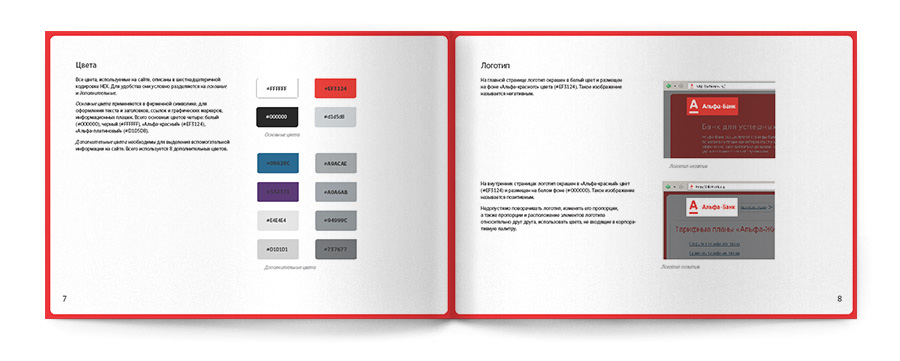

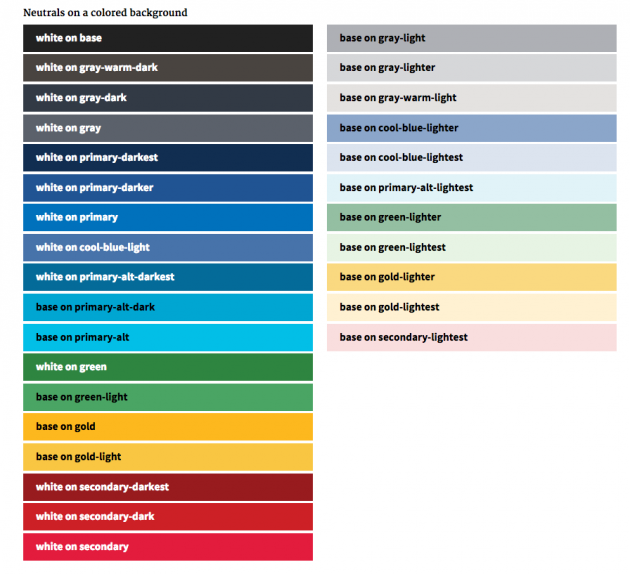
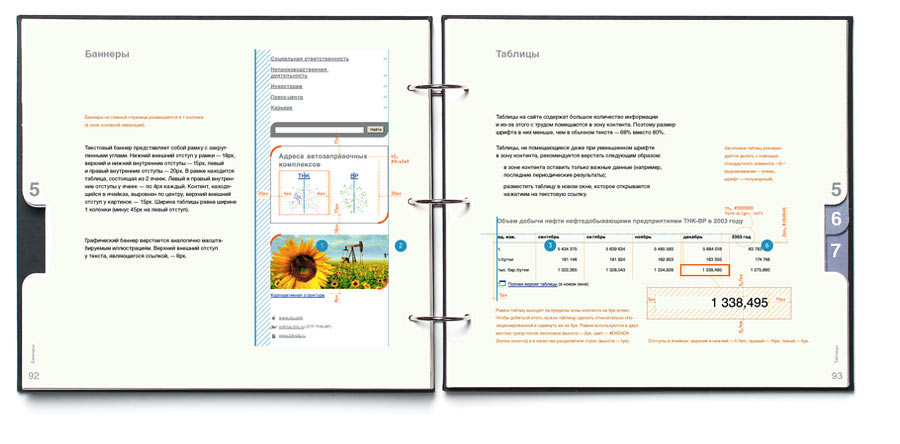

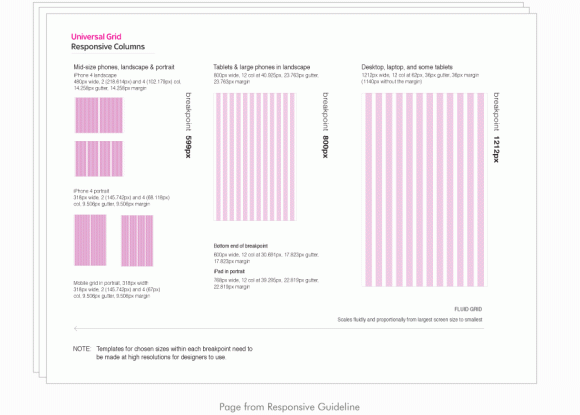
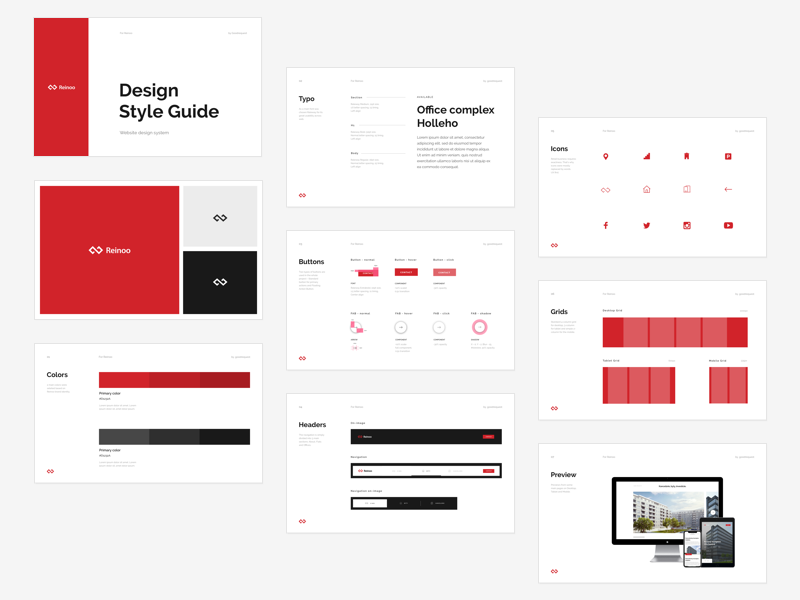

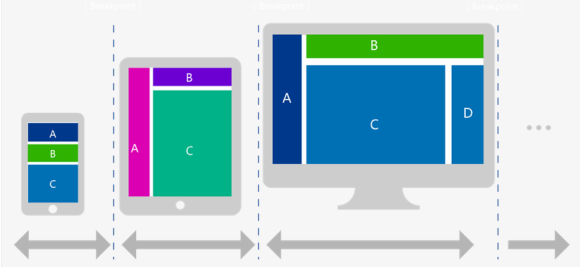


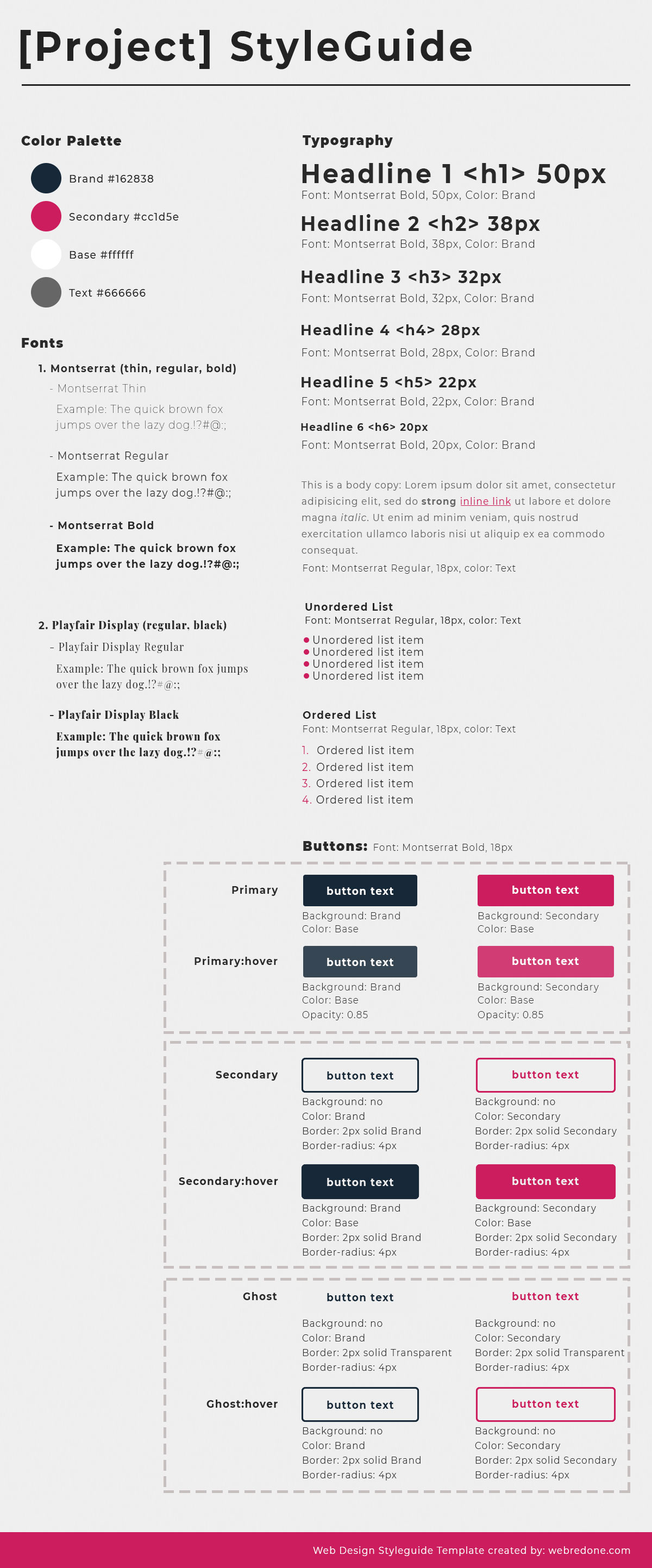


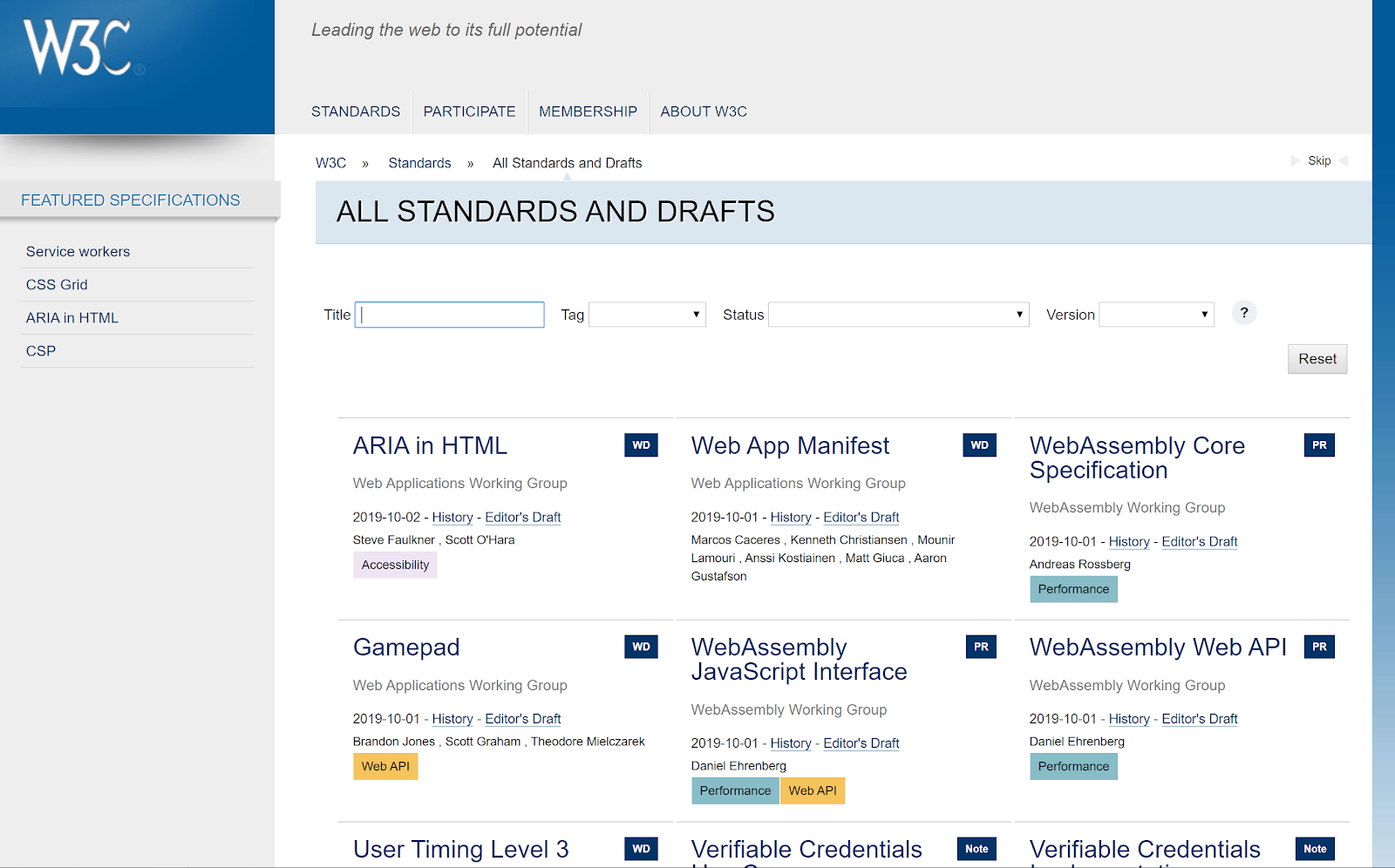



 Jimmy's Internet Marketing Business Blog