I beautiful lady close us out there in this article, I’m going to share with you my three step system to help you to save your full up sales believe it or not, losing four lakh sales is so common for average closer and the worst thing is when Losing becomes so common, they end up giving up doing full of sales totally.
But do you know that you are missing out a lot of opportunities if you stop doing four lakh sales? Why? Because the clients who come to inquire about your product and services, they are already your warmth route, they’re looking for someone to help them to give them the solution to their problem. And that’s why they’ll end on to your workshop or your landing pages or your social media blog in the hope to find a solution for themselves, but when they decide not to purchase and back off, their problem is still there and the reason why they are not Buying is because they still have concern, and all you need to do is to tackle their objection so step number one tackle their objection, really ask them: what is their concern? What is stopping them from making a purchase many times when I do follow-up sales and I contact them by phone or zoom for people who are very keen, they will tell you openly what the problems are and with the problems in hand, you can tackle the objections Step by step, step number two offer them an irresistible offer a lot of times.
The reason why your client is not making a purchase is because your offer is not irresistible enough. They do see the value in your product or services. All they need is a little push and give them the offer that it cannot resist. For example, if someone is deciding whether to sign up or not, you can give them additional bonuses, such as one for one for business partner or one for one for couple. Just to make them see the additional value that they can get if they sign up with you right now, step number three I’ll be revealing this.
In my exclusive telegram blog, I can guarantee you that if you lose my step tree which is going to be shared inside this telegram blog, it can drastically help you to improve your follow up sales. Closing I will be showing you a few resources every single day to help you increase your sales charm and become a much more effective, closer, so click the button below to join my exclusive telegram, blog and start finding your sales charm.
If you find this article helpful remember to give it a thumbs up and also share with people who can truly benefit from it. With that, I wish charming and the happy to your head see you in the next article bye
My name is John golden, says hop online says magazine pipeliner CRM and today I’m joined by Amy Cates. How do you do Namie, I’m just fine. Thank you. John and Amy is part of Managing Partner of the Cates Kessler organization, which consults in a number of areas, but particularly in organizational options and implications, and how to make sound decisions around how to structure your your organization’s.
You also teach at Cornell, there’s a correct and and obviously is also an author of numerous books and speaks and writes on a regular basis, a pretty busy so for somebody listening Amy. Her name is in by the way in New York today and I’m in San Diego Amy, for somebody listening when you talk about designing, you know organizational design or organization design. What do you mean by that to some people that might sound? Well, that sounds very because in the past organizations were fairly simple, but the world has gotten much more complex in the last four twenty years and we have to think about not just strategy and people.
But how do we really build an architecture of an organization so that people can come to work and do their best and understand? Who do I talk to how do decisions get made? How does workflow so when we talk about organization design its? It’s really the set of decisions you make after strategy to say? How do I want to configure my organization so that people can connect the right way horizontally vertically to get work done, and typically we work with companies that are global, that multiple product lines that are developing new strategies that are moving from? You know business business, to business, to consumer, introducing digital capabilities, and this complexity really requires than an organization that can can match the what to do that strategy.
Yeah, because it’s interesting what you say there, because you know what a lot of companies, obviously they they do. Their strategy, and then they move straight to execution right and don’t do that kind of structural piece and also a lot of organizations. You know traditionally kind of grow organically right I mean they structures come about organically. So what happens when you get that we’re we’re a company moves from strategy to execution without the design part yeah.
So typically, is its strategy really not even to execution? It’s the org chart? Okay. So let’s change the org chart change the direct report structure. Let’s consolidate some pieces, let’s make some new roles to get things done and we we design around people and the people that we have as opposed to thinking about an organizational model that can last so what happens when we don’t really do design work to think about How structure management process reward mechanisms and people processes work together in a system? What you do is you might solve a short-term problem by let’s say we take out some management layers, so we can press the organization and say that’ll speed decision-making.
We’ve changed the org chart, but we haven’t changed the work and so soon what we have is. The organization starts to organically grow again to fill in those missing pieces. So when we do our work with clients, we start with strategy. We look at capabilities and we say: what’s the organization model we want to organize toward and then let’s make smart decisions to build, really a roadmap to get there yeah and – and you raise an interesting point there, because that is the big trap that our companies fall Into is fitting.
People is starting with the people rather than with the the process or the organization of the structure, and then you kind of go. Oh well. You know this person they’ve been around a long time, so we’ll shoehorn them into this. Even though they’re the work, even though they’re completely not the right fit for it right, but it’s a real it’s real temptation to do that. Isn’t it absolutely and because that’s tangible, I can see that I can make a change.
You know we often joke that organizations are really. You know, three-dimensional invisible, abstract concepts, you you know, you feel the organization impact see, but you can’t see it, and so when leaders or even HR professionals, don’t feel confident in the set of tools they have. Then it’s easy to go to the things that we can change, that are tangible. Let’s change the org chart roles, jobs, people in those roles.
So that’s why we’re so passionate in our firm about not just doing the work and consulting but writing and teaching and making articles and doing workshops to really build the skills out there and demystify this and the other trap that people fall into a lot is. Is this idea of you can only scale by people right? You can only add more and more more people without taking a step back and looking at the efficiency part.
Looking at the structural part when you, when you work with organizations, is that something you come across a lot where they’re just throwing people at problems rather than analyzing the issues. Just don’t have enough to do we’re not busy here right, so everybody’s busy and yet feels and feels overwhelmed with communication and priorities, and yet we have inefficiency in the work and high costs so and the usual answer is you’re.
Absolutely right. Let’s put more throw more people at the problem, but more people actually generate work as much as they do work. They create surface area, they ask for meetings, they ask for data, they ask for reports. So one of the things that we go in and look at is is: it is really to start with the work. Let’s, let’s redesign the work and the workflows in the context of the strategy capabilities we want to get done and then look at people what you know what’s going on right now with machine learning, artificial intelligence, automation which is you know, it’s been building its in there, A little bit, but it’s going to come fast and big, is fundamentally going to change the nature of work, not just what we’ve seen in manufacturing or service work or call center kinds of things, but really in marketing in R & D and where we thought you Know this is where people’s jobs is are really about decision making, it is artificial intelligence is going to change it so or design becomes even more important, because we have to think about what’s the unique contribution that we need people to make and be sure that we Have the right skills in the right place and that again we we organize, so we can do unique things together, yeah and that’s an interesting you to bring that up about AI in machine learning in there and and baths and all of that kind of stuff.
Because I do I mean obviously, we are seeing that rapidly coming into into into many organizations. But we still don’t have a great grip on how, as you say, how to combine it with the people and at the end of the day. And we always had this thing about pendulums. Don’t we like pendulum goes: it’s like: let’s replace everything with AI and machine learning and then so, when you’re talking with organizations, how are you helping them through this transition because I can see this is on the horizon? For a lot of people, yeah yeah, so first, what’s interesting, you know 15 years goes all that outsourcing and we see a lot of companies bringing back some of that because they they push too much out the door, and that was core to their capabilities.
But with organizations you know what’s changed I think is strategy is still important, but it’s less about hey. We have a three-pronged strategy: that’s good for five to seven years, we’re going to organize toward that and get into some steady-state we’re working with a lot of organizations in industries in which we don’t know. What’s going to be a winning strategy. So when you think about media about cable, television and entertainment contents related, how do are we going to get people to pay for what you do? You know, for example, and all of the old business models are really being challenged.
So, in a lot of ways, the work is not to designer organization to a fixed strategy, but it’s to create organizations that can sense the environment that can make decisions quickly, that can experiment and rapidly prototype and try out different ways to see. What’s going to work and make good decisions around a portfolio of opportunities? Um because we don’t know you know which is going to be that winner, and so that’s that’s new and unsettling for a lot of fun, Peters, yeah, cuz.
What you’ve described there is obviously anathema to the way organizations were in years gone by. I mean this idea of you know, being extremely flexible and fluid and able to react, and you know prototype and and experiment. A lot of people were not set up. Organizations are not set up that way right, so this is obviously the big challenge ahead for people like you, when you work with organizations is how do you take and that a new problem – and I’m sure you’ve done this, obviously with some organization.
But how do you take a very maybe traditional organization and help them on that journey to being a little more flexible and fluid yeah yeah, and you know what’s interesting – is that flexibility and fluidity is not um. Just chaos right. You actually need more leadership. You need more discipline, you need more process in order to be fast and adaptable, especially when you’re, when you’re looking at organization, that’s in multiple regions – and I get has multiple product lines trying to come together for common customers and then make this change so um.
The way to do it is, is it has to start from the top as well as from the bottom, so it’s about leadership really being clear about where they want to go and what those new behaviors are. What success looks like again, we might not know the strategy, we might not know what even products we have, but we know how it will feel for our customers and how we need to work together. Then it’s about unleashing some of those experiments down close to the customer right, it’s not about just having something up at corporate that says up.
This is innovation here it is it’s really helping the people who see and touch the customer des, try new ways and create networks to really see what works and and invest in those. So it’s a lot of almost an internal venture kind of mindset that you have to build, and that has to happen over time. It’s it’s not just hiring a person. So again, this idea of capabilities that you know we make the distinction, say: competency lives in a person, but a capability, an organizational capability, something we do together and so focusing on that on.
How do we need to work together in new ways to get different decisions? New outcomes is really the old design work yeah. So it’s not a question of just hiring it. You know chief chaos officer or whoever something you like that, but I love that thought of what you’re saying about the fact is the flexibility and fluidity. It does not equal chaos because it can’t, because, obviously, chaos is the opposite: everything kind of grinds to a halt to glorious halls eventually.
So the other thing that kind of really in true intrigues me about this is you. You went back to leadership right, as you said leadership at the beginning. So that’s that’s. A big challenge now is for leaders to transition to being different types of leaders and in the past maybe the command and control is it doesn’t work so much anymore and it’s more the it’s more having this structural vision and then getting the right people to implement It absolutely but make no mistake, it is not.
It is not abdication of your vision, you know again walking into so many companies doing org assessments. What I hear over and over the number one issue that I hear across companies, we have too many priorities. Our leaders are not making choices, they’re, not setting direction or helping us make trade-offs. Where do I spend my time? Where are we making investments, and so the work of leadership today is to make some of those big bets again and and then nurture the small portfolio of small opportunities and and know when to stop a project know when to double down project, to move resources and That takes a lot of courage that takes a lot of collaboration that takes a high-performing leadership team to make trade-offs against all of these different options.
Low ego and then it takes managers, corporate coaches to help people really work in the teams across these boundaries. To get new work done so so the change that we see is absolutely you’re right. It’s not commanding controls, not figure out and tell me what to do. It’s giving me the framework so that I can come to work and spend my energy in the right. The right way – and I’m glad you mentioned that idea of choice because it’s a bit of a soapbox of mine.
This idea is like human beings as human beings. We hate making choices, everything we like, but we really hate it because when you choose one thing you by definition of default, unchoose other things and we prefer to hedge our bets all the time, and I do think we were in a in a world you’re right Now you’re we’re in a world where you have you have to make choice and you have to make bets and if you make a wrong choice, you’ve got to get out of it quickly, right, yeah, yes, so speed! You know if, if I was to say, what’s the biggest difference that see in the last, you know 20 years of doing this kind of work.
It’s not. The world wasn’t complex before global, but the speed of of expectation has changed. So what technology has done? Is it it has been a cycle times of product development, of of customer expectation of R & D, and yet we need to. We need to connect the best middle of managers in our global organizations, and you know, I often say, as human beings we haven’t really evolved in the last 20 years.
We don’t process information any faster. We still like to build relationships and get things done through trust, and so this pressure to be faster to make good fast decisions is really what drives a lot of organizational change. How do we reconfigure to get the right connections to make better faster decisions, because at the end of the day, that’s what wins, yeah and that raba see requires a good level of being able to process engineer very fast right? Yes, yes, yes, so it’s really management processes, business processes, workflows, decision processes, governance forms friendly, it’s all the stuff that leaders and managers hate to do it’s not a fun thing that you know we sign up to do to say: I’m going to be ahead of a Function and ahead of a business unit this, but this is the work I mean, I think that’s it.
That’s a that’s a great point also to touch upon there yeah. It’s not it’s not probably the most exciting of work for people, but as you, as you have laid out quite clearly here that if you don’t get your processes right, all the different processes right you’re not going to be able to move with speed and you’re. Not going to be able to you know, have success and and and you’re not going to be able to change direction.
If you need to fast either exactly exactly again that idea of discipline rigor, you know how we run teams. How do we meet how we make decisions, how we manage work and handoffs but across boundaries? All of that helps us actually to move faster, but it means John putting the time into design those being thoughtful and then also keeping them healthy because they don’t last as we choose direction, we need to change all of those pathways and mechanisms and and what I Urge leaders to do is to explain that to employees so that it’s not we’ve made a norm change this time.
We got it right, it should last because it won’t and then they won’t, it reduces trust and credibility. Rather, to say, we have an organizational vision just like we have a strategic vision, we’ll be organizing toward that and here’s what you can expect as we move forward together, stay with your way to managing change yeah, and I think that’s a that’s a fantastic point too. To end on here is that idea of getting people comfortable with the fact that what you’re designing is the best thing you can design for today, hopefully for tomorrow, but maybe the day after that we might have to change again I mean you look at, as you Said the speed of disruption I mean you mentioned the broadcast and TV industry, I mean who they wouldn’t have thought a few years ago that they get so blindsided by streaming and now they their struggle for business models.
They can so I mean IIIi. Think that’s a great thing to to end on that idea of the fact. Is you you we’re not we’re not building to steady States right we’re building the best for now? Yes, so it’s a growing field. There’s lots of resources out there. You know we’ve been making articles and articles books and really trying to help people understand their tools or frameworks. There’s methods to think about this and have the conversation together and just make make smarter decisions about your organization yeah, so Amy before we go.
If you just like to tell everybody a little bit more about yourself, your organization, how they can learn more about you and what you do sure I’m Amy Cates my partner is quick Kesler. We have a wonderful team of just about a dozen people that work with us and all we do is help. Leaders and leadership teams make smart decisions about their organization, but we also teach our design, as you mentioned, through Cornell public programs, in-house programs.
We have the latent learning series online, as well as YouTube blog of articles and our website case. Counselor comm has lots of articles and blogs on the topic if people are interested so we’re always eager to share and to teach and always have someone contact me with a question: great, listen, Amy. This has been fantastic and I encourage people to check out more about this, because I’m I’m a firm believer that it’s it’s! How you organize yourself! That’s how you’re going to win in the future, because you’re going to have to be moving in so many different directions and being able to be very, very flexible in that so again, my name is John golden says.
Pop online says magazine: pipeliner CRM, Amy Cates been a pleasure and look forward to see you all again soon. Thank you.
My name is John golden from says pop online says magazine and pipeliner CRM and today I’m delighted to be joined by herb Cohen, who is in Brooklyn Heights in New York. Hey turn herb you’re, just fine and herb has for more than three decades or maybe even more he’s been a practicing negotiator intimately immersed in in some of the world’s leading, like headline dramas from hostage hostile takeovers, hostile hostage negotiations, your clients have been executives, entrepreneurs, sports Theater, the glut corporations, government agencies and you’ve written a number of books on the subject of negotiation, so so herb, I, you are a definitive resource on negotiations and I’m sure you’ve forgotten more about negotiations than most people will ever know in their lifetime.
Right. Yes, although so what are some of the when people come to negotiate in the first place, I don’t think negotiations are something that comes naturally to most people. I mean a lot of us think, maybe that we’re good negotiators, but we don’t really know what we’re doing. What are some of the mistakes that people make when they approach negotiations in the first place? Well, initially, they believe that it is something that’s very narrow, they see it, they use the metaphor of the pie and they think well, here’s a pie with 12 slices, and if I get six, they get six I’m going to try to get eight and hold them Off so they see it as a competitive game and that’s really not what it is.
Actually, you know, if you take the pie metaphor I may like the crust, then you may like the apple and he’s like inside, and so you can generally work things out or both sides gain in both sides benefit yeah. So so I mean I could just saying they’re so but – and I think that’s true and I think that’s unfortunately true business and life – that people tend to look at things as finite as opposed to you know, there’s enough there for everyone, but also tell me people Do people generally very few people love the negotiations? Phase right negotiating is something that’s learned.
I didn’t start out as a negotiator, you learn it it’s a skill that you will acquire and the way you acquire it is by practicing it probably. The first things that people should remember is that virtually everything is negotiable. Thing is the product of a negotiation. That’s how it came about a price thing about like Tiffany’s, would you say gee it’s going to go stated Tiffany’s? Oh my god. You know it’s like untouchable.
It’s holy ground. Yet how did they establish the price that judging $ 8,000 for the ring – and these salespeople said hey, let’s make it seven we’ll sell more rings. The accounting financial people said no make it nine profit and they worked it out and ultimately, they came up with 8000, which prices 7990 sounds better. Yeah point is: if something came about as a result of negotiation. Of course it’s negotiable and if you start to think virtually everything came about as a result of the negotiation, the only thing that didn’t are religious and ethical moral principles right other than that everything’s negotiable.
Like I wrote a book, you could negotiate anything which has been translated into 36 languages, yeah and I’ll, be the world’s world’s biggest selling book on negotiating them selling selling is a negotiation anytime. You were attempting to influence someone’s behavior you’re negotiating we negotiate. Is we negotiate with banks? We negotiate what our boss, we negotiate with subordinates mm-hmm. Why is this series of negotiations and if you learn how to play this game, you end up being much more satisfied and living an enriched life, so you say in your book: you can negotiate anything there’s three crucial steps to success.
What are those steps? Well, I said: there’s three things: there’s information and the more you get the better off you are. The next is time and the third is power and people always have more power than they think they have. We always underestimate. Ourself, for example, it’s a prisoner in solitary confinement. You know they take away your shoelaces and your belt, so the guys walking around he’s holding up his pants.
You know he’s got those shoes and he craves a cigarette. He goes to the going knocks on the steel door. The guy opens up. What do you want be nice? Why I, like his cigarette BAM, the god slam he comes back, he does it again. The God opens up. I just told you no, he said, look if I don’t get a cigarette from you within the next minute. I tend to bang my head up against that concrete wall till I’m bloody and unconscious and when they revived me I’ll swear that you did it one cigarette.
I won’t bother you now. Can the guy get that cigarette sure get a cup of coffee as well? The point is even in a powerless situation, you’ve got more power than you think, yeah yeah. So that’s great. I’m writing that down. Just in case, I ever find myself and solitary confinement that I know exactly how to get a cigarette going forward. But I like the point, though her because I do think – and this is something I think a lot of salespeople experience like they love the sales process and all of that and they theory, but but as it gets down to the end and it gets into the Negotiation process, as you say, they start to feel like they, like.
The buyer, has all the power and they have no power left right and that’s when they start. You know offering up discounts before anybody even asked for them. So how do you? How do you help people in that situation? Take a step back and say no, no, this is you know, there’s there’s power on both sides of the table. Well. Well, first of all, let me just digress for a moment say: selling is really today a honorable skilled, profession, yeah, because you’re in selling other than other jobs in corporations where I was in selling one you get ownership for the results.
You did it. Okay number two! You get instant feedback right and in other jobs and corporations staff jobs. How do you know you’re doing well of my performance appraisal in six months and the boss calls you and tells you, and he says things, do you like remember five months ago, you thought you doing well. Well, you were, and the third thing is one ownership results, feedback and an opportunity to take risk, and so, if you’re in sales, you really can be very independent.
I was in corporations and selling positions and I could arrive late. I would pop my 10 year old car and the CEOs place because they didn’t want to walk, and I got away with all that stuff. Why? Because I was like yeah selling is fantastic and selling involves negotiation other than that you in order to take you work for Apple, and you have 8,000 new new, ipods, ipads, 8,000 new ones, and it’s the new number 16 model.
Yeah and you’ve got 30,000 people at wonnum you’re, not selling you’re, taking orders you’re filling out slips selling involves skill. It involves determining what the needs of the customer are and satisfying those needs, and a lot of that is done by your style. How you approach people and the best way to approach a custom if you’re in selling is in a congenial cooperative fashion, with what I call a low-key pose of calculated incompetence so run run that by me again that sentence say you want to approach people in an Amicable fashion, with a Loki Loki pose of calculated and comprises other words, listen to the other side find out what they want.
Ask questions rather than give answers even take notes, because people love when someone’s writing things down will say to me. But if you’re dealing a little moron you’re saying, I should write down what he says more important to write down what a moron first, because you’re the first guy who never wrote down if you’re a real professional salesperson, you’re finding out what your customers needs are and You’re shaping your product, your service, whatever you have to meet those particular needs, he’s satisfied and you’re satisfied.
In fact, you never approach people in the condescending way. The opposite is true: negotiation selling, dumb is bed and smart inarticulate is better than articulate. You want to train yourself to say I don’t know I don’t understand. Could ya? Could you help me I’m kind of new at this and let the other side help you let the other side, your customer virtually meant to you. Through this deal, you will become a much more successful person now, in fact, I have what I call the magic words of selling.
These are three-letter words. First word is spell hu H and that’s pronounced. Deca word is WH 80 WH a note T on and it knows wha. It really helps me see. One of my strategies, the negotiation and selling, is to make the other side feel superior to me right if any cases get the work very hard, but nevertheless the pays off, and so your style, your manner, your demeanor is more important than the content.
The price of this transaction and many salespeople think well, I didn’t get it because right, the price. Do I if we cut the price, but in reality you know, there’s an old saying when people are get annoyed, they say: well, it’s not what they said. It’s the way they said mhm, and so, if you look at your most successful salespeople, most successful negotiators, they have a style, a manner that other people relate to.
They feel nothing yeah and it’s true. I mean they always say that people remember how you made them feel not really what you said. It’s the same, if you can give an hour-long speech and people may not remember practically anything, you said, but they go wow. That was good. I really liked you know. I really felt that was engaging, and so I I take what you’re saying about sales number one. I think it’s a it’s a very good point.
It’s a fantastic profession, it’s unfortunately, it gets a bad rap, because popular culture loves to present it in a particular way. But this idea of a win-win, because sometimes people mistakenly think that if you don’t come away with more than the other person in a negotiation that you somehow lost, no, it’s not true. First of all, the last thing you negotiate is the quantifiable item. You save that to the end and you get people to invest in a relationship, see if I start out collaborative or cooperative.
Even if the other side thinks see this guy’s week, I’m going to conquer and destroy him, I’m going to get more pieces in fine cuz. He sounds funny, you know and look at me. He looks funny. He don’t look like a great top overpowering executive. No, and so what happens? Is they invest in the relationship and once people invest it’s hard for them to divest? You know. Rats at human beings have this in common, the more energy expended in pursuit of a particular goal, the more desirable that goal becomes, and so once people invest it’s hard for them, and so, if you kind of remember, is you know the emphasis upon your me manner? Your demeanor, it really helps you succeed, yeah and I think that’s and I think that’s true, so I think it’s a Kanaka said because if your salesperson and you negotiate with customer, it’s you know for the cost.
It’s also uncomfortable for many customers, because they, you know sometimes, if they’re not bringing in like procurement or something they’re, not they’re, not buying every day of the week and they’re, not negotiating so they’re, not they’re, not skilled. At that either look people want to establish relationship, in fact, the best people in our society who all of us are exposed to a great negotiators who start out as great negotiator the only people of children.
If you have kids, if you have contact with children, nieces nephews, you know that kids, who are little people in a big person’s world, technically have no authority or power seem to get a lot of what they want. How do they do it number one kids aim high. They end with unrealistic accepted all right, so they affect the thinking of the parent to the trying influence. The second thing the kids do is they believe that no is not really a final answer, but it’s an opening bargaining position.
So you tell a kid know: five minutes, ladies asking you again, it’s never over with this job. The third thing kids do is they form coalition’s? In other words, they say who can influence the decision make up the parents, other decision-makers, grandparents, so they form coalition’s with the GIMP grandparents against the parents. In fact, it’s easy for them to form that coalesced, because they have a common enemy, the parent.
What kids do is they persist? They persevere. I am my wife. We are the parents of three children. First child. We have these standards and rules very little exceptions. Second, kid: we have many more exception. Third, kid: we would tired people staying there 30 day, read: ask your brother and sister yeah used to be around here, and so, if we adopt the model of children just that we’re going to be more successful, I love that this is a great great way to Finish here, so it’s its aim, high form, coalition’s and be persistent, and then obviously it’s a win-win guy, because we mean at the end of the day anyway, because the kids are happy.
Parents are happy, life is good. Grandparents are happy, yes, well, listen herb! This has been fantastic before we go just like if you want to take a moment to tell people a little bit more about how they can contact you and learn. More probably, the best way to contact me is via email, /, h, er, b, Co AG and herb Cohen, four to seven at gmail.Com, great and listen herb. It’s been a fantastic, been a pleasure interviewing you.
I was really looking forward to it. I’m glad we were able to to make this work, and my name is John golden co-op online sales magazine pipeliner CRM SEO for another expert interview really soon. Thank you. Thank you.
My name is John Gollum from sales pop online says magazine and pipeliner CRM, and today I’m joined by Lee Warren, who is in London, Lee correct. That’s correct, South London, excellent and yeah Lee is a professional speaker and it’s also a first for sales pub because he also was a professional magician for a long time as well. So we’ve we’ve had a number of people on the show from different professions.
We haven’t had a magician before so Lee is written, a number of books had to persuade anyone to do anything and grown-ups, don’t use PowerPoint and what Lee talks a lot about is the art of persuasion, and I know, through all the sales people listening in today. Persuasion is a big thing so again Lee waarom. Welcome, so tell me tell me your philosophy when it comes to persuasion. Well, there’s a very long answer and a very short answer, and the very short answer is that persuasion is a very ethical thing or I think a lot of people think persuade being persuasive quite a Machiavellian.
You know they think it’s about convincing people to do stuff. They wouldn’t do, and but actually persuasion is all about getting emotional engagement with with people. So if, if someone feels like you know what you’re saying they’re more presenting to them or what you’re pitching to them, if they feel like this is interesting to them – or this is far nor this is worth their time or this is going to make them look Good in front of someone else – or this is going to make them money or any sort of positive emotion, then then you’re, a more persuasive person.
That’s the short answer, that’s my fundamental view of persuasion, and so how can people learn to be more persuasive? You know in their part, there are some things that they can do to actually set themselves up to being more persuasive in their engagements with other people. Oh yeah, some fairly simple things straightaway. Actually I mean they aren’t they’re so simple. They almost shouldn’t need saying out loud, but I find with a lot of the work I do need saying so.
The first one is you: you’ve got to listen and understand other people’s worlds. More III would say hand on heart with every client I’ve ever had and myself most of us are very, very good, especially in sales. We’re really good at talking about. What’s interesting to us, we’re often very good at the spiel and you know, but nobody wants to be sold to really people push back against that, so learning how to really listen to people learning how to really understand what people’s real needs are and what’s really on Their mind at the moment you’re coming into contact with them.
Those are two very simple things, but they’re a bit like chest. I think you can. You can learn to do those things in a minute and then it takes a lifetime to to become good at them. I tell you what others fairly simple thing people can do is is really restructure, how they think about language when you, when you meet people who are genuinely really persuasive, very often what you’ll find is they talk in either very visual language, so there are some be Using images so they’ll say things like imagine: if, wouldn’t it be great, if we could don’t often talk very visually and and the other thing is they’re very, very good, and I think they do this very honestly, very ethically, I don’t think they’re being manipulative but they’re Very good at looking at what the future could be like for all of us.
Stick together. They really do want everyone to have a solution or everyone to win from whatever they’re proposing they’re sorta, like the opposite of the you know, the sleazy car salesperson ya know. I love those ideas and let me go just goodbye to listen for a moment. Okay, because I think this is becoming an increasing problem of not just listening but be present right, because we’re we’ve become so accustomed to be distracted and we say, oh you know we’re.
So busy nowadays, when reality is, you know we’re so distracted nowadays and I think it’s coming harder and harder for people to be present when they’re talking to somebody so be present and listen. I think those are challenging things whatwhat. Do you think people can do to actually maybe mitigate from remit again against you know these distractions are not being present. Well, III. Think there’s a couple of things.
So one is, it is a mindset shift and I think you I said that carefully, yep as a restless speaker, I’m always terrified of getting things wrong on stage you know, but I think there is. There is a shift in our mindset, which is you have to genuinely believe that what other people have got to say and what’s in other people’s minds is, is as valuable as what’s in your own mind, and I think, if we’re honest with ourselves a lot of Us that we’re not really listening to people we’re just waiting for our turn to speak, so I think that you’ve got to genuinely view other other people’s worlds as being as interesting as your own.
But then, in practical terms, I think some of it’s a little bit about practice. Actually, and I mean, as you were, asking the question I was thinking of my own experience as a magician and a lot of people think magic is all about. You know the quickness of the hands, but actually that’s the easy bit of being a magician you just you just learn that and the hard stuff is really being present and understanding what’s happening, so I’m doing a magic trick.
I’ve got to practice what’s going on in my hands enough that I can forget about that eventually, because my awareness has to be all other canapes going to come and interrupt. What I’m doing is somebody trying to see behind me is somebody about to make a funny joke. That’s going to ruin my carefully repaired spirit. Yeah. I’ve got to be really aware of all those things, but I wouldn’t be able to be if I hadn’t practice the technical stuff.
So I think certainly a lot of people in sales should do a lot more roleplay. I think they should do a lot more getting their pitch down so that all of that stuff, which becomes some good, not subconscious, unconsciously works out. So they don’t really need to think about that they can actually have more attention free for what’s going on around them. Does that answer your question yeah? No, it does absolutely and I think, there’s and I think you’re a hundred percent correct.
That says people need to do more role-playing and more practice. I think if a lot of us are honest, we probably practice our hobbies more than we practice the thing that puts bread on the table right yeah and I also think does here’s an interesting exercise that I think some people should do, and it might be really Surprising is, you know, maybe do what your sales manager or somebody, but what somebody else is actually have a conversation, but instead of answering the other person immediately, you have to we repeat back what they said and showed that you understand it’s understood exactly what they said And you might be surprised how many people fail fail that exercise.
I I think that’s that’s a brilliant exercise. Actually, it reminds me, though there was a very famous acting tutor called Sanford, Meisner and, and he had exactly an acting exercise like that, which was where in pairs you’d, say the same phrase to each other about sort of 50 times. And you end up in this weird mental space, where you really do start listening to everything, except the words being used.
So now you see everything about someone’s body language and I think that’s great. I think the other thing about the other big benefit of role playing now. This is something it took me a little while to learn, because I quite often get clients to do this is that when you’re doing the role play? Actually, it’s not the person playing the role of the sales person who benefits alone. It’s the person pretending to be the buyer or the client, because they suddenly see their own behavior and they sit.
They hear a salesperson pitching to them and they think. Oh, my god, that’s you know, that’s ridiculous. Why would I ever do that, so they learn something even if they’re, not so active in the role play yeah. I agree with that because I think often for some reason we forget that we’re consumers and customers ourselves like when we’re in selling situations and then we suddenly start behaving differently or expecting the other person to behave differently than we would in that situation.
So let’s talk a little bit about language, because I like that idea what you said about people using a visual language, a different language. I don’t think we pay enough attention to what we say and how we say it yeah I couldn’t agree more and – and I think there’s a cop – I mean there’s a couple of caveats to that or a couple of pitfalls, which is, I think, sometimes some people Get too obsessed with their language and they sort of gone we’re training courses and they leap sounding like robots for a week, and you know that never works of quirky stuff well, so, in terms of language in terms of being authentic and having a really sort bulletproof Way of doing it, I I think one really great thing is to be obsessed with value and to really focus on the the value that your product or service brings, rather than the thing itself, and a lot of us get to get too wrapped up in all The processes and systems, and and so on – and I mean a sales conversation really and a persuasive sales conversation – is about an exchange of value.
You know I’ve got some value to give. You you’ve got some value to give me. How can we, as adults, exchange that and one one technique? I use a lot and it’s a great thing is to fill in the second half of a sentence, which is something like at the heart of. What I do is a simple idea, or at the heart of our service is a simple idea. Don’t know doc and what I get you to do is. Is it gets you to really focus really precisely on the value that you bring and that I think organically and naturally gets you to use a better kind of language or more, a language that matters more to cry onsen to the people we’re selling to and a Really fun example: I love to use when I was a full-time magician wedding couples would always say to me what kind of tricks you’re going to do at our wedding and if we think about that really in a sales context, there that’s a process, question they’re, not Really asking that question because they wouldn’t understand the answer.
No they’re really asking you know: can we trust you with the most important day of our lives? That’s really what they’re saying so I could say. Well, I do card tricks and coin tricks and mind-reading tricks, but but that doesn’t do anything about trust and value, or I could say instead well at the heart of my magic is a simple idea and I’ll make your wedding much better than your sister’s was that’s A bit tongue-in-cheek, I’ve never said that to a wedding couple, but but you get the idea, it’s fun, but there’s real value in and buyers.
You know wedding couples would respond to that straight away. They’d laugh and they’d get the joke, but they’d also see the value who doesn’t all the best wedding. They, you know anybody’s ever had yeah no exactly, and I think I think you touched on a great point there and does it there’s a there’s, a person, Lisa Magnuson who does presentations, training and – and she has a dis, great idea, and I think it’s perfect – that A lot of people start off for a presentation or a pitch, and they start to talk about the steps right.
How, instead of she says like if you’re going on a vacation to Hawaii? What are you thinking about? You’re thinking about lying on the beach in Hawaii you’re, not thinking about well, I got ta get the uber to the stage. Now you have to go through those steps, but you got to start with the and just like you said there with I’m going to make this the best wedding, whatever that’s what they want to hear.
You know they don’t want to hear immediately the steps you’re going to use to get there right. Oh, I couldn’t agree more and that actually speaks to what we talked about at the beginning of this. This chat, which is about getting the emotional engagement first you’re, not going to get emotional engagement with people or it’s really hard to. If you start talking about processes and steps and you I hav IE, and that just stands for hearts and minds.
So that’s the order in which you put your information. Can I get an emotional engagement first, followed by the mind stuff, the content and data and then pipe ie just stands for pictures you use loads of pictures. Loads of visual language is the interest you know. What’s the most interesting thing to the people you’re communicating with rather than to you and then e is enthusiasm. You know you’ve got to believe your own stuff and you’ve got do you’re.
The first person you’ve got to persuade it’s going to be a great yeah. I agree with you totally because I thought I don’t think number one I mean you can’t be authentic if you really don’t believe in what you’re selling and I think that comes across and I like the idea of what you said about the win-win. You know the future state is a win-win situation like and I think that’s become increasingly more important because you have savvy buyers and and as you say, you know, people don’t want the they don’t want to feel like they’re being sold to, but they want they want To feel like you’re invested in their success right and that’s the thing that you’ve got to get across.
Oh I I couldn’t agree more 100 % and I think certainly I mean the digital revolution. I mean it’s its revelry for the first time ever, there’s a lot of stuff in sales, which goes really deep. You know who we are as human beings but and there’s very little, that’s new, but what is new, I think, for the first time ever is we now live in a world where the buyer has at least as much information as a typical salesperson and anything they Don’t know is just a Google click away, so you know where you think of 30 years ago, if you walked up to buy something in a shop or showroom or something you you’d really be asking the salesperson guide me through the information tell me the stuff that That doesn’t happen anymore in b2b b2c.
I don’t think in any arena. People really they know their stuff when it when they come to buy from us and so they’re really asking ok, I know all the stuff, but now I need someone. I can trust to make sense of that for me and to guide me to actually finally part to my passion and you’re quite right and it’s a long-term thing in a digital world, we can’t we no one, can take cash of anybody and run away anymore.
You know we will read Twitter and Instagram and Facebook yeah yeah and I think the other part of it, though, is you know the win win. I mean it’s all for the salesperson and I think that if you’re going to engage with a customer, it’s an exchange and if you both come up with the solution together and it’s a new add value, and all of that you should expect it to be win-win. From your point of view, Oh a hundred percent and it’s win-win in many ways, it’s witty you, we win on that particular transaction.
You win in terms of the long term relationship, and then you also potentially win in this total goldmine for all of us, which is in terms of the referrals and the testimonials and the repeat. Business from people. You’ve never met him and would possibly never even meet with all the cold calling and prospecting in the world without those recommendations so yeah. I think it’s it’s right at the heart of mine, my business, that that thing of getting testimonials and referrals definitely so any other.
Last turn things around persuasion because, obviously like when you were a professional magician right, I mean you’re, persuading people some degree to almost to suspend, suspend belief or whatever and and just buy into what you’re doing right. So I mean what you don’t: need techniques that came over from magic yeah there and they sort of in a way they’re sort of boringly, simple and but I think it’s the simplicity of them, that a lot of people miss.
I was talking to a personal trainer earlier this week actually, and I asked him what he thought. The best exercise in the gym was – and he said, the best exercise in the gym is what’s called a farmer’s walk, which is where you just pick up a heavyweight and you walk from one end of the gym to the other, and he says, but nobody ever Does it because it’s so simple everyone’s got people’s, I mean complicated and I think it’s similar in sales, so in terms of being a magician, it’s definitely about trust, it’s there and what good magicians learn is within seconds of meeting people within seconds of walking onstage.
You have to get people liking, you and trust in you. They don’t know anything about you yet, but if you can get a laugh, if you can get a smile, if you can get a nod of recognition, that is the single most persuasive thing you can do, because you know, as a magician you’re going to be asking People give me your wedding ring. Give me your wallet. You know I’m going to set that fire to a tempo note.
You’ve got to have a lot of trust there and I think, in terms of sales, bring you back to it to the real world. So some of that’s about how we relate to other people, but I think some of its some really simple stuff about. How do you dress? I mean you know, is your dress? It’s your dress on brand. Do you look good, but the number of sales people I’ve seen who turn up looking a bit sweaty, you know, and then they sort of fumble around in a bag for an old knackered brochure, and it’s so easy to get that stuff right.
But no well, not nobody, but hardly anybody does it. So if you do do that, you you really stand out, so I think it’s really really simple. I suppose the sorry to sum it up quickly. If you only have 60 seconds with somebody. What would you do in those 60 seconds to win their trust and then just behave like that? All the time yeah, I think that’s a great it’s one of my it’s one of myself boxes as well, is that the ideas that you’ll never be ducked points for looking too good like being well-dressed or whatever you won’t get tough points for being overdressed, but you Certainly get dark points for being underdressed and for being polite, graphically correct all those simple things.
You know that you know that people a lot of people, unfortunately, because we live in this pseudo casual culture today. They think that they can throw all of those out the window. Yeah, absolutely, and – and I do mean that thing about on brand by the way – because I think some businesses brand is a t-shirt and jeans. That’s but they’ve got to be really good jeans and a really good t-shirt. You know some businesses suit and tie, and so on or really smart business dress suit or something so it is about the brand I’m in a really good example, I think, is if you went to a tarot card, something if you went to someone and she said He said, oh, I haven’t got my tarot cards today, but I’m going to about yourself anyway, walk out, you wouldn’t pay the money.
No there’s nothing. I don’t wan na offend anybody, but there’s nothing cars that does any. But you expect that you know you want to see them and those mysterious images, because it’s all part of the trust and we’re exactly not that word sails with our brochures, our website, the way we dress it’s the same phenomena in the mind, that’s fun to have To listen daily, this has been a fascinating conversation.
I know we could talk for a lot longer hey before you go to things, I’m going to get you to tell people a little bit more about yourself, but I got ta. Ask you, who is your favorite magician going on so my favorite magician that everyone listening to this would know, and probably even including the states is Darren Brown, of course, who’s taken the world by storm for the last 15 years, or so. He is just what I mean: he doesn’t define himself entirely as a magician, but he is just the most wonderful thinker and performer and writer and artist.
He sort of irritatingly talented so he’s the best that everyone listening to this would would know and if you’ve never seen him live, go and see him. It’s a masterclass in how to hold and entertain and persuade an audience excellent minds. Tommy Cooper there you go [ Laughter, ], so Lee tell people a little bit more about yourself, your company and how they can find out more about you. Well. My company is me, I mean on the on the international headquarters of my business and my website is invisible, advantage, calm and, and I’m a primarily 80 % of my work is, as I speak at the conference’s.
So so so I suppose anyone who’s got a sales conference or an internal sales meeting coming up where they need a speaker, who’s, devilishly, good-looking and great fun, okay, be sure, and then about 20 % of what I do is workshops which come off the the speaking. So I’ll sort of go to a conference and speak and then some of people say: can you work with our sales team or our leadership team, and so I do that quite a lot.
So that’s that’s what I do and how people can get in touch. Yes, if you have any difficult call, EEGs you’ll also make them disappear right. This is John golden says. Pop online says magazine, pipeliner CRM, it’s been fantastic. Talking with Lee Warren in London, see all again for another expert interview really soon. So I encourage you to subscribe to sales pop dotnet. The online sales magazine also subscribe to our YouTube blog and then comment get involved in the conversation, love to hear what you have to say.
How you doing there well good day, indeed, excellent and and Richard is part of the of level 5 selling and did if you want to just tell us a little bit about what level five selling is, because we’re going to talk today about sales training for a Transformational market so what’s level five selling yeah.
Well sure, thanks for the opportunity yeah we served about two years ago I John Huskins who’s. My partner wrote a book called level, five selling and John, and I happen to bump into each other at Starbucks and he said gee. You know. I’d really liked to you know, take the book, but but start a company in designer. You know a new training methodology. That’s really responsive to you know the kind of demands we see in my first market, but you know do that all by myself.
You know I’m struggling with that a little bit. I said, well love to come to the party. So that day we decided to join the partnership, and the whole idea John behind it was was, was to say that if you really looked at what’s occurring, you know things don’t look like yesterday and and yet you know the training establishment which we’re a part we’re Doing things pretty much like we were doing them for a long time.
You know we might be doing them better, but we weren’t doing them differently. So what we set out to do was to really try to develop. You know, instead of training, content and training methodologies that that were responsive to the demands of the 21st century market and for those of you not familiar with with six work, is you know now he’s with level five selling looking at and training for the 21st century And for transformational market um, I guess 3040 years ago now you did the same thing when you were working with Neil Rackham and spin selling, and that was the last big kind of move in the in sales in sales, training and sales performance improvement.
So you’re two different centuries, two different two different initiatives. What what we were doing way back when was very much at that point, different yeah it was different and – and I think, is probably time to sort of revisit that challenge. So tell me exam you dick. Why is I mean sales training? Has you know it’s? Obviously it’s something that you know. People look at all the time talk about all the time and it often happens as it may be, the you know, maybe an annual initiative.
Let’s do sales training and maybe grab somebody and do a few workshops, and then they take that box, but there’s, but nothing really is embedded or changed. But how is the landscape changed in the in the way that maybe sales, you know traditional sales training doesn’t meet? The needs any more of the modern seller. Well, you know we sit down and say: okay, we really want to be serious about doing something different.
We need to first of all go back and take a look at the scale and the scope of the changes that are occurring in the market because they really are transformational, mmm-hmm and and buyers are buying differently. Therefore, sellers need to be doing something different and, and – and this is in the world training you need to try to be responsive to that. So what does that look like? Well, a couple of things really jumped up off the table.
The first one was that that we need to stop looking at training as an event mm-hmm and look at it as an ongoing process. I mean we’ve seen it a thousand times everyone in the field. As you know, you got a 300 person Salesforce. You know a company goes out and hires vendors. Like us. You know we do nine meetings scattered across the United States and we parachute in for a couple of days and bring one of our expert trainers, and it’s done in a really nice hotel and and the two days go.
You know pretty well and that’s kind of it a pretty good time. The food is good, you know, and the reason that won’t work is because the scale and the scope of the changes that have occurred means the salespeople. They really genuinely have to be doing some things differently and those things aren’t so easy mm-hmm. We really think that the training must move to to being an ongoing process. That means folks like us when we initiate on engagement with with a client now John, we don’t do it in terms of a program.
We do it in terms of a project yeah 180 days and a whole whole thing is to is to establish a foundation to have a continuing learning process going on provide people with the materials the wherewithal to make learning ongoing and – and I think, a key to That is the frontline managers. Well, I think you know, as we’ve always known, you know, they’re one of the biggest issues is that, as you say, with the workshop model, it’s great and everybody’s excited and they go away, but if the manager isn’t there to reinforce it after you leave it kind Of dies on the vine and the and the managers aren’t going to reinforce it if they don’t feel that they know it well enough themselves, they’re not going to embarrass themselves in front of their salespeople because trying to reinforce something that they’re not expert.
In no question I mean, and that again is sort of the second factor that John and I kicked around – that, in addition to be sowing ongoing versus being event, the frontline managers have to take center stage, though, during that 180 days we train them first mm-hmm, and We train them to to work with the salespeople and the real key is to make coaching a must. Do I can’t tell you the number of projects that I no question done myself in the past, where you know we suggested the company.
Now you guys, you got ta, get the managers coaching and everyone nodded their head, but it didn’t happen, and so what we’re doing is saying: that’s not a nice to do that’s a must do or what’s going to happen is whatever you learned in quote program will Be gone within 60 days after the program is over, so the manic, so our whole thing is actually a coaching system more than it is a training system.
So we explain that a little more because I do think – and I’ve had this conversation with a number of people, and I do think that most people do not really understand what coaching looks like in a professional business sense and especially, and that goes triple for for Sales coaching because most people, think of coaching or when you mention, if you’d say to somebody, you need to start coaching your people.
They tend to just fall back on whatever frame of reference they have from sports or from when they were when they were in high school. Oh yeah. Well, you know the coach just used to tell us what to do and then, if they told us, you know, tell us 20 times and then eventually we would do it and everything would be good. So then they go ahead and start telling people what to do which doesn’t work. So can you explain what does what is what does coaching really mean? What is coaching, and particularly, what is coaching in a sales management sense, you’re, absolutely right.
First of all, you really have to stand back to the point that you just made. You know it is not about telling people about something they need to do it’s about. Helping them learn something they need to do so. You’ve got to get off of this telling thing and getting on to the idea that you’re genuinely trying to help somebody learns and, and the biggest operational barrier to that is the managers just run out of time.
My manager has got so many things going on that coaching gets put off till Friday and then it never happens, and you can say well we’re going to change that. But but but I’ve tried it and in sooner or later it the gravity just drags it back. Because there are so many demands, the reward system is set up for closing that deal not for not for coaching one of the things that we did is said. You know you you’ve got to put in place a methodology for coaching that has a couple of things.
First of all, you need to train the management, how to coach, it isn’t high school football, so don’t be assuming just because these are really smart folks that they know the skills of coaching. So when we develop the training modules, we developed not only stuff for the reps, but but we develop specific modules on best practices approach. So that’s just on that one. I think anyone listening it’s almost it’s almost more dangerous to tell people to go off and start coaching who don’t know how to coach than it is to not have them coach.
You can make some serious mistakes and do some post interviews of why reps leave companies mm-hmm and usually there are some some very good examples. So, no don’t be sad just because the manager was just a top-flight rep and that’s usually where people tend to gravitate to get their managers. The assumption that a top-flight rep will automatically know how to coach when he’s declared a manager is just foolhardy.
That’s not clear thinking, so, yes, the first clear step, you know we believed was you’ve, got to get serious about having the managers go through some intense experiences. For example, we also build in a 180 assessment to get managers to get feedback from their people. Why? How are you doing Sally, and so we deal we deal with it with the skill development and we deal with the attitudinal part of giving the managers real feedback on.
So you think you’re, a pretty good coach. Why don’t you listen to your 12 reps and see what they think because often times it can be insightful and the other thing I think the key to it? Trying and making it happen is throwing the skill issue, but the time issue. So what we’ve done is say that coaching in the field is great, but the problem with it is takes a lot of time. You got ta get on an airplane, go someplace, so we’ve developed a way to do coaching online.
You know there are a tremendous number of learning management systems now that are really really good. I mean it’s not like the old days, where they’re great, absolutely great. We use rehearsal but they’re, like fifty others are available, but the point of all that is to say that you have to augment your your field best based coaching with some online process. So let’s say the manager determines the rep needs some additional skill development in handling objections.
Well, great, you know determine that. Have the the rep you know, make some articles about handling key objections submitted on article to the manager, the manager reades the article and then gives feedback to the reps via article? What’s it on what was good and what was not so good about that practice. Point well, you can get a heck of a lot of practice and feedback in. If you do it online versus jumping on the airplanes and flying halfway across the country now doesn’t replace, fill based coaching, but the point is to augment.
So those are. Those are the two things that I would say that if a company says you know dick what the Dickens would you do to make coaching better. I would really get serious about training the managers to coach, rather than assuming that they’re good at it, and I would build in 180 and 360 kinds of assessments, and I would find ways to augment by using too technology that is now using those yeah.
And I think the other part due to dick is that a lot of training in the past is always being set up, assuming that all selling is done face-to-face right as it used to be. But the reality is that that’s not the case anymore. A lot of selling is done online via zoom and what we’re using today and and it’s not because and it’s and he used to be at the very beginning, it was a computers, kind of a convenient thing for salespeople.
You know to some degree because you didn’t have to travel. You could save so much, but now it’s a customer preference in a lot of ways. We’re customers, we’ve had instances where the customer had said we you’re down the road. We’ll come see you! No! No! It’s fine, let’s just do it over soon. So I think using technology to coach is a good idea, because a lot of salespeople are now using technology to sell and a lot of sales training isn’t really adapted to that chair, that’s true! In 2019, what’s he going to be like 10 years? I mean first of all, the technology to do what we’re doing right today will be twice as good, and I think you know initially we got some pushback on like well.
You know my managers, don’t like that. That software stuff, you know they’re kind of old-school and I said well, first of all, let’s give it a shot because maybe they’re not quite as old-school as you think they are and we have known a trouble with it at all. Hmm, I mean it’s because a lot of people have bad experiences with some of the early systems which were like, we actually tried one and we had trouble with it to new.
It was just too complex, and so can you make a mistake yeah. So, if you’re going to do this, do a good search of the learning management systems and get one that does what you wanted to do versus one. That simply has all the bells and whistles 90 % of which you’re not going to use. And I think the other thing too is you? Obviously, you have to take your cues from customers right from buyers, because if, if a buyer wants to engage with you in a particular way, you try to force them to engage with, like somebody I talked to.
Somebody recently gave me a fantastic example. He said he was sitting in the car with this, with the sales guy that he he’d been coaching them or whatever, and the customer and there and the prospect texted the guy. Just a quick question right and immediately the sales guy called the customer right or the prospect prospect didn’t want to call prospect, took texted him and wanted a text back right, but he tried to force him into it.
He called him easily and it’s like that that misalignment and it’s like the same the same, what we’re just talking about. Sometimes you got to take your cues from the prospects and figure out how they want to be communicated. Well, some of those methodologies in the training ain’t an all bad idea. I think the third thing that we we did was we actually, which is the stuff that took us the most time is we actually, I spent about two years taking all of our basic skill modules and putting them on article hmm, you know so all the stuff.
Everything from business acumen to fundamental objection handling stuff, so that means that the sales rep can now, if the managers to the sales rep. Okay, you know you need a little bit of asking questions. We have a module on asking questions. They can turn on their iPhone. 10 minutes and take a look at best practices for that, and we have 38 of these things, and so the beauty of that is that is that every manager – and I think this point is important.
John today, every manager can individualize the training to their reps. The old days we used to customize the program, but all three hundred reps went through we’ve customized to the company enough. It was customized to the company, that’s right and people where, whereas when we stopped to think about it, you have to be able to customize it to the end and the only way we can figure out how to do. That is to put the stuff on on article, and that means that manager a can say to a given rep here are the three things you need to learn and they can pick three other skill sets mm-hmm the RET next door needs to learn and they’re all On their iPhone that, I think, is a substantial difference in delivery.
Yeah! No, I think that’s huge and it because at the end of the day you know, especially for especially for you know, experienced reps. I mean it’s, it’s tough if you put them through a standard program yeah, maybe it’s customized to the to the company, but they have to go through stuff that they’re already really good at and maybe they have to. You know go through half but before they get to bits that are actually useful for them, but the the way you’re outlining to be able to give people specifically like surgical, targeted bits of training that address their specific need, you’re going to get much better adoption.
For that too, it’s it’s a big deal because you know, particularly in today’s market. You know with how complex the selling process is. You have differences of skill sets from you know. Very you know young people that are in their twenties. The older folks are they’re in their 50s. You have different generations, which are which are used to learning in in different ways and to say well we’re going to put you all through that program in Phoenix Arizona, use some powerpoints, but not too hard, so yeah.
So we think you know, I think, the three themes of the thing about thinking about it as a continuous process versus stuff. In an event, the idea that stop kidding yourself, the coaching is a must do – is the second and the third is the trainings got to be available anytime anyplace and it has to be customized to the individual. That, I think, is the substantially different set of ideas. I love that idea of it being on the smartphone, because I think, because one of the things that I bump up against all the time is this idea, people think they’re so busy right, we’re busier than we’ve ever been and I’m like are we dough? Is it more that we’re more distracted than we’ve ever been, but the reality is that we become so reliant on these things that producing your short articles targeted at my training available on my smartphone.
It’s a higher probability, I’m going to access that when I’m sitting in an airport or at lunchtime or whatever it is, then it then, if I have to if it’s something more complex than I have to access well, we had a great example that one one of Our clients called Saturday, the other advantage of that is this also a real-time. You know the guy was almost one of his reps was about to make a call and uh and said you know he knew the call was going to have a lot of objections, so he just he just had just at his car and the module is 10 Minutes long, so he sat him and listen again to the module before the call, so you can literally go back over the content.
It’s all been quite a lot of time. It condensed down to a ten minute thing: you can. You can do the learning exactly when you need it and again pretty important yeah at the point of impact yeah I mean that’s, that’s fantastic. I mean to be able to do that to sit in your car for 10 minutes before the meeting and you know get to get up to speed on objections or whatever it is that you think is going to come up.
It’s fantastic, listen! We’re bumping up against the end of our time, dig so level. Five selling calm is the. Is the website there’s anything else. You want to tell people about level five website. We have lots of stuff on there. We have. We have a little written. A lot of articles, those you can get free by going to whether easiest way to get that is, go to my LinkedIn site, Richard roof on LinkedIn and there’s a whole bunch of articles.
You’re free. You know you can download those those constitute the sort of core material around which we built the modules. So that’s that’s all you can have for, and I love deeply you’ve also got merchandise. That’s the first. I see you’ve got all profits go to prevent child abuse. America, okay, that’s fantastic! So there you go, you can get scales, you can get a cool t-shirt, long sleeve t-shirt whatever, and it all goes through, because so on the one hand the training goes towards helping you make more money when you’re selling and if you buy some merchants or it Dies, it goes to help prevent child abuse there.
You go perfect great combination, John. I just thank your audience and John thank you again for giving an opportunity to to chat with your audience. Yeah. Absolutely. My name is John buildin says pop online says magazine. Kiona conc offer another expert interview really soon. Thank you be good.
My name is John golden from sales pop online says magazine, pipeliner CRM, and today I am delighted joining us from Utah. Is David Covey how you doing David, I’m doing great John? How are you excellent and David? Is the author of trap tales outsmarting the seven hidden obstacles to success and that’s what we want to we want to talk about today, because I mean let’s face it.
You know people struggle a lot a lot with why they’re not where they think they should be right in in their career in their life whatever, but they don’t always they don’t. They don’t always have the capacity to figure out for themselves what it is, that’s holding them back. So can you talk to me a little bit about what was the? What was the origins or the genesis of trap Tales yeah? That was exactly it.
My business partner – and I had Stefan – you know that we co-authored the book. We play a lot of chess together, yeah in chess. The purpose of you know the way to win in chess is to be several moves ahead of your opponent right and actually get them to fall into some traps that you set for them, that you hope that they do. You know they don’t see it because you’re thinking several moves ahead of them.
So so we really like that as a metaphor, and we thought you know go, isn’t that what life is about. You know what life or work life you know or family life. Personal life is about traps that we fall into, and I don’t know if you’re familiar with the force field analysis. Basically it’s the analysis of saying for any initiative. You kind of have your current state, where you’re at sure the desired state where you want to go and you have driving forces or initiatives that are taking you there and then you have a restraining forces and most of time well I’ve found.
Is people really focus on the driving forces and the initiatives to try to help you go from you know here to here right? They don’t pay as much attention to the restraining forces. So it’s the equivalent of like having one foot on the accelerator and another on the break I mean there is not to put you know your foot stronger on the accelerator. You know the pounding it. The answer is to pull your foot back from from the brake.
Really, that’s that’s preventing you, so we like to kind of think of that traps. In that way, they’re really they’re straining forces there the obstacles of the barriers that are preventing us from achieving our goals or reaching our G, their dreams that we want. So because a lot of people I find, I don’t know whether it’s it’s always been like that, but particularly now it seems to be that people drift a lot or they just sort of.
Let’s see what happens and they’re not very proactive about moving their career forward. Whether it’s in sales, whether it’s in whatever but they kind of outsource to faith, that’s what I always called it like outsourcing your destiny to fate. So to talk to me about a couple of the traps like you’re one of the first ones, is the relationship trap right yeah, so we have in the book. We have. You know seven traps, but we’ve created a course: that’s more oriented towards businesses.
So let me focus on some of those sure. If you don’t absolutely, I keep it more business oriented. So one of the the first traps is the busyness trap and that’s drowning drowning, the thick of thin things mmm. We say the thick of thin things, because it’s not the thin things are really not the important things. There’s the non-essentials. There was a study done by the the workforce front that looked at the work that we do the interactions of work and they found that half of the interactions that we have a work are non-essential.
You know they’re just really not that important and if you think about it, you know with technology. You know in tech, back in the 85, they had a study that was done. That said, hey with technology advances coming, you know we’re going to only be working like 30 hours a week. You know because we’ll have so much more time because I’ll picked up, but it’s had the opposite effect. As you know, it’s actually increased the expectations.
So we have all of these things coming at us. We really don’t have a filter or how to manage it or how to control it and – and the answer is, the conventional approach has become a better juggler. You know just learn to juggle everything all the balls in your air and and obviously that’s not going to work. We have to learn to say no. I love the example of Apple for focus. You know when Steve Jobs came back for his second act back in 1997.
He he killed literally like 300 projects that people who were working on and he drew a matrix and he said we’re going to make two products for the consumer and we’re going to make two products for the professional and everything else goes mad. He helped get the company back on track, but it was because of focus. He was willing to focus the company, and today Apple is the most valuable company in terms of market capitalization and they sell most of their sales come from like seven or eight products.
You know it’s through like hundreds of products, but it’s the power of focus. So so that is really one of the traps that we have. Is that we’re just we’re busy, but we’re not really busy on the essential things. So why is that? And and it’s a it’s a it’s a theme of mine that I’ve talked about for years as well. It’s the idea of focus and but focus seems to be so difficult for people, because to focus you have to make choices right as you as you just outlined, and people don’t like making choices, because if you choose one thing you by default, unchoose other things right And people don’t want to do that.
So we talked today about how oh we’re so busy and we’ve got so many things going on but, as you say, a lot of its distraction or non-essential. How do you help get people to focus and to understand what are the important things and to set aside the others yeah? So I think that, first of all, you know you’re going to you got to help people understand that they lead their own life and if they choose to have an adhoc life, there they’re not going to be able to be they’re, not going to be very happy Because they’re just going to whatever happens to them, is what’s going to happen and they’re going to be very disappointed, so you have to help you have to help people say hey.
You know what you have control over your life. You know you’re, not a victim. You know you have yeah, everybody has some bad things happen to them and you always have things that you can’t control, but you can lead your life and you can lead your business and, and you can lead your your marriage, you don’t have to be a victim And so I think that’s the first you know step is to help people realize that they are the controller of their life and they can control their own destiny and then.
Secondly, I think that it’s really important that people think about what their vision is. You know where their direction they’re headed a lot of times, people they get, they get lost or they get distracted or they forget. We have. One of the traps we talk about is the career trap. You know and that’s where people settle. You know in the rare they’re, not happy, there’s really four aspects to a successful career.
It’s the financials. You know you want to be paid fairly. What you do that your mind? You want to have your mind engaged. You know you want to be creatively utilized, the passion is the heart aspect of it. You know you want to be passionately engaged and then you want to be able to feel like you’re, making a contribution, and so many people settle. They just settle in their job. They settle in their life and they they’re living at a much lower level than where they where they could be.
And I think that if you help them say you know see that if you can focus on your core priorities or the things that you really matter and let the other stuff just fall by the wayside, it doesn’t really matter. It really helps them. But my father used an analogy. My father said even a roaster, seven Habits book. He used the analogy of you know of the big rocks and he he had this jar and and it had rocks and pebbles and water and sand, and what what people found is that if you put the the pebbles and the sand and the water in first, You didn’t have time to put the big rocks in you know.
You didn’t have enough room, but if you put the big rocks in first, then you could fit in some of the pebbles and sin, but guess what? If you can’t fit in all the pebbles and sin, so what it’s nice, it doesn’t matter, and so that’s really about what our life is about is that we have to get the big rocks in first. You know, in order for us to you, know, to be successful and to achieve our our vision and our goals that we want.
That’s what really what this is about this book is about. Is you know if you’re, finding yourself stagnated or not achieving the success that you want it’s because of these traps, that you call it in yeah, and it’s in tried a couple of interesting things that you mentioned here about the ad hoc life and III feel that We live in in a culture now of non self accountability. If there’s such a word, but where everything is saying, nothing is your fault and everything is external to you, and that runs counter to what you’re into what you’re saying here and – and I, and I totally agree with what you’re saying so so is that is that A tough thing I mean whether you’re doing this organizationally or from an individual point of view, but to promote this concept of self.
You have to accountability. You have to look at yourself. First before you look at other people hold other people accountable. It’s the toughest day. The toughest thing in the world – and I was formerly at my father’s company Franklin Covey for seniors – that the first habit of the seven Habits is be proactive. And that means that you’re responsible for your life and you’re accountable for the choices that you make.
And you can’t blame others, and that is the toughest thing, because it’s we have such a society today and a culture today of wanting to point the finger at someone else to blame society at large or blame the government or or blame your parents. You know and and it’s it’s just very natural, it’s very hard to take accountability for your decisions and your choices. We like to call these traps, which hopefully makes people feel a little bit better because you could say: hey look, you did you know because a lot of times people you know they they they get where they’re at because someone their stupid mistakes they make.
But if you can start to think about it was like well, maybe it wasn’t so much a mistake. Maybe it was a trap. It was a trap. I got caught in the trap and we like that language because it helped people say hey. You know what you maybe didn’t even fully realize how bad this situation got, but it is the trap and part of the characteristics of some of the traps, and so we’re going to help you get a win you’re going to help you find a way and in The talk about these epiphany breakthroughs.
Yes, the new insights that lead to new breakthroughs in behavior and that’s what that’s what’s important is you can’t do the conventional approaches anymore? They don’t work. You have to do the epiphany breakthroughs that are going to get you to to the new level of thinking yeah, and I love here. I’m one of your subtitles here in one of your chapters and unfocus is the best things in life. Take time and again I love that message, because again it’s runs counter to the pervasive culture out there, the shortcut culture of where oh, no, you can have everything immediately.
You don’t need to. You know, work hard for it. You can just get it. That’s another thing. That’s quite difficult to teach people isn’t it that that, if things that are worthwhile, they actually do take hard work and time. Absolutely. I have a son, that’s playing basketball right now and and he’s got all that you know the natural skills for it, but he’s not at the level of where he wants to be, and he wishes that he could just jump from you know here here, but he Can’t you know he has to make mistakes and he has to learn and he has to practice and he has to work and he has to fail.
You know and and that’s just that’s the process of life, and I wish there was something that I could give him to help him. You know move this faster to speed this on, but I can’t do it and and it’s just how life works. So it’s it’s and it runs counter to our culture, because you know if we want an answer, all we do. Is we google it we get it we’re used to this instantaneous. You know answer and results, and most of life is unfortunately, is not like that.
At least the most important things in life – yeah yeah, I’m now with all this instant digital culture. It’s like people think, oh, I can just become famous and rich by not really doing anything. That’s right and you always hear the stories successful, they’re, successful stories. You know it’s, you know so many they went from. You know working at a grocery store and being living in it. You know 900 square foot apartment too sudden owning their own Island.
You know eight months later you know, and and but you never hear the stories of the people that you know. So those are the outliers you know, but you never really hear the stories of what most people have to do, which is really really hard work for a long time, continuous effort, and eventually you know because of their perseverance and so forth, they succeed. I have a quote big Steve Jobs fan mm-hmm.
I I think it was a great. I don’t he’s necessarily the nicest boss. You know, but I loved his vision. You know, I just think he was just so visionary, but he said. I’m convinced that about half of what separates the successful entrepreneurs from the non successful ones is pure perseverance mm-hmm. I really like that. I’ve been an entrepreneur, the last eight years of my life, and that’s that’s really resonates with me.
Yeah and – and I like also – you – also talk about change right and changes, obviously a very difficult thing, but we – and I think you deal with this – is we’re very good at rationalizing – why we shouldn’t change or irrational izing. Why we can’t change right now or the postponement piece where we want to change, but this just isn’t the right time so in six months time or next year, I’ll get on that yeah, so that that is, that is human nature.
You know is to postpone change and and and to delay it as long as possible. The problem is, is that if you do that, and you wait until, if external circumstances force change upon you, then your options are not very good. You know look at some of the fortune, 500 companies and a lot of them have rested on their laurels yeah and they just kind of think. Well, I can just keep you know doing what I’m doing.
Look at General Electric, I mean I’m shocked and surprised to see. What’s happened with that, you know a truly terrific amazing company for many many years, but is now you know, kind of really fallen in a big way, but I think a lot of it is it’s. Not just individuals his organization’s as well, no absolutely change as long as possible, because it’s difficult and and we’d rather stay in our kind of comfort zone or a little bubble right and the funny thing.
The thing that always amazes me is you know, organizations try and do it and people in in within those organizations try and try and keep everything very controlled the same but as we mentioned earlier, but but that’s not reflective of life right life. It’s a it’s constant. Is it constantly in flux? We don’t know what’s around the corner tomorrow, there’s a surprise and guess what, when it comes good or bad, we’ll deal with it and we’ll figure out a way forward because we have to, but in business we try to create this very controlled environment that totally yet You’re familiar with James Dyson, yes, he created Dyson that bagless vacuum.
So I love. I love him as an example of kind of how how business is done, or you know, or how you create new innovations, and he basically says look. It took over 5,000 prototypes 5,000. Potentates to finally get the perfect, you know vacuum system, and, and it was really a round failure – you know he’s just saying that. That’s that’s really what it’s about, and I think that that’s what we kind of fear is its failure is because we we want to be able to appear like we have everything figured out and you know there’s you know we don’t have any problem, you know and You certainly look at people’s social, you know, media and so forth, and it looks like everybody has a perfect life.
You have that you have a difficult life and you’re wondering what’s wrong with me. You know, but it’s not true. You know it’s all a facade. It really is, but the formula is really try, filler and repeat, and and and that’s really what we need to be taught more about in business and a life is about trying daily learning from that and then repeating any of the great innovations. You know that we we see today all all come from that model yeah and that’s an it, and that obviously requires a company to have a culture of where you can try things and and fail, and I guess part of it is to is, if you’re going To fail like fail quickly right if you care, if you see that there’s I mean I’m sure Dyson when he was doing all his prototypes, I’m sure there were ones where he was.
You know not that far into it and went whoops that not going to work. Let’s go another one early and obviously that’s one of the that’s one of the the traps in businesses that people prolong things. Yes, yeah. They prolong things they wanted. They wish things that you know weren’t that way, you’re familiar with the company Unilever, yes yeah. You know I worked for Procter & Gamble’s, so I used to compete against Unilever in the salt category.
They made laundry detergent, Procter & Gamble, made laundry detergent, but and this this is a story back in the 1960s, its containing the book called black box thinking. But after you Syed he’s a Brit, but anyway he wrote this. He you talked about the story about how the the nozzle, so you have a nozzle that makes the laundry detergent this was before this isn’t like in the in the sixties. You know this was before we had the little pods nation mmm-hmm outer, but the nozzle kept clogging.
So they took it to the mathematicians and, of course, the mathematicians. You know they’re so smart and they can just give us a formula and they and they gave him a formula and it didn’t work so they gave it to the biologist and then the biologist. They were willing to do trial and error and actually what it took is. It took four hundred and forty nine different iterations to produce this perfect nozzle.
It’s this lot, laundry detergent and so to me it’s it’s just. You know Pixar’s another example: yeah Catmull. I a lot of people, see Pixar movies, love, Pixar movies. Well, he says that when we first produced these movies, you know first start working. He says they’re not very good, they suck and he says our job is to take him from sock to non sock, yeah and – and we do that through the iteration process.
We we work, we work, we work until we finally get a great movie. So a lot of times you know we have this image of thinking. Well, there’s people out there that are just geniuses and then there’s me right and and so I’m not genius, so you know I have to I have to work hard, but everybody that has any great success in life has done it through work. Work work led the Beatles. You know we look at the Beatles.
One of my favorite bands was, by the time they got to America in February of 1964, in the Ed Sullivan Show they had performed like 1,200 performances that a Homburg period for 15 months you know – was they perform more during that period than most bands do in Their whole life, you know it wasn’t just yeah, they were, they were, they were geniuses, but they did the 10,000 hour rule. You know that black talks about it and and and it’s really it’s it’s there’s no shortcut.
Yes all work and if you think about it, there’s a the reality is there were probably 10,000 other Beatles out there who didn’t put in the hard work exactly so. This is a great great place to to conclude here, because I think you just touched on something really important as a takeaway is you know whether it’s organizationally, whether it’s personally or whatever, is that you have to start somewhere and then you have to try and try And understand that this is a process, not a I’m, not going to change my life, I’m not going to change my business tomorrow, I’m I can start the process, but it’ll be a process yeah, that’s right and and the one of the main messages in the book And in our program that we teach is the message of hope and it’s that anybody can change the trajectory of their life at any stage of their life.
Okay, so a lot of times. I think we think that oh I’ve, just you know I’ve gone down this road too far or I you know, I can’t change I’m 50 years old or and and it’s hogwash, you know we we can. We, we are the controller’s of our destiny. We can change our life at any any stage of our lives. I think we didn’t have to look at it and say I’m going to do it by making these small steps you know and and taking these small steps new year’s resolutions, the big mistakes that people make a new year’s resolutions as they set too many right step.
N or twelve and so they’re all forgotten by you know by the end of January or February. Oh, so I think the way that you in that change is really by starting small. Don’t try to take on too many things just say: I’m going to do. One thing what you know: one thing differently to affect some of the change and if you start doing that, then you start to build momentum. You start to get some success. It’s not instantaneous, you know, but to see some small successes and some small successes can give you confidence that you’re headed in the right direction.
Then you take another action and then you another action, but the key thing is to take action. You don’t don’t delay, don’t try to take too much action, but take some action that can help you propel you to your goal. Absolutely and if you choose not to take action and you choose not to do anything – that’s fine, but you have to own where you are in your life. It just accept that you’ve chosen an adhoc life, so you’re going to get whatever things are going to come at you and don’t don’t blame, don’t blame your spouse or your parents, or the government or city or whatever, for all your problems that you have exactly.
As I said, I calls on outsourcing your destiny to fate. That’s all my life to fate, yeah, okay! Well, listen! This has been fantastic, but before we go I’d like you to tell everybody just a little bit more about yourself, your organization and how they can learn more about what you guys do, yeah sure. So my business partner is David. Stefan Marv Deeks. He lives in Dallas, Texas, he’s originally from France, so he says Bonjour y’all Texas, but we started this company.
We were both at Franklin Covey. We started a licensing business, so we have opportunities to license intellectual property, the best intellectual property on the planet. Like content, like David Allen’s, getting things done in which we take all over the world, so check us out there at SM Capcom, and then we have our new program, which is called Tripoli, gist at work which emerged from from a trap, Tales book and a trap.
Ologist is a person who detects and avoids the workplace traps. It helps others do the same. So it’s our own term. We made it up. It’s called trap, just at work, calm and so check us out there yeah. I love it a night and I think you know make 2019 the year that you go and uncover all of these traps. So I would encourage you to check out David and his company. My name is John golden says. Pop online says magazine pipeliner CRM.
Thanks again, David, that’s been fantastic, look forward a pleasure, seeing you all again soon, thanks so much for having me John
I think you’re up in around Torrance today, but you’re based in Orange County, which is just up the road Peter and Kevin. I’m doing great John great.
To see ya and Kevin is a speaker, author, Sales Leader, with a proven track record of aggressive revenue growth, and what we want to talk about today is solution, selling wheel tip of the spear stuff, so um Kevin. Why do you think it’s still so important to focus in on? You know tip of the spear or top of the funnel solution selling well, at the end of the day, organizations aren’t buying a technology or a product they’re solving a problem or in a lot of cases, they’re trying to get to a new state versus a current State right and so, and so a lot of a lot of organizations are heading into you know say the latter part.
A lot of them are on calendar year, fiscal years, so having it heading into the latter part, and – and you know, a lot of companies out – there may be panicking a little bit about the numbers are not shaping up the way they they would like them to. What are some of the things that you think companies can and sales teams and sales managers can start to focus on now to really maximize the last part of the year.
It’s a great question. At the end of the day, sales success to me is about process and execution. You know, sales professionals tend to be highly intuitive and that’s not a bad thing, but it is a risk factor because it comes back to process and execution when you get to where you’re. Having struggling with your close rates, it’s typically a problem with qualifying or who you’re aiming for so anytime.
I work for an organization and try to improve their sales success. It’s a holistic approach because it starts to me again just like negotiation starts before the introduction sales success starts before you define your target market and prospecting, so you know, prospecting qualifying and closing those fundamentals, but at the end you need to be hitting on all cylinders Across the entire lifecycle of the sales cycle, but let’s face it a lot of organizations and sales manner and then spa be sales managers in particular get dragged into this.
It’s like okay, you know we’re running towards the end of the year. I’m going to dive into Kevin’s pipeline, but I’m going to dive into his late stage opportunities and I’m going to help him bring them home. I’m going to come in as a super closer and that’s where I’m going to focus how difficult it is it to get people to go back up the pipeline and realize that where they can make a difference and add value was actually in the early stages and Not coming in as the super closer you know, it’s there’s no substitute for experience right.
There’s. I think what separates the superstars are. The ones who’ve been hit by so many buses they’ve refused to get hit by that particular bus again, so they they protect and prevent. At the end of the day, you can still close on stuff. That’s dodgy, I believe, strongly in tools and techniques like a sequence of events and collaborating with the key decision-makers in that kind of communication back and forth, getting a good cadence back and forth so that there’s commitment on both sides throughout the stages and if you have To bring that in at the late stage, you still can, because that’s part of you know not just taking a sound bite off a call but documenting it with a follow-up email and getting their cut back and forth in that process, so that they are invested in The journey yeah and a lot of times, obviously you can you, can track what happens to you later in the process to what didn’t happen early in the process right so, as you say like getting that, cadence together and one of the things as we know, one Of the traps that people fall into is relying on only one or two contact points at a customer point married to that one contact right, it’s it’s a death trap, and yet we all do it.
It’s just. I think it’s human nature to try to have one partner that one coach, but it’s a flawed approach, especially an enterprise selling. I mean the days of one person. Have a signature authority on a large Spanish is long gone. Its consensus buying and you’ve really got to not just engage across the organization of the stakeholders that are effective, but you really need to protect against blind spot.
It’s because again experience helps and you can get taken out by somebody that’s way out and left field because, yes, the old saying goes, they all don’t have to say yes, but just about any one of them can say no yeah exactly, and I think Gardner has Some good statistics around the the average amount of people involved in a buying decision. As you go up, the you know the size of deal, and I think that’s something people should who are reading should just look at those statistics, because it might surprise you you might say well, I have deals of that size and I only know two people involved In the buying decision and they’re on average is eight.
So what are those who were those other six people right? It’s really trying to end, and I think it comes back to pain winner earlier I mentioned about trying to take them to a future state versus the current state. How you energize that and to me executive level. Engagement is done early early in the sales cycle and late late in the sales cycle. When it comes to approval and the rest of the times, you can kind of flood around with the heavy waited managers and directors, but the highlighting the pain and really you know.
Extracting that helping them understand the implication, you’ll spend the implication of the problem. It is really important because that’s how you’re ultimately going to get funding and and get deal approval. So when you work with them and talk with people nowadays in in some respects, the the landscape has shifted a bit and I think people have moved away from some of the fundamentals, because they’ve kind of got sucked into inbound.
Everything is coming in ready, qualified to you or theirs or their. I have this technology where, let’s face it, I could send their five thousand emails prospect emails today and I could sit back and say done my job. So how do ya? How do you help people can’t go back to the fundamentals and realize that it’s still the hard yards account? Well, it’s a tough thing and it’s it’s it’s context, specific so, depending on your selling model, in your specific business solution, where you affect an organization that types of companies you’re going after the fundamentals of conversational selling or psychology of selling and negotiation are always going to Be important in that one and relationship as selling is kind of come and gone with.
It will always always be relevant to have a relationship, but at the end of the day, in today’s world, you really jet to you’ve got to have a strong pipeline. If you’re going to have sales success because deals are going to fall through even the best of deal, sometimes drag-out, I mean technology sales, I’ve seen guys close deals at you know two or three sales people have worked on over a course of years, and you know I should them have fallen off and then finally, the timings right so there’s a lot that goes into doing big deals mm-hmm.
So what is the number one? What are a couple of the fundamental scales that you really reinforce with people that you think maybe there are being a little more overlooked than they should be well. The simplistic level selling is about prospecting qualifying and closing and at the end of the day, you’re trying to relieve pressure in the sales cycle. You’re not trying to be combative with your partner, it’s more of a dance than a knife fight, but I need to manage.
I think all great salespeople are control freaks to some degree, so you still need to manage any set expectations establish a level of communication of partnership in the process, because how many times have you heard a sales rep come back and all excited about a meeting a Week later, they call a prospect to find out where they’re at with it and the prospect, very barely recalls it and having the meeting trying to establish that and there’s a lesson from the like that bone donors.
They try to get you just one small thing get your client to do. One small thing get them to do you a favor one small thing, and that can be a progression that can build on that establishes a two-way, a back-and-forth yeah. No, I totally agree with you it’s that one where they come back, all excited and say fantastic meeting with the client, and you said: okay. Well, what’s the what’s that follow-up? Go I’m going to meet again in two weeks? Okay, what are they doing between now and to two weeks? And then what do you mean? That’s a well.
What action is the is the sell, is the customer or the prospect taking between now and the meeting? Well, none go great. You just got a continuation. You just go them. You just got another lunch date in two weeks you haven’t actually progressed the sale and that’s the old ABC always be closing. I think most people misinterpret what that managers all about. It’s not about lambasting your prospect with an end.
This block of closing questions. It’s about establishing momentum, momentum toward the close and, to your point, I believe, any objective at any point in a sales cycle is the next step. You’ve got to take that next step, so you know the the selling really doesn’t start until it’s time. Machines begin well a lot of times. The tough questions is closing on that step, whatever that isn’t yeah and and realizing the fact that you’re not you’re, operating on the prospects timeframe, so you’re the one who has to introduce some level of urgency into it because it may not be there, it may be There on their side, but it may not be too so.
Sales is a wonderful profession just about anybody, can get in and put the effort and they learn from their mistakes and grow and be successful. But at the end of the day you got to move the client and and that’s there you know you got to help. So you mentioned prospecting, and this is – and this is one thing that they’re you know that still seems to be a struggle and getting even probably more of a stroke because, as I said, people are getting spoiled by this notion of in the bounding fed hot leads And all of this kind of stuff and and backing off of good old-fashioned prospecting.
So what do you say to the people who maybe are neglecting the good old fashioned prospecting? Well, I say that prospecting is like fitness and if you’re prospecting for three hours, every third Thursday you’ll develop neither fitness nor effectiveness. If you decide take on a new fitness regimen and whether that’s walking two miles a day or something more intense, there’s lots of fear, uncertainty and doubt fun little confident we’re the right shoes.
All I forgot my music. Oh, I didn’t bring the right water. Oh, this treadmill sucks, you know at the end of the day, you’ve got to put those distractions aside and commit to the activity, because it’s about productivity results and feedback. If the productivities there, the results will be there. If the productivity is there and the results are not there, there will be mounds of feedback. The marketplace is self sharpening.
You just have to continue engaging, but to be an effective prospector. You need to not find a time but make the time on a regular basis. Yeah and you kind of got to embrace it right because it’s fundamental to what you’re doing and yes, we live in there. Unfortunately, we live in a culture today that celebrates short that doesn’t really and doesn’t really celebrate, paying your dues or putting in the hard yards.
So but you got to realize, as you said, if you want to be successful, you have to not just sort of go. Oh, I got to do my prospecting, but you got to say right got ta, do my prospecting and you have to recognize that the top of the sales funnel is a VIP very messy place. You take any singular activity. It’s tough to tie an ROI directly to that. It’s the old Wanamaker. You know half the money I spend on advertising.
I waste, I use, don’t know which half at the end of the day, you’ve got to commit, and I try to challenge people to have two or three very specific modes, because some people there’s so many social platforms. There’s so many engage, there’s so many ways to connect, have two or three primary and just commit to them, commit to them from an activity and a Productivity standpoint and the results or the feedback will come, and you also may be successful yeah and I think to Your point, though, I think it’s all and it’s always a combination.
It’s never one thing and I think that’s that’s the trap. A lot of people have fallen into, especially with all these tools that have come out where they think. Oh, if I just use this great like prospecting tool, I don’t have to do anything else and you go it’s never that simple. It’s always a combination of activity right and part of that human nature. I think if you look at the usage numbers on a tool, a phenomenal tool like LinkedIn Navigator companies, invest in at an enterprise level, yet very few.
Their sales reps take advantage of the monthly allotments of engagement, and you know at the end of the day, it’s about riding the bike not about when I say which bike yeah. So what are some of the other areas that you really focus in on helping people, and especially with one eye towards the latter half of the year? Well, so you want to close right. There’s lots of leads don’t age well, if you’re taking leads or you’re doing a lame job of engaging and not really just waiting for that thing to kind of self grow, that’s a challenge, but there’s opportunity to re-engage but you’ve got to be passionate.
You know, I believe, rule number one in sales is you got to drink the kool-aid if you’re not passionate and excited about what it is you’re doing how in the world you expected got in the other side of the table. The kid excited enough to make a decision and take action, but I think if you can re-energize, your focus maybe put some incentives out there, whether you’re self created. Sometimes we have to play mind games of herself just a drive through those hours of calls, but at the end of that you can reinvigorate a pipeline.
You just met approach it but very focused standpoint about what you’re seeking and again that’s the next step in the sales process. If you can’t get him to cross that bridge you’re not going to be able to get him to make the long journey ya know it’s. It’s a good point and I think that idea of keeping yourself energized and engaged – I had a great conversation, a number of months back with Santa misguides Kenton Lee, but he said that when he was prospecting right, he said you know.
If I make X amount of calls today and I make three appointments and I’m going to reward myself – we were reading a movie tonight. He goes. If I make you know all of my prospecting calls and I don’t make any appointments, but I’ve really worked hard. I tried I give myself a small reward because I put the effort in and that way it’s not an all-or-nothing. As long as I can look at myself and say I did everything I could tomorrow’s another day, I’m going to repeat it again right and getting some noise here, but oh yeah.
I know it’s you’re good. Hopefully it’s not troubling. At the end of the day, you’ve got ta hit the numbers, and you know you need to embrace it. One guy came out two years ago called the note quote: a look. If every yes is worth a thousand dollars – and it takes you four noes to get to that – yes, then each knows worth a couple hundred dollars. Yeah recognize that thank you for that. No I’ll call on you another time – maybe maybe not, but on the next celebrate that no because you’re never going to get your one.
Yes, unless you average, those four knows you’ve got to embrace the rejection, try to learn from it, but the end of the day. Don’t take it personal, it is always going to be a numbers game to some degree. You’ve got to engage at a competitive level. Yeah and I think that’s the point. I think it is always a numbers game to some degree. As you say, and despite everything, I don’t think that really changes and – and the point is it’s – it’s almost getting harder because we live in such a distracted society where people are so distracted all the time that, even if you do engage with somebody, they may have Every intention yeah, they may have every intention in the world of engaging back with you, but they get distracted, so you’ve got to keep going right and that’s persistence and it’s also being aware right because so many times we’re so busy talking in so many.
You know. Thinking about our own energy, but we’re not attuned to what the customers doing and that could be in a 1:1 conversation throughout the you know, solution selling in the whole gamut of factors, but you need to be cognizant that you’re, not necessarily at the top of the Prospects list, as far as their priorities, you’ve got to find a way to get in front of mine and yeah, and that’s tough.
As you know, I mean it’s really tough, because you want to close your deal and and it’s tough to realize that yeah the prospect. Maybe they really want to need what you have, but you don’t know about the 50 other things that’s competing for your attention. Right now, right, well sig, the late great Zig Ziglar said for every prospect you lose because you’re too enthusiastic. You lose 100 because you weren’t enthusiastic enough – and I know it’s not just about enthusiasm of people – feel when you’re genuine when you’re sincere interested in their problem.
Their solution you can persist and you feel like you’re, knowing them and you’re, leading on voicemails or you’re calling and calling and calling you know you could annoy them at some point. But at some point those emotions start to change. I mean I’ve had prospects where I’ve called and called and called and they’ve told me to stop, stop stop and at some point the time turns and they start to show a respect and they appreciate your persistence and then they give you a true attention.
You know, there’s no there’s no set answer it takes. It takes a grind, something yeah. It does absolutely okay, but we’re bumping up against the end of our time Kevin. But before we go once you get a chance to tell people a bit more about yourself what you do and how they can learn more about you, hey, that’s great John. I really appreciate, but before I do, I just want to congratulate you guys, because I know you’re evolved a pipeline or to a connected yeah Gartner Magic Quadrant.
We were, we were so excited about that it was our first year we applied, we got on it. The first year we got on it in a very prominent position, so we’re pretty thrilled about that yeah. It is a major it’s not just that the analyst kind of perspective, but you know a lot of people, don’t realize that’s measured on the completeness of vision and the ability to execute you guys are very highly rated on your ability to execute and to me that’s That’s what it’s all about in the vision you can pack in as as times go forward, but you’ve got to execute.
You guys are doing that. So it’s great to be associated with you guys. So I have Kevin Graham, have a and Kevin Graham speaks it’s my speaking brand I’ve been a sales training brand. I’ve even got a article brand that we do article for business growth. But if you go to Kevin Graham speaks comm, you can get a free copy of my latest ebook, the the sales success, the power of customer intimacy, which talks about how to really truly understand your customer.
Because that’s you know, as I say, if you, if you bear hug the customer, that not only tell you what the winning hand needs to be they’ll tell you when to play which cards yeah. That’s fantastic, listen, Kevin! This has been great. I hope you have a great rest of the day. Thank you. Everyone for tuning in my name is John Gould and sales pop online says magazine. Pipeliner CRM see all further expert interview really soon.
Remember to close that first fight with yourself, have you ever dream about closing your first 5g gazelle in just one single day as the young saleswoman? I know some of the customers within you as someone with less experience, some sales manager may not even treat you seriously. The beautiful ladies closing, your first five figure sale is not a dream because I myself have also been through the South before, but I was fortunate to be guided by my mentor to realize that sales, it’s something that can be trained, especially in a very charming way, And once I master the sales charm now, every time I close is easily at least five to six figures in one single day.
That’s why today, I’m here to share it with my ultimate advice for every young sales, women to close their first fight, give yourself a vice number one dress professionally. In order for your clients to take you seriously, you have to take yourself seriously in the first place and the first thing that you need to work on. It’s your appearance always make sure you’re dressed professionally in front of the clients.
When I say professional, it doesn’t mean that you have to dressed like a lawyer with white flowers, black skirt and a black jacket. I personally don’t really like this kind of style, because I don’t differentiate myself from other sales people out there. Instead, I advise you to dress in a smart casual way and, at the same time bring out your charm and your confidence remember never ever dress in a revealing way.
Unless you don’t mind attracting the wrong type of clients who are more interested in you, sexually than professionally advice, number two always behave in a calm manner. Many a sales women tend to lose their calm when the clients has some difficult questions that they are not prepared. For to hide their nervousness, they can’t giggle feature of mumble. That will immediately decrease your credibility and that’s why you end up losing a sale.
If you don’t have the answer right away, it’s okay, to tell clients, you can say something like. Let me get back to you tomorrow, because I’ve had to choke my team. The whole point is giving yourself and time to think and reflect on how you should answer the question effectively, because with better preparation, you will know how to tackle the client’s objection and then eventually close the sale.
Advice number three truly understand the true value of your product or service a lot of times when you are unable to convince your client survive. They really boils down to one simple reason: the kind don’t understand the true value of what you are offering, because you are not convinced yourself in the first place, but once you understand the true value of what we are offering, you are invincible.
I actually made a article to talk about how you can find out the true value, also of how you can implement it to close a sale check out the article right here. If you also want to become a much charming and an effective closer, I’m intending to conda of three master cars for you, where I’ll be revealing my charm system, step by step, the system has enabled me to become one of the top female closers, as well as Helping me to generate at least five to six figure revenue every single time.
I only have 20 spots left, so all you need to do is to subscribe to my exclusive telegram blog, who help you really willing to you how you can join the master class for free if you find today’s article helpful also give a thumbs up echo as Share with your friends or family members, who can truly benefit from it? With that, I wish you a charming day ahead, see you next article bye, bye,
Joshua was 25, I’m not supposed to be telling Jackie’s age but she’s 29. She is literally kicking josh’s, but I got a story to tell you guys: josh has been in the car business for a while. He got his wife in Jackie is his wife and long story short last month she crushed it. She started training guys we’re talking about a power couple here.
I always say this: women are deadly in the car business. Now look. I got him here together. Number one they’re a power couple. I don’t like talking about how women can be better than minutes selling, but they seem to listen and they seem to learn ten times faster. Now I want to say this: everybody should read this cool interview, I’m going to pass it over to them and in Jack to Josh. You guys take it away.
Tell us about getting into business and tell us about the last day. Tell us about the last 30 days: what’s been going on with you guys, yes, um, hey guys, my name is Joshua and it’s so fun because I actually met Andy a couple years ago had Norman, no big red Kia and I’ll never forget you were, I think, The general salesmen in general men generally position was but one Saturday morning you came in and you just had this.
It was the most inspirational Saturday morning, salesmen have ever part of. After that meeting I was like I’m going to go, sell all the cars I mean because you I’m not kidding when I said this. I’ve been sound cars there’s 2013 – that was by far the best most motivated Saturday morning, meaning that I’ve ever been a part of. So if it’s not that yeah, it’s true, that’s what that’s when I started reading your articles, but then I kind of stopped reading them for a while from danger.
Last year, when Jackie and I got engaged, I had to really get serious because weddings are not cheap right. This time last year, now no more going out partying drinking all that good stuff. So that’s when I really got serious about training and as soon as I got serious about training, my income went up simultaneously and we were able to afford the wedding pay for the wedding and we took our honeymoon trip to London and we were able to.
I was able to finance all that we were able to find some of that within a span of six months, though, pay for the wedding and the trip to London with training and selling cars. So I know who you are: there’s the car. The car business is able to if you really take training seriously, you can there’s no limit to how much money you can make to fund whatever you know season. You are in life right now.
So that’s what I really got started with training and after the wet and everything settled down Jackie and I were like okay, so now we’re married. We need to set a financial foundation, for you know our family, that we’re going to start and that’s when well. Jackie started selling cars about a few months before the wedding, because I need to do a little bit of help. She started some cars as well, and initially she was just kind of hitting her her draw and which was with how much I was making in her drawer.
Thank God it it became God just worked it out financially for us raised that for the last couple of months out of Randy, I was like hey Jackie check this guy out. I would used to work with him. I readed all his sales articles and it really helped me out especially his meet and greet articles those by far the ones that helped me out the most the positive super you know their handshake, making that first impression that really made me probably half of the money That I made last year was from my meeting group.
Just you can just see in the customers reaction towards you. If you have, if you nailed the deadly meet-and-greet yeah, you know it’s just like they’re on your side and you don’t have to try as hard that made me quite a bit of money last year, so moving on to Jack so the whole of last month, literally Jackie wakes up before me, so she felt like I’m waking up and all I hear in the background that started last month in beginning last month and then, let’s say in the last month, because she was reading those articles every morning and it wasn’t just like a Couple of articles a day, yeah of your free content, which I’m your course by the way free content, it literally three extra income like she made three times as much money as soon as she started.
Reading her articles, she made three times as much money last month than she did in the previous eight to eleven months. Actually, so, like a car, I think I sold one car per day. So that’s amazing how’s your confidence. Now, how do you feel it’s a thousand times higher? I? I did not have any confidence. I was scared to talk about price and it was just you know, and it showed obviously, because I would have a lot of like appointments that I just couldn’t close them and then afterwards I was like okay.
I have to at least try. So if I don’t try the bin, I’m not going to know what I can do and yeah it’s I mean after my first month they kind of blew me away, because I don’t feel I mean I feel like a change, but I also feel like I actually Like my work and what I do so yeah really exciting dude. That is so awesome for you guys she learnt the work she was still working outside. She goes to work now and she’s like at work.
I’m like big. You got off an hour ago. The roles reversed isn’t before she used to be like. Where you add hey, maybe he’s I come true. I’m trying to sell another one he’s like winds and mouth honey come home. Well, I’m going to tell you: well I’m going to tell you guys this, just just that story alone right there, there’s tons of people that have had no experience. Obviously at was um sales before this Jack here, no, no, you know, isn’t it crazy? What competence? Just the massive comput like confidence can create, like it, creates more confidence just by understanding you’re, not your job better.
They only say what you don’t understand. Your fear mm-hmm right, yeah! That’s that true. Every time you learn something you know, the consequence of of fear is very bad. Fear makes you back up. It makes you get scared. You don’t feel anything you’re able to play all of your music right, yeah yeah, to actually like extract the real you there’s, no leader, because you understand it and I’m going to tell you.
She is your magic weapon bro, but you have got to make her pay next month. You need to make sure you get your book, I’m going to tell you it’s a win-win for both of you, because you beat her, but well, you know you’re winning, because she isn’t going to let you win and then obviously you know you guys obviously seem like A pretty competitive couple right, so my wife: we used to bring home checks at the end of the month and she was a finance person for Harley Davidson and then I was a general sales manager.
This is when were younger when our 20s right, I’m 40, so we’re 20s and I’m running ACOG, the GM of a company and my wife grande the finance department. Oh Harley Davidson score, and he was wicked man. I was like maybe you’re selling motorcycles and you’re making this much money, because the deal is it’s. It’s this special, it’s a special niche that women carry because they’re so pleasant to deal with and because they’re not confrontational right a lot of the times.
Men get confrontational. With other people, not saying that you don’t ride, but it doesn’t happen actually yeah. He wants to get confrontational with the woman. It is unfair advantage if she trains hard she’ll make 10 times more money than me and you she’s going to happen. You guys need to roleplay every day together, yeah. We need to do that more for sure yeah. So, when we’re done with the call, I’m going to send you a close and what I want you to do is I want you to roleplay against each other right.
Mm-Hmm – and I want you to see, whoever can do it the best and whoever does it the best once you get deadly at it. I want you guys to send it to me on Facebook Messenger and I’m going to throw it up on YouTube of whoever can crush it. The best is that cool, okay, you can, I guess we’re go ahead. Guess what do you think? What’s the one we we have practiced at one price payment right, of course, you’re not ready to buy.
I haven’t, given you enough information, not to think here’s what I want to do. Okay, I need to practice on the second half of it. That’s send us the article. No, it’s good the five minute proposal. Yes yeah. I love it. That’s always a magic trick, man that always takes them inside we’re gold, but no I’m going to throw you guys, a payment clothes something easily. Okay, 90 % of our customers. Now their payment buyers, it’s just the truth, no matter what they say is important to them: they’re going to buy in the end off payment, I’m missing you guys and paying the clothes.
When you record it and you get it deadly, I mean like. I want you guys to come as a student and go home as the teacher. I want you to say it’s so good that you’re going to teach it to the rest of the world, and I want you guys to send me it on facebook messenger. It can take you two weeks to get it down. I want you to lock it up. Okay, then, hey, do you guys have any last things you want to say right now, with everything going on in the world uncertainty guys, this is going to break.
Everything gets corrected every market that Scott has been rough at one point has gotten corrected. What would you guys say to anybody out there right now that just needs a push need some inspiration need some grind. You better. First thing I would say is Jackie. For example, last month was the heat of all this coronavirus thing and coded 19, and that was her best month in the card business. So it has a lot to do with mindset.
Mindset, hmm 100. Yes, one of my mentors I Brian Tracy, always talks about in every market. When most people are going down. There are certain companies and certain sales people that are going up, and this just goes back to that mindset and staying training and atmosphere at the bill. Should they let go some sell a lot of salespeople recently. First of all, I’m so thankful to God that we both have a job, but something I have noticed is other salespeople, see business cope in 19 and they’re kind of like using it as an excuse to relax.
It’s almost like a word like snow is all over. The place and then one’s like yeah, it’s awesome snow that we’re not going to sell cars so, but some other people like Jackie are you know using that taking advantage of every opportunity to Train – and you know, maximizing every opportunity to sell, also yeah. What do you got um? I think that the mindset is huge too. I think also just having just a goal for yourself and not allowing what is you know like the corona thing to really take over.
I have delivered probably four cars this past week, so I made sure that my customers feel safe and I also tell them that it’s a faster kind of a process as well. So that’s helped a lot, and so it’s really just a finding almost kind of like a positive side to everything and just keeping on really yeah. That’s called the power team man you guys are killing it dude. I mean it. I’m really proud of you guys.
You guys are an inspiration to a lot of people, which is what we see smiles like this right now with so many people laid off from work, whether they are or whether they’re not you’re Josh, are going to come back correct what’d, you do what’d, you do Today will be the the future you create for yourself tomorrow. You don’t saying it’s not about who you it’s not about it’s not about how much money you make it’s about who you become in the process, you’re right, becoming stronger people every day to be parents to be husbands and wives.
You know you get out of life, whatever you put into it right yeah. You guys want to make it’s kind of money and change your whole financial future. You have to put into that get out of that. You guys want to have the best marriage in the world. You have to invest in your marriage every day, yeah right reach over to smack in the back of the know, when you guys, when you guys have kids one day, you know to be great dad and mom.
You have to really try hard to be a great dad in mom, because if, if you don’t give extra, you won’t be better and you guys are getting extra, it shows it. Your attitude is beautiful, you guys obviously have tons of Drive and you’re very driven and then, more importantly, on top of everything you guys push each other out at your circle. Put yourself around people that make you better. Am I right? Yes, you guys seem like you push it in that case.
Look at that man! I look forward to a long relationship. Look I’m in Norman Oklahoma. These guys were an admin. You guys are 30 minutes from me. So that’s incorrect because 99 % of our business is all across the country, so I’m sure I’m sure we’ll meet up in the next year. You know I’m saying but listen. You guys have a very blessed day rock and roll. It’s great meeting. You guys you’ve been inspiration to everybody and guys go kill it.
Let’s meet back up here in a couple months and see how things were going. Is that cool? Yes, I’m going to send you that article when I hang up? Okay, okay, all right guys! How many days right? Okay,
My name is John golden from sales pop online says magazine and pipeliner CRM, and today I am joined by David Allen, who is the author of getting things done? The art of stress-free productivity and he’s joining me from Amsterdam in Holland, the Netherlands, whichever you like to call it hey, do you know it Oh glad to be here, John thanks for the invitation yeah.
So David tell me your book, as we were just discussing earlier. Your book is sold, you know over 2 million copies and has been translated into, I think you said 38 languages or something so obviously it hit a nerve when you release this book about, you know getting things done and the art of stress-free productivity, okay, so productivity. Rarely do people associate productivity with stress free right, so tell me a little bit about what you mean by stress-free productivity.
Well, if you see Olympic athletes before they go into the final game, what do you see them doing? Stretching and relaxing mm-hmm, so the most relaxed state, where you’re, totally present and relaxed not distracted, is the most productive state to hit a golf ball from to do an Olympic event from to have a difficult conversation from or to have a conversation with a sales client And I’m really from right, where there’s nothing else on your mind, you’re totally present, so you can be present with them to find out who they are, what rings their bell and and engage with them appropriately.
So it’s about appropriate engagement really. So what do I need to do to get my head clear and the problem these days is: if most people are you trying to use their head as their office in your head to crap the office mm-hmm, so you know you’re trying to keep track of. If you try to keep track of more than four things, you’re screwed, you can be driven by latest and loudest as opposed to strategy. So there’s a real note for your salespeople.
I’m sorry! You got more than four things in your head. You will be driven by latest and let us not by who you ought to call right now or what you ought to do to spend time to think about. You know your strategies, yeah, and I know if I did. I love that point there, because one of the things that I find nowadays is like people love to tell us, and we all do love to say how we’re far busier than we ever before.
Right and – and I always say, are we really or are we far more distracted than we ever were before, because you know now we have a thousand things popping up on our screens and our phones and everything we can. We can distract ourselves that the you know every nanosecond if we want yeah it’s. The John is the stress of opportunity. Mm-Hmm, you know you’re getting relaxed if you get into a crisis, if your house or your apartment come, you know, goes into flame trust me you’re, going to relax because there’s only one thing you could do call live survive.
What’s the next step? Where do I go? What’s my outcome called get out of this place? What do you need to do and tires on your car and your taxes for the year and the person you need to hire all that all those get put on the back burner, so most people actually move into their zone and a crisis. I just discovered how you get into your zone without having to wait for a crisis to get you there. So so, let’s talk about that, then how do you, how do you get into into your zone without needing a crisis to get you there? You take everything that has your attention little or big, and you get it out of your head.
You write it down. You stick it into someplace that you know you’ll see sooner or later, and then sooner than later you decide. What’s the next action on cat food? What’s the next action on higher VP? What’s the next action on get a life? What’s the next action on? Should I get divorce or not, and you need to make those kind of clarification decisions so there’s five stages to how you get anything under control? First of all, you identify the stuff, that’s not in control mm-hmm! You know that’s the capture step, then you clarify okay.
What do I need to do about mom’s birthday? What do I need to do about hiring the my EP VP? What do I need to do about a potential divorce? You need to make those decisions which most people avoid like the plague, and then you say: okay, what’s the fair, and once I decide that I need to call my sister about mom’s birthday. I need to my divorce. I need to talk to my life partner about you know. What is he or she think about what we ought to do about this right now, and are you okay by that? So that’s a conversation so anyway clarifying the next action and the outcomes desired.
Step 2. Step 3. Organize the results. You can’t finish the thing the moment you think about it, mark a reminder of who you need to call what you need to talk to people about step before step back and reflect and review the whole inventory of the 16 errands. You need to run the six things you need to talk to your life partner, about the the forty-three things you need to do at your computer. Whatever you better take a look at all that inventory before you can feel comfortable about what you then decide step 5.
You need to review it step 4 and then step 5 is engage. What do I decide to do out of all that? Crap mmhmm yeah, all that stuff, that’s out of my head. I look at it, but most people are pretty smart and all you have to do is take a look at all your errands and you make a decision about which one to do all you have to do is take a look at all the stuff that you Ought to be writing on your computer or drafting or or doing whatever, and some part of you is going to be.
You know a good bit smarter, but the problem is if you’re trying to use your head as your office, which is a crappy office, and you got all that stuff banging around in there you’re not going to make good decisions about it, yeah yeah! No, it’s a highly it’s a highly cluttered and very disorganized office for most people. If you do so it it’s interesting, so part of a part of what you are really saying is I mean I think it’s a very.
If I go back to one of the first things you said because I always think this is a really important and critical piece is the things that are outside of your control right. We focus a lot and fixate a lot on things that we have absolutely no control over as opposed to you know it narrowing it down to things that we do have control away. Why do you think people do that? I don’t know a lot of people get addicted to worry, how stress and so they’ll find something to stress about whether it’s the weather or your boss, or your teenager or whatever.
But then you have to decide see. My mission in life is to create a planet where there’s no problems only projects mm-hmm all right, you give me anything, that’s a problem. I say why do you consider it a problem? It’s because you think it needs to be different than it is you’re, just not engaged making yourself nice, it’s quite simply. So what what are the things that you’ve got on your mind? What are the things that you need to manage and get appropriately engaged with? It? Doesn’t mean you’re going to change, the planet doesn’t mean you’re, going to fix all the things you want.
It just needs to be it. You need to get appropriately engaged with it, so you feel comfortable about what am I going to do it? What am I doing about my neighbor? That’s complaining about the tree that I just planted. Now that’s going to block their view right, there’s a project that you can call that a problem I say: look, what’s your project get resolution with neighbor not needs to go in our project list.
What’s your next step, talk to your attorney, talk to your landscaper talk to their landscaper em. What’s the next step, and most people avoid all that? That’s why that’s what’s creating so much stress out there? They have so many things they could be thinking about would like to be doing. You know coming after your parent and your kids two years old, but you want to get them into Harvard how many of your of your neighbors have already figured out that the the workshops their five year old, is going to then you’re missing out on.
Oh, my god, and so the stress of opportunity is what’s creating a whole lot of what the stress is going on out there see the world is fine, look outside your door right now, John yeah, the world’s not overwhelmed! It’s not confused. It’s only you based upon your relationship to it. I just figured out the algorithm or the formulas about what do you need to decide think about Park as an extra external system for yourself that allows you to stay clearer about all the stuff you’re engaged in and what do the things that I saw interesting on Your on your bio is so you you’re a black belt in karate right I was in my twenties.
I mean I’m still kills. I can still kill you in a second but you’re. A martial artists, yeah, I’m a martial artist to you so so be. We could have an interesting sparring session, but just going back to what you were saying there, I mean the essence of martial arts is that you really do have to calm yourself focus and get yourself into a calm state and when you’re in a calm and a Focused state, you can achieve lots and lots of great things, but but, like you, like you say in in what you were saying about your book, but you can’t focus on ten things at once.
Right all right. She could just get knocked out right. You can’t multitask, you can you, can you can switch tasks fast? Yes, you know come on John, if you get attacked by four people: you’re not going to fight for people that wants you one at a time, but very quick refocus, and so you can learn to refocus quickly. What you don’t want to is try to manage things that you can’t complete the loops while you’re dealing with them.
So then you’ve got all these open loops that keep pulling on your psyche that that prevent you. You know if you’re worried about three people that might jump you from the next alley that guy’s going to hit you in the face, because you you just got distracted right right so that that’s the that’s essentially that’s why I call this a martial art. That’s sort of the art of life of managing the flow of life’s work is, is how do I keep track of all the things that I’ve allowed into my echo system that are taking my attention and how do I free up my attention from them? Not to not to ignore them but to make sure I’m appropriately engaged with them.
In other words, if, if I don’t know do you have any pets, yeah yeah, dog, okay right? So if cat food pops it to your mind more than once, you are inappropriately engaged with your cat. If we need cat food, if you go to the fridge and put it on a post-it on the fridge that whoever goes the store, they combine canned food, we’ll get it next. It’s off your mind mmm. But meanwhile, if you haven’t done that, I need cat food.
Will pop in your mind, at 3 o’clock in the morning in the bed, when you can’t do scrap about so again, unless you’ve externalized all of these things, so that you can evaluate them, you objectify them clarify them. Have them as an inventory for your in. You know for how you evaluate things on a regular basis. You can’t take a power nap you’re, going to take an avoidance. Nap yeah have a have a power beer you’re going to take an avoidance beer.
You look like the same beer. They’re very different. One is hey. Look at all that stuff. I’m going to have a beer instead. Is that yours, better than a whole lot of other things right, I enjoy it. It’s great fabulous, but so I mean and and and part of this is right is, I think, sometimes our people get caught up in this idea of like so. My desk is piled with and I’ve got all this stuff going on and I’m so busy and it’s almost it’s almost an avoidance of what you’re talking about here and it’s really prioritizing right and really looking at what needs to get done and where and looking at What what are the important things that you need to do and get those out there? You know China.
I want to be I’m going to be a bit of an asshole about this and say yes, people focus too much on priorities. Mm-Hmm. You know a lot of people should not set goals, they need to clean their toilet. No, if your day-to-day is out of control, don’t try to think about bigger stuff. No one’s going to do is frustrate you and create more guilt, which you don’t need. It’s going to undermine your productivity, so use it to be in control of whatever has got your attention.
Little big, personal professional. If I ask you hey, what’s on your mind, you say where I want to be ten years from now: it’s a fabulous! What’s your desired outcome, or do you want to be ten years from now and I’ll? Have you just define that as best you can, let’s say great? What’s the next step, if you had nothing else to do right now, but to move on that to get closure on get progress on it move the needle, would you go to a computer right now? Would you go to your life partner right now? Would you go to the hardware store right now? What’s next so outcome, an action become the zeros and ones of productivity.
Right like what am I trying to produce with this client? What what would be that you know if you’re in a sales context? What do I want to have true an hour from now mm-hmm after this conversation? Great? So what’s the next step? What do I need to do about that? So this is a whether you’re a nine year old or the CEO of a global corporation I’ll coach. Both it’s the same questions hi. Would you like to experience for the party today great? What do we need to do? Hi? You know.
What do you want to have true in terms of your your the company you’re, trying to run right now? Look at we’re. What’s the big picture when you grow up, what do you want to be great? What’s the next step, who’s got it. So these are the same questions. It’s it’s. Basically, the thought process or the cognitive process, the thinking, a decision-making process that allows you to clarify all the stuff you will out come into your ecosystem, mm-hmm, and so basically, what you’re saying is, I you know, obviously to think you want to achieve, and then you Need to actually take action and look at the next best step towards achieving that.
Well, you don’t have to take that action, but you did define what it is. You don’t want to avoid it because you don’t know what it is right. You just don’t do it because they’re other and more important things right now, but it’s still on your list mm-hmm to do when I have time and is to keep evaluating that against all the other things that you might need or want to be doing, but that You don’t end that process, that’s not something that you put to bed and never have to keep doing no you’re doing that forever.
Mm-Hmm. Every time you decide to do something you just decided to do a to not do a lot of other things, and – and I think and that’s that I think, is something that I hope everybody takes note of, because that’s one of the things I talked to people A lot about is when you make choices, and this is why I believe, but a lot of people don’t like making choices, because when you choose something you by default, unchoose other things right and we done and we like to have all of our solutions.
If you don’t make decisions, you just chose not to make decisions about any of that right. So you’re constantly, and it’s not a matter of whether you’re making decisions not to know which decisions are you’re making. If I’m avoiding deciding what to do about a potential divorce or about hiring somebody and more about what to do with this client, that’s still a decision. You can’t stop decision-making you’re just making.
That is that the right decision, or is that the best decision is that the decision that will get this off your mind outsourcing to face yeah. Actually what you need to do is is add source. You need to source your intuition mm-hmm. That says: okay, given all that stuff, that I have to do, what is my still small little inner voice telling me is the thing that will give me the most value. Take a nap, have a beer call that client sit down and draft this proposal now.
So I that’s why I say I tend to push up against people who have a simplistic answer to how do you set priorities, because it’s so subtle? So as soon as you decide to take a nap, you decided that was more important than anything else in your life yeah, but you can only feel good about what you’re not doing when you know what you’re not doing John. So that’s the problem most people have is they have no clue of how many things they’ve committed to that they’re not aware of now, but they feel or pulling on.
So that’s a lot of what my methodology does is get them to become more conscious about. I need cat food, I need life, I need a new vice president. I need you know. I need tires on my car to handle my next vacation. That’s on my radar and do you find or do you feel as we come up against the end here, and do you feel that this is becoming more of an issue I mean, do you feel people are becoming, maybe more, you know avoiding more durkas will abort Before opportunities, you have the more you’re going to avoid nice right and because we live in, we live in the world.
That’s bombarding us. We we’ve got a big opportunities. How many things could? How many think could you and I right now if we stop doing this, how many think could you and I surf on the rip right now that might add value to what’s coming up on your calendar tonight or tomorrow or this afternoon or whatever come on yeah? It’s just now, that’s infinite. I mean I had an encyclopedia britannica, but I could look up stuff and I had that bulletin board.
On my laundromat I could look up the cool things and I had a telephone that I could talk to my girlfriend when I was 14 for two hours. So distraction is, you know, is kind of a universal potential opportunity. It’s just now. Your girlfriend is available 24/7 and he or she is checking his checking in with you and they’re checking in there. You know it’s like this is not a one. This is not a one time to our phone call.
This is a 24/7 accessible to all those dings. Then may show up and that’s highly addictive. It’s so there’s a there’s, a real problem with with all of that that opportunity and it’s it’s highly addictive. And how much do you think, then that, but but it’s also giving a lot of people a get out of jail card for themselves right because they just go on like you know, I can’t get anything done well come on.
You know, that’s just BS. You know. There’s people just unconscious, I’m sorry, I can’t can’t say much about that other than now. You know to that point. You know not to be too facile at that point. A lot of these opportunities are are just creating the greater challenges for people to decide what they’re doing and what’s important and what strategic, what really matters III meant social yeah. I got more than a million followers on Twitter.
You know, and I hang out on Instagram a little bit – Facebook or whatever, but that’s just a cocktail party to me, so I don’t have to go to cocktail parties. I’ve just got one, so I just want wander in and out chat when I won’t add things when I won’t look at things whatever. I think that’s really cool, what a great world we live in, that we have those opportunities. That’s global because I have a global network of people that I you know play with and interact with and engage with, but I don’t have any commitment to do anything other than wander in or wander out, mm-hmm.
So, and if you really know what you’re doing you know, how much time you ought to give that and how much importance you ought to give that and whether that’s just an engagement, fun thing to let your brain rest and have some fun and socialize what’s wrong With those things, those are great as long as they’re done in inappropriate proportion so that you’re balanced about what you’re doing and not using those as a way to avoid the article you need to write or the person that caught the difficult conversation you need to trigger.
You know, or whatever mm-hmm well, listen David. This is this has been great. Actually I could talk for a long more a lot longer, as I think there’s a this is a great message and I think obviously it’s a message. That is, I think, it’s more important than ever right now, because I do believe a lot of people are hiding behind chaos and not taking taking action in their lives. I I could see examples of it every day, so I think it’s about getting things down.
The art of stress-free productivity, so thanks David for sharing some of those insights with us today, thanks John for the invitation happy to do that happy to share all this information with whoever is interested. Have they come back whenever you might want me yeah, absolutely and just before we go, how can people find out more about you getting things done come? Is our website and you’ll see a lot of our global partners? We have a partner in the Ireland and the UK.
That’s doing public seminars there, as well as in 60 countries. So if you just go to our website, you’ll see where you might want to take a public seminar or get coaching individual coaching about this methodology that I have an of course get my book Danielle edition. Getting things done, you know it’s the Bible. They know of all this absolutely and it’ll also be available in the sales part library for purchase.
So again, thanks David John golden says: pop online says magazine, pipeliner CRM, see again for another expert inside interview very soon.

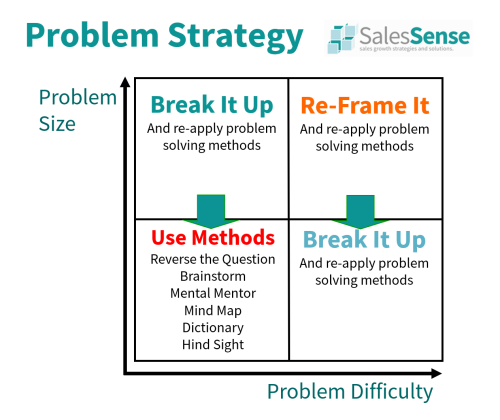
 https://m.youtube.com/watch?v=jOUS66-Qje4





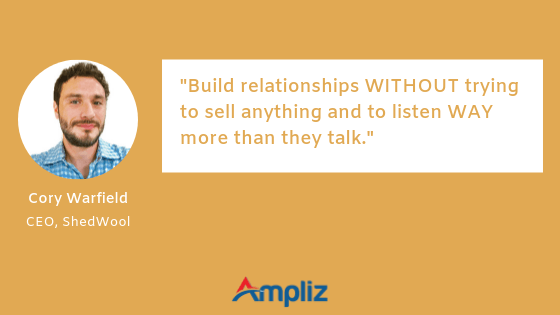


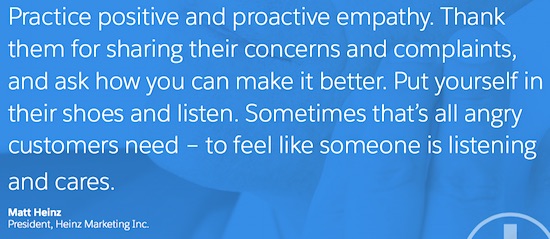


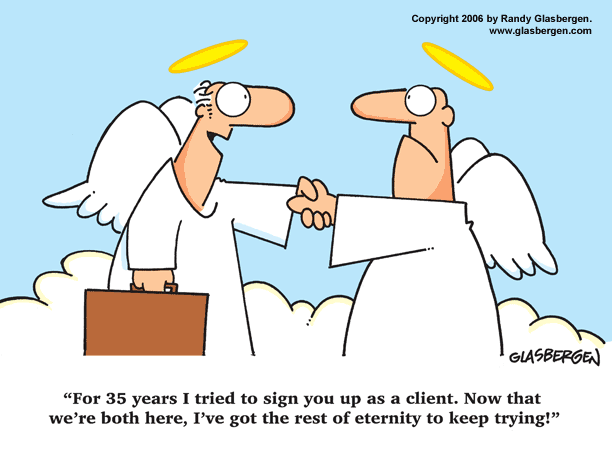


 Jimmy's Internet Marketing Business Blog