我叫 Eiji, 有个可以解决这种问题的简便方法, My name is Eiji and there’s a handy and simple solution: 叫做联合登陆 To this issue called federated login 联合登陆意味着用户 Federated login means that user authenticates 可以用第三方身份进行认证 Using a third party identity, usually 一般不用再输入证书或配置文件信息了 Without reentering credentials or profile information, Google 登陆是, Google 在联合登陆上的一次尝试 Google Sign In is Google’s take on federated login, 它可以让你尽可能简单的去实现 And is designed to be as easy as possible for you to implement 并且方便用户登陆 And for users to sign in 让我们看看它的工作原理 Let’s see how it works: 这是个登陆按钮 Here’s the sign in button 用户点击后, 出现一个登陆窗口, When the user taps on it, a sign in window appears 用户选择一个账户 The user chooses an account and then signs 如果还未登陆就进行登陆 In if he is not signed in already 用户允许访问配置文件信息 The user allows access to profile information, 现在弹出的窗口关闭了, 用户登录成功, Now the pop-up window closes and the user is signed in 要注意的是 当前应用请求用户权限的最好方法 Notice that the current best practice for asking permissions 是增加它的权限 Is incremental authorization 这意味着与其在登陆同时请求用户权限 This means that, rather than signing in and requesting user 你不如直接登录 Permissions at the same time, you should first 并且只在需要的时候 Sign your user in and request for permissions only when they 请求权限 Are needed, 想了解更多详细内容, 还请看我关于权限的视频, Check out my authorization article for further details on this 现在让我们看看如何轻松 Now, let’s take a look at how to implement Google 实现 Google 登陆 Sign-In in just a few steps: 首先 前往, Google, 开发者控制台 First, head over to Google Developers Console 创建一个工程 添加证书 Create a project add a credential 配置一个同意屏幕 再创建一个客户 ID Configure a consent screen and create a client ID 在, HTML 中 用 meta, 标签把客户 ID 添加到 head 当中, In HTML add the client ID to the head section using metatag 之后加载 api.
Js Then load api.Js 它是, Google, Javascript 库的核心 This is the core of Google JavaScript library, 加载完 api.Js 调用 gapi.Load 方法 When api.Js is loaded, call gapi.Load, 导入, auth2, 模块来启用, Google, 登陆 To import auth2 module to enable Google Sign-In 再调用 gpi.Auth2.Init 方法进行初始化 Then call gapi.Auth2.Init to initialize 一旦这些都完成了 你也就准备好了 Once these are done, you are ready, 下一步是生成一个登陆 button The next step is to render a sign in button 最常见的做法就是采用传统的 button.
The most generic option to do this is to use a custom button. 可以用标准 CSS, 在, HTML 标签中设计 button. Put an HTML tag and use regular CSS to design the button 别忘了看我们关于 button 的设计指南 Don’t forget to read our guidelines for designing the button 你还会在同一文档中发现 button 的资源文件 You also find the button assets in the same doc: 添加一个事件监听器 这样在点击 button 时就会进行登陆 Add an event listener and invoke sign-in when the button is pressed.
登陆功能会返回一个, Google, 用户对象 The sign-in function returns, a Google user object, 可以用它得到基本配置文件信息 例如姓名 Use it to get basic profile information such as username, 电子邮件, 以及用户头像, Email and the profile image 最终 用户调用, signOut 方法就可以登出了 Finally, users can sign out simply by calling signOut 了解更详细的工作过程 可以回顾我们的样例代码 Review our sample code here for a more detailed work through 好了 Ok.
这就是用 Google 登陆进行认证的基本内容 This was the basis of authentication using Google Sign-In 但是涉及到服务器时又该怎么做呢 But what do you do if there’s a server involved, 或者如何以用户身份访问 Google, API, Or how would you access the Google APIs on behalf of the user, 我会在接下来的 I will talk about these workflows, 系列视频中讲讲这些工作流程 In the following articles in this series, 感谢您的收看 我们下期再会 Thank you for stopping by and stay tuned [ MUSIC PLAYING ]
That will devour our souls eventually hungrily. Happily, for this is nothing we start as nothing and we will end as nothing, but for what will some will call a brief shining moment. There is something which is that that points out I, like you, have you okay, prove it we’re just talking about Soros Warren from Morton Condon’s.
Remember! Well, yeah. I mean we’re here at outlaw moon talking about sorrow, sworn on web DM. Let’s uh, let’s inject! Some feels feels or feel feel sorry and our in our game, big loads. The Saros warned let’s get into where they come from, and Morton Tynan’s right, I’m not sure if they appeared in fourth edition before they’re. Some of the monsters that appear in Morton kind in stone foes that seem to have been drawn from were inspired by some.
Fourth edition monster, so I’m not sure if that’s the case with Saros worn, but I like them because they have a strong theme. They really fit their environment very well of the shadow fell and their each one of mechanically interesting and do something different and unique. I think they kind of they sort of punch above their weight a little bit in terms of their CR, their their beefy monsters that have each room have like a gimmick or a trick as well.
They have something that is about how they attack or or the conditions under which they attack that, if you change those conditions, something changes with of the monster itself, so a lot of them will have something. That’s like okay, you know be angry. For instance, it’s like, if you don’t attack it, it’s weaker, it thrives on violence. If you don’t hit it we’re don’t attempt to hit it, then it will be weaker and and therefore less effective.
So what really drew me to them in the first place was the fact that they are essentially the the story of the shadow fell, embodied in a monster right and that’s what I love about them so much. You can tell that an encounter with one of these monsters is an event, and it’s not necessarily something that you just like randomly encounter yeah while you’re in this place. It’s an adventure, it’s it’s something that can last a while.
You know you want to show the shadow fell for what it is. It’s not dark. It’s very dreary, yeah! It’s going to SAP the the morale right out of your party, so you just start doing that as soon as somebody starts to be like. Oh, no, I don’t like this. You know you spoil their rations yeah, it’s a time, dilation yeah, whatever, whatever it is. Rather they start to get a little hungry. Maybe yeah yeah the plane itself responds to that right.
The you know you try to try to invoke that in your players and as soon as one of them latches on to it’s, like oh you’re, getting angry about this it are you yeah make a perception right. Yeah, I mean that’s, that’s sort of how that’s how you sort of imagined it. I think there are some questions and and sort of mechanical considerations that we can get to later around like how the encounter comes about, but just the whole.
The fiction of it is what I really like, because each one of these creatures represents a stage of emotional condition that you might reach. If you found yourself in the shadow fell, and you can imagine sort of a group that gets there and like you’re saying there law first, they get lost or just the isolation of the place. Maybe one of them, you know, is afflicted by some sort of short-term madness or flaw or something that kicks this whole thing off and then, if you’re, paying attention to sort of your your party and what they’re saying and things that they’re you know mentioning to each Other the table talking sort of using that as a guide for how the players are going, you can see how this would turn into a very organic and emergent encounter where it’s like.
Oh no, we lot we’re lost again. We botched that forage role to try to to feed ourselves or something now we are in this position where our negative emotions are starting to manifest monsters that attack us yeah and it’s the fact that there’s mortals in the shadow fell experiencing these things they’re experiencing anger. Frustration, they’re lost and hungry they’re miserable and all of these things start accumulating and piling up, and it every step of the way this realm that they’re in spawns another nightmare creature that that’s based off of this experience that they’re having.
If you think about it, like that, you can easily see an encounter with the Saros worn leading to a TPK. None of these monsters attack the party when they’re at their best, so you’re they’re, already sort of weakened they’re already at a disadvantage, and now one of these monsters that mechanically speaking, are brutish and kind of nasty and hit hard is going to attack them. This could easily become like a centerpiece for an expedition into the shadow fell or something like that, and it’s the promise of that and realizing that promise that makes these such interesting monsters yeah most.
Definitely, I think, a good place to draw some inspiration. Believe it’s in the Legend of Korra mm-hmm, one of the characters gets lost in the spear right and when you get lost in the spirit realm, you go to this place and it’s the fog of the lost or what are the valley of the lost or something. As they’re all lost spirits go and then, if you go in there looking for someone guess what yeah you’re going to get lost too and you’re just kind of attacked by all the things that haunted you in life, yeah yeah.
But I don’t know when I’m reading through this, like my mind, goes right. There yeah, you could almost see these creatures, not as physical manifestations but as purely like psychic manifestations, and you would use the monster as a way to simulate that encounter. But you could easily have it like yeah there’s this big fight, but nothing’s happening it’s just like your companion is just sitting there catatonic, while in their mind they are battling with the lonely to try to keep.
You know to try to prevent this sort of despair from sinking in. You could almost see like losing a battle against. One of these, like makes the situation worse for that character right. So, okay, I’m lost right, like I’ve. Gotten us lost where there’s no one here who can save us hopelessly out of our depths, and now your leader is all of a sudden just finds themselves spacing and and not thinking about it and and wandering in weird directions.
It’s because the lost has taken over their mind and is trying to attack them all of that simulated by safe, combat that takes place. There’s a lot of different ways. You can use these monsters in that respect, to kind of get this feel for her and this place sucks like it’s the shadow. Oh, it’s the it’s, the upside down. It’s the realm of Shadows. It’s the it’s terrible right like you, don’t want to have to spend any time here, yeah and if you do, you might find yourself a little angry.
Oh yeah run down these guys all right. All right, let’s run down um like I do, love the the idea of like putting them kind of in a certain order. Yeah you starting to feel a little lonely. Then you realize you’re lost yep. Then you might get a little angry mm-hmm or now you would get hungry. First, you hungry and you’re. Just like you’re, truly wretched. I think you’re just wretched yeah I mean that’s.
What is right? It’s the story of the shadow fellas that you go there to find someone right. You go there to rescue someone. You go there to retrieve something like there’s all different reasons. Why you adventure there, you can see how these creatures would form based on what you’re describing first, you get lost, now you’re hungry and then you’re eventually going to get lonely and angry and scared, and now you’re, just miserable and wretched, walking through them.
The angry comes about because you’re in the shadow fell and you experience anger frustration. You know your avenues of effective action have been cut off or you know you are just overcome with a negative emotion of the place and fed up with. You know the fact that all of your party members seem to be apathetic and unable to like just push one more mile, just get us to that. You know: we’ve got to get to where we’re going.
We’ve got to retrieve that thing. That’s when angry shows up and is ready to just like charge into the middle of a biggest knot of big ass fighters. It can find and thrive off of off of the violence there yeah because I mean they they’re beefy yeah. They have a big si. Si they’ve got a lot of hip right and they hit pretty damn hard. They hit pretty hard and if you’re, fighting back against that they’re going to hit harder, and it’s going to be a lot worse as opposed to.
If you were using like spells to force them to be, you know to restrain them or something like that or taking the dodge action and leaving in my mind, if I were running the encounter, gets like a solo, angry kind of character you know encounter, then it Might be like yeah if you guys spent three rounds, not attacking it at all and dodging disengaging leaving then it might, it might leave you alone.
It might stalk off to go, find something else, start singing songs and dancing right. You know, calm. Emotions spell that would probably be useful in situation, but it’s not sort of like the angry. The hungry is another. You know your your. Your rations have spoiled you’ve lost them, or you know you turns out all along. You forgot to bring them in the first place, something like that. Then the hungry is the that manifestation it comes out of the desperation of we don’t have enough to eat.
What are we going? Do it’s already occurred after you’ve had a battle against they lost or the lonely, or something like that. The Hungary hits when you’re at your weakest. It’s it’s there. When you, you know, you desperately need a long rest or you need something, and I think that’s when hungry hits and you can even look at it as not like physical hunger either. You could almost say it’s like just.
It devours it’s there to consume using that as sort of its basis. It’s any time you need something hungry shows up to take devour what little you have left yeah. That kind of thing yeah that drive and ambition that I think for me, the lonely is, is a is a fun. One is actually the only one I’m used in in play before I use the lonely as a template for a pain, elemental, a psychic manifestation of pain and torture.
Was it guarded a torture chamber? Basically, so of course, you have long pain, elemental in the middle of a torture chamber, but you know it wants to be up close and personal with with the enemy riling, get as many of the enemy around it as possible and focus in on those characters who Feel socially isolated, yeah right! So if you have say a group of adventurers and there’s like one human and everybody else is like all whether it’s sort of like fantastical races or something like that – maybe it hones in on the human because they feel that sense of of social isolation or you Roll on that table for the shadow fell that gives you, like, I say, a short-term madness, or something like that despair might be another one that does it well touch on.
I think later about the fact that, because these are all takete off of emotions, a lot of this is like how your players will play their character right like if you have players who are role-playing, the depths of their characters and all the different. You know emotional states that they might have. This is their going to be easier monsters to work in as opposed to those players who, just like, don’t really get into their character that much or those who sort of like never put themselves in a disadvantaged situation because they’re just that’s just not the kind of Player that they are well guess we’ll talk about some tips and tricks for that later.
But it’s worth mentioning here that so many of these monsters rely on your character having these negative emotions, which means you have to have a player who’s willing to think about those things and sitter them and work them into their portrayal. But coming back to the lonely, they, they are probably one of my favorites, because that harpoon arm and they you know the the psychic leach they’re, just a nasty monster at the fight, the psychic bleach and the whole thriving and company.
Oh yeah, all of the monsters in the Saros warner like this, but the lonely, especially because they’re, the first one I used in combat. There was first time that I really saw the potential for these monsters and the fact that they have so many unique mechanical abilities and they sort of like have some synergy with each other, but they also seem like they present monsters. That would be a unique experience in a unique fight once you figure out the trick to them – probably not so much, but how many times you’re going to be running around the shadow fell in fighting one of these in the first place like you might only use These monsters once in an entire campaign, and so in that respect they have a memorable.
They have memorable sets of abilities that will make for a memorable encounter last two are lost and wretched lost is sort of that panic that anxiety. That fear. Oh, my god, I don’t know where I am what’s going on. I can’t find my way back. You know now this you know grotesque creature with these four extra limbs you know, will reflexively harm the creature, that’s grappling if someone tries to free it or attack it and see one of these like just running out and trying to grab ahold of a week or Party member and just like flee back into the you know, to isolate, to separate them and make things worse for them and then, like on.
All of these encounters you’ve got wretched, who are just these swarms of latching lamprey, like yeah little beasts that company there are larger brethren well and also what I love about the wretched is that it specifically says that they just attach it’s not a grapple right now. Granular or not grapple, I’m just hanging on to you yeah, I’m going Auto damage, yeah the more of thems, but I mean like they are little kind of weaklings and what we are ball could take sure right right, but they’re going to swarm her right.
On top of you, they’re right on top of you if they get a round or two with even a beefy party member, and you get a few hits in there because they do have their pack, they have pack tactic so they’re getting advantage. So all they need to do is makes make make contact you’re. Looking at you know, three or four, these things now you’re taking 40 10 plus four right on top of probably having to deal with another one of the Saros worn and that that’s in there, and particularly one of the ones, that’s like that benefits greatly from have From there being others around them, or from being like up close and personal like say the hungry or the angry or the lonely, I think it could be a really nasty fight and I think we’re starting to see monsters now that the CR system might start to Work with them because they hit harder, they they they have more things that they can do.
They present a bigger tactical challenge to the party that you might kind of see like yeah like these are not particularly high CR monsters right, but by the time that the party’s going to be facing them regularly. That means they’ve got access to the shadow fell. They can travel there, they’re, probably going to be a bit higher level, so they’re monsters that you can use that you wouldn’t not might think like.
I don’t know that I would use these. They seem weak for a party that can travel to the shadow fell and do a lot of stuff, but no, I think they hit harder than then they’re. Cr suggests and there’s synergy with their abilities. That would present a challenging fight and I hope we see more monsters like them yeah a future and the fact that most of them have like an auto grapple basic sure. They’ve got something if they hit you you or grappled yeah yeah.
That’s a big deal. There’s the loss, the lonely there and the hungry each have that hungry. Of course, has it restrained yeah things like the damage riders things that happen either automatically that then the player has to take an action to get out of or to do a save, like all of those things make for a more dynamic fight, a more challenging fight And then, if you start thinking about how they might like fit together into combinations, not just the wretched and another one of the sorrow, swarm but say, hangry fight, fighting, hungry and angry at the same time, fighting lost in lonely yeah right because, especially because you’ve got One monster who wants to be up close and personal with the party animal and has got like, say one of them: harpooned they’re dealing the leech damage, whereas the lost is over.
There try to separate one of the other members out of the pack to take say someone with a low strength or a low athletics and grappling them yeah and walk. You know, dragging them away, kicking and screaming. Oh you tried to rescue them. I’m just going to do extra damage to to the person now yeah yeah, that’s where the the lonely competeing gauged the fight the group of Fighters sure was following back while the lost comes in and tries to take away the support, casters and things like that.
Yeah, all while packs of wretches just make life miserable for everyone else, you could see it being a desperate fight, particularly if you allow these monsters to appear organically in your game. Now I think you’re going to have to do things to make that happen, make the conditions under which the Saros one would appear you’re going to have to massage that, because when was the last time, your party was lost.
When was the last time, they were lonely. When was the last time, they were hungry or angry without either you needing to do something to provoke those conditions or you’ve just got like awesome role: players who are willing to go like yeah, my characters just fed up and mad, and you know angry with you Or storms off by themselves, or does something that you would yell at a person in a horror movie for doing right like okay, the shadow fell back yeah if you’re in the shadow fell you’re in a horror movie right, like that’s just sort of how it is.
You know break up the party right, so maybe you take that dmg section on the shadow fell and you rework that table the table. That only has like three or so what was false, you and extra. Maybe it’s it is rations spoiling. Maybe it is, you know, intense feelings of isolation or loneliness goes without saying, or maybe it doesn’t go without saying, and we should explicitly say that if you’re going to play with these kinds of things to know your party know the people you’re playing with, and if You do, and you think, like hey everybody’s, going to be fine with this.
We good but you’re, dealing with creatures that are like manifestations in the game, world of real life, things, people struggle with and deal with, and then that wear them down and grind them down and make life just difficult for them. So it’s worth talking about that. Yeah you’re not well connected enough with your party already to kind of be able to anticipate what might just be like yeah they’re not going to have a good time dealing with the monster.
That’s basically like depression, yeah or maybe they would – and that’s a you know like a would be an interesting or enlightening thing for them. Yeah well yeah. I can totally see like the depression overlords, sending his minions. Angry hungry lost, lovely, wretched, yeah after the party yeah. Definitely hasn’t even brought in his right. Yeah seems like an incomplete list. Yes, Iitate needs to be a monster that never attack is ever directly yeah, but it always just offers D.
Buffs yeah gives you disadvantage on things like that it, whenever does. It am always forgets to do it. Yeah just has like a bunch of like or effects, and so it’s just something you can kind of throw in there. Almost like a like a like a like a shaman Toto burst yeah yeah yeah, it’s just battlefield. It’s like an invisible presence yeah for it, so first off really understanding how the rules for getting lost work, how the rules for foraging work, those both in the Dungeon Master’s guide and a player’s hand book, making sure that you understand how those work and how you’re Going to use them in this journey through the shadow fell.
If you want these creatures to emerge organically through play and you’re, not just going to say, like hey, you guys find yourselves in the situation in which you experience these things. Here’s the monster we’re going to have a fight. You know it’s DC 20 survival check to find food in an in an environment in which you wouldn’t otherwise normally be able to find food. The shadow fell, certainly to me, qualifies as a place where there’s not a lot of abundant options to eat.
You know this is one of those things where, if you have a ranger in the party or someone else who, like literally can’t get lost or has or is meant for this kind of exploration, then named Outlanders right, you need to do something. You need to stack. The deck against the players or find a way to undermine their abilities this one time and the fact that they’re on a different plane, the fact that there’s somewhere else it’s different.
This is the underworld, the realm of shadow, the in-between. You know you can say yeah. This doesn’t work like other places. It doesn’t follow normal, like rational geography, right you’re, going to you’re going to turn a corner in a matter. It’s a matter of perspective. Oh that looks like a valley. No, no! It’s not a valley. It’s just a ditch right, just looked that way right, because the shadow fell just messes with you in that regard, but on the shadow fill is also where the domains of dread are located place like burrow via and other things that you would find in Ravenloft.
So we’ve already got the established sort of like the mists of burrow via that confuse and entrap people like. Why isn’t this entire place, like that? This entire realm is designed to keep you here to trap you here. So why? Wouldn’t it because the spirits of the dead don’t provoke these kind of monsters that come about you know, yeah, maybe the the you know the the creatures and beings that live in the shadow fell can control the sorrows worn in some way they’re able to like mess With them or manipulate them, but they still need mortals coming there to generate these monsters to invoke them, yeah, yeah and then once invoked, they can be sentient to the Material Plane to you know: weak further havoc yeah.
Whatever you know, the hungry is a spirit of famine that sweeps through a region yeah. Now, of course, you might want to change the monsters up a bit, make them legendary, give them lair actions that currently yeah just make them make them harder. I just thought of another amazing reference: yeah Star Trek next generation skin of evil. The episode spoiler alert, but everybody should know this, but we’re yard dyes one of the times this.
Oh yeah yeah yeah right, you guys twice true yeah um, but the episode where she dies before it’s that this race of people shed their negative emotions and it distilled itself into a liquefied oily form. That’s on all of the anger and rage, yes of a society left over and like what, if that’s all the shadow fell, is well that’s right as you people die and pass onto the lands of the dead, those last impressions, the last thoughts they have get shed And left in this area, yeah eventually anger.
Angry, that’s a really good point because, like the outer realm, the realms outside of the prime material in a baseline D & D world, the things that you believe, the things that you need, the ideologies that you hold the sincerely held beliefs that you have are manifest Themselves in the outer Plains right, so how is the shadow feel not any different right, like think of all the kinds of messed up things your brain will make you believe, if you’re in the depths of one of these kind of negative emotions, all the weird iron Logic that that makes people despair and feel like there’s no way out of these situations.
They find themselves in like that’s what this monster represents. So how is that not also the shadow fell where these beliefs they’re toxic and poisonous, and not true, but they’re, still powerful. Then manifest here, then you know there’s all kinds of things you can. You can do with that kind of lore. If you, if you want to move away from the baseline, you know Saros, warn or perhaps the offspring of some civilization that found a way to remove these things for themselves, like you were saying yeah, they shed them.
Well now, there’s monsters in the world like how is that any better like because you couldn’t deal with your anger like cuz, you were tired of feeling lonely you feel like you can do so much more with a monster when you think about it. In those terms, it’s more than just an encounter, it’s more than you know, a tough fight. Now it’s a being in the world that has an impact on the world, there’s consequences for doing something for interacting with it or and it’s it’s the reason why monsters like the Saros Warren, just I can sit there just to think about them for hours and like I just there’s so much you can do yes, even just this little bit, that’s in the tomah photos, yeah and a DM can even you know if your players, maybe your players, aren’t the kind that want to get their feels on like that.
This is why you have NPCs right, yeah, exactly yeah, you know the NPC, because they would you find or they’re escorting through the shadow fell. Oh your mission, you got in there you hook into the shadow Kings dungeons. You broke this person out now you got it now. You got ta extract them right, that’s what the trapped there. Of course, I’ve been lonely for a while they’re kind of hungry. That’s why nobody escapes cuz the guards of his palace.
There an actual guards right there thesaurus for catasaurus, one like just thinking about that, I’m just like yeah yeah. These are really creepy monsters, they’re very surrealistic. Also like. Oh that’s what I like about them. It’s it’s it’s an element of just like, like they don’t all have to look the same. Most things just you know, oh they’re. Oh that’s what goblins sure sure sure there are some slight changes.
Yeah for me like I can see like the Saurus one. It’s like! Yes, this is a kind of a general template, but anything like this. Oh yeah, like the wretched like I see you know they run around or whatever they could just as easily be like little trimmer monsters. They can roll around and come up latch on. Do you, like these giant worms, yeah exactly they get easily like? I could see them being a lot of little things to me.
The the defining features like the there’s like they’re, like a lamprey mouth right, it’s the lace, the lamprey mouth or like the hungry. It’s their giant, mall yeah. Everything else is there going to be different every time it’s at the giant mall. You could also go like the opposite route and go like they call them. The angry yeah you bought like there’s only the one of them, the only the one, if there’s only the one of them, and that this is the one and it it manifests.
It will find you you will rather more likely you bring it into existence through. Being here like, why are why are you here? You brought your anger in here yeah, you brought your anger here. Why would you just so maybe like if you, if you are using like the shadow fell sort of lower, then maybe there are beings in the shadow fell they’re. Just like listen, you’re immortal you got ta get out like you are a ticking time bomb.
You will spawn monsters through the bad experiences that you’re going to have have here. It’s going to make life miserable for the rest of us, we’re just the debt right like we’re just like here in the spirit in the underworld just trying to have our afterlife and you’re over here, mortal like coming up in here and spawning all these monstrosity. Like get out of here with your emotions, get out of here with your intense feel feels your feels your you’re getting your you’re, getting your emotions everywhere.
Please contain yourself, you spilled some emotion on my foot and now I’m angry ready, yeah now and now it spreads and that’s kind of how it looks in thinking about him is campaign monsters. You do the same thing. What happens when the hungry is manifested? Is it it is just the spirit of it around here: just causes food to rod and be destroyed and they’re everybody’s. You know hungry and desperate, and that kind of thing, so a lot of possibility with the Saros worn there III hope to continue to use them.
But I just love: am I like every time I think about there’s a new stuff there’s the monster that keeps on giving. I love it head on over to patreon for our weekly podcast and so much more want to see us play. We’ve got games every week on Twitch, which we upload to our second YouTube blog web DM place. If you liked the article hit that subscribe button click, the bell give us a thumbs up and tell us in the comments.
Thanks for reading need to come up with the counterbalance to the sword. Oh yes, joy, joy, Oates, the joy, oh boys, right, yeah, fulfillment, fulfil happy satisfaction, satisfaction,
Hello, Chicago, a blue sky article productions are marketing. Articles will help you reach your goals. These are three key marketing tools. Our web articles, elevator pitch articles and webcast small business owners. Now you can have a powerful article online. Getting your article produced is just a call away call us now: at 8472, 959 555
Videos are truly an awesome way to get the point across. Any type of content from your business is important!
”, My guest is Dave. Crossland He’s the program manager For Google Fonts And today we’re Going to be talking about the state of web fonts –, what are they, how to use them? Effectively and what’s new, Let’s get started, [ MUSIC PLAYING ], So Dave. Thank you. For being here, My first question is: About why web fonts, What do they bring to a website? Beyond the standard fonts like Helvetica DAVE, CROSSLAND Well, Web fonts really express a certain kind of Feeling for organizations They express a brand And you can have a web Page without a article, but you can’t have a Web page without text You have to have fonts And so a brand at its core Would be like a logo, a color and a typeface or a font, And so web fonts bring The kind of rich design that we have in print Media to the web, RICK VISCOMI And according To the HTTP Archive nearly one third of Websites use a font from the Google Fonts API, So why are developers turning To the Google Fonts API DAVE CROSSLAND, I would say That Google Fonts is fast, easy and free And so on.
Our Analytics page we’ve clocked up over 22 trillion. Font views in total since the service Launched in 2010 – And I think that being on Google’s content, distribution networks, we benefit From cross-site caching, So when you visit the First website that uses a font like Roboto, it’s downloaded and you may see Some latency there, But then on all Subsequent websites, which use the font From Google Fonts, then it’s in a cache And loads instantly across the different websites, We also try and Make it really easy So the font’s API Abstracts, a lot of the complexities of web Font technology from you, So we serve different formats.
To different browsers, For example, with better Compression formats, like WOFF2, only the newer Browsers support those, And so we serve WOFF2 files. To those newer browsers And we serve other Formats to older browsers And then finally We make things free and we have a directory of Hundreds of choices which everybody can choose from Now, of course, if you Want a particular typeface, then it may not be Available in Google Fonts and you would go and license That font for your usage, But not everybody, has the Sophistication in design or the resources To license fonts And I think it’s important That everyone in the world is able to do typography, RICK VISCOMI, So I don’t Know if developers truly appreciate how complicated Web fonts are under the hood.
I got a taste of this when I Was at YouTube a few years ago, I helped change the Default font to Roboto, and it was not as easy as just Changing the font-family CSS style, There’s a lot you need to do to Make sure that it goes smoothly for the users and they Have a good experience, For example, like YouTube users, Are from all around the world, They have different languages. Different alphabets, What are some of the Things that developers need to be concerned about For an international audience, DAVE CROSSLAND International Users face a challenge because the file sizes Of fonts, for them can be larger than just For European languages Traditionally Google Fonts has done a kind of slicing of Fonts into language or writing system sets, So we might have, for example, Latin Latin Extended Cyrillic Cyrillic Extended Greek Greek, Extended and Vietnamese: That’s your current support for Roboto that’s used on YouTube.
We also support Other languages — Hebrew, Arabic, Thai, Many different Indian writing systems And the biggest Challenge has been for Chinese Japanese And Korean fonts, A typical font for Indian languages can maybe be two or three times Larger than a European font, But for East Asia it can Be a hundred times bigger And so we’ve been able to Use a number of technologies, for example WOFF2 Compression which is now a W3C standard this year, And also the @ font-face Css has a new aspect called unicode-range.
Unicode-Range allows us to Slice, the fonts into pieces, dynamically And the browser will Only download the pieces that it needs, So that means that We were able to slice a Chinese, Japanese or Korean Font into over a hundred slices And therefore the Latency of each slice is similar to your European font, This means that the experience Latency is much better And because the Slices are cached across different Domains then the font gets faster and faster To load over time, RICK VISCOMI Custom fonts have Also been used for icon fonts to show images And more recently, they’ve Been used for emoji as well, So we’re moving beyond just Text and on to these other ways that we’re using to communicate, But it’s not without its Own challenges, right, DAVE, CROSSLAND, That’s right! Font technologies are always Improving and evolving And the use of emoji as a kind Of special case of icon fonts is particularly interesting.
I think that there’s a Debate in the web development community about how To best approach this Using images for icons, whether That’s PNG or SVG vector images is –. There are some advantages there. One of the advantages To using icon fonts is that aligning icons with Text in labels is often is a common use case And getting the alignment Onto the baseline of text can be tricky when You’re dealing with two elements: — a text Element and a image element And so icon fonts can Play a good role there.
They also have good legacy. Support because obviously text systems work everywhere. Unfortunately, for Emoji and color fonts that’s a little bit. More complicated because there are Different color formats for different platforms, And so one font file needs To have a lot of data to support all of the Platforms at once And they can look different On different platforms, So yeah emoji as web fonts Is still I think, kind of — is a cutting-edge thing, But it can add.
Consistency – and I hope we see more developments – Of that in the future RICK VISCOMI And going Back to the Roboto at YouTube example: one Of the things I remembered that was kind of tricky Was when we would have font-weight bold in our styles, That would default to Weight 700 by the browser, But our designers decided that It looked best as weight 500, So we actually had to go back. And change all of our styles from font-weight, bold To font-weight 500 And it became kind Of a new way that we had to ingrain into Our style development, But there’s something new.
That’s Coming out called variable fonts, How would they help Address the situation, DAVE, CROSSLAND, Yeah Variable fonts can help a lot. It’s a very exciting. New technology, It’s part of the Opentype standard, which is the font format that that’s Widely supported in pretty much all platforms today And variations allows you To do runtime interpolation between different sort of styles, Or faces within a font family, So traditionally you would Have like a thin weight, a regular weight, a bold Weight and extra bold weight And in CSS you’ve only Had up to nine weights — 100 through 900 With variations, then you are Able to specify weight, 154 and dial in a very specific And dynamic weight You can animate these weight.
Changes using CSS animations And in CSS4 there’s more Direct support for this RICK VISCOMI So does that Mean that every font is now going to be able to be Completely customizable, Or are only a few fonts going To be eligible for this DAVE CROSSLAND Well, it is something that font developers Need to add to fonts, And so in that Way it breaks down the traditional wall between the Font maker and the font user And so variable Fonts create a kind of dialogue between the two, So as a font user, you Can customize the font, but only in ways which the Font maker has provided for, And so that means that you don’t Need to become a type designer yourself, but it means that you Have that flexibility that you didn’t have before And the variations are Not only for font weight, There’s, also font width, There’s slanting And there’s also optical size, And those are all part of The OpenType standard today Optical sizing, means that When you change your font size from 10 point to 70 Point then, the letter forms will actually react and Respond to that change, And so, as your font Size gets larger.
The letter forms will Become more elegant And as it gets smaller They can become more legible, more readable And there’s also all other kinds. Of variations, you can imagine, which aren’t part Of the standard and are specific to each font, Things like rounding and many creative options. Google Fonts is commissioned. To sort of experimental trial fonts from type designer David Berlow at Type Network.
The first is Decovar, which Has a lot of variations which are decorative so rounding Different kinds of serifs different kinds of Stroke patterns And this can be used as a Kind of graphical device, Because variations Can be animated, I think there’s a lot. Of potential there, The other typeface is Amstelvar And Amstelvar is A text typeface and it has a set Of parametric axes which go far beyond Just weight and width and into things like The ascender length descender length and A lot of variations which can be used together, To create more readable text, RICK VISCOMI, I’m Especially interested about variable fonts, We’re going to have to Have you back on the show once they’re a little Bit more established, Then we can talk about The state of them, But where could Developers go if they want to learn more about Any of these technologies DAVE CROSSLAND Microsoft Edge has on their developer site a Really good variable, fonts demo site That’s a great place to learn.
More about variable fonts, There’s also the Design.Google.Com/Fonts articles website, where the Google Fonts team publishes articles about type and Typography in collaboration with the Google Design team And then there’s Also material.Io, where you can get the Material Design, icons, font and learn more about Material Design guidelines, RICK VISCOMI, Well, there you go, The links are in The description so go check them out.
Share your web fonts stories. In the comments below Don’t forget to Like and subscribe so you can tune in For another episode of “, The State of the Web” Every other Wednesday, Thanks for reading and We’ll see you next time, [ MUSIC PLAYING ]
This episode is sponsored by world angle. The ultimate world building platform for GM’s and writers join over a hundred and fifty thousand diems and storytellers organize your world, create interactive maps and timelines. Prep your sessions with the campaign manager and run them with the digital DM screen all for free use, the voucher code web DM for up to 15 % off the guild membership, which offers tons more options, link and details in the description.
We’re also excited to announce the tower of power. Competition create your arcane sanctum on world anvil, and the writer of our favorite entry will win awesome prizes, including loot, straight from us more info in the description. Let’s pick out a place because you promised oh and we could build something special, let’s build our own little web DM arcane sanctum, oh okay, right yeah, sure the summer home can wait.
The idea of a mages tower yeah the tower in which a bearded wizard with their stars and moons hat and robe. You know retreats to to ponder the mysteries of the universe, pretty classic trope and fantasy right. You can’t change reality without doing a little bit of research and you got to have a place to do it place the hole to hang your head right towers feature heavily in in fairy tales and sort of myths and legends.
You know at some point they get mixed up with the archetype of the wizard, the caster, the the court Vizier yeah. You know that kind of thing and towers and magic and and the like, seem to go hand in hand and it’s one of those things where in your games and your home worlds, you know you might like you know, you know it’s a wizard’s tower or whatever You know you don’t put too much thought into it hand, wave it or really just kind of present, only one type of wizards tower.
Then thinking about your the sanctum sanctorum zuv, the world.The, the places of power that the caster’s retreat to to work their mighty magics. Those locations where supernatural forces come together and great and wondrous things are possible are a step above just the the lonely stone tower that has a crotchety old wizard. You know yeah, I mean why just make a regular tower when you can create a dim.
I plane in between the heartbeats of a yet to be born god, yes, yeah exactly, you might need that kind of space for the sort of magic that you’re working exactly majora see. You know a place where magic confers like rulership or authority, then maybe the the tower is a you know: a physical symbol of that, in the same way that, like castles, were in medieval Europe, a projection of power of physically imposing space.
That that says something about the person that lives there. That says something about their authority and their majesty and their magnitude. Someone call it a fallacy, oh sure, but you have the chance to imbue those things which, in our own world, were just symbolic with like real magic, a place that has power. You would construct something there to make use of that power. That confers something magical and has a long history in D & D right, birth right setting is a game where you know your ability to rule it be a you know.
A figure of authority is based on that certain type of magic. You can kind of take that and say well what, if it was, you know the ability to to work miracles and spells that you know gives anybody a reason to listen to you. Therefore, the places where they live and do their magic would be different than just something else. We’re thinking about. Well, let’s start talking about those places where they live and the first thing is going to be location, location location.
Where, where do you build this thing? Where, indeed, right, yeah and just any old Glen any old him yeah, I would say absolutely not right like in the same way that you know a castle, is strategically located to project power and and be physically imposing and also serve as a place of sanctuary. You might look at the magical, geography of your world and think I you know these are the locations where towers, sanctums, layers and other sorts of places, dwellings that your casters would inhabit that they’re going to be so, they might be say, planar confluences right.
We always talk about. You know the walls between worlds being thin or the the membrane of dimensions. That kind of the idea that the other world is just right there on the other side, maybe it’s a stretch of swamp where anyone can see goes the power of necromantic energy is strong there, because the link to the underworld is very close. It bleeds through into this world or any other number of other planes that could influence the prime aterial right.
Oh yes, I’m thinking like if you were at one of the absolute poles of the planet. If you could be right, there would be something very connected to either either the planes of order. I don’t know just that that kind of geographical symmetry hmm does your world have just regular ley lines, yeah just these these threads of energy, that that thread, the landscape. Right and they could be, they could be tied to the schools of magic right.
You could say, like yeah the ley lines, sort of enhance certain schools or certain types of spells, if you’re, using this sort of, like the spell tags that you know, certain online tools provide its are like ways to organize your magic in your world. Then you could say, like all summoning magic, maybe is enhanced by this particular type of ley line and therefore confluences of ley lines where it’s like summoning and divination and blasting and like those would be significant locations in your world and maybe they’re like fought over and Who has access to them and and which caster controls that location as a matter of politics and intrigue and backbiting yeah? And I mean anytime, you take you start investing.
You know investing something in real estate. You up the stakes of things and you you, you make enemies, people are going to be upset, that’s something that you took that’s denied to someone else, and so any number of places could be up for grabs. Also, in that same regard, you want to build a tower somewhere, and maybe you found a place that no other was it figured out right, but you are in the lands of this other Kingdom and you have to deal with more mundane territory alike.
No, no. I want to build a tower over here: yeah they’re, going to be able to see it, so you got a beseech the king or the landowner. Whoever and you know always her just the deed in exactly Riley or political concerns are like that right. You know you can’t just come here and build something you know, and so you can like complicate matters like that and then maybe having access to these places of power becomes a matter of geopolitics and just something that the kingdoms and nations of your world engage in And consider as their war aims and part of diplomacy, the world of razzle sin is much like this.
I sort of took a the idea of ley lines. It was like. Alright, there are these currents of magic over the world and some places say the island that razzle sin has her hut on is one such place. It masks. You know people in the same way that, like a non detection, spell, would and enhances illusions and things like that, while you’re on the island there’s an entire empire of mages who recognized this pattern across the world and began building cities and and places that they would Come together to work their magic and slowly over time, had a network of these, and instead of it being one that’s tied to say, the physical geography of the world and say, like I don’t know like the Roman Empire’s like frogs around the pond of the Mediterranean, Is one story and put it: this is more about the magical geography of the world and if you looked at it on a map, wouldn’t really wouldn’t really make sense, you’d be like man that part looks really difficult to defend or yeah.
Why in the world, would you all be clustered here, it’s all about the magic right and they have a continent spanning Empire based entirely on where the ley lines are or what happens when the magical confluence is like a thousand feet in the air right yeah? How do you get there? How do you build something energy, or do you have to talk to the cloud Giants now to like do a whole thing or there’s some air elementals, you can summon yeah.
Do you build a thousand-foot tower? The only part that’s magical is literally the very top it’s just. Everything else is just a really long way to get on the spot, but once you do it’s going to be epic right and maybe there’s like you know, stories and legends of all the attempts to make harnessing the power of this place work. You know this is the part where, as storytellers and game masters and world builders, we break out of the normal mold with these places, if you’re, using something like a game system to help create your world or or to present it, you have to abide by certain Rules sometimes, or it’s very least, you know, you’re expected to you know your players might say like oh well, you can’t always just make things up or or they want justifications for them.
Having places like this lets, you say like well, the normal rules don’t apply here. Something’s different and whether you’re not you’re, basing it on a planar cosmology that influences the place the past history of something maybe a you know. A tragedy occurred there and sorry types of magic now or more more heightened right. Oh yeah, like history of a place like an epic battle, I mean we already think you know.
I’m like you know that certain battlefields are haunted, but what, if they’re haunted with the vestiges of the magic that was used there? Oh god, I know. That’s a big part of land between two rivers, yeah literally the whole thing literally. The whole world is kind of like that, and so you have like living spells and and if it fits in, say the mourn, land and Eberron or would fit in a dark Sun. And it probably has a place in land between two rivers in there.
And those are places were magical, you know, devastation or just destruction has absolutely destroyed the place, and maybe your place of power is. It reflects that and a desolate wasteland, because it’s constantly wracked by violent elemental energies that scour you know the land or the opposite. It’s a verdant forest and then otherwise you know kind of lifeless place and maybe that signifies that there’s a link to say the Fae wild they’re spilling out yeah, I just filling out or like particularly fertile soil, because it’s coming straight from elemental earth.
And you know it’s full of its, you know whatever it is in your world that makes plants grow, you know, was the site a place where a great spell was once worked, and now it impacts the location, maybe a particularly hard-fought battle in your own campaign. That happens say it, you know mid-levels or something becomes one of these places and speaking of the lam 20 rivers, we had a character parish and battle there and where they were buried, has since become a place of peace and sanctuary in part, because of spells that Were cast when the character was buried there, but also because it just makes sense for the character and they were interviewed.
They were a tenth level druid when they died, that you don’t have that kind of power. Just doesn’t go away, it stays with you and it would influence the place so holy sites. Tombs may be. The graveyards of magicians are secret places because their magic doesn’t go anywhere, it stays with them and you you don’t want that just lying around, so you know all of these things. You can use to create a place of power and then like alter the rules of magic in your world, and that’s just the start of this, though right yeah, I mean you guys start ground up so now we start moving up or move down.
Maybe you want to go underground, but what is it what’s its purpose right? What are we doing here? Jim? You know, you found a location in your world. You know cliff tops with shrouded by fog and cloud and the violent energies of air and earth. You want to say experiment with some spells that deal with those conflicting elemental energies, and so you build a location there to experiment, or maybe you want to use those winds and, and you know, rock slides and the like as a deterrent.
You just want some peace and quiet. You know like what you want out of the location or what, rather, what the Creator wants out of it. It’s going to say a lot about how it’s built is this uh, the country villa of a court mage who you know likes the the peace and tranquility of this place, that it masks prying eyes? It just has a soothing effect on them, but it’s not a fortification. They’re not doing like in depth spell research here, but it is like the abode of a wizard or something like that.
So it’s magical in and of itself that’s very different than the sinister skull. Sorcerer, who you know weaves nekron, to rituals atop of the Obsidian tower. You know over the cliffs of acid kind of location, yeah, oh yeah, much different. My wizard would totally just wouldn’t build a tower on top of the peak just the peak of the mountain yeah. That’s all his tower. Yes, maybe like a dwarven wizard like that right right from the outside.
It doesn’t even look like anything suspicious, but the inside, if you were able to see it’s riddled with workshops and foundries and they’re all the rune smithing that they need to get up yes, building a race of atomic super dwarfs. Then we will rule the world that kind of cavern space yeah, it’s being tracked, so research, libraries, collective, you know we’re assuming a single occupant and you know creator.
But maybe this is like a cabal of mages or something yeah come together for a particular purpose and have built a structure for a particular purpose or a place like say, candlekeep right, like candlekeep in the Forgotten Realms, you could easily take that concept, move it to Your own and say like this is a magical library. The fact that it’s a magical library turns this entire location into a place of power, and you know clerics and priests of God them knowledge attend here and and getting entrance is a grueling and demanding task.
But once you’re here you have access to. You know the spirits of sages who still live here or or maybe you know you know the temple of the God of knowledge like they’ll. It will actually come down and talk to you and answer questions. It is a 7 a.M. Class that research papers do on Tuesday and day what you do with the place and how you present the structures. There’s going to tell a lot of the story that you want to tell and more importantly, like how it’s used.
You know if this is for a game you’re, creating an adventure location that your players can run around in it and potentially change things. So it’s worth thinking about like how is this place laid out? What’s the point of it all right, yeah just start with just an example: we’ve talked about before my character, air stadium, blinking, the diviner. We took that that castle in in the mirror mirror of dead man.
It was just an observatory with the telescope and it’s like my guy just had an existential crisis with killing people when he’s enough, when he’s a diviner so he’s like you know what this is place to sit down, put down some roots, right and and – and that Was perfect like it became his Wizards tower in our headquarters and it became all of those things like it: sort of organically grow. You like take over another location, which is another thing right, like you’re repurposing, a structure, that’s originally built for something and probably has been repurposed several times, yeah being able to like tell a story through how you present a location is a skill that you can learn As a dungeon master, because it’s a better way of doing it than just like info dumping – or you know like yeah, this place was great.
Here’s what you know about it through this spell or the sage versus letting them go there and discover and see how it you know all fits together like the second document in this place, made changes to it from its original function or something like that. It’s a way of showing, rather than telling and a way of like imparting a sense of wonder into location yeah. The big thing for me, with structures and and fantastical settings and worlds is this concept of sacred geometry, right of there being a type of architectural magic that you can engage in and if you think of of things like rune Smith’s and the like, then the idea Of objects being spells or spells being cast into objects.
It’s not that much of a stretch to then go like well. Why not buildings and if not buildings, then why not arrangements of buildings and, if, like a Magic Circle, if viewed from above, is an arrangement of certain glyphs and patterns, and you know in a certain way, then perhaps the buildings and walls and features of the landscape. That have been shaped could also make an arrangement that blogs similar magical energies.
And now you start thinking about the fact that say, the arrangement of rooms in the location might be a spell in and of itself yeah or the really weird Menino’s. Why or designed to disrupt spell magic right like the interior of the bar and the Dresden Files right, I forget his name now, but the way that the interior of this pub is laid back in alleys back in alleys right, he does first magic is first magic And perhaps there are you incorporate all of these things into your a place of power in that the entrance and places that need to be guarded are like magical baffles it just it’s just difficult to practice magic there because of the way everything’s laid out, but the Closer you get to the major sanctum magic becomes actually easier, more powerful and focused because this arrangement of walls with carefully embedded spells and runes and the materials that they’ve used to build it blog the magical energy to their.
You know casting chamber, which you know the air is electric with it, and all of those are, you know different ways to incorporate this idea of like the building as being a spell or being part of the magic of it, yeah just woven into it like Dresden’s. At the top of the hill in the island in the middle you can even reach, I think it calls it but yeah it was supposedly it’s it’s laid with spells and that’s what you’re going to want to do right.
I mean like you’re, going to be wanting to put your your. This is where you want to put your glyphs of warding. This is where you’re going to put all your your guards and wards. If you can get it. Yes, how you kind of lay out the the geography yeah but different Wizards are going to approach it different ways. Yes, we’ll get to that in a bit. Oh sure. Well, we’ve been talking about these casters yeah, but the spells are a part of the place, though right, because a lot of these spells are particularly we’re talking in a game like Dungeons and Dragons.
You know you cast them every day for a certain number time then become permanent until dispelled, and so, if you’ve got a place, that’s changed hands a few times that’s been or just like, been occupied by the same person for a long time. Then there might be old magic lying about spells that were laid a long time ago that have had time to wear and tear and fray or or even weirder things right like become self-aware dungeons of dragons.
It’s built on the idea of Van C and magic, which is that mad spells are living things that a caster traps in their mind. You know sort of like releases out into the world, then, if you follow that, then spells are wild things that you don’t just want to be leaving around unattended now all the time, so I you got to cast that thing every day, keep it in line. You might find that you know if your wizards tower arcane sanctum is, you know, abandoned that the magic has gone wild and frayed and coupled with the natural magic of the place, these spells that have been laid into the architecture and the the you know.
The entire structure of the place might behave differently, and might you know not work exactly the way say, Player’s Handbook spells work or something and like being something else entirely. Well, it could change the way that the people exploring it practice magic as well yeah, and – and maybe you could do a thing where you don’t have to cast at the entire amount of times to you know bring up to heal yeah.
But you know for a certain amount of time. Maybe you have to tend the spells. You know strictly like dodge the Dragons. The the counter spell mechanic is a good sort of benefit for this, like you just have a caster check right. You know it’s ten plus the spell level and just a quick caster check. Do you make it do not and and that’s a good way to sort of model that sort of difficulty. Otherwise, you know whatever system you’re using you can impose some kind of penalty or something, but I think it’s a good way to reinforce that these places are not normal and they’re, not just like a regular location, there’s something different about them, yeah and worthwhile.
Thinking about how magic and spells also fit into the structure of the place, don’t you yeah we talked about. You know how to build them, how how you’re going to build them? Sure, because also I mean hell, you can just build them with certain spells. Oh for one another thing worth mentioning yeah, you know that’s like the: what is it instant fortress or whatever you know, if you do that, there’s like you can literally just build your whole tower.
How you want it? Oh yeah you could like. Maybe the places get you summon the structure right like that. The whole point of being at this place is that you activate it and there’s like now the structure, the forms sort of around you is summoned into being yeah yeah. Well, you’re there, yes, yeah! Oh yeah, you got a little good disappearing structure. Oh yeah yeah, the Sun comes away, but you’re also going to want to populate that thing.
Right, yeah, I mean you know some wizards might be okay, with just being the only thing bubbling around there. Thirty storey tower sure, but generally there’s there’s usually there’s usually something moving around in the halls, doing things yeah their little homunculus and familiars. So you know in terms of like the inhabitants of the place. First of all, are they the original occupants? They are they supposed to be there.
Are they squatters or invaders, or something like that is in consideration, but, like, let’s assume they’re, you know they’re on purpose right brought there by the creator of it. Then it’s like. Are they guests? You know. Is this someone that the caster or mage has you know? I want you to be here and we’re going to talk about. You know something diplomatic or work on research together, maybe they’re a family member or something you can get really sort of weird.
With this and depending on how powerful the caster is, you might have like time lost guests or or creatures from other dimensions that are just like staying with the wizard as just as a friend or something like that, a lot of times, it’s fun, to incorporate like Extra planar creatures in this sense not as adversaries, not as part of a plot they have to you, know suss out, but just as color background uh, someone that they could interact with if they wanted to, but it’s not vital, and so they can approach the fantastical Elements sort of on their own, but it’s offered you know, yeah they’re, staying at the suppose, R star, because they’re like the getting diplomatic immunity or something from their dimension right yeah.
If they leave this tower they’re going to get taken back exactly right, it might be that these towers are the only places that extra planar creatures that otherwise butt heads with each other can come and speak civilly or maybe Wizards towers are known as as like neutral Ground, for you know the blood war or something like that where emissaries from this demon in this devil, you know just having a some tea right now or some angels name of chance, free dragon ante.
That’s one! Those those arguments were there willingly and and are represent potential friendly encounters with for the PCs but servants of the you know the master of the tower scene announcing both seen and unseen, both magical and non magical, and we start really kind of thinking about it. You could easily have an eclectic mix of conjured constructs that handle like the menial, labor and data tasks of the place and then, like highly-specialized, you know actual people who are there like.
Oh, yes, I I’m, you know, I take care of the wards. It’s my job to attend to the warding glyphs and the like, or it was beautiful right. You know like any of the phones going to really like mine this for some silly stuff. You can look at like the court of Louis, the 14th or some of the other Louie’s before they all got there had to cut off, and this and sort of see like this is the person who opens this particular door for the king or wipes his bum.
With this particular cloth and yeah, you can really get silly with the amount of servants that a caster might have, because maybe they’re, incredibly powerful old beyond anyone’s. You know, understanding and you know, collected these sorts of servants. Definitely an on-site tailor. Maybe there’s a huntsman, a groundskeeper master-at-arms, someone that attends to all the magical beasts that they’ve collected, who else is going to feed the Griffins or deal with the pet giant that we have out back that kind of thing yeah the master-at-arms would be like the smallest.
Whatever it was, yeah little creature they’re a little busier yeah. Definitely like a quicklink, oh yeah, you go quickly. Those are people who are, there will say mostly willingly mostly willing right. You might also have summoned creatures who are bound to the place either in. Like a summoning circle or proper cage, or maybe just like they can’t leave the grounds, perhaps the the arcane sanctum is literally a sanctuary of some kind, for you know conjured creatures who are unable to get back home, and you know you can’t just have them running Around so these mages, you know they just let them live here.
They’re, fine, but too much time away from their home has made them a little crazy. Let’s not talk to them and and you’re. You know you’re there more as caretakers, then you know like proper mages. All of those things you can feature in there and are again ways to impart information to the party. You know they stumble across. You know a hemisphere of Darkness brightly glowing runes around the outside of it.
They know that they found some kind of creature that doesn’t want to be disturbed being bound in a summoning circle, but who’s to say they can’t just have a chat, a friendly conversation with it yeah yeah. What could go wrong? Just take that moto dust over there and lay it over the rune, you know what’ll be the wiser. You know that kind of power, Jim yeah. It brings up a concept in in in role-playing games that I like, which is the the nega dungeon, the the type of dungeon that you go into and the normal things that you would do in a dungeon taking things killing monsters rummaging around yeah.
It’s going to get you not just it’s going to be bad for you personally, but also for the setting yeah. And so I like the idea of putting very powerful creatures bound in like summoning circles or magical prisons and the like, and just putting them in the path of the players and being like you could let them out. If you wanted they’re, certainly going to do everything they can to trick you into letting them out it’s a fun thing to put in there along with maybe more mundane prisoners.
You know, maybe that’s where the Kings nephew got up to yeah. Oh he’s off at boarding, school, honey, don’t write, and so any number of say, political prisoners, inconvenient family members. You know exiles from foreign lands. All of them could be found in the dungeons of prisons of places like this, because who else to take care of these people, but these mages yeah for price right sure not just inhabitants, but like the particularly contents of things, the objects that you might find there.
There’s probably meditation chamber summoning rooms, ritual magic chambers, you might have all kinds of odd guest quarters, depending on st eries beastie Ares and those four more aquatic persuasions. You know an aviary of some kind for different Flyers that you might know hosts there. Well, I’m seeing a sanctimonious now if you go to earth you know, and in the middle is all the mages that built the place, looks were like a node type structure that could be like you could have that because they’re studying the different elements and now and What began is like a research and observation location became a place where the creatures from these other planes, like made first contact as I’m kind and maintained.
You know like an ambassador sort of relationship there or something there’s a lot of different ways to play. It out. Great big summoning, like rooms where there’s gigantic, you know creatures that are in the midst of moving between worlds and it takes a while right. It’s going to take a week to bring this behemoth over from where it is, but we need it trust me. We don’t mess with it totally be worth.
It trust me, libraries of all sorts of outlandish and strange books, both forbidden and and otherwise that’s just that’s like the magical, fantastical stuff there’s you know more mundane pantries and kitchens and rooms and halls, and things like that. Fine, so it’s a place that can really come to life and, depending on whether it’s like an active, like you know, the original inhabitants are there they’re fulfilling the purposes of these structures, kind of thing or it’s, an old ruined place with the ghosts of the inhabitants And old spells that haunt the halls and no one’s been here in ages, and what are we doing here again like it really can really tell an interesting story with that and and really contribute to your world and then, like showcase, what makes it unique, there’s someone We left out yeah yeah, the man at the top.
The whole reason that this tower, the sanctum has been built who’s building this thing like, and what are they going to build? What are they going to build? It’s obviously going to be determined by who’s who’s building. It diviner is going to build a much different tower than a than an Evoque er or an abjad, certainly certainly so. The mage themselves are is a big factor in a lot of this and when you’re thinking about these things, you know, maybe the mage is the first thing that kind of pops up, but you know the personality of the caster, how they wield magic.
Are they a very demanding, iron-willed kind of figure, or they you know a motive and and freewheeling in their magic and and their discipline right, like all of that, is going to factor into what kind of place this is? Is it the abode of a long-lived, caster or one more shorter lived? Maybe someone who practiced a particular kind of magic that was unique to them. That’s colored the place or a one, that’s maybe more common and widespread, and therefore this location is quite coveted.
Are they still there or are they gone, and for what reason would they be gone? All of those things can help. You both determine what you want to do with this location once you’ve actually created it, because, presumably you know you’re not just thinking all this stuff up for the hell of it. It’s going to be either interacted with with players you’re going to present it. It’s part of your world, and so thinking through all of this as a way to like really add depth to these places and get them interested in exploring them, because poking your head around in this, this location is what makes the whole thing fun right.
Oh, it totally is, and I mean, and not only that, but everything we’re talking about here. Eventually, one of those players who’s a caster – is going to want to build a little bit of a sanctum of their own one day and settle down. Oh sure, it’s a unique one over themselves, but but you know all this information is is: is there for them as well? So you can. You can build the best sanctum that you can have the best thing to it.
It’s worth sort of thinking about, like as you’re presenting these things as game elements, that there is a there’s, a breakpoint somewhere for your group, where the outlandish bizarre kind of things or the the depth and layers of traps and wards and guards and Guardians that you’ve Put on can be like go from fun to frustrating rarely very quickly and and and you know, as you’re, creating these things, you’re sort of like a dungeon master or a world builder and you’re like oh man.
Of course it would have this and that and oh my god, it wouldn’t be impossible to break into, and oh this is the perfect setting like thinking about it in terms of its playability of whether or not the play set and what we’ve created is it’s conducive To play something that you really should think about, because often times you create things in a war old, and it isn’t until you present them to the players that you realize, like oh wait, a minute that seemed that was like fun.
When I was thinking about it and like oh yeah, this wizard is awesome like you’re, never going to get the drop on them and then like three hours into a session, the party feels stumping you’re like oh I’m sorry about that. I’m pretty sure today, with my story, bound crew with the glyph checkerboard on the glyph chair, where they got through that. But when you got to the the stillborn neo key that exists both in the ethereal and the prime material all right around on the web of thoughts that are in the room and basically project your worst like the most hated enemy.
So you attack it, but the whole thing is it’s a psychic thing, so the second you attack it. You take the same amount of damage until you figure out like oh no, I need to be jumping through the fog to whatever is back 20-feet back, not the thing. That’s right in front of me: yeah yeah ooh, so you get like at a moment where players are just you’ll, get a player, a revolt eventually well, they finally figured out and we’re toss bottle.
Finally, like he’s like wait a minute, I think it’s over there misty stepped and saw it something a tiny miyagi thing, and you know so that once I figured it out, but it was just like yeah, it’s a fine line. Right, like you, have to really know your group, and sometimes it might take a long time of playing together to figure out where that line is and and even then, even if you’ve been playing with people for years where that line is in a given night is Changes right, I think it’s just worth considering, because it I know for myself, I you know in designing these things for all the different games that have played over the years.
There have been plenty of times, nothing like all right after the sixth wall of force comes down and traps the party in to eat, and you know you’re just like wait a second. No, you can let your imagination run wild to the point where it’s no longer a thing to be played with and interacted with, yeah, and I think, keeping those things in mind like it’s fun, to think of all the fantastical things you can do, but we’re always Remembering that, when you’re talking about a game, these are meant to be interacted with meant to be played with and and explored poked around and looked at, maybe not without consequence.
Then that’s a good way to make sure that you’re going to stay on that side of interesting and fun and if you start toeing the line up into frustration, there’s ways that you can scale that back yeah and you know – or you know, every time, your players Just like aha moment comes through and it goes from frustrating to fun right. You know it’s a part of the nature of the game, but yeah, but but the big thing is to never forget that these are opportunities to enrich your world with, with with the magical with the fantastical – and you know – hopefully they go poking around in your in Your sanctum, yes, have a great time head on over to patreon for our weekly podcast and so much more web DM is also on Twitch with three weekly games, which we upload to web DM plays our second youtube champion, I’m familiar with the concept of like AI Gods and people interpreting technical processes as spells and rituals, not particularly gene Wolfe’s series, although I know that the the new Sun series is, you know like heavily inspired new manera and some other kind of science fantasy stuff.
I think my favorite interation of it is probably in you know, weird module the anomalous subsurface environment, where it’s like these orbital gods and AI platforms, communicate with priests down on the ground through like monitors and things like that and that’s how they sort of interpret their Their signs I had a setting that I never used. I developed it for awhile parts of it made it into lamb, 22 rivers, but I never ran a game in it where it was like part of an intergalactic civilization right and it’s like a pleasure planet or something like that, and it goes dark.
The whatever intergalactic networks of communication travel it was, it was a part of disintegrate, and it’s just by itself. Oh there’s like shades of tech ml if you’re familiar with that one, but this one was distinctly like there’s they’re these AI, that orbit the planet in satellites and now they’re cut off from their other AI, and they slowly descend into madness and insanity. Just because they don’t get the regular updates – and you know those kinds of things zero here – one there uh-huh and and like you know the the people who were able to communicate with – and you know, interact with those satellites.
You know they’ve controlled, like the weather on the planet. They controlled all these kinds of things. Oh yeah, when Raisa went dark, it was never pretty, it was never pretty, and so they had they had them like sort of embedded in them and as sort of like machines that were in them. So it would appear as spell-casting, but it would, but you know, wouldn’t be it’s just accessing the program codes of these a eyes that control various things through super science, some things so yeah.
I like that that you know that setup. It’s very very fun, pretty sure there was a original series episode about that. Not only a Futurama episode. Definitely a Futurama episode. Yeah do like 40 KS. That way, right, like what’s a machine spirit other than an AI right, like that’s how I see the Machine spirit they are. I know that in 40 ka I are like you know heresy, but I just feel like they’re, probably too stupid to realize that they’re surrounded by AI.
It’s really only these few that they, you know whatever all Aerotech so
So here’s a search result and a series of search results. Anyways, and you can see the top three right here. The first thing to notice is this big link that everyone clicks on the content inside here is the title tag of your HTML file. So if I have an empty HTML file right here, whatever you type in between the title tags here shows up right here.
So that’s a very important section for keywords: it’s the section that most people read not too many people actually read the description underneath. But the title here is extremely important because that’s what people see as well as Google uses the keywords from the title when displaying search results. Another thing that’s important to our website is this description. Underneath here this description can come from one of two places: either the Meta Description tag in our HTML, so we could have a tag like this at a name equals description and content equals whatever and put a small description in here.
So this will either come from that tag or it will come from the first paragraph on your page, so it will come from here now, there’s no way for us to tell Google which to choose either the first paragraph or the Meta Description. Google just figures out whichever one is more appropriate, whichever one is more targeted to humans and that’s what we’ll be choose chosen. So the description here and the title here, we have control over another place.
That Google looks for keywords, as you can see. Right here is the URL you’ll notice that the keyword, dinosaur or dime soars down here has been highlighted in the URL, showing you that the URL that you choose for your website actually impacts your search results. There’s a few other things right here. These links underneath the search results. We don’t really have any control over those Google figures out.
What links are important and shows them at the bottom, underneath the search results right here for this movie or this is the TV series. Actually, you can see there’s a rating, so it’s giving us a star rating and a numerical version and how many votes this information here is taken from the enhanced metadata supplied by the website and then we’ll look at that in future articles. So what we’re seeing here in the search results page is a few things.
The blue is the title. The green is the URL that we’ve chosen and you can see it’s matching keywords in that, and then this here is either the first paragraph on the site or the meta description. So that’s where Google gets the content to display in its search results page and the same thing applies to other search engines like DuckDuckGo and Bing. So the same sort of techniques are applied for those also
Do we really need to bring in creating gods there, too? The existence of a pantheon of gods and fantasy role-playing is one of those things that I find very bizarre personally, because the Pantheon’s that are created for these fantasy role-playing games very rarely resemble the pantheon like pantheon of deities that we can point to in in.
Like Earth’s own, religious history, where the gods are intimately tied to some sort of mythology or something and very closely connected with each other and there’s all these stories about them that that tied them together well, yeah I mean you, know: Athena busting out of Zeus’s head And her daughter, blinded and it’s all very interconnected, like almost like familial there’s that there’s the whole like the world is a rotting carcass and the animals and monsters and gods come out of it.
That’s sort of like Norse mythology, as I as I understand it. At least but then you get to like Dungeons and Dragons and Dungeons and Dragons derived fantasy, which dungeons of dragons has been around long enough. Now that it has both influenced other genres, like iterations of fantasy role-playing, whether it’s tabletop or article games or whatever and then has in turn been influenced by those that it influenced first off.
So it’s sort of like having a conversation with itself and I think it is eating its own tail right and I think when some things are introduced into that and they’re not examined and they’re, not reimagined, then they just get regurgitate it ad nauseam to the point Where it’s like here’s another bog-standard, fantasy pantheon, which is just a collection of micro monotheism’s that have no weight to them, there’s not a faith, that’s necessary for your character to belong to and to practice and to engage with it’s just like this is the god of Fire and the goddess of the earth, and the god of whatever in commerce and whatever, and it’s just like it’s bloodless tooth gods and I frankly am tired of them.
And so I I it’s one of those things when I, when I see a fantasy setting, and it’s got yet another fantasy Pantheon, that’s like why did you even go to the trouble of making this up yourself like it’s nothing original about it, there’s nothing different about It it’s just the same thing, I’m talking strictly in like a published adventure type. You know I’m buying a campaign setting if it’s if it’s got another fantasy Pantheon in it, it’s a mark against it.
For me cuz, it’s like right. I don’t you, don’t even need to think to create up one of these. You just do it well yeah. I mean okay uh. What’s the what’s the the god of the Sun and morning’s a new beginning yeah, you know you’re just slapping a different face and a different name right on an already known concept, and that, while that is easy to do what are some different kind of schemes that You could at least draw from right, so, if you’re looking to freshen things up, you want something different.
My suggestion would be to first look outside of the Pantheon model of divinities polytheism right. It’s a polytheism that I find very bizarre and very little connection to the historical modes that I’m familiar with, and maybe for some people who are not steeped in like ancient religion and whatever else you know that they’ve spent way too much time reading about they don’t Care, you know, and in a bog-standard by-the-book kind of pantheon.
I do this when I’m like. I don’t want to think about it like this. My the point of this world is not to go in-depth about the gods or I’m going to let them come from the bottom up, in which case I will let the players take the lead on what kind of gods there are yeah. This show is a top-down approach, type show we’re talking of world building we’re talking crafting the deep backstory of your world that will inform your campaign, and so, in that sense it’s worth taking a look at the divinities and-and-and gods and the like that you have in Your setting and asking some real questions about them.
Why am I making the choices that I’m making? Is there something about the choices that I’m making that I’m just like going off of what was there before and if I’m doing that, then doing it because you’re conscious of it not because you’re, just like replicating the same mode of the pantheon of monotheism, the collection Of monotheistic religions that the most fantasy is, you could go like full-on straight monotheism, and this is one of those that I have personally found and at both, in my experience as a dungeon master and in reading about online, that it makes a lot of people uncomfortable.
That when you say there is one god in my setting, this is it. These are the powers associated with it. These are the social structures that are associated with it. This is the religion. That’s attached to it that when you do that, you number one your if you’re not creating an expansive enough monotheism, then you might be limiting character concepts for your players. They might be resentful of that.
There’s a whole real-world angle going on over here right, where people are just you know, maybe they’re uncomfortable with real world religions, they’re not familiar with it. They don’t like it they’re, irreligious or a religious or atheist or whatever stripe of non-religious participating. They are they just don’t want to have to deal with it. Right of monotheism is one that’s something to bring up in a session zero there or even before then it’s just like hey my setting has a you know monotheistic flavor, there’s one God.
You could go the other route like dual gods: sort of man, icky and dualism, where there’s one god and then an opposing God, whether that’s light and dark creation and destruction, good evil law chaos, whatever dichotomy you’re going for that, can be one that ties nicely in With a cosmic conflict of some kind, you know I’m thinking of something like middle-earth the main deity, that’s in middlee of middle-earth, aloo, guitar and nel, cuore and worn off, and all the other sort of like dark and gellick beings and and the that’s kind of a Setting that has a monotheism right, there’s like this one God and then created all these other celestial beings to help it create the world and earth and all that other business.
So there’s celestial beings that you can appeal to that. You can interact with and whatever, but they’re not gods, they’re more powerful than mortals might as well be gods, but there’s still a ranking there. So that’s sort of a way of blending the two. If you’re doing like a dualism, maybe one of the deities is it proper deity and the other is more of like a demonic figure of some kind, lesser in power, but because they’re lesser in power, they’re, it’s easier for them to interact with the mortal world or Something we can go the opposite end of the spectrum and be like full-on animist, where, like everything, has a spirit and a godling and elemental spirit of something or other and and the role of divine classes in the game is play cating all of these spirits.
So if you have say a cleric of war, for instance, then there’s no God of war that they appeal to. But there are spirits and gods of war, maybe a god of fear or a God of discipline, or something like like that. Where they’re not like, all-powerful all-encompassing, deities, they’re more like forces that move in the world that declares a part of so those are some options that are available and the reason why I kind of bring it up – and I don’t mean to like misdirect our viewers here, Where it’s like we’re going to talk about building a Pantheon, a Pantheon you shouldn’t do we will get to building a Pantheon here in a minute, yeah yeah, but before you get to that step of laying out which gods are in your setting, it is worthwhile to Ask yourself: why am I doing this? What is the point of the divine beings in my setting? Why am I choosing a Pantheon over some of these other schemes or get other arrangements of divinities in your game like? Why is that? And if the answer is just kind of like mm-hmm, there should be gods or spells right.
That’s an opportunity for a Dungeon Master to sit with that concept a little longer and think it through and fully develop. It yeah. Thinking of some questions that we can ask ourselves for for those things, I really think that a founding myth well yeah, it’s important right. I was going to say Jim. Where do you begin? I begin at the beginning. At the beginning, in the first chapter, the founding myth is important because it sets the tone for everything in your campaign you’re starting at a cosmic level, a large scale right.
I’m a big advocate of the bottom-up approach to campaign design, where it’s like. You really just need a starting Adventure, location and stuff that’s going on there and is there go there? No! Well, then, who cares like then? Who cares but world building is a fun exercise. It helps us and, as you build a campaign from the bottom up, you can take the time in between sessions to start top down building as well and see what I mean and see where they meet and – and you know you take the elements that are mentioned In the bottom-up play and then create a top-down elements for them in between sessions, for instance, and so thinking about a founding myth is important.
Where do the planes come from who lives there and how did they get there? That’s kind of where I would start. This is the entire cosmos. Is it the Great Wheel, cosmology of outer plane transit, though you know astral, Prime ethereal inner? Is it something completely different? Are you going with like the fourth edition model of the elemental chaos and then the sort of the astral sea method? There or something completely different thinking about that is going to be important, considering the place of the multiverse and the planes, and everything is important.
Those chapters in the dmg that talk about the different planes and what happens there, our jumping-off points for this. Maybe you start combining different ones or coming up with your own altogether, moving on from that, if there are planes and if there are inhabitants to those planes, then what about the gods? What are the gods come from where they eternal yeah? Are they always present? One day decided to start creating things or do the mortal races and creation precede the gods and later on, the gods come about because of belief and faith, and even the gods there could be from a bottom up approach right and the people actually create the gods.
That’s kind of a strong theme that runs through Dungeons and Dragons. We’re, like the active faith of a bunch of people, brings power to the gods, that’s kind of a default mode for it yeah kind of bring up a point. You you you, you touched on earlier when it comes to faith and in the creation of if it’s God’s versus men like who created who huh in in D & D, such a thing in our own world with religion, is the fact of faith.
It’s it’s. The fact of you know it’s in the absence of evidence like, but in D & D, like evidences everywhere you, if you do your prayers and you cast a spell you’re a priest or a cleric. You get spells. How does that affect faith? And how does faith change because there is direct evidence? Maybe if you’re going by that baseline, where existence of the deities in Dungeons and Dragons worlds and other sort of typical traditional fantasy worlds is real and there’s evidence for it.
Because of spells, you can talk to them, you can summon their servants. You can do all these things. Then faith is less a matter of like the kind of faith that we understand it of like a devotion to a principle or an ideal or a something that we have no tangible proof of, and it is instead adherence to a stricture of rules and and a Code of conduct that is handed down from a higher order being and then faith there is less about like trust and hope, and it’s more about obedience and and conformity yeah or the faith that that what you adhere to is the right path.
I like personally like adding in that element of our their gods or their. Not that’s why I really liked ever on right, like there is no evidence of gods in everyone. There’s clerical magic, there’s divine magic, but there’s no evidence of gods, necessarily there’s enough that people are faithful. But it’s not like traditional D & D, where there’s concrete proof, yeah and even and then there there are factions within D & D who are like.
Well. Those aren’t gods, they’re, artists, well, it’ll, be an example. From my own experience, the way I decided to handle that in story valve uh-huh, religion isn’t really talked about a lot, because all these people came from all these different spheres and all kind of jumbled together and thrown together and the blender on this one planet. So you have all these people that believe in all these different concepts that are similar, but they call them by different names.
So there are shrines everywhere too, like oh, the shrine of the morning Lord or the morning, or you know new beginnings like there’s a shrine to that concept, and people go and pay homage to their God at that shrine, but other than that like people. Just it’s more of a personal thing, because I wanted to have it that way, because I really wanted the players any of the players that wanted to play a cleric or someone who would believe in a higher power to bring like.
What do you want to believe in like I want you to create that really and for you to express that? Not me informing you how you should behave right, because I think that that’s just far more interesting, I can see that sort of like player led a Pantheon creation, is something I fall back on a lot just because it really tailors what the player wants to be. Most relevant to that particular campaign. Now I’ve done ones where you know it’s monotheism with different factions and divisions within the faith within the Church of it that represent.
You know different elements and allow for different kinds of clerics. Moving on from sort of the the founding myths and all those are there, certain high-minded questions and getting down like the nitty-gritty of design yourself, there’s two main approaches right, like sort of the ways that you can look at creating a Pantheon, you can either take the Game first sort of like build a game, build a set of gods that are supported by the existing game, mechanics yeah, yeah or you can flip the script and create a set of gods.
And then, if there are no game mechanics to back it up, you create them yourself. So, looking at game mechanics for gods, how do you do that? Where you’re not just filing off Lysander and putting a new name on for your morning boy, I mean, if that’s what’s working for you right, like don’t forget to skip the first part of the article and the rant and everything you know. If what you want is the standard fantasy list, you know maybe you’re new to the game.
Yeah, maybe you’ve come from. You know a popular stream or something like that and you’re like all right. Well, they’ve got these gods and critical role or high rollers or adventure zone or whatever it is that you’re coming from you’re, not steeped in years and decades of crusty game experience that you need that newness to kind of get any more more, that dopamine rush anymore And and the new stuff is fresh: it’s not cliched, it’s not old hat, it’s not boring, then taking the existing Dungeons and Dragons domains and alignments.
That’s a good place to start, and so you can go all right either. I’m going to take the domains that exist in 5th edition, dungeon, dragons or whatever game I’m using and create gods based on those. So there’s going to be a god of war, god of light or whatever or whatever, that mischievous guy, mischievous god knowledge, etc, etc. Or maybe the alignment chart you’ve got at least one for each alignment, or maybe others, and that all the very least you have a baseline there.
That’s one way to do it and, if you’re looking for something quick, if you’re looking for something easy, if you’re looking for something that’s a low barrier of entry for your players, you don’t want to overload them with lore or you want to leave the door open For them to interject their own war, for those classes or for those players who are playing divine classes, then maybe that’s the way that you go and – and you don’t have to spend a ton of time on it.
You just give it some thought present it to the players they’re going to run with most of it, you’ll fill in the gaps there, but you’re just sort of done: you’re, assigning names and they’re moving on yeah. That’s one way of doing it and if speed is good, if you’re looking for something, that’s more traditional, that’s the way to go, but if you’re looking for something different, you want something unique.
You want something that that’s tailor-made to your setting, then you’re going to have to homebrew and you’re going to have to the gods of the setting that you need based on whatever criteria you think is appropriate and then, if there are any holes in the game, mechanics You’re going to have to create your own domain and you’re going to have to create your own game rules to fill in that gap I mean, if you need them right, like I mean it’s like, if you see it as the DM, like, oh there’s, a hole There, but if nobody’s playing a cleric that needs that right, then why worry about it right, yeah until it’s necessary and then you bring it up.
An example of this would be something like I’m looking for a game world that has a polytheism that I recognized from ro from like the ancient Mediterranean and and I’m thinking here, something that’s more along like not necessarily like the Greek city-states with their patron gods. But more like the Fertile Crescent and in that era, where it’s like there’s a and yeah they’ve got like each city has its own deity and part of warfare is like stealing that God from the city, because it’s going to steal the you know the power of That city, let’s make that fantastic, yeah and now I might have each nation or people or polity – that’s in the world – might have a god that backs them up, but those gods might not map on to the existing divine domains.
And so I might chop up to the domains and make then rearrange the abilities within them so that they fit the you know the new Pantheon that I’m creating. I might homebrew some content and say, like you know, this is the city state and there’s a goddess here that rules over it, knowledge isn’t quite working for me here. War isn’t quite working for me here, but I’m going to come up with something that that’ll work for me yeah.
This is something about being a dungeon master that when it I find personally, is the most frustrating for me as a internet, Dungeons and Dragons personality, because I look at home brewing content as you go nuts right there. Is there your no barriers here, there’s no wrong answers, there’s! No! Whatever there are things that won’t work for your table yeah, but unless it’s a catastrophic Games, chances are unbalanced.
Homebrew is not going to ruin one session of your game, and if it is the you need to take a step back and talk to your players about what’s going on why this game element is ruining it, but creating your own homebrew content is just you just Do it you don’t need my approval, you don’t need the approval of the deity designers, you just do it well, I mean, if you’re talking about like concepts for like deities that might just totally destroy a setting.
Remember that people, even in the real world when it comes to religions, have accepted some crazy. I mean to go back to the Mediterranean. There I mean the big thing about inky and in Yana, and all that is inky goes down to the tigris-euphrates and-and-and Skeets won out and that’s how you have those rivers right, as that’s literally from the the girding of his loins in the fruit of his loins. There’s a lot there’s so much like there’s like a bodily fluid.
That’s what I’m saying is like you got to go pretty far, do people go whoa, whoa, whoa yeah and it’s sort of like taking the ancient Mediterranean in the ancient ancient Mesopotamia as as sort of our our archetypes for this, because I do, I think that those Analogs in our own, real world are better suited for the type of gaming with Dungeons and Dragons is, as opposed to medieval history. I don’t know that medieval history is a good historical example to you, and ancient history is a huge period of time right, but taking those models and mapping them on that means that your Pantheon czar, local and particular and idiosyncratic – and it’s not like yeah the Lysander – That they worship over in the Northeast is the same as a little painter.
They worship in the southwest yeah. It’s like franchising right like a franchise. I’m a Donald, that’s what I mean when I say that they’re, a collection of like micro, monotheism’s and then in baseline D & D. You’ve just got these. It’s it’s like! Okay, ima! I follow this one God it’s the same everywhere I go. There’s no division! There’s! No conflict, there’s no particularity to it. It’s just is it’s easy is what it is.
Yes, it’s a low barrier to entry. I find it so uninspiring and I would much rather have a a collection of just like well. This is this city’s God, and then this god is the god of the river and maybe there’s a really powerful God that that has control over something. You know that’s very influential, but there’s a mix match and they’re all related to one another or interact with each other in some way.
A good example that I use for this, sometimes, if there’s a role-playing game that came out gosh 10 or 12 years ago, now, Artesia Adventures in the known world right. What I’m talking about it’s based on a comic book series Artesia, is cancelled and I have no idea what’s happening to it anyway. It’s one of my favorite comic book series and one of my favorite games, even though I’ve never really had a chance to run it.
The whole world is created by this founding mythology and there’s a goddess and her daughters are, you know, Sheba gets daughters and they beget offspring and their offspring begets more and eventually mortals into the picture, and some of the offspring are monsters and the interaction between the Offspring and and the mortals creates the ages of this world, and you can see as you’re reading sort of the history of this world up to the present day.
The interaction of the gods, both in intensity and like early on they’re, really intends and the gods are everywhere – mortals – are interacting with them and then over time, mortals becoming the driving factor in history and the gods receding, but the impact of those gods actions are there. I like using it – and I like, using it as an example because it’s very tightly focused all of the gods – are bound in with each other.
There’s not that many of them and everything that exists in the setting has its origin at some point with a god. Either an offspring of one of the gods or goddesses, that’s there or it was created as an interaction between like okay. Well, this demigod stole the Sun at one point and took the Sun into the underworld. So it’s just like a very well thought-out example of how to present a fantasy Pantheon that has the hallmarks of real world religion, but is is definitely fantastical and and it’s one of those things where, if you get your hands on a copy of this book or Some of the the trade paperbacks that are out there for the comic book series like understanding a bit about this fantasy Pantheon.
For me, it was like setting my brain on fire with like I was calling my god here are all the things you can do. The thing that gets me about a lot of fantasy Pantheon’s is that it because they’re imported from our own history, they carry artifacts with them that I’m not sure it’s like. Would these gods have grown up naturally, in this fantasy environment? Here like it seems like that, there are other types of gods that would come about as opposed to ones that came about in our own real world right, like the big one that I’m thinking of the big example of this, for me, is real or the Lord Of Light from Song of Ice and Fire, this is a god that is harsh.
What it wants is a little murky right. What are we doing other than obedience yeah? It seems that what it wants, obey obey and deny your other gods right, deny the Seven deny or others etc. But the message that that that phrase, the night is dark and full of terrors to me describes every Dungeons and Dragons world that exists. The night is dark and there’s a monster manual, full of terrifying creatures, many of which have dark vision interactive at night like.
Why is there not a god or a deity of some kind, particularly if you have gods that are overarching that are present from region to region that have a consistent and non localized presence? Why wouldn’t you have a guy? That’s basically like yeah. I fight monsters. I’m here to fight monsters, I will keep you safe from monsters. I am here to you know, to fight all of the things that go bump in the night.
Yeah burn it away with my purifying light burn it away with my purifying light or our allies in shadow that we use. You know to fight the enemies of darkness, know that kind of because, as we know, there would be no shadow without life, there wouldn’t be right and that’s what makes it interesting. That’s what makes as a faith, makes it interesting and go from one dimensional and adds depth and complexity to it.
The Dungeons & Dragons world seems to me, like there’s all these little gods of each race right, there’s the orc gods and the nolo gods and the goblin gods and the whatever. What if you took all those monster manual, all the monsters in the monster mountain you you ignore the lore, that’s that’s already in there and you rewrite that monster manual to be like these are the offspring of deities. Right, like all of these monsters in here, come from somewhere someone birth to them or created them or brought them to life.
You could create a pantheon in which you create an intricate web that incorporates the mantra manual and your gods, and now it’s like you don’t just go say: fight and Griffin and Griffin is the offspring of this particular deity. That controls this particular thing and harming a Griffin will analog out uses is historical, Tiamat, yeah, a creature or goddess that that sort of is, is angry at the mortals who slay her her children and Abzu.
Her husband, I believe, is like slain like Gilgamesh. Maybe it’s been a while, since I’ve read the Epic of Gilgamesh, but there’s just this kind of like the sense that Tia montt is was fine until a bunch of mortals started messing with her yard, getting their yard, making a bunch of noise coming up in her Business sort of their nap right and then it awakens the chaos dragon right. That is to you, mom.
So that’s another kind of thing, and so, when you’re, looking at your campaign world, you know you’ve made this thing. You’ve got this all laid out. You’ve got your countries and your whatever and when it comes to looking at the gods of your setting, are the gods that are suggested in The Player’s Handbook working for my setting mm-hmm. If they do great, if they don’t making ones up that are integrated and fit within your campaign, setting is a very satisfying experience and then you can present that information to players, and it makes them feel like the campaign world – is much more alive and and and Realized yeah and I mean – and you know everybody typically has like gods, but like aren’t there other ways to kind of express that divine power, like I mean they’re, like hero gods like a Warhammer, even mortals that kind of rise up to the right hood or just Different kinds of like divine power that manifests that maybe it’s not a straight-up God yeah with a with a place waiting for you when you died right right with a home in the outer Plains, yeah Celestials, as intervenors yeah, I feel like a heroes and hero cults – Are one and these would be sort of like in D & D terms, these would be like epic level characters, who’ve transcended mortal limits, but are not yet gods, but maybe a really high level warrior in your campaign world that died a long time ago.
Has a cult following of people that are devoted to them that that take the practice. Is that this that this warrior wrote down or or their exploits and like form a cult based around? And it’s not quite religious, but it’s definitely not just like a fan club. Maybe there are mystery religions in which the adherents have to under grow certain. You know secret initiation, rites and understand secret knowledge about the world.
In order to be inducted into these into these mysteries, there are demigods and gods of cities. You know a god of a river or a mountain or forest little dog Ling’s, that are powerful spirits, that they didn’t have at a location or a place, or something like that. Those are all ways of interjecting, a vibrant world, of the divine into your campaign. Without having to resort to you know, zeus not knock off zeus up and knock off mount olympus.
You know not doing anything interesting, the divine community of your game as something more than just that bog standard, fantasy pantheon means that first off your tailoring it to the campaign world deepening your own campaign setting and when the players finally interact with something like that. You have something that’s fleshed out, that’s different than new. You might be showing them something new that they haven’t seen before, letting them interact with something different and you’ll create moments in your campaign where, before your players might look like, i’m not really care about.
What’s going on with this church or temple or whatever, by having something different and making it weird and unusual and and fitting with your game and not just taking the standard, that’s there you create an opportunity to make a really memorable element of your setting. Come to life and and presenting it to your players and saying like here’s, something different, i’m offering up as a way to you know, do something different with your character or help me create something new for the world that we’re playing in right.
In the book of revelations here for you gods, how does it all end? What do you I mean? What what’s that? What’s the you got a founding myth, you should have a apocalypse myth, certainly like a founding myth having these other things about how the world is going to end, how the guys would participate in that. What are the role of mortals in that end of the world? Is it a conflagration that ends in Oblivion, or is it a change of cycle a period of turmoil before the new thing happens? Is it prophesied? Is it something that the players can stop or or influence in some way? I think it’s just as enriching to to talk to think about like the end of your world, of your campaigns world and the role that the gods play in it as it is the beginning of the world and how the gods, God creates dinosaurs.
God destroys dinosaurs, God creates man, man destroys God. Man creates dinosaurs. Women inherit the earth.
How did you manage to break through? So it’s not stopping you, but maybe enhancing the stuff that you actually do. I think one of the things that I always struggled with is that, from the visual standpoint like I’m, not a super talented visual designer I’ve seen some amazing visual designers that I’m just like. Oh, my goodness like that is really really slick, and I love that and that’s not like my strengths, and so I was a lot came back more from like the coding or a perspective being able to actually implement some stuff in code which they couldn’t.
But you know there was this kind of this deciding factor realizing. Am I more of a designer or more of a developer like you know, I’m not necessarily that great at graphics, but there’s still so many other ways of design that can kind of spread in so really like doing some research and finding about more about UX design And realizing that is really kind of wondered what I wanted to focus on, it’s kind of what led me to that.
So it’s definitely was this kind of process of navigating through it’s like. Where do I fit in my designer and my developer, were you know from the first projects that I started doing you know a lot of time? I did a lot of websites and when people come to you, they go hey. We need a website built, they don’t necessarily say hey. We need some front-end developer to come and come do this, especially if you’re working with smaller businesses and clients.
So you do take on the designer and developer hat to kind of make that happen. A lot of developers are very afraid to learn about design. It’s like, as I get question question like if I was to write an article, the perfect article for the developers would be how to how to learn to design or how do you, then, which makes no sense to me, because learning to design doesn’t really mean anything. It’s just like what part of design you know what discipline of design but there’s still that question of okay.
What is the first step? That’s someone who wants to really as someone who’s gone through this process yourself. What was your first step to say? Okay, that’s it! I’m becoming a designer right, I think you know following a lot of design patterns at that time. I didn’t really understand that they were called design patterns right. You kind of you implement them in the site’s doing a lot of web work.
You kind of take on okay, the navigation menu. Where does that live and you’re following a lot of the patterns that have already been created, and so you kind of learn to explore through that, and then you know, testing out the site and realizing. Oh, this doesn’t feel right like something’s off, let’s, let’s work on how to make this better, but I think one of the the great things that can really help designer or developers wanting to go into design is looking a lot of like the material spec guidelines.
They’re. Actually really really helpful, because not only does it actually tell you hey here’s some guidelines of what to follow, but it actually doesn’t really got a good job of explaining. Why you’re doing that yeah exactly so. That actually is really helpful because then you’re able to understand. Why was this created like what was the thought process behind, adding potentially a bottom navigation, or why would you have a side side nav? You know it’s it’s really getting to kind of explaining that so you’re able to learn from learn from actually interacting with something and seeing how they’re doing it, but also getting finding out why they decided to do that, because I think well so much of design is Some it’s problem solving right, so so many people forget that when I think of design they think of the finished product, but there’s so many different stages of how you got to that finished product.
And so a lot of it being able to understand how someone was thinking through that really really helps you from a development perspective get into that design field of understanding. Okay, how do I get from thinking of? How do I develop this versus? How do I even arrive to the solution? I think that’s the that’s kind of the big difference there as developers. You know you have something. That’s already designed for you.
For the most part, I mean some people get handed things. Some people get handed an ios mock and said: hey make this and make this into android. So then, at that time you kind of become an Android design. In that aspect, what you think is like the biggest thing that stops developers really understanding design. One of the things that we do at Google is we do design sprints, so the design Sprint’s are really great because it brings people from all the different disciplines and such leads together to work into solving a challenge that we have.
You know. So you have product managers, engineers, designers, researchers, everyone in the room together and kind of thinking and working through a problem which is really fantastic because you get all these different ideas and one of the things that I really notice is where, as we’re bringing in designers, You know and engineers, and all these people together is when we’re walking through the challenge.
The engineers are already thinking of the solution, yeah and already thinking about how to implement it. They go straight to that which makes sense that that is their role right as engineers. Usually, you are given something and you have to go. Oh, how do i, how do I make this happen? How do like thinking through problem solving how to actually get to that solution where, as designers, we don’t know what the solution necessarily is? So I think a lot of the blockers is automatically wanting to know the answer yeah, instead of being more aware and being okay with saying you know, I don’t know the answer to that, but let’s let’s explore it together, yeah, so I think that’s the biggest hindrance That can really stop developers and to getting into design.
It is wanting to have all the answers. It’s it’s okay, not to have them I mean, and what do you think developers can actually do to get past? That I mean because I find like for me. It’s way sketching and just experimenting, and so I suppose, is how does the developer maintain that kind of playful space where they’re, not thinking right, here’s the library we’re going to use to do like or whatever widget or fab or whatever? But what can they actually do that allows them to to not thinking about like the end result or breaking from that cycle? Yeah, you actually bring up a great point with sketching.
That’s probably one of my favorite exercises when I’m working with different people to get them thinking of solutions. So if you’re developing an app or so is hey, let’s get some sketches out there get a sharpie and just start sketching out through some ideas, because that really that doesn’t you can really get some ideas on paper and not be merry to them. You know and not feel like really connected, because you spent all this time developing the solution and realizing.
Oh, it doesn’t really work, and so, if you start really low fidelity with some sketches that can really open up your mind in terms of thinking about different solutions. Because as you’re sketching through it you’re realizing, oh like maybe I want to use this fab button or something everyone loves fab right, so you want to incorporate it somewhere and then you realize hmm, maybe that’s not the right thing to do and I haven’t spent all This energy developing or even designing this, so then I can kind of toss that and move on and create a different solution.
So sketching, I think, is a great resource. Instead of people go straight, a lot of people like to prototype in the code, but I usually like to challenge people and go hey start, sketching some ideas and then once you’ve landed on something that you think you want to explore. Some more then dive into code or dive into sketch or whatever your you’re using. So I suppose for the engineer to really understand design.
It’s almost like okay, just start sketching first and start thinking about the thing you’re going to build and the possibilities, rather then straight to the in solution. One of the things I really noticed there was the way really good designers responded to constraints. You know you think about: I don’t like black and white photography or jewtown prints, whatever their responses to restrictions on the medium
It’s good. Did you get a haircut? I did a haircut new accent, new new new. Look. You feel it’s good! It’s good you’re, looking better than before. You feel better than before. You’re, not mad. I am NOT no hi, I’m Rob Dodson, I’m a developer advocate on the chrome team, sure Rob just just sell, sell yourself. I mean hello and also uh you’re selling stuff, also host a little show on the chrome Developers.
Youtube blog called alley cast world-renown. Is that what we’re calling it yes well world renowned, I see people around the world have renowned it. I think, okay, all right, believe what you want to believe, but today we’re going to be talking about accessibility, audit, Angley right. What is your workflow for that? Look? Like yeah, so over here on, my laptop I’ve got a site that I’ve been working on.
This is called lifestyle. It’s got some cool like hipster photos and stuff, like that people have styles of the accessible and famous all right yeah, and what I usually do when I’m you know working on improving the accessibility of a site is, I will use the new audits panel in chrome, Dev tools, which is very very nice if you go to create a new audit, you’ll, see that you’ve got like a number of options inside of there, so you could look at PW, anus, best practices, etc.
One of the topic areas is accessibility, so you can just go run, just an accessibility audit. If you don’t, you don’t feel like doing the other tests. Here’s one that I ran against the page and it’s doing pretty. Okay right. It’s got on anyone not so bad, but there’s definitely a few issues that we need to fix and in particular one that I see a lot is, is color contrast, so you’ve got your your your foreground text.
Maybe is a little too light on the background. Color one of the nice things that we can do with the audits panel is we can actually dive in and we can see which elements specifically have failing contrast. So here I can see that I’ve got this like product card price element and if I click on that and stretch this out a little bit, you can see. It’ll take me over to my elements panel and I can actually scroll in to view the actual element that is failing just this price right, y’all, nice and it already selects the domnode for you, that’s cool, yeah, and so one of the things that’s really helpful.
Is you know really this is this? Allow me to sort of quickly identify this node, but one of the things we’re working on, which is over here in Chrome, Canary right now, is actually a color picker. That will make it a little bit easier for you to fix those contrast issues. So if you’re in something like Chrome Canary, you can go into Chrome, colon, slash, slash flags, you can look for the word: developer tools, experiments, oh you’re, in flags and experiments.
You look like to live dangerously, oh yeah, oh yeah, so dangerously, so we enable the developer tools, experiments right. We step into the future, it’ll refresh our browser for us. We can go back over here pop up in as the dev tools click on this little Settings. Menu good, where it says experiments da da and here we can see, we’ve got accessible the inspection as well as color contrast ratio line.
So let’s see what that does so we’ll go, find that same node. That was giving us problems over here. Inspect it and then we can see in our Styles panel I got a little color sread and click on that and you’ll see that there’s this little line inside of my color palettes. This is actually a sea mmmmm-hmm. This was actually telling us like. Where are our colors needs to be in order to have sufficient color contrast? So, since we’re above the line, we get this little warning that says, we’ve got a little contrast.
I happen to know that this is not like the final look for this piece of UI. It’s still being iterated on, but it’ll be something like this, where you’ve got a line and you can sort of tell which side is the good side of the bad side. So I can actually just drag this below the line. That warning goes away. You can see over here. It’s also like updating my element live in the document and it’ll sort of tell me what the good color contrast ratio is.
So I can just grab that value right off here and then go back and just fix it in my CSS. That’s pretty neat, so I was trying this out the other week and something that occurred to me was that you know if, if you use a developer, realize that the contrast is a little bit off, do you need to go back to your designers at that point, And say: well, is this okay for our brand and thing is that’s when they should be factored in earlier on in the process I ideal.
Yeah like this is there’s, there’s definitely other design tools out. There there’s, I think, there’s plug-ins for sketch, and things like that, which will also help you look at the color contrast for your designs and make sure things are not too low. Contrast, anytime, you can catch that earlier in the process, make sure all the designers are on board and all the stakeholders are on board and and that sort of like makes it easier when those things come downstream for folks to implement it, and it doesn’t kind of, Like a contentious issue or anything cool, that’s that’s awesome.
The house audit also had some other accessibility stuff in there as well right. So it had contrast. No, I was highlighting all the tributes to alt attributes, yep yep, so yeah. If we go back to that report, let’s see here so yeah a few of the things that that this site was failing. It’s missing some alt attributes. We’ve got form elements that don’t have associated labels: the big problem there is you land on a control, and maybe it says that it’s a button, but it doesn’t tell you what kind of button right is it the you know, sin my social security number to hackers Button, I don’t want to click that button right.
I want to make sure that I’m clicking the right kind of controls. I know what I’m interacting with we’ve got over. I think 32 tests, or maybe even over 35 tests in in the lighthouse accessibility checker here and under the hood. These tests are all based on a library called axe core which is made by some folks at a DQ so yeah. We we work at the axe, core library we leverage to the test from inside of it and we sort of integrated into dev tools.
You can hop around and inspect the notes. Real, quick, that’s awesome, so this is great again for locally checking on your accessibility issues. What about CI and continuously monitoring your accessibility? Is there a story for that too yeah? Absolutely so the the lighthouse library itself can be used as a standalone node module. So you can pull that into your CI process. If you want to do that or alternatively, you could use the axe core library that is powering these tests and you could use that standalone.
The the nice thing there is, you can sort of decide which accessibility tests you want to turn on or off, depending on sort of the criteria that you’re trying to meet very cool. So we’ve got lots of great tooling for accessibility, auditing. What about docks or education material? Yes, we have that as well. So if you go to developers.Google.Com/live Sunda mental, slash accessibility, we have a whole section there on getting started with accessibility for the web, and it also includes links to our Udacity course.
So that’s like a multi-week kind of hands-on experience where you actually like build stuff and read a bunch of articles and kind of get up to speed on accessibility, very cool yeah. I feel, like my lifestyle, is more accessible, already yeah cool yeah, thanks for having me today, yeah thanks for coming down awesome yeah people should check out ala cast: oh yeah, oh yeah,
What you want? It’s always they want more and more, but they never use those things, and it’s really hard and quite brave thinks they know we’re going to script stuff away. There was internal talk about how chrome is built, and I think back to that time, where Internet Explorer was the dominant browser, Firefox was just was fighting and like the developer, tools were becoming quite prevalent and Safari was was, was just released.
I believe and Google designs to build a browser. So how do you start in that environment? Where there’s so much competition chrome was released in 2008 yeah, but actually we started on it in 2006, oh wow and the team at Google that started on Chrome was actually we were all working on Firefox. When I first joined Google, the beginning of 2005. The idea was to work on making the web better. One way to do that is work on making browsers better.
So we started out as a team working on making Firefox better a year and a half into it. We made the switch to actually building our own browser, and that was a big, big, complicated decision right, because you know we had already. We had been going down a certain path right. So looking back, I think or a number of factors right. First off we thought we could do a really good job, so that had to be true yeah, but also you know there were a lot of things about browsers in those days that I think created, frustrating user experience.
Yeah you got to go about going back 2006. You know applications like Gmail, yeah Maps and YouTube, and so on. These things were becoming popular and other folks were building complicated web applications like this and your typical browser. In that day, if you were to leave Gmail running overnight, you come back the next day and your browser to feel pretty sluggish and bogged down because of just the weight of these applications and so way back then we we had the idea.
That would be really nice to split up the browser into multiple processes. Right operating systems had gone through a revolution from the days of windows, 3.11 to Windows, NT and so on. Yeah we’re pre-emptive multitasking was the thing OS 9 to OS 10. Could we use pre-emptive multitasking? Could we take advantage of actually multiple processes on these systems for web browsing and seemed pretty pretty pretty like, actually seem possible? If you are thinking about a browser from scratch? Yeah I mean in terms of like the UX of again is like going back to the beginning of like browsers or the browser’s of that time.
It reminds me a bit like search before Google’s like search was basically portal sites and the search input field was like almost the most least important thing, but then Google came along. It’s like Nana, that’s the wrong user experience with when chrome came about. It was quite radically different because I know remember this phrase is a Content, not crime, yeah um, so just making that kind of UX decision of like you know, because it was all toolbars and remember when you install anything everything.
It’s all fact you back, then, is very common to find a user with internet explorer and they had installed multiple toolbars. So it’s not just one tool: Bartlett, multiple tours and there’s it’s great absurd. Screenshots of people was, you know those browsers had like five toolbars and it’s not a lot of room for the content right. So one of the things with Chrome’s content now chrome idea was to really remember that the whole point is people want to engage with the web application of the website.
The web content and the browser site try to get out of the way just facilitate helping. You use the web, and so even when we designed the extension system, we resisted the idea of having a first-class way or proper way to do toolbars or sidebars. We really didn’t want extensions over you really. You know using up screen space when that screen space to users really want that for the content. So we designed things, like extension buttons.
That would be the primary access point tried to guide things in a way that would um preserve that notion and even the UI of chrome itself. We tried to keep it very minimalistic. We you know we spent a lot of time in the early days. Thinking, if we’re going to introduce another browser, it’s got to be so awesome right, it’s got it and what does that mean? It’s got to have like the most amazing features.
It’s got it like have a whole new take on browsers. It’s got to be radically different. Ui, surely that would be the reason why we’re doing this right yeah, but in and we tried many different things: putting tabs on the side. You know fancy user gesture kinds of things, Mouse gesture types of things I mean none of that really felt right, and we can do that process. We came to realize what what actually we were doing and what really would set chrome apart is that as a browser, just works better yeah like creating software.
That’s not frustrating is actually hard to do yeah, and I think users appreciate it and so started to think about it, and what does that really mean for us? It was like all products should be pretty simple right should try to try to come up with elegant UI choices. Keep it simple: it should be performant but, like I said, browsers, browsers, have a history of being janky and not well-behaved, and and and you, the user has an expectation when they click on something, especially when it’s the chrome of the UI and when it’s the the Browser UI, they click on it.
They say close this tab. It should close right away yeah, you know par for the course. Those days was. You click close that click to close that tab, and you see you might see a beach ball on Mac, os10, yeah or nothing happens on Windows. You start to see the application not responsive problem right, but in chrome, because we went with this multi-process architecture. We were able to guarantee that if you click close on the tab, it’s gone yeah and those are examples of like responsive UI that you know.
Sometimes, when we talk about performance speed, we mean like how did welded perform on a benchmark, but a lot of times. It comes down to like was experience, smooth, responsive to the user input. Did it actually do what the user wanted it when the user wanted it, that kind of thing, so, simplicity, speed. We also put a big focus on security and stability, so we had these four s’s yeah, and that was the thing that we just repeated to ourselves: if you’re not sure what to work on work on one of those things.
Yes, work on making a simpler design work on making a more performant work on making it. You know more secure so and really with security we mean making it so users feel safe on the web. I feel in control of their privacy. They understand what’s going on, but also that it’s the system is protecting you from malware and so on and again our multi-process architecture not only helped us make something more performant, but also something more secure, a browser more secure and, finally, it helped a lot with stability.
We knew that starting from scratch, with a browser that might actually be the biggest concern, is it going to just crash? Is how do you? How do you exercise enough of the browser in your testing to know that you’ve got it right? We based the browser on not on Firefox, and we based it on WebKit, which is what, at those days that was Safari 2.0 Safari, 3 had just come out and WebKit Safari was known to not necessarily be the most compatible with the web right.
Modern web standards, driven by Firefox, were just becoming a thing. Internet Explorer has had a lot of quirks about it. Internet Explorer 6.0. A lot of quirks, especially thinking about like flowed yeah, that with the flow, though we had a box model. All these things were very impactful to like how web pages were built. If a developer was testing a lot with Internet Explorer, there would be the quirks that they would code to if they were testing.
A lot was Firefox we’d, see that and the Safari it was like. Well, probably, they weren’t testing with Safari, and so it was a big challenge in a big fear. When we launched Chrome, is it going to just crash all the time yeah? How are we going to? How are we going to manage that? So we put a lot of effort and in fact that same issue in forms like our choice of the user agent string. If anybody’s seen the user agent string of Chrome, it’s kind of hilarious because it mentions ever every browser ever since chrome came along.
And that was part of navigating this whole like does it work conundrum we always taught in software development and UX, add more features, because more features means more value, so I mean: was there ever pushback or was there like a fair, maybe we’re taking away too much From the browsing UI, we certainly ugly launched, and it originally chrome, without an extension support, and even the bookmark manager when was was, was revised quite a bit.
I’m going to post the initial beta things like this, so we we intentionally went with a very minimal approach, but we also really encouraged the team to try a lot of things with the idea that, knowing going into it that we would probably throw away things that Aren’t good yeah, that was the I don’t know the mantra if you will like. Let’s just try a lot of stuff and if it doesn’t work it’s okay, we just throw died, it’s not the end of the world.
We don’t have to ship everything we dry. I think that was really liberating and really helpful, because there were a lot of folks on the team who had different had had interesting ideas and and it’s empowering for people to try stuff. But it’s also, you know appropriate that we, we don’t just say because we built it, we should ship it looking back. What would you say were the best decisions you made and also for two part.
What would you regret in terms of like oh yeah, things that you did, that you’d wish you hadn’t? I mean you can also I’m an engineer. I was definitely an engineer at those days and I feel really good about some of the decisions we made. As an engineer from an engineering focus, you know we really put a lot of. We talked a lot about how important was that we were building a product, not building a platform.
I mean ultimately is a product that carries the web platform, but what I mean by not building a platform is that sometimes there’s a temptation as engineers to go off and build framework and and tools for creating the product that you’re actually there to create you. And we really resisted that a lot tried to make sure that we focused all as much of our energy on like actually building a browser which was very helpful to make sure that that that’s what we did so, for example, we said first we’re just building a Windows browser – and that meant, let’s just use win32 straightaway, all the Microsoft API is not looking for any cross-platform toolkit framework to build our UI.
Yes, one day we’ll bring this to Mac one day, we’ll bring it to Linux. You know, and so on, but like for now we’re just building a Windows application and when we went to finally build a Mac product a product for us 10, we told some of the engineers at Google. We said hey, you want to come work with us. We’d love for you to build the best browser for OS 10, and we want you to approach it. The same way that we approached building for Windows, which is all the UI, should be cocoa.
It should all be native, and we want you to have the freedom and flexibility to both embrace the native operating system primitives, but also move quickly as those primitives change, as the iOS evolves. So, let’s build a Mac focused product again with this idea that it’s we’re building product on a platform for building browsers, but what ends up happening as you do this and we did the same thing with Linux.
What ends up happening as you do this? Is you know we start to realize. We were coding same thing three times, yeah right and later on. Things like Android came along and iOS and Chrome OS, and so our world got a lot more complicated and what we ended up doing is, or is this arc from the singular I’m building a product to I’m starting to build platform things that helped me build that Product across and different platforms, yeah and that came afterwards – and I think that was actually somewhat healthy in a bit it.
To a certain extent. I kind of have some regrets that we built Chrome so much as a monolithic product. So while there is some code structure, that’s healthy and good, and – and there is somewhat of a layer cake, if you will there are – there – are some cuts that some some extra layers in the cake that should have been there. And now we have a lot of complexity because we didn’t make some of those cuts earlier.
We didn’t modularize necessarily as much as we should have. But again I think that came from that that focus some were just building this product and he does. I don’t need to be extra. We don’t need all that extra modular modularity, and now we find ourselves wishing he had a maybe done a little more, a little more forethought on that. What would you say, the decisions that were made that were actually really good to the success of a break, yeah yeah, so design examples in engineering examples.
There was this one one concept that was came up very early, which was – and we wrestled with this a bit. So the content area of a tab right, we started with the idea that there are some. We will actually have some browser UI that lives in the tab. So, for example, when you open a new tab, page there’s there’s some content shown to you, suggestions about things. You might want to do yeah. We started out building that natively and we started to find ourselves discovering an uncanny valley, because development users have this expectation that things inside the tab behave like web pages.
But building that not using web technologies meant that some things were subtly not right: yeah selection, behavior, wasn’t there context menus? Not there and the same. You know just things were subtly different, and so we scrapped that and we built the new tab page using web technology, and now it fit better everything we didn’t have all those little niggling little bugs you just felt natural. It felt natural it fit with the product.
On the flip side, we had some dialogues and some of those dialogues, mostly they were built natively, but a few of them were built using web and they never felt quite right, and so then we came to this. Discover that, like, let’s be opinionated about this, if it’s a dialog, it’s done natively and if it’s in the content area, it’s done with the tab, and then we avoid this sort of uncanny valley situation.
When chrome came out, there was a designing for best viewed in Internet Explorer, 6 yeah, and it’s interesting. You say like at the time. Webkit was not the priority of web developers. Now, we’ve shifted 10 years later, we’re seen best viewed in chrome or best viewed in WebKit browsers. So there’s this constant fear that we’re possibly entering back to the past, where, if, if, if development stops, then users and like the web technology becomes like a stagnant, oh yeah, that’s a great question.
I think that oh there’s a couple different things that happen with ie6 right, so, first off Microsoft stopped evolving the guys and we’re not stopping evolving api’s. We our mission, is to make the web better, and so it continued invest in that and the way we invest in that is, it’s very important to work with the standards community, the other browser vendors in particular and web developers, so that we get it right.
One of the dangers of shipping an API, if you’re the only one, only browser shipping it is that you might come to find that there’s a better way to do that. Api, yeah, a better design and then the end result is we’ll be tempted to ship. The new design as well the better design, but we won’t we’ll – have trouble leaving behind the old design so now we’ll ship, two ways to do something yeah or in the worst case three ways to do something.
If you look at CSS gradients, you will see. There’s multiple ways: yeah – and this comes from this – this this phenomenon. Where browser ships it early, then they learn that oh gee. I wish I’d done it differently and then they ship it that way too, and then oh yeah. I wish they would do it differently and they ship it that. Finally – and so you end up with a multitude of ways to do things in the web platform, gets really complicated and we don’t want the bad develop web developer to be thrashed by all of that.
Right, we want to keep it simple and make sure the api’s work well, so we want to do our do a good job, and that means spending time with other browser, vendors spending, time with web developers, learning understanding all the use cases and being very deliberate in The standards process, but we should still be able to ship something. Finally, and sometimes we do have to take some calculated risk yeah right.
Sometimes we are the first browser to ship an API, but we hope to do that in a way that stands the test of time, you’re looking for pain, points and you’re, trying to understand the why it is that people have these problems so that you understand their Mental model and you avoidable, designing in that way again.




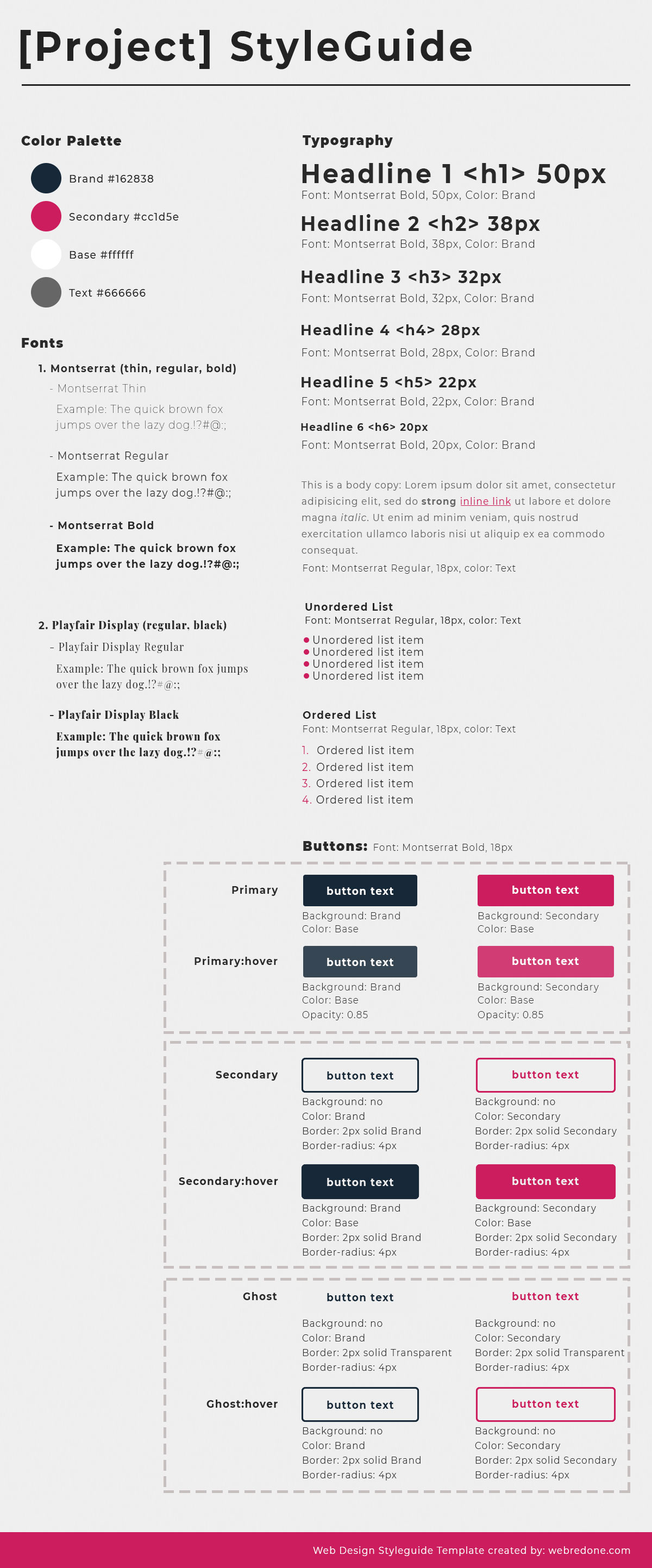
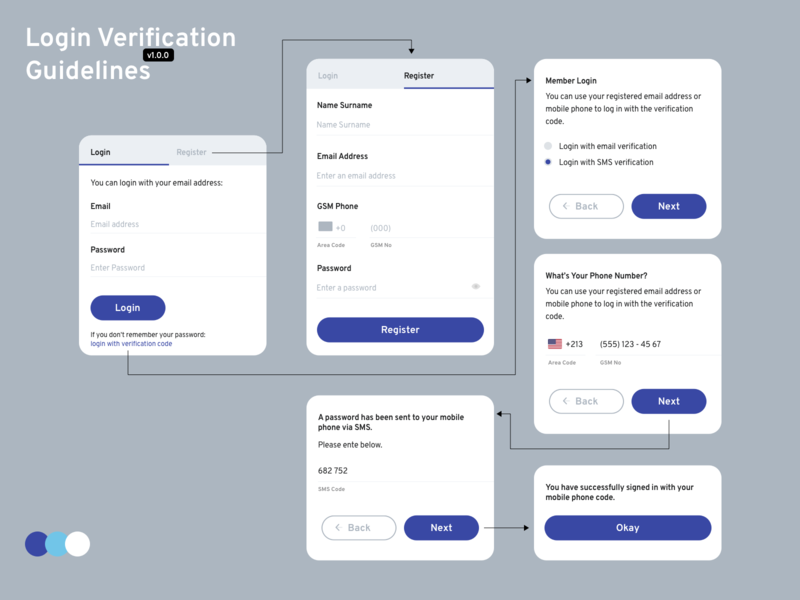









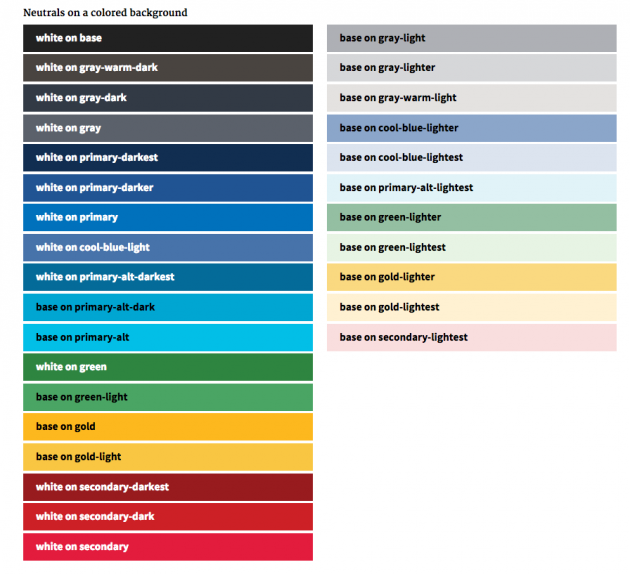
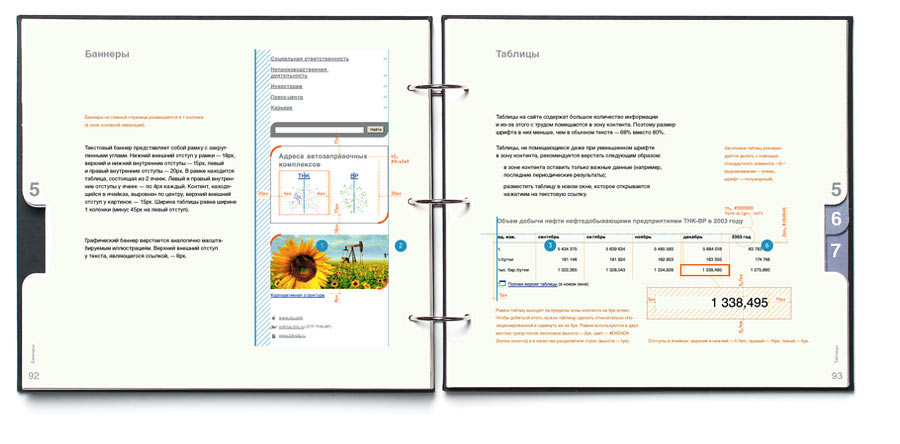

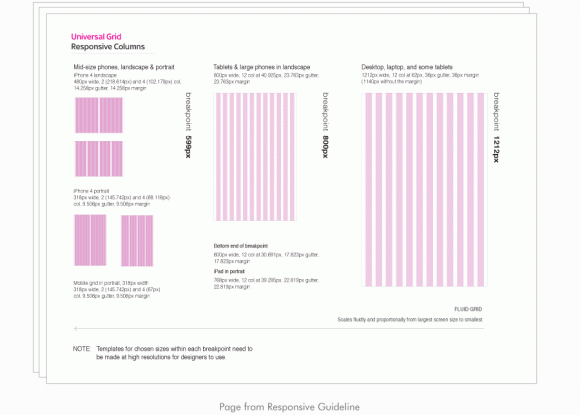
 Jimmy's Internet Marketing Business Blog