By my friend Darlene from GoDaddy’s “ How To” And we wan na talk with you today about adding delivery service. Options to your business – That’s right Emma! I know that I’m doing my part to stay home during the COVID-19 crisis, as are many others that Don’t have essential jobs and using services like Uber Eats DoorDash and Grubhub are great ways to Still get food delivered right to my door from my favorite restaurants Yeah.
So let’s talk About delivery service, Each of these companies has Their own business models, so you research to determine which option works best for you. Some things to consider are One costs for you and your customers, Two delivery areas So like how far do they Deliver from your location And thirdly, how user friendly is the app or the website for you and your customer. Another thing you can do is Check out other restaurants in your area and see what they’re, using.
If you determine that everyone’s Using a specific service that means that there may be More drivers in your area – Oh and another thing to Point out is that I’ve seen that a lot of these companies are offering different promotions right now to encourage customers. To use their services, I know that I’ve taken Advantage of them for sure Me, too Darlene Once you decide which Company you wan na use you’ll work with them.
To get things set up And when your menu displays On their website or app, you can add links on your Website right, Darlene, That’s right! Emma! Let me show you how to do that. We’re going to start on Website Builder. There are a couple of Different ways to show that you’re now offering delivery, You can add the information To the header of your site, or even call it out in A promotional banner To update the header, all you Need to do is click the text you want to update and make the change.
I’r going to change my text to Say “ Now offering delivery.” When you click on the header, it opens that section Over here on the right, so you can make any other Changes to the image accent, color or alignment We’re going to leave ours, as is Now, let’s update our Call-To-Action button, We’ll click the button In our preview window and make the changes in The pane on the right We’re going to put Order Now on our button.
Now we’re going to link to the website URL of the delivery service. Where our menu displays, I’m going to paste in my Url and then click Done Now when people click a button, they’ll jump over to the Delivery company website with your restaurant displaying so they can place their order. If you want to add a promotional banner, you can do this by going to The Promotional Banner option in the Header section, which Is where we currently are In this section flip the Toggle to Show promotion Add to your custom Message We’re going to say “ Now offering delivery through Uber Eats.
”. Now we wan na add the link To the external website, URL Click, the toggle and paste in the link. Now click Done: Let’s go preview, our site. We can see our header and promotional banner front and center And they’re both advertising that we’re using a delivery service and both linked to that site. Don’t forget to publish If you like, what you see, Thank you Darlene as Always you do such a great job of showing us how to do these things.
I hope that more and more Restaurants, take advantage of delivery services during these times when we’re all at home, And I know that I love Seeing new restaurants pop-up here in San Diego, because I love to support small businesses, I hear ya Emma and I feel the same way I’m keeping my fingers crossed that my favorite local restaurant Adds their delivery soon. So, thanks for joining me today, Stay safe.
My name is kia jay. I am the CEO of taylor beauty’s, so you guys have asked for more entrepreneurship articles, and today I have a special article for you guys. So in today’s article I am going to be giving you all the tea on how to ship your products at a low cost. So we’re all here because we’re a business we’ve been shipping out products, but we’re really confused about how to get those products shipped out at the lowest cost.
The benefits of understanding shipping rates is one. It gives you a huge value to your customer because you’re not charging your customer an arm and a leg for shipping and to really it also helps with customer service, because it also gives you an idea of how long it’s going to take you to get a Product from your office or wherever you ship from to that customers door. So today I’m going to be talking about shipping rates, as well as different shipping options and pretty much transit time.
I use a combination of the United States, Postal Service UPS, FedEx and DHL, depending on where my item is going, but overall today I’m only going to talk about the USPS because for a small business I find that this is the most cost effective way to ship Out of idem, so a lot one of the biggest mistakes that I see a lot of small businesses make. Is they try to get these personalized packages to ship out to a customer and what I mean personalized? Let’s take this, for example, this is the envelope right and one of the things they want.
A cute pink envelope will all of their writing and stuff on it and they want this nice pretty packaging, and I think that is okay, but keep in mind that costs money. Not only does it cost money to you, but you have to also charge your customer. Your customer for that as well, so I like to stay away from branded envelopes. I like some nicely packaged my stuff inside that way. We that way, you’re able to provide a good value to the customer because they’re not overpaying for packaging.
So when it comes to the United States Postal Service, they do offer a lot of different ways to ship items and understand in the different ways that they have to ship items is what’s really going to help you save money on your packaging, so there’s different levels To the United States Postal Service, so the first thing we’re going to start with is first-class mail right, so first-class mail is basically anything that weighs under a pound.
So if you are shipping an item and it weighs under a pound, you never want to ship it Priority Mail 1, because that’s going to make your price hike even more and 2, because you want to give your you want to give the best value to your Customer and really give your customer the best value in their shipping rates. So when it comes to the first-class mail, one thing you have to understand is you: do have to purchase your own packaging for anything that costs under a pound.
So so, if you are a business, the first thing you want to do is kind of figure out. How much is my item going to weigh so understanding? How much your item is going to weigh is really going to help. You understand how you’re going to package this item each and every single time that you ship out item anything that weighs less than a pound one. It’s the envelope is fairly light. It weighs less than an ounce.
So it’s not going to be very heavy. I like to use a scale I’ll leave a link below to the scale that I like to use. You want to always make sure you weigh your items before you ship it out it usually shits for under $ 5, depending on where it’s going and also you also want to make sure when you include that rate, you include a lot of things. Some of the things you want to include is you want to include how much it costs a package so include that in your shipping rate, as well so, for instance, figuring out about how much your envelopes cost and how much other things cost now.
I know a lot of times: people don’t like to use these generic envelopes, but keep in mind. Sometimes when you get the personalized envelopes, they can cost you about a dollar or two, if you’re not buying a whole lot at one time, it can be very expensive. So, keep in mind that you can always save money, finding a supplier that that gives you a very low cost and if you think that this is not great, also think about how you can package that item to make it look good.
I like to package my items to keep it under a pound very nicely and also because I know the envelope is not the best. I do like to personalize packages by adding thank-you notes, and things like that took my customers, this class. Let’s talk about Priority Mail Priority Mail is anything that weighs over a pound and priority milk can get expensive. That’s why I say understanding how much your stuff weighs now, if there’s stuff weighs over a pound, you want to figure out.
You want to go the priority mail route. The thing that I love about Priority Mail is that you can get free shipping supplies from the Postal Service, so you can go online to the United States. Postal Service com go onto that website and actually they can give you all of you can get all of your ship and supplies for free and you can order as much as you want. Unlimited amounts – and that’s what I like so here – are some options of some free items that come through the double United States Postal Service.
You can get some milled to your business or to your home wherever you want to get the mail to so this is a flat rate envelope. The United States Postal Service has a lot of different flat rate envelopes. The thing that I like about the flat rate envelope is that if your item weighs over a pound, it doesn’t matter how much it weighs it’s always going to be a the same price depending on where in the United States its shipping to so.
This is a good asset to use if you are if it could fit in the envelope, but it’s more than a pound, because this is probably one of the lower prices, then, even if it is a pound, they still offer other different options like this, which is Just a regular box that you can ship and then they also have other types of boxes, which is flat rate boxes. So if you’re, you have a lot of stuff but you’re shipping it in the box, you can get yourself flat rate box, so showing you guys an example of shipping, something flat rate versus not shipping it flat rate.
Let’s say I wanted to ship something from Atlanta, Georgia to New York, just using a fake addresses and I’m shipping to the Empire State Building, and so let’s say that package weighs ten pounds now, here’s the difference. If a package weighs ten pounds and you shipping your own box, not provided by the United States Postal Service, it costs you twenty five dollars as opposed to shipping it in a medium flat rate box, and that is thirteen sixty five and it also has flat rate Boxes on their site, like a region, a box which is way cheaper and it’s actually the same size as a medium flat rate box.
So the same item that you could have shipped for twenty five dollars at ten pounds. If you go on their website and order free supplies, this is comparable to a box and it’s eight dollars and 15 cents. So those are the things that I like to do. Another option to help you save money on shipping is, if you are a business that does ship out a large value. My business has grown to the point where I ship out a large volume of stuff.
So the great thing that I love about you States Postal Service. This article is not sponsored. I just I just loved their customer service. So much, but one of the things that I absolutely love is, I have an Account Manager with them. So, basically, what an Account Manager is is somebody who looks over the total amount of items that you’re shipping out and basically what you get to a certain volume there.
You get two different tiers of value. Your prices can go down. So if you are shipping out at a large value, I definitely encourage you to find a manager that can help you really advocate for you. I have a manager that really advocates for me helps me get the best price on my shipping, as well as make sure that I have a pickup every single day at at convenient times. So just keep that. Keep that in mind.
Another thing about Priority Mail is that what Priority Mail um as opposed to first-class, sometimes first-class, will take about five days to ship. So keep that in mind, but snow Priority Mail usually takes up to three days to ship, but also a great thing about the United States. Postal Service is that you have tracking, so you can provide your customers with tracking options so once your business does grow like I said you, you can get an account manager, and not only can you do that with the US Postal Service, but FedEx and FedEx and Ups and DHL all have that option where they will also advocate for you to get the best pricing the thing of the thing about using those companies as opposed to the United States Postal Service is, unfortunately, they do not offer these great shipping boxes.
The United States Postal Service has so many different options for a boxing. That’s why I do like that. So yes, so there are also other services that you can use in addition to having an Account Manager, there’s sites, there’s different sites like Stan’s, comm, ship station and sites, like that, where all of your orders will come into one. It’s called the API it’ll come in two there and then it’ll upload all of your shipments at one time.
So you can kind of print out all your labels at one time. So if you’re a business and you’re you’re, you have like 30, you have like 30 orders a week. I definitely would not recommend using a service like that one because you do have to pay a monthly fee and that might cut into that might cut into the monthly fees. So when I was operating on a very small level with my business, what I would do is I would go into the United States, Postal Service website and I would manually type up each and every each and every label.
I would already know my weights and things like that, and I would print out my labels, one by one PayPal does offer this as well. If you have you have, if your payment method is PayPal, PayPal does also offer where you can print out multiple labels at one time. So just kind of check on your website see what options you have for having labels and if you are a small business, it’s really great to understand your pricing on how much you are going to spend on each thing rather than kind of winging it.
As you go along, I would definitely recommend if you are starting out or if you already start out order, every single or every single free priority mail box that they have going USPS. You can’t go wrong because it’s free and packaged your stuff in the boxes and see which one is going to be the lowest for you to ship and once you the good thing about that, is anything that you don’t need. You can always just go to the post office and leave it there for somebody else who may need it.
So I definitely recommend that when your business starts, operating and business is really booming, then that’s when I recommend to use the third-party websites like stamps.Com substation and things like that, because using those webs using those websites will help, will save you a lot of time. But you know there are fees that come along with that. So make sure your business is ready for something like that.
But, like I said the more you start, shipping out, you can get an account manager to help advocate for you to really make sure you’re getting the best price on shipping as possible. So I hope this article was helpful for you guys. I hope I was able to explain that very well. A few hot guys have any questions. Leave me some questions in the comments below I’ll leave. The link to the scale that I like to use, as well as everything that was mentioned in this article.
So I’ll see you guys in my next entrepreneurship series make sure if you have any requests, you guys leave them down below and thank you so much for reading.
If a Dyson’s repost exchange campaign, you could check out under the link in description below, but I did a another test with her with the same amount of money because I didn’t want to just you know: do one-off article and say: oh those was also pretty good.
I wanted to give you guys context, because I don’t want to waste you guys, dimes. I don’t want to waste you guys time on even trying a platform like this. If the results aren’t worth it so check out what I got from the second time around same type of money, I’m a little excited angle. I was kidding alright, so with this second test with pedasus, my funny valentine, I want to tell you that the results are pretty exciting and we’ll kind of analyze.
Why afterwards but straightforward the numbers are different. They’re better and I put in the same amount of credits. 500 and here’s what the changes look like so remember the first time I had four thousand five hundred and twenty nine streams and he jumped two hundred and twenty seven streams after the five hundred credit campaign to four thousand seven hundred and fifty six. Now, what makes this exciting this second time around, which I was pleased with the first time around, instead of getting two hundred and twenty seven more streams.
This time I got six hundred and ninety eight more streams, and also all the other results were indicative right. I had let me see 35 more shares. I had 22 more repost right, which is interesting though, because now we start to look into the details and actually what’s indicative of the fact, this thing is real right because actually, the first time around, I got 24 different reposts from different people.
This time I got 22 different repos from different people, so that means two things that I got four hundred more streams than that. First time around one more quality people reposted my stuff, all right to those people who repost it might have kept my stuff up even longer. There is a minimum of having stuff reposted in at least two days, but maybe these people really liked it in May repose differ even longer, or they had bigger pages and followings and three well.
I actually waited a little bit longer after the campaign. Then I did that first campaign, when I recorded a article or I did it almost like the next day like as soon as it finished, I got to it this. It was probably a week in between when I finished the campaign and when I decided to record this article right here, which shows also that a maybe more people kept listening and kept listening from those initial listeners.
All these things pretty much conclude that there is something real going on here right. These are the behaviors. We look like look for it. Alright, there are real people listening. You never know how you get to listens right, there’s so many ways to get the listens. You know it’s pretty much, never going to be organic per se. Well, you know organic until people listen and then once you get people to listen through artificial efforts, then their behaviors after is the organic that you really want to happen.
So at its best in today’s age, organic just means the activity. After real people experience. Do they listen again? Alright, you push that first, listen on them, but did they listen again alright and did they tell their friends right and then that becomes the organic traffic and that’s the big difference so just bring your focus back to Hadassah’s campaign, though I love the fact she had More results or better results, the second time around with the same investment, because it shows something right.
It means something and you can go back and see the exact changes that I made throughout this article from campaign one to campaign too, but you even see you know. I mean these comments. You know people still are loving, it they’re loving her and you actually do get followers. Her followers do go, there’s more followers specific type campaigns that repost exchange offers. I will show some kind of experimentation with the campaign like that.
At some point. Don’t know when, but this stuff is, these results are dope and they still rated her a nine right. So the at the score average is the same, but something about how it clicked that second time around helped and maybe I’ll get better and better at using this platform. To the point where at some point we’ll be able to – I guess you could say he have the biggest bang for the buck, just like I optimized on Facebook, ads and Instagram ads and and YouTube ads, maybe there’s a way to figure out.
What’s the best setting? That’s going to give you the most and I encourage all y’all to get in there figure out what that might look like, at least for you. I have a couple other articles that I’m going to be recording when it comes to results and how to get the best results. So with that in mind, repost exchange, it’s free. It’s definitely worth checking out. Why not give it a try? You don’t have to pay for it at all.
I pay for it. Why? Because I’m a marketer man, that’s what we do like. We have to be able to accelerate things. That’s going to make things move a lot faster, but you don’t have to do that. Tier right, my clients sometimes need a million views on a YouTube article in two weeks. So you know I’m testing this to stretch it out and see how far it can go, but most people won’t require the needs that somebody like I would need.
You can use a free tier of the campaign and just interact with the community and get credits that will help you incentivize people to check out your music and get real feedback real comments. I’r going to do a article on why I think repost exchange is not only a dope tool in community, but why it’s pretty much necessary in today’s age for beginners I beginning artists, but I’ll do that. Another time definitely check it out, link in the description below it’s worth it, not everything, I’m seeing so far right now, it’s worth it now that changes at some point I’ll do another article, but not these things worth it in description below.
If you like this, article Kawai hit that like button, if you like emails, we’ll share it, if you’re not subscribed, do you know what to do hit that subscribe?
Ic sellers try and get buyers that pay their fees. Let’s talk about that. Welcome to today’s topic. Article thing here on the internet: my name is Chris Erickson, I’m going to buy, sell trade specialist, I’m like saying master or a professional person.
I don’t like saying SF, I’m doing this for 20 years. I learned some things along the way. I’r just here to share my experiences and thoughts to help you guys maybe not make the same mistakes I did, and also just where you guys can miss start working for yourself. Quit nine-to-five put that money back in your pocket or just make some extra cash to fund some things that you like to do so. Today’s topic is PayPal and I really don’t like PayPal’s a lot of bad things going on with PayPal and there’s some better stuff out there and there’s a link in description below to another alternative, really really easy to do.
I’r pretty good, but if you’re selling on eBay, you have to use PayPal, I still use PayPal as well for some of my business stuff. It’s just the way. It is because people like to use it and not learn something new us humans are flawed in that way, we’re stuck in our ways once we start using something I mean we know it’s regardless of how good or bad it is. We don’t like to learn something new, so it’s kind of kind of kind of a bummer, but today’s topic – paypal fees.
I see this all the time and it’s one of the things that really gets under my skin and it’s a pet peeve of mine, I’ll see someone listing something for sale on Facebook, star wars, vintage action, figures, super rare hundred dollars, plus shipping, plus paypal fees or Friends, a family: what’s that mean exactly let’s back up and I’ll, explain that to you PayPal when you use the service, there’s two things: two ways to use it, the first way to use it is if you are a buyer and you are buying something, obviously to See you, the buyer, you’re sending $ 100 to a stranger or somebody, you know and trust tip 9 times out of 10 is to a complete stranger.
So you want to send that as goods and services way, your purchase is protected. So if they try to scan you rip you off, you get your money back pretty much. No questions asked which is a flaw on PayPal side, but so how it works, and in doing so, the seller pays a fee on that part that that sale, just the cost of doing business, and you use the service because you’re choosing to use the service. Therefore, you, you know what make sense to pay for it, but let’s say you’re sending the money to a friend somebody, your good buddy, maybe or even just a family member.
You can send it a hundred dollars to your friend, your family, using the service, friends and family, no fees whatsoever, but that money is not protected at all in any way. So if your friend or your family member decides to rip you off you’re just out the money, those are the two ways you use it now sellers are trying to get out of paying that fees. I’r sorry to tell you there is no way out of it.
Unless they send it to you as friends and family and people are finally wising up to that and not sending it as friends and family, but sellers are still trying to get the fees covered. I’r here to tell you, regardless of if you charge them fees, you still pay fees. If you charge her three percent more cuz, that’s basically what the fees in your paint! I think it’s 2.75 percent. You tack that on $ 200 guess what you receive, that money! You’re still paying the fees, that’s just at a higher amount.
Therefore, you could be paying more in fees, so will be the perk of not charging fees. Well, you pay less money and you’d sell it faster and you don’t look like a douche. I know that’s a little harsh, but if you sell in line is 2019 cost of doing business is paying fees on whatever service are using, like I said before, there’s alternatives that are just as good and you don’t pay any fees, link in description below check that Article out explain how setup it’s super simple and everybody guarantee already has the service you just don’t know about it, but it’s something new.
You will have to try it and step out your comfort zone a little bit member like I said us humans. We don’t like to do that very often, so I got backlash from that article. People didn’t like it because I brought something new to the table anyway back on topic, so I mean that’s pretty much it guys it’s like. If who should pay the fees, the seller should pay the fees you are selling the item. Therefore, you have to pay your fees yourself faster just by not having that as an option anyway period.
You just pay your fees, you’re, going to sell something, a lot faster and the way the internet scum is working out. Nowadays, most websites are charging this eBay is, Amazon is like B and H was the first one, and other sites are starting to follow suit because it’s becoming a regulation. Now all internet purchases are going to be required to pay sales tax. So if you are required to charge sales tax on your sales online, no one’s going to buy your stuff.
If you are charging them fees, plus sales tax plus shipping nobody’s going to buy it, I’m sorry so to stop it right now get used to having to pay your fees, I’m a little salty about it, because when, as a legitimate business owner, I’m paying all these Other fees that you guys aren’t required to as a business and then I see people doing this. It gets under your skin a little bit because you’re now your fork, not all this cash to have a storefront, so people come in and buy some stuff and then people are just like.
Ah I’m above it I’m entitled, I don’t need to pay those fees. So that’s all I got for you today. This is more of a rants or vents of anything else. So thank you for humor me. Maybe this helps you and inform to you on some stuff. So thank you guys for reading. If you guys made it through this article, I really really appreciate it and if you want, I have even deeper into the world of buy, sell trade making money for yourself quitting the nine-to-five consider becoming geeks plus number, both Salaf articles in-depth stuff behind the scenes extras Things you don’t see anywhere else link is in the description so check it out.
Also leave a comment below. I read every single comment and I would love to know your thoughts on this. Do you agree with me? Do you disagree with me? Am I just insane that end buyer should pay your fees. I would love nothing more than to chat with you. So please leave a comment below idea. We’ve ever seen, one of them. So thank you so much for reading I’ll catch. You next article guys see ya.
But if you think registration forms are difficult, we should talk about. Checkout forms a lot more form fields, a lot more questions, but I think that you’re going to see a consistent theme emerging through, like our talks here today, which is this one of let the browser help you. There are certain advantages that we have as a browser, especially when it comes to reducing friction and making life easier for users, especially things around repetitive data steps, things that the users can store inside of the browser’s, but we’re trying to do our expose api’s and give You tools to reduce, friction and make things easier for your users.
We saw it in Koreans, while management and we’ll see a very similar theme with what we’re doing in payments, but first a little user activity just before we go off for lunch, which are some questions. Okay, great so first question just curious: how many people here actually enjoy the process of buying something on the web using their mobile device? Okay, good yeah and some people, but by large? No and whether we should come talk.
I’d love to hear like what is that you’d like about buying things on the mobile web and what it is that you don’t as much a second question, and I would be really impressed here how many people can remember all the details of their credit card. I’r talking full 60 digit number really CVC on expiration. Okay, it’s more than I expected. I got to be honest, like okay, we’re still like under 15 %, but okay cuz I’ve even payments out for like 18 months, and I think I have yet to remember a credit card number, that’s great and then okay final question: how many people enjoy the process Of handing over all their sensitive credit card information to a random third party server I’ll get one.
It’s almost like. I’r asking these questions to lead up to a particular point, and – and there was a points and the reality is that most users finds payment difficult. They find it insecure and scary and frightening and they find the process of doing it on the mobile web, particularly bad, and so we had this number. We talked about it at i/o as well, and it hasn’t really changed, which is that on average, we tend to see about 66 percent fewer conversions on mobile than on desktop and again we think there’s an answer to that, which is all around again high.
Friction the difficulty and issues around trustworthiness and security, and so we’ll talk about sort of how we’re addressing those today and how we’re trying to bring fast, simple and secure payments to the web platform. But this is a little I’m a p.M. It’s a little bit too PME for me actually, and so I have a much better mission for us inside of the chrome team, which is we’re trying to save the world from annoying check out forms.
So I’m trying to save the world from virtual keyboards and having to memorize and all of those terrible things. I actually started this joke of the better payments Bureau a couple of months ago, and now it’s become like a thing so anyway, but actually Chrome has been fighting the good fight against annoying check out forms for many years. Actually, we start with autofill back in the day, you guys are probably familiar with autofill.
This is my one slide on it. It’s not really the topic today, but consider this. My 10 second plea to say: if nothing else leave today and set autocomplete types on your check out forms. It helps us it helps. The users helps the browsers and it basically ensures a hundred percent accuracy on autofill. I’r not here to talk about that today. I’r really here to talk today about payment requests, which is this new API that we’re building for the web to really help solve a lot of the problems I’ve been talking about.
But before I talk about what payment requests is I want to talk about what payment request isn’t and that’s, because payment is complicated. There are a lot of players in this space and I just want to sort of set up fronts and sort of help alleviate any confusion. So the first thing payment request is not a new payment method, so we’re not trying to create Chrome pay or browser pay or yet another X pay button on your website.
That’s not fundamentally our goal. Our goal is to help users pay, that they went the way that they want to pay and do it quickly and efficiently. Secondly, we are not trying to become a gateway or a process or or some entity that literally moves money in the ecosystem. So it’s not we’re not trying to step on any toes here or like enter into this ecosystem. We think that the market has actually done an incredible job here.
Already players like stripe and Braintree and others have done a really stellar job over the last couple of years of taking the incredible complexity of accepting online payments and making it really simple. They’ve removed the burden of things like acquiring banks and all the couples of PCI, and they put it all into a easy-to-use API. And so our goal is to ensure that whatever we do plays really nicely with all these gateways and processors.
But that’s not fundamental goal to become one. The thing about all these great new services, though, is that they’ve really focused on developers, which is great they’ve made your lives easier and it made easier for you to accept payments, but the user experience has largely remained the same. You have to go from the state where you know nothing to a user to everything and formfields tend to be the way that we do this.
So payment request was fundamentally built for users. I mean we think it’s pretty good for developers too, and it’s pretty easy and we’ll sort of talk about code samples. But fundamentally, like my goal, I think about users and how I can help them and help them get through these burdensome flows on mobile, faster and more efficiently. So what exactly is payment request? Well, pay requests, like I said, is a new standards-based, API and standards-based.
I want to emphasize that we joined the web payments working group almost a couple years ago now and every major browser is a vendor. We have financial institutions from around the globe and we’re trying really hard to build something that everyone can integrate, that all forms of payment integrate with and all browsers can do so that users on a variety of devices and ecosystems can continue to leverage and have the Benefit of it, we’re just in the early stages of it and sort of will talk about where we’re at, but that’s sort of fundamentally our goal, and so when we started to think about what design this API looked like.
We had two high-level goals in mind and they sort of reference back to my original question set the first one is we to build a seamless, easy-to-use, checkout experience on mobile? In particular, we wanted to make sure that users like could minimize typing and minimize friction as much as possible, and the second thing is we really want to bring more secure payments into the web platform. In many ways like the web is one of the the last places where it’s very commonplace to exchange over all of your sensitive information to some unknown third party, and even though there’s an answer to this from the payments community.
With regards to tokenization, the web really didn’t have a great answer for that, which is why we’re really excited that we’ve brought Android pay into the web platform and again we’ll continue to expand that. But this brings tokenized forms of payment. So in the events of data breach or other problems, you as a users are protected, but also it also reduces the burden for for you, as developers and merchants, and so those are our two high-level goals that we had and again the idea here, just at a High level is that, if you think of your traditional checkout flow, it looks something like this.
It’s you know anywhere from like two to five pages, maybe one for single page things and you have somewhere between like 10 and 40 form fields where you’re asking a variety of questions. Things like what’s your name, what’s your shipping address, what’s remail, what’s your phone number? What’s yer credit card number, what’s your expiration and then you have users who are like you know trying to like do all this on their mobile device and at some point they’re, like man and I kind of give up, and maybe they go to desktop later or Most likely, they don’t – and you know and Aaron talked a lot about the growth of mobile right, and so we really think we need to fix this and make this easier and the way this happens with payment requests is you can imagine that the browser sort of Plays this role and and helps facilitate checkout across this, the the highest friction point.
So we take that common set of data, those common things that you request and sort of leverage our strengths to make it easier for users to to be successful. So before I could show you a demo, I want to talk about what types of data is actually supported by payment requests. So the first one is probably a little bit obvious, but it’s a form of payments. So, at the end of the day, you need a way to actually request money from the ecosystem, so it needs some sort of form of payments.
Right now in Chrome, we support we support credit cards and Android pay. I put etc on here, because the is to support more but we’ll talk about that a bit more later, and so you always have to request a form of payment. You can’t call payment requests and not want to form a payment that would just be weird and then would just be request: arbitrary user data API. So the other big thing that we allow you to request is shipping address and shipping options so for physical good purchases.
You can leverage the API to say, hey give me their shipping address and then there’s a dynamic mechanism for you to take that address and then populate shipping options that have updated pricing, etc. You can also request a phone number. You can request a an email address, of course, for like sending a receipt or even prompting sign up afterwards and coming soon, actually, but not quite there, but in a couple of months is payer name support, and these are all flexible.
You can request any of these or none of these, if you want the idea is to support a broad range of of use cases out there. So if you’re like a ride, pickup service, you probably don’t need you. If I don’t need everything, but you definitely need. Let’s say a location like an address and a name, let’s say or if you’re a physical good you may may or may not need their payor name because you’ll get that from the shipping address, so it’s flexible and you can sort of accommodate experiences as as fits Your the business, but the really important point here, is that all of these data points can be stored and returned by the by the browser, so users, by and large trust chrome to store this data.
They trust us to store their names, their emails and even their credit card data. And so the question is like: why put users through the burden of a form that they have to fill out manually and, like you saw like sabine slide about like fat, fingering and the difficulty of mobile keyboard typing and those problems were multiplied across all those form Fields, so if you can save them the burden of doing that, we think it’s worthwhile and sort of payment request is really designed to do that.
But let’s go ahead and just let’s just going to sort of see it in action switch over to a demo here see if we can see all right, excellent, I’m going to you open up, Chrome on stable and I’m actually going to use the exact same shop. Api, that’s, oh and you see it, it auto sign man, you have to love and a good demo goes right, and but otherwise it’s the exact same website, polymer shop demo, except I’m going to go a little bit further and actually just make a purchase.
So I hit the shop now button. You know, I definitely don’t have enough. Google hoodies so I’ll, just source wet shirt, so I’ll just buy it yet another one. So it standard shop. You see that there’s like size and quantity. I won’t affect those, but you see that there’s there’s two buttons at the bottom there’s a typical Add to Cart button, but there’s this also. This Buy Now button that Buy Now. Button is based on feature detection, so we’re checking to see if payment request exists and if it’s there great, let’s leverage it and if not it would.
You would just see an edit card, but I’m going to end use the rapid checkout approach, and so I tap on the Buy Now button and you see that this this payment sheet slides up from the bottom. This is a payment request in action, so you’re looking at sort of natively drawn UI, it’s controlled by us. We can through it, but it’s populated with data from the merchant. So you see that my total amount is there $ 22.
15. I defaults to my form of payment that I prefer, which is android pay. If it’s available only cuz, it’s faster and more secure. You see it they’re also requesting my email address for the purpose of sending a receipt, and the only thing I need to do here is select. The shipping address it’s very difficult to ship, a sweatshirt to someone. If you don’t know where it goes so I’ll tap on that you’ll see that the payment chief slides up to full screen – and it has my addresses, automatically populated for use.
These are our two Google offices here, so I’ll go ahead and shift to the one in San Francisco, where I work, you see that when I do that the shipping options are automatically populated there, and so we have a free shipping in California option or in Express Shipping, and if I change those it will dynamically change the price, so you can see here that express shipping changes, but of course, why would I pay more I’m going to go back to zero? That seems to make a whole lot more sense to me and now I’m ready to pay.
So we just have the pay button and then you’ll see the Android pay screen slide directly up we’re running the test app. So it says unrecognized ooh, you guys wouldn’t have that and because I’ve actually authenticated in the last couple of minutes. I don’t even have to do any extra authentication on Android pay I’ll literally just tap the continue button. A responses comes back and the transaction successful so pay with Android pay, no keyboard, no typing.
All I had to do was tap and select and confirm my shipping addresses so really great, really seamless, we’re really excited about it and just to show you that if you don’t have Android pay available no big deal, we can always change our form of payment and, If I didn’t have Android pay, I would just default back to my credit card, in this case, a Visa card that I have once again I’ll select my shipping address and options.
I hit the pay and the only thing the only keyboard we can’t get rid of is the CVC input everything else we have so I’m going to do one two three. I used to do like a live credit card on this and I discovered that what that didn’t work well for me, so I’ve switched to a demo card but either way the same. The same concept applies, we’ll talk about what’s happening behind the scenes, but this is all client-side basically, so it’s all happening super fast and pretty great they’re really excited about that.
And now maybe we can switch back to the slides and talk more about what it takes to make this actually happen. So how do you leverage payment requests? Well, it’s pretty simple. There are three parts to payment requests, two of which are that are required and one of which is completely optional, and so we’ll talk about them in order. The very first one are payment methods, so we need to know basically all the ways that you can get paid.
This could be a wide variety of things in the future, so it could be. I accept Visa and MasterCard and AMEX and Discover JCB UnionPay. It could be in the future, I accept Ally, pay or idea or PayPal, etc. As long as people are built into the ecosystem, like I said for now, Chrome we just launched so we’re, starting with credit card support, Android pay, and so it looks a little bit like this. So we basically pass in this thing called method.
Data and metadata is an array of objects and those objects. Each have a an array of supported payment methods. So you can see here that Mont. The first thing I support our credit cards. I support the standard for Visa Mastercard, Amex and discover. That’s it nothing else to do it, just as I accept this in the future coming out in a couple of months, we have added support for granularity for things like debit or credit or our prepaid, but for right now, essentially, when you say visa, we sort of Assume you can accept all visa and don’t make a strong differentiation there, but the second one is a little bit more interesting, and this is Android pay, there’s sort of an abbreviated version of this, but to support Android pay.
You see that there’s an additional key inside of that object, which is the data data, is sort of a generic object and it’s a payment method. Specific. The reality is that different payment methods out there have different dependencies different things that you’re going to pass in when you instantiate it by default, so for Android pay, for example, you always have to pass in like your merchant ID, you have to pass in what kind Of token you would like either network or gateway.
We don’t have a full example here, but and then what happens then is when a user chooses to pay with one of those forms of payment, we basically bundled it all up and pass it on to the payment. App so and then the payment app uses that data plus things like origin and assertions from chrome to basically verify that the payment app is the right one, and so the payment can can continue. So it’s pretty simple, but the idea here is that you throw everything you can at the browser for ways that you accept payment.
So if you can accept a like a hundred different ways of paying around the globe, tell us a hundred ifferent ways to pay, because what the browser does is we find that spot in the middle between the set of ways you can get paid and a way That a user can pay you and give a user an optimized experience about the ones that make the most sense for them. So you solve, for example, in the demo that Android pay and a Visa card were available, but let’s say that we had removed visa as an option, then visa just wouldn’t show up, because that doesn’t make any sense and so for, as you go across the globe There are wide variety of ways to pay, but we recommend giving us all to them and then we’ll find the best experience for the user to optimize around their preferences, their defaults and what? What is the best thing for them? The second bit of data is also quite important, so now that we know how I can pay you, we need to know how much money you wants to get paid, and this is what this looks like great.
So the first thing, the most important thing that’s required is this total attribute three parts basic. There are two parts really. The first ones are label, so we customize this. So if you tell us, total will display total, but you this could be like authorization donation. Whatever you want – and you have to, we have to know an amount and the amount is compose of a total amount of money and an underlying currency code.
So we know, for example, or the underlying payment app that we transferred to knows what currency to charge in we’re also to support display items. So, just like I showed you like when I tapped on the total those line items. I came down that basically told you how the total amount was reached this you can’t. We also support this. It’s a wholly optional. You can pass in. You can pass it if you want or ignore it.
We recommend it it’s nice to give a high-level overview to a user about the things that inform the total amount, things like the subtotal tax, shipping, cost, etc. Less of like a full itemized receipt and again in more of like a high-level overview, one important point payment request does not do math we’re not good at floating point math. So if you pass in, you know, you have two line items that sum to five and your total says four like we’re not going to throw anything so you’re totally in control of this thing.
So just keep that in mind and they’re by the way it might be some use cases where it makes sense for those not to a line, but by-and-large just want to point that out. The other point to note is that transaction details can also contain shipping options, and in this case, if you put them in there by default, we support default shipping options. We only recommend you use this if you’re highly confident that your shipping options will not change, then they’re not dynamic.
So if you support, for example, world wide free shipping and it never changes, no matter what the address is feel free to default populate this. But if your shipping is dependent upon a user address, then we recommend waiting until you’ve gotten a user, a user address event which we can talk about a little bit and then you can use that to dynamically query, against whatever service you use to calculate prices, and You can repopulate this and that’s the important point that basically the transaction details object can actually be updated and overwritten throughout the lifecycle of payment requests at certain events and points.
So if a user changes their shipping option, you saw like how, in my demo, when I changed my ship, the price change and the list items changed. That’s because when that event took place, we repopulated those set of transaction details, and so you have that flexibility in control on those events, and so that’s how we get sort of that dynamic pricing model that exists out there and so again don’t do default shipping options Unless you’re highly confident they aren’t going to change and the final piece is the extra information, the optional set of options, and that’s that things I talked about user address, shipping support, name, email and phone all entirely optional, but definitely useful.
I think there was like sort of this myth out there that the the only drop-off point in the funnel is the is the process of putting in your credit card, but really like the entire checkout. Funnel is well a funnel and so like wherever your users. Experience. Friction and there’s a step. Others are drop-off, so we highly recommend taking advantage of these these different pieces, and so there’s a few that we support, like I said, and it’s as simple as passing in just a bunch of boolean’s.
Basically, do I want shipping? Yes, do I want email, yes, etc, and you can again, these can be variable, so you can say I don’t want shipping, but I do want a name and phone number or you can say I just want an email address to send a receipt to. For example, it’s completely configurable and again. The idea here is to support a wide variety of use cases. Something funny that is minor that we have coming soon in the next couple of months is we’re adding support as well for a shipping type value.
It’s pretty simple, but the idea here is that let’s say you are buying a pizza, one does not ship a pizza right. That’s just weird like we deliver pizzas, and so it’s a very minor feature that allows you to actually specify shipping delivery or pickup. As like the address type, so we still call shipping address underlined in the system, but this way in the UI a user would see. Oh, I want my pizza delivered two three four five speed streets.
I don’t want it delivered or if you’re a ride-sharing service, for example, you can say pickup and it’s your pickup address where you’re currently at or located, and so that’s the value of that particular little thing again pretty minor but allows us to just have like a Better user experience underlining the whole system so now we just put it together basically, and we get that whole experience that we talked about, or I just showed you so.
The first thing we do is we instantiate payment requests and we pass in our method data way that we things that we support. We pass in the transaction details again how much money, what currency code, what line items do we once and then our optional options right? So in the case of our demo that I went through, that would be request, shipping, true and request email, true, but again that one’s completely optional um.
You see here. I’ve also added an event listener to my shipping address change and we support two events in the system: shipping address change and shipping option change. These are this: is that dynamic mechanism that allows you to receive the events parse out the new details? Let’s say so: if a user selects a shipping address that event fires, you can actually pull out that full shipping address.
We don’t do just the zip code because you can’t get fully accurate shipping information with just a zip code. So you get a full user address. You can use that at that time to call event update with this basically says: hey, you know browser, I’m thinking. I need to calculate this. You can call your back-end api’s and you can update resolve a promise with new transaction details. So again that updated transaction details object can now contain your updated set of shipping options, including the empty set of options and an error which says like opps.
Sorry, we don’t ship to you know wherever it is that you’re trying to ship to so that’s also supported and so and by instantiating payment request or not. There’s no UI. That shows it’s just instantiation when you want that actual payment sheet to slide up from the bottom. Oh, we called that show that show is actually our signal and we actually raised that payment sheet and put the user through the process.
That returns like a promise, and when that promise resolves you have a payment response and that payment response contains the entire set of data. It’s just a JSON object that contains the entire set of data that you requested so for a credit card. For example, you would know what the underlying network was so Visa, MasterCard, etc, and then you would see credit card number phone number, full, CBC, expiration, etc.
Think, like the same set of data, that a user would have typed out into your form, you’re now getting just from the browser as a JSON response, you can use that to basically send that response directly off to your gateway, your server or even let’s say in The case of like, like you know, scribe API is like directly to over to the API is for tokenization, it’s completely up to you, because it’s all plaintext these responses.
It’s important to note our our method specific. So if you selected Android pay as your form of payments, then when that response comes back, it’s going to look like an Android pay response. You’re going to be able to select this there’s a key and they’ll. Tell you that, oh there, the form of payment they chose was Android pay and then you’ll have to expect that the Android pay details object, looks different than a credit card, one which may look different than some other form of payment like an alley, pay, etc.
I mean in a good that’s because different payment methods have different requirements and are different systems and call things different things. The final step here is, we just need you to tell us to close the UI, because once you get this payment response back, we actually show us a little loading spinner and the little loading spinner is sort of waiting for you to come back and let us Know the the result of the transaction we highly encourage, but do not require that at the time that payment response comes back, you try to make the payment.
There are legitimate use cases where you can’t do this things like 3d 3ds flows, etc, but by and large, if you can submit, we recommend it, and so you call the complete you can call with success or failure, but you can also call it with nothing. This is basically an affordance for the browser to do like special UI considerations in the event of success. You know like a little animated check mark or something but yeah, it’s totally optional, but the important thing is that, when the UI closes will actually resolve that promise and that promise is your cue that the UI has been completely torn down.
So if you have animations or things that you’re trying to time with the close of that wait for that promise to resolve and then you’ll be guaranteed that any chrome UI has now been stripped from the page, and that’s it on with that. You basically have the hold experience, so in just a few lines of code, you basically get help user alleviate all that friction and difficulty I’ll type in all those annoying form fields, pretty simple, but also again, with Android pay and other future forms of tokenized payment.
You’re. Basically, getting easy tokenize forms a payment that reduced like the burden of CBC memorization, etc. So really excited about this, and this is all possible because the browser is sort of sitting as the middlemen. There proxying data back and forth between native apps on the device and and the underlying website and the developer. That’s requesting it. So my last few minutes here I want to talk about just a few UX considerations and forward-looking stuff.
So first one is my very bold. Hyperbolic statement to say, kill the cards, which is maybe a bit strong, but just sort of my way of saying if a user is coming to your site or you for a lot of users who come to your site on mobile, that only make a single purchase. Why put them through the burden of opening the page, adding it’s a card? Finding the cart page clicking the card page going to review page go to the checkout page, then.
Finally, starting the process there on mobile want to optimize their experiences. Payment requests allows you to do that quickly and immediately, so consider adding like Buy Now buttons directly to your product pages, especially on mobile, when it makes sense again. This moment won’t make sense for all businesses, but I would encourage you to go back and sort of check the numbers and see if, like this might be a powerful tool for you guys to leverage to help your users just a few other things really quickly that I’ve talked about – and you’ve heard mention here today – is thank progressive enhancement.
This is a new API. It won’t always be available, so you can’t necessarily completely depend on it, especially in a cross-browser way. Yet, although hopefully we’ll get there, so think what happens if it’s not available, you’ll still need a fallback flows etc. The second one, of course, is we encourage you to keep the set of list items high level, so don’t think of it like an itemized receipts. We don’t want the user to select this long scrolling list in the UI, if possible, try to keep it high level, subtotal tax things like that.
If it’s single item you can put it in there, but by and large we encourage high-level subtotals and things like that and then last one. Something to consider is that if you already have a user’s information – and you already have a credit card on file or some way to pay – I wouldn’t expect you to use. Don’t think you have to use payment requests like give the user the best experience they can and that means go ahead and just leveraging what you already have on file.
But if you don’t have anything and you don’t have the credit card or the credit cards expired, you need a new one, a consider payment request as a tool to help these users. You know we talked about. You know. We talked about sign up first right, but that might not always make sense for your business if you think about it, like maybe your your p0 or your most important thing is getting user through that checkout flow, then you can request an email address from payment requests And now all you need from them at the end of that funnel to sort of optimize.
The experience for next time is a password and so consider sort of leveraging this again. These are tools to help you be successful, so just a quick status update. So we are live in in Chrome as of m-53, so we’ve only been live for about, say, eight wait weeks now and it’s sort of a quiet launch. We had a great set of early launch partners that we worked very closely with and they integrated and tested and gave us a lot of great feedback again.
The API is still early. Chrome is the first browser to implements, and so we’re really thankful to all of these players for their great feedback and from it we’re actually making a lot of changes and improvements and enhancements to the underlining experience. And so I just want to talk a little bit about what you can expect to come soon, so the first one that we’re working really hard on is support for third-party payment apps.
As you go around the world. There are a lot of ways to pay in India. You know you have like paid TM and snapdeal, and all these other new emerging wallets and you go to Holland. You have ideal if you go into other countries, a whole new forms of payment that are not just credit cards and Android pay, and we want to be able to support all of this in a nice open way where we can support users from all over the Globe, no matter what, and so we’re really close to finalizing this and we hope to have support next year.
Secondly, we have a lot of spec and feature enhancements coming, so we have the shipping address types. I talked about you’ll, be able to call this within an iframe coming up soon, as well as much other small enhancements and improvements, and then we also have much of UX improvements, so we added a are scanning just recently, so you can now just like scan you. If you don’t have a credit card, you can just scan it directly into into the into the UI, so there’s things to make it faster, easier and fundamentally better onboarding flows and then just quick time lines here.
Just so you’re aware we’re sort of targeting in 56. That’s our January release as, like our next big major release. It’s going to have all these enhancements all these improvements and we’re really excited about it on you’ll, continue get updates along the way. This is all live in chrome, stable and we’d love to continue to work with you and get your feedback um everything I’ve talked about today is available online.
In a lot more detail, we have integration guides a bunch of examples in sample code where the phones come up, and then we also have a game start with Android pay. Android pay is really simple. With payment requests, it’s like less than ten lines. We do almost all the heavy lifting for you, so just a quick shout out there, but I’ll be around the rest the day I would love to chat with you learn about your challenges, things that you think you need from the browser ways that we can help.
You be successful, especially in checkouts, so thank you so much
It wouldn’t have been about half the room, I think about half the room raise their hands. That’s really exciting! Hubspot! It’s a fascinating company, we’re about 11 years old and it’s a SAS company software-as-a-service with one of these more modern business models where we’re selling subscriptions it’s mostly low touch or inside sales driven, and then we have a big and very innovative service set of offerings.
On top of that, we’re about 2,000 people globally, most of us are in Cambridge, but we’re spread around the world. Singapore Sydney, Tokyo, Portsmouth, New Hampshire and a big office in Dublin 300 of those people are working on the product side. That’s my side of the house and about 700 are on the services side. We’ve done some really really interesting things to drive this growth. We went public about a couple of years ago.
We’ve had some good success and Patrick and Anne Thomas invited me out here to share some of those learnings. So we’ll take a look at a framework that is emerging of how we look at the handshake between product and services and also some background and some concrete takeaways. Some things that you guys can try at your organisations that may work for. You may foster a little bit better communication, tiny bit about me, I’m sort of an interesting person.
My background is in music, I got my degree in computers and music and from there I got into marketing. I was a marketer for a start-up for a while, and then I got into product management, because I was so passionate about the product side on what we were building and I’m really a maker at heart. Ever since I was very little, I wanted to play instruments and make things and do things and work with other creative people to build things.
I started some startups over the years. I came to HubSpot in an acquisition of a start-up about six years ago and I’m now leading the product development efforts. There. I get to live my passion with music by playing in a band outside of work and also contributing to Berklee online, which is Berklee School of Music’s fast-growing SAS offering, and I also spend a bunch of time over at MIT. Our company really was founded out of MIT, so we spend a lot of time with MIT in the community they’re talking about taking some of these scale-up innovation models across products, services, sales and so forth, and bringing them into larger organizations.
So that’s just a little bit about me. I have two wonderful kids. I live in the Boston area and I’m thrilled to be here. So why are we here? What’s the goal of this talk today, there’s a huge opportunity, a huge opportunity for teams like mine and teams like yours, to work better and to collaborate as we share these touch points in the customer journey. We’re going to talk about how we can get so focused on on-the-job in front of us that we forget to communicate effectively and we forget to align our purpose and our mission in our vectors across product development and service delivery of every kind.
So I’m going to show you just to start out sort of the summary and then we’re going to go back through the background, how we came to develop this and some concrete examples of what this looks like, hopefully with a couple of fun stories along the way You guys feeling good this morning, you psyched all right. Here’s the takeaway, the takeaway is everything starts with an agreement on who your target customers are.
If you have a service organization, delivering Enterprise Services and a product team that is still trying to build for an SMB you’re going to have a lot of problems right, we’ll talk about that, a unified mission for the company, giving these target customers what’s our approach, what Does success look like and what are the mantras that we’re repeating in the hallway from there? What does success look like and the key is not to have success in one silo and success in another silo, but to share those goals across marketing and sales? Let’s share those goals across products and services share those goals at the corporate level.
Beyond that we have paths for escalation. We love it when our frontline people can solve issues themselves across departments, but it’s not always possible. How do you build accountability and avoid having an adversarial relationship between these departments and then finally, wrapping that entire picture in a culture of regular and effective communication to really imple that change that we’re talking about? So that’s what we’re going to end up in this talk is this framework.
I want to start by reflecting on how I think about the evolution of collaboration at a technology company. It feels to me. Like the first place, there was real tension that forced a conversation about how should we be talking to each other? How should we be collaborating was between marketing and sales classic tension. We talk about it all the time at HubSpot, because we make marketing and sales software.
So we’ve learned over the years that communication about metrics on either side and sharing an overall service level agreement goal between marketing and sales can help deescalate that adversarial relationship and get everybody aligned and moving in the same direction. Beyond that, we have the relationship with sales and services, and I think a lot has been written about that. How do we effectively handoff a customer and onboard a customer? Deliver that technical implementation, whatever it is, that they’re expecting right after that sales process, which was hopefully delightful for them, and I would say, there’s been a lot of ink spilled on that as well.
Both of those we’ve really looked at as an industry, a lot – and you know I’ll be honest, I’m not sure too much has been spoken and written about the technology partner that you guys have in a product development team and how to dovetail those cultures and those Processes and force the right conversations across those groups, because that’s really, where there’s the massive opportunity to delight your customers, is absolutely by improving the service processes and organizations and offerings and all the rest of that, but using technology to make it easier.
Identifying customer roadblocks that service professionals may have to tiptoe around to find workarounds for and really improve the customer experience by getting at the root cause. And when I talk about product and services, it may be obvious to some, but just to err on the side of clarity and product. I’r talking about my entire world. This product managers, designers, UX people, analysts, product analysts and, of course, engineers, right and in product management.
We’re very keenly aware that, at the end of the day, it’s engineers with hands on keyboards that are really building the future of the company and addressing customer pain at its most root right. So we have a very respectful view of engineers and in our culture our job is to help them tackle the biggest problems and not tell them exactly how to tackle them, but to bring them the biggest problems, often from services.
So that joint is super important on the services side. I think really. The eight disciplines of TSIA are exactly what we’re talking about here. I don’t have them all listed, but for us at HubSpot it’s boy. We have a technical implementation team really important to sync with them as they onboard customers. We have a customer success, account management team and we have a big support team and that’s very important for us as well.
At HubSpot we’d love people to buy the software as low touch as possible, and then we would love them to have a hopefully free service experience. That’s as high touch as they want. So we have a huge investment in customer success and customer support. So a bit of a different model. That’s that’s pretty interesting! So if you, if you squint, you say well, this shouldn’t be too hard to set up. I mean we have services working with customers every day.
That’s all they do, and you have product that is not building the product for themselves. Product is building the product for customers as well, and so in the naive mind of an executive such as myself, I assume all the time that this is the ideal state and then, when customers are stuck and we’re spinning up additional service offerings and we’re doing all Of this all this kind of work to address issues that product knows about it and product is both helping deliver those services with tooling, with technology interfaces for the customer and also addressing some of those issues.
That should have never been there in the first place. But when I go and talk to the front lines on either side, I learned that’s that’s not always the case. It’s not always the case. Then account managers struggle to have their voice heard. What is the vocabulary for them to communicate the customer roadblocks that are so intuitive to them, the things that they see, customers struggle with on on a daily basis? You just walk across the street to engineering, and who do you talk to do you just grab an engineer, who’s who’s, pouring a coffee and you show them a screen shot of something frustrating.
Is it can be very difficult to figure out those paths now, at the end of the day, the opportunity is that product is building stuff and talking to customers and services is talking to customers constantly and would love to be involved in building stuff. How do we make that happen to have one unified customer experience? The key is really aligning and understanding what it looks like in that shared area and the actions you can take to widen that shared area and drive more collaboration between these two teams.
They share the goal, which is to reduce time to value for customers. Everybody wants customers to be successful to be happy to have high NPS. How do you get there? I used the word alignment and I’m going to talk a little bit more about alignment and I’ll back off the services piece and just talk about the most recent example of this. In my life, which, which I sort of have a fondness for doing the freshest example, we’re doing our strategic planning in product right now for 2018, and we have a process where we look at all of the great ideas that we want to do as a team.
We show the executive team, we show the company, we get some feedback from them and then internally we resource and we prioritize, and we do the things that you would imagine we would do last year. We did that and every one of those priorities was one team that was going to go. Do it and what we learned throughout the year was that that broke, because each of those teams is trying to deliver on their one thing, but they need help from everybody else.
So everybody’s trying to prioritize the dependencies that they have on other teams with their own goals. We did okay, we had a good year, but this year, what we’re doing is we are. We are deciding those priorities across all teams and then we’re going to break the work out and prioritize that work, raus teams and when we reflect on this, it’s a great example of a concept that we talk about constantly at HubSpot.
Now this is our co-founder Dharma shot and he got to spend some time with. Elon Musk was one of his heroes, one of my heroes as well, and he asked Elon what the key to scaling a company like HubSpot like Tesla, like SpaceX. What that key was – and he expected a big, long, structured diatribe on all the things you have to think about, and rather than that, Elon came back and said. Each person in your organization is a vector, I’m not a big physics person, but I’ve learned that a vector is a combination, two things, of course its directionality and momentum right, and so the interesting thing is, you can have two star players and giving you the short Version here, but you could have two star players who are trying to do opposite things, and the net of that is zero, whereas you can have a bunch of decent people all trying to do exactly the same thing.
They’re going to make great decisions they’re going to make great great progress, so my example about our product planning process was one to show that we had a very thoughtful process. I would argue that we have some really competent people who certainly care about the mission, but we sent them off in various different directions. So that’s that’s an example right of how we kind of align those vectors and get everybody multiplying each other’s work by heading in exactly the same direction.
What if we could do that with product and services, we don’t have it perfect. I can’t pretend that we have it perfect. I would say: we’ve made the most progress with our customer support team. I’r going to show you exactly what that looks like we have room to grow as sales. We have room to grow with customer success, we’re starting that the the early innings there. So I don’t. I don’t want to pretend like we have it all figured out, but we’re happy to share the learnings and where we are in that whole journey.
So, let’s review that framework step by step in a little bit more detail. If you remember the the the middle of that framework, the core was clear: target customers. It’s going to be impossible to do anything else and have alignment if different people in the business believe you are building for different customers and customers can be extremely different. Even with the same product at HubSpot, this is very true.
We have fortune 100 companies who use our product, and then we have five person companies whose our product and it’s exactly the same commercial off-the-shelf software. But we need to be mindful, as we build the software of that context, I’m going to give you a fun example. I read somewhere and and went and looked into it, and it’s actually totally true that if you buy whiskey and you buy it one of those little tiny containers at a time right, it’s a dollar, a piece and to make a bottle this size.
You need 14 of those, so that’s 14 dollars that bottle cost $ 26 and 99 cents for the exact same product. The exact same amount think about that for a second totally different buyers, complete and totally different purpose. Somebody wants to have it on their shelf forever. Somebody just wants one little quick drink whatever it is. You have very, very different buyers, so you have the same product and you package it in a way where people are very aware of who the target customer is what this looks like at HubSpot.
Is this idea of a core buyer persona? We’ve evolved them over time and everybody in the company becomes intimately familiar with what that target customer looks like we had a big debate early on probably five years into the business right right around the time that I came between a persona that was then named owner. Ollie in a persona who was named marketing merit now an owner ollie was somebody who didn’t have a marketing team who was buying our marketing software to use themselves for their their car wash or their drywall company or whatever it may be, and then marketing meri was A very different persona, who was a full time marketer, but was very overworked, so the profile of that company.
The context in the person was using that product was very different and what we did was we looked at what we think of as the unit economics and SAS right so in in SAS. We’re, of course, obvious overwhelmingly concerned with the cost to acquire customer and the lifetime value of that customer. How long it takes to recoup that initial cost to acquire the customer and what we found was the unit economics between these two personas were totally different.
For the same product, they were totally different that allowed us, as a company to say we’re going to focus on one we’re going to focus on Mary, because that’s a better strategic bet for our company. Now, to this day, you can walk through the hallways and ask anybody what an owner ollie is and you’re going to get exactly the same answer and we’re updating these right. So now we have new personas. We felt that our customers had outgrown those personas.
So we have marketing Michelle and growth Gary, and you can ask anybody in the company to explain the difference between these two, what kinds of companies they work at what’s important to them, how do they buy? What do they expect in the service experience? What’s their level of technical knowledge in onboarding all of this kind of stuff and everybody in the company is going to be able to give you a pretty consistent answer right so you’re, starting to see that a language can emerge where all of a sudden and the Count manager can say to me, hey, I have I have this company in there they’re trying to get started in it’s a classic, Michele great fit.
Okay, that’s going to speak to product a lot more than hey here’s. A huge deal we signed write help me make. My commission is a very different message: it’s much more of a strategic mindset for the business, much more of a customer and business first way of thinking about it now beyond that beyond the customers. Let’s think about the mission, so you have those customers. What is the mantra that you’re going to use to service those folks and sell them and onboard them? What is your, what is your North Star? Google is famous for having the the mission of organizing all of the world’s information, so if you’re an engineer or a product manager or a salesperson, you know that that’s where the company is going, it’s going to get all the world’s information and organize it to be Available to everybody or Dropbox have all your stuff everywhere.
You go very, very clear mission at HubSpot. Our mission is to transform how companies grow so there’s an emphasis there on this idea of economic opportunity. People are coming to us to find further growth in their business. One and to transform we’re not trying to help them, do what they’ve been doing that got them this far we’re trying to change the way that they market and sell to match the way that humans have changed the way that they shop and buy again.
This is just mantra to us. You can ask anybody in the company what that mission is and how it ties to their day to day, and it’s very clear, another great pathway for services to be communicating with product. The next layer from there is sharing goals, language and metrics in pretty much every culture. You have your KPIs, you have maybe your waterfalls and your goals and what over performance looks like or OKR whatever framework it is that you’re, using one thing that we’ve learned is that we run into a lot of trouble when we expect teams to work together across Disciplines and leave them with disparate goals, the more that we can take two leaders, two vice presidents across marketing and product, let’s say, or services and product services and marketing whatever it is and say: here’s your North Star together, you share this together, the more the front Line people magnetized into that and move forward in a really effective way.
We’ve decided as a company that the most important number for us is Net Promoter Score and with which I’m sure you’re all very familiar, and the interesting thing that we’ve done here is we’ve taken. A high-level brand and sort of customer level NTS metric of how likely are you to recommend HubSpot to a friend or colleague and we’ve, given the ownership of that to product right. It’s a really really hard number to move that forces a few things.
It forces us and products to get to the root cause of issues. Ah, so now, when we hear from services that customers are frustrated, it’s harder for us to put our blinders on and build the next feature, we’re so excited, because what we really want to do is delight the customers more so than to build that next feature and Get to market and compete a little bit harder in the market. This is a strategic corporate level priority that is shared across all the teams.
It also forces product to get out of our silo and out of our out of our seeds. Quite quite literally, and not just to talk to customers, but to talk to the people in service again customer success and technical technical implementation Academy, which is our education initiative and to hear from them and really digest and really listen to the feedback that they’re giving us. Because it’s key for us to address, as we move NPS again breaking down walls with shared goals in paths for escalation.
You know boy. I’ve heard it said that the measure of an organization, the measure of an organization is how effectively frontline people across departments can solve issues without taking it to their bosses. You know you have organizations where two people on the frontlines can just deal with an issue on a good day. We’ll have a support. Rep, take a call, identify a software defect, find the product manager find the find the engineer, maybe and within minutes, deploy a solution right and we do we do pretty well with that.
We don’t do perfectly with that. I’r going to show you examples of us not doing perfectly, but we have a culture where we want to be able to take that input and fix it in real time for our customers. We’re a three billion dollar public company, we’re a SAS company and we still go to production 500 times a day right from our engineers. Our engineers have full autonomy to fix issues and ship features 500 times a day.
It’s very important right so that input from services is absolutely key there. So one of the things that we do is we just start to look. We just. We have a phrase that we call sunlight where you have the opportunity to build a process out. You have an opportunity to build in checks and balances and introduce red tape and down in the business. One option you have is to not add the processes, not add the sign-offs and all that, but to provide sunlight.
You know a funny way you could do. This is, you could take expense reporting and you could say you know what use good judgment on an expense reporting, but we’re going to stack rank, how much everybody is spending on travel and if you decide to do something with travel, that’s irresponsible everybody’s going to see It and make funny. You know it’s just a hypothetical example, but um it actually works.
It’s like first-class to Australia. You know really, but it’s a long flight and we we cut them some slack. So here’s one where we say look. We haven’t so Giro’s our issues. Right I’ve got a bunch of yous Jared. We used your love at last, seen by the way, they’re doing really really cool things. If we look up to a company in the market, that has a really innovative go to market model, it’s at lassie and we love their products and we love them.
J Simon’s their Presidents on our board and they just had an unbelievable earnings call by the way, which I recommend you guys review, is really really cool. What they’re doing with service and with sales and rnd really driving a lot of this alignment and boy big results. In the markets, so we have these issues, we have about 8 % of the calls we get and support get escalated formally into product as as a JIRA as an issue, some sort of help, ticket or debug or defect that they’ve found.
You know what we can do is sit down together and just look at how many of these are getting either responded to or resolved later than we would expect, and let’s look at that by team, and it’s not something that we need to send around to everybody And we it’s not something that we need. You know an action plan against and, and you know, full accountability, but what it does is, if you, if you get people from all these disciplines, into a room together to look at it and just have a conversation about it, it starts to foster a lot of Trust we’ve learned that when we don’t actively communicate with services and when services doesn’t demand a forum with us, we just assume that everything is okay or services assumes that there’s no path for them.
To talk to us so again light reports where it’s just a fact on how we’re doing together in terms of communicating and getting the people in the room together, and I think that if you get the right people in the room and often that’s not executives, often That’s line managers right get line. Managers in the room from these different disciplines give them some privacy and say what the heck is going on.
You know you guys, you guys figure it out and go well. You know not for nothing. We don’t have a lot of Engineers on that or we’re not used to hiring people who are really good at solving the types of problems that we have and we’ll talk more about that. But this has been really very cool for us without again creating an adversarial relationship. Here’s another one for for Gira’s, just time to respond right, like how many of these tickets are we getting.
How is time to response going and we do look at these at the at the corporate level? We look at these at what we call helm, which is our executive team, and it’s just it’s good to know that we care, you know just show us in product. Getting up and showing this chart just sends the message that, yes, we get it. We care and customers deserve an answer and deserve to close the loop when they have a question about the the product functioning properly very cool stuff, very straightforward by the way, not rocket science.
It’s really the human side that matters and then wrapping this all in not just regular communication but effective communication. I’ll give you an example. This is if this applies to your organization, particularly if you work in customer support technical support of some kind. This was a huge breakthrough for us for a long time. We would get incident rate, so our support team would, on a monthly basis, quarterly basis, say here’s why people are calling in right and we would try to address those by number of cases.
The bully was really hard and some of those you know how would talk to our head of services and say: okay, we’ll try to get rid of all those and he goes whoa hi. My hypothesis is people who call in about that end up being really happy. Customers, because we get them on the phone and give them a great experience, we set them up. We explain the mental model for them. We do some education and then they’re happy for years, okay, so, okay, so we don’t want to lose those tickets, so it actually became not about the the specific reason that they were calling in.
It was something much more new us. We have this great program at HubSpot, called the accelerated leadership program where we hire folks out of business school and we give them rotations in different departments six months at a time, and then they end up leading a team in a department that was a great fit For them, by the way, this program has worked out, super super well and in a world where it’s tough to find you know, line managers and director level folks.
This is a great way to build those kinds of roles and find people who excel in them across disciplines. So with this fella did he took six months and he said there’s a lot more than just incident cake incident rate. How happy are people once they get off the phone? How long is the call? How often did they repeat and call back in on the same question and he came to present in our product managers meeting and it was this beautiful three-dimensional view of the customer experience that we just couldn’t ignore.
You know I mean this was really interesting and it was a level of thoughtfulness that he put in. He came in, he very very graciously said you know, I’ve thought a lot about this and I’ve talked to a lot of customers, and you know I’m going to take a I’m going to take a whack at what a score might mean across all of these things And nobody picked apart, while you’re multiplying this by three and multiplying this by two and weighting it this way and weighting it that way, nobody had the energy to pick it apart, because you know what it was good enough and it was very thoughtful, and so my Advice to any department trying to work with product is I point to this example and say you know, imagine owning the products and having the the empathy in the connection with someone.
Who’s really thought, through the experience of servicing, that customer in a robust way in a detailed way and offered this level of insight to the product team. This thing comes out, we publish it in slack and we have all the product managers in there and it is just a firestorm of commentary. You know, and it’s not pointing fingers, it’s people acknowledging that they know that certain things are issues or acknowledging that there is a minor outage over here or something happened over there with a third party API, and so there’s this awareness that just bubbles up around it.
That is super healthy and now we’re trying to do the same with customer success. It’s a little bit newer, but what we’re doing is basically a leader on our customer success. Team is saying: okay, when we do calls with customers and we try to get them set up or on board a new point of contact or worker renewal or whatever. It is we’re going to hear the roadblocks that they have in the product and we’re going to enter them in to the CRM and report on those and start to fold those back into that same heat map.
It’s it’s a newer view for us and it’s a newer relationship, but it’s very very promising and it’s working really well and again: it’s you can’t really argue with it. If you’re in product, you gets very and here’s the dirty little secret, a product manager. In my experience is you know they have one answer to anything, you say: hey. Could we go do this? Could we add this feature? Could we do this and they only have one answer which is: maybe you know, and we teach them to do that? That’s like actually the trade for all sorts of reasons, but the real unit.
The real reason is, as a product manager, you’re selling things to engineers. You are a salesperson of ideas to engineers. You know engineers, no matter what they say, they’re working on or anything they can always come in and say. Well I have this urgent thing. I need to work on before I get to the thing that you want me to do in my experience that can be 90 days of working on this thing before they get to the thing I want to do, and so you know, I’ve learned primary source material Is so so important for working with designers and developers, you can almost leave the source material.
These are the things that are causing the most pain for the customer. I did that once with a very skeptical tech lead – and I just said, hear hear the tie was way back when we first had some this information. I said here the top ten issues that cause people to call into support and he read them. He said three of these are on my team. I said this has been good, it’s a good talk, you know and he got so fired up to go address those, as opposed to me, coming with a list of things that I thought would solve those problems.
Without that context, right without that that primary source material, so primary source material from services helps PM’s, but it also helps the engineers wrap their heads around the issues and I’m going to wrap up here and say: we’ve seen a bunch of charts. You know we’ve seen frameworks, we’ve seen graphics, it’s not about that. It’s about people. This was a meeting I was in Monday, and here we have our head of engineering.
We have frontline service people from different departments. We have a product manager, that’s Bella in the bottom left hand, corner she’s, explaining all of the context around the issue. She’s letting services understand know that she understands the issue and a from her perspective on what they’re doing to address it and so forth. This is a great meeting. This is a killer meeting. This has completely changed the relationship between these two groups and we don’t have to get you know a thousand people in a room together to review this data.
We can get six people again. It’s a combination of more senior people and frontline people who really have the context so listen. I hope this has been useful, enjoy the rest of the day, connect with me if you’d like to continue the conversation and more than anything, thank you guys so much
With the help of paper Google sheets and Google Drive, you can use the solution to sell digital goods of any type, including PDF, ebooks, audio songs, article courses, graphic files and any other digital format. Let’s play with the live demo, so go to digital goods, dot dev, slash demo. Now this website has paypal, smart buttons.
These are called Smart buttons because the buyer can pay in line without having to leave the website. Now, if the buyer has a PayPal account, they can click the yellow PayPal button to pay directly via their PayPal account, or they can click. One of these credit card icons to pay using their card. Paypal opens up a pop-up window and I can fill in my credit card details and the address right inside this window.
I can see the final amount of the order in the upper right and if I expand this, I can see more details like the tags and the details of the items. Okay. So, let’s now fill in the credit card details into this checkout window, so the payment is now complete and the website displays a little message saying that my order would be dispatched in a moment. I’ll now switch to Gmail to check if my order has arrived or not, and there you have the email.
Now, if I open this email you’ll find that it is an personalized email, meaning the name that I put in my PayPal order. It’s there in the email as well, and this email includes the files that I ordered, and it also includes an invoice, and this invoice has my name my address and all the other details that I entered during PayPal check out. This entire workflow was made possible with Google sheets Google Drive and Gmail.
The PDF files are hosted on Google Drive, the invoice is generated with Google sheets and the email was actually sent by Gmail. So let’s now see how we can build such a solution. In few minutes there is absolutely zero coding required go to developer.Apple.Com and sign in with your PayPal account. If you don’t have a PayPal account, you can use the signup link to quickly create one now when you’re, creating a new PayPal account.
Make sure that you create a business account now, since I already have a PayPal account, I will quickly sign in to my existing account. The first thing you need to do here is create an app that will handle your PayPal transactions so inside your PayPal dashboard go to my apps now, under the REST, API section you’ll see an option to create a new app give your new paper lab some name. Now this is for internal use only and won’t be visible to the world when you are ready, click the Create app button.
Your PayPal app has two modes sandbox and life. We will use sandbox while we are still testing the app and when our testing and integration is complete, we will switch to the life mode. Your new PayPal app has a client ID and secret that we will require in the next step, so go to digital goods. Dot dev slash copy and make a copy of this Google spreadsheet. In your account inside this Google spreadsheet, you will find a couple of sheets now.
First is the most important the configuration sheet we will enter all our paper lab details. Next is the item sheet where we’ll be entering the e products that are up for sale on our store. This sheet also has the files column, where you’ll put the Google Drive files, and these will be sent as attachments when somebody buys the corresponding product. The sales sheet will keep a track of all your PayPal orders and it will also have the customer details and the items that they have ordered.
This is the invoice template and it has place markers so, for instance, it has the name place marker and this will be replaced with the actual name that the user enters in their PayPal order. It has placed markers for address, city and other PayPal fields. It also uses spreadsheet formulas, so, for instance, the total amount is the sum of subtotal and tax. Next is the email template now here. The first row of the sheet is the subject line and everything else goes into the email body.
Now this is in plain text, but you can also use HTML tags in your emails. The last sheet in our spreadsheet is the log sheet and this is used for debugging. So if you ever face an issue or if something is not working, what you can do is go to the configuration sheet and check the debug settings set it to yes, and when you do this, a detailed locks would be added to your log sheet. So this was a quick overview of the Google sheet.
Let’s now create a PayPal web book now this is a simple URL that PayPal will call every time a new order is placed. So when we receive of a book our workflow triggers and we dispatched the order to the customer to create a web book, go to the Tools menu in a Google sheet and choose script. Editor now in the next page, go to the publish menu and choose deploy as web app said, the project version as new and give it some name choose me under the execute, the APIs section, and you also need to choose anonymous under who has access to this App click the Update button.
Now, the first time you run this Google script, it requires authorization because it has to do all the operations like generating PDF sending emails on your behalf. Now, if you see this app, not verified screen, do not worry I’ll leave a link in the show notes that will show you how you can get your app verified with Google. Then click allow on the next screen and you will be presented with the web book.
Url this copy this link and paste it into the web book field of your paper configuration sheet. Let’s now add the client ID and secret that are available in the paper developer dashboard. You need to do this both for the sandbox mode as well as the life mode. Now that we have filled in all the app details, let’s verify whether they are correct or not to go to the digital goods menu. It’s near the help, menu and choose the test menu.
If you get an okay on your screen, that means your configuration is perfect. Let’s fill in all the other details in our configuration sheet, our first we will start with a default currency. The brand name is your brand that will show up in your PayPal, checkout page. The soft descriptor field is important because this will show up in the credit card statement of the buyer. You should keep it under 27 characters, but the shipping option you can choose.
No shipping, if you don’t want to capture the postal address of your buyer, let’s choose the gate from file option. You can again use place markers to generate a unique invoice ID for every transaction. The success message is the text that will be displayed when the buyer makes the payment and the order is completed. If you want to add any of your team members in the cc or BCC field, just add their email addresses here.
I’ll skip the other fields in the configuration sheet, you can just read their descriptions and switch to the items. Tab now, first go to the cell a1 and enter a text rate that you want to charge your customers. Now you can enter even 0 %. If you don’t want to charge the expert for this example, I’ll say: 20 % now we’ll add a new product. Now all fields in this sheet are required. Now, you’ll notice that, as soon as I enter the price, the tax in the final amount is automatically calculated based on the text that you have entered in the cell a1.
Next, we need to specify the files that should be sent with this product, so highlight the cell h3, which is the files column and then go to the digital goods. Menu again and choose attach drive files. Now here you have a list of all files that are available in your Google Drive, so just select the one that you wish to attach with this product. So the first item has been successfully added to our store.
Let’s add another item, and this time it will be some audio files if you want to send multiple files with a single product. Just select them in your Google Drive we’re pressing the shift key and they will all be associated with the product I’ll switch to the invoices tab now, and this mostly looks good I’ll just make a few changes. Maybe I’ll add the name of my company I’ll switch to the email tab now this also looks good.
I just put my name in the email body, so we have added two items in our store. Let’s now test them so go to the digital goods menu and then choose the embed option, as if you have added two products in our store. We see the embed codes for two buttons, so let’s expand the first one di0 one here, you’ll find two embed codes for the same product. One is the sandbox mode button and this is the one that you should use.
While you are testing your integration and once all the testing is complete and you are ready to integrate with the live website – go with the live mode button first, we’ll test the sandbox mode button, so I can either copy paste this code and paste it on an External website, like say code pen or what I can do is I can hit this try button and test my PayPal buttons right inside the Google sheet to make a transaction.
We need to fill in the credit card details now because we are in sandbox mode. We don’t have to use her actual credit card. What we can do is go back to the PayPal dashboard, and here you can see an option to generate a me credit card numbers. We can just use them for our credit card transaction. While you are in sandbox mode all set, let’s now make our first transaction with PayPal smart buttons, so our first PayPal transaction went through successfully and let’s now switch to the log sheet and very soon you will see a new entry here saying that a new order Has been received, and within a few seconds, this order is also dispatched to the buyers email address.
Let me now switch to Gmail to check the actual email that was sent out to the customer and there’s the actual email that was sent to the customer with the PDF files and the invoice. And if I switch to my Google sheet and open the sale tab, you can see that a new row has been added with all the details of the PayPal order that was just received. So assuming that you’re integration is working fine in the sandbox mode.
It’s time to get the live buttons so go to the embed menu and this time grab the code for the live mode buttons, because this is the one that you should use on your actual website, I’ll quickly, open a new web page on code, pen and paste. The embed code and your PayPal, smart buttons, are now live. Anybody can go to your website and make a transaction. So you have just seen how easy it is to build your own digital product store with the help of PayPal and Google sheets, so just head over to digital goods, store, dev and start building your own digital product store with PayPal.
Fawziacademy.Com, scott todd from scott todd net land moto calm, most important they’ve got automating your craigslist in your facebook postings posting domination, calm, /the, landing scott Todd. How are you I’m great? How are you I’m great, I feel more calm, actually just being in Terry showers presence the mindful landlord all right.
Our guest today is Terry, shower she’s, a real estate coach he’s the mind the mindful landlord she has a phd, nothing to do with real estate, but she’s been managing half of managing rental properties. Half of her life, Terry shower, welcome to podcast. How are you thanks? So much for having me on I’m good, okay, look when people say property management, they immediately break on the sweat. It’s a headache: I’m getting a call two in the morning: the roof, the HVAC right, the laundry machine whatever it is, my Internet’s down.
Damn it Terry helped me now how on earth do you make this a mindful landlord type experience? Okay? Well, I think, there’s two things I mean, so I managed properties for my clients who I guess failed at their little experiment at mindfulness, because, like look rental property like we, you know all no passive income is really a good way to build wealth, long term, but Unfortunately, that comes with tenants and then you end up with the whole kind of aspect of providing service for them, and then you know either things fail, you’re working on a budget or sometimes you know.
If you get unlucky, you have some unreasonable demands at unreasonable time. So you know, as far as like you know, some of my clients end up calling me when they basically had enough of those kind of problems um. But I guess my goal with you know some of the bring out some of the mindfulness stuff on on how you can landlord is how you can bring a little bit more Zen into that whole process, because it can be like really frustrating and and can drive.
You, nuts, if you let it yeah, absolutely, let’s just kind of rewind the tape there and kind of tell us how you started what your PhD is in and how the heck you got into the landlording. So I actually I’m from Montreal in Canada and I moved to Toronto when I was 19 to study and luckily or unluckily. For me, there was no space in student residence, so I ended up in this. Like crazy coop house with no manager, the manager have actually left like a week before I got there.
So I came in there was garbage piling up. You know people weren’t cleaning, the bathrooms like it was just a total mess and they voted me house manager. Basically, within a couple of days of being there, and so that started me down this path of property management without me really knowing about it, and then you know kind of from one one, one step to the next like when I stopped studying in Toronto.
I I thought: okay, well, I’m kind of good at this. Let me rent a house and set this up. So as I moved on to do my PhD in Vancouver, I uh I rented a house and thought okay, I’m going to set this up. You know to help pay some of my school fees and then, after that I moved back to Montreal and thought okay. Well, I’ve been doing this now, for you know six seven years and now I’m ready to do it for profit and then borrowed a down payment for my first investment property and then kind of got on the same thing, and so one thing led to another.
It wasn’t like really uh, I didn’t have a master plan when I got into it. It was kind of the thing that I just like woke up one morning. It was like. Oh look, I I’m kind of good at this. I know how to do it and let’s do it full-time Wow, fantastic, fantastic. So what would you say is the word advise you here given in the landlording space? That’s a really good question. Um worst advice. I mean I think that, like in the real estate industry, very often people put pressure on others to you know acquire as much as they can with the best ROI possible and with the property management perspective like, I think what ends up happening is that people end Up closing on properties in sketchy parts of town or taking on either maintenance or tenancy issues that they’re not prepared for.
So I think that if you try to grow too fast or if you’re a little bit too aggressive by only looking at the numbers and not looking at the human and the physical side of things, I think that’s where I see like a lot of people. Kind of get tripped up so definitely that and then I mean the other thing not you know industry advice that, let’s say more landlord speaking to each other. Like you know, sometimes people will really sweat the small stuff, and I guess, like the number one tip of being mindful, is be able to prioritize between what’s small stuff and what’s not small stuff and your peace of mind is worth way more than a 5.
10, 15 bucks more in the bank so before you get really like worried and and bent out of shape over something just like get some perspective. Yes, it’s frustrating yes, people weren’t, respectful, but like what is this really costing me so maintaining perspective? I would say Scott. I know your thoughts. Oh, I have many thoughts like I like the idea. The thought of tenants does scare me like I don’t know I don’t want, like.
I seen nothing good from tenants at all. In fact, I had our. I had a rental home. You know that I, you know, and I had a rental home and it worked out. Ok, but at the same time like the tennis just seemed like they were a pain in the butt right like, like everything mark says like. Oh, this went wrong or that went wrong, I’m just like I don’t like I don’t like it, but it’s obviously, if you’re going to do homes or you know in that space, you’re going to have to deal with them, and so you, I think you do need To strategy, in order to do that, yeah I mean Terry.
What makes how do you sort of that a good tenant from a bad tenant, because you’ve been doing this long enough? You probably can just look at somebody like now here pass, that’s a great question and it’s one that you know as I’m kind of coaching people like into starting out as investors. I really feel like you, can’t overstate the importance of choosing your tenants carefully, because you’re really choosing your quality of life.
When you let someone into one of your units – and I don’t know you know it’s not the same really across all markets, but I know that you know here in Montreal, like there’s kind of this old-school mentality of like let’s just settle on a handshake and people Kind of don’t always do their due diligence, and so my recommendation would be really you know. Take the time fill out a proper application. If I can look at just one data point, I like to look at at credit history, because I find that you know independent of like references from employers or previous landlords or whatever it is like.
Those are important data points, but the credit is really just going to give me a neutral look at how that person is handling their responsibilities, and you know I see people who ruined their credit for, like you know, a two hundred dollar collections bill from a cell Phone company and when I see that it’s basically telling me like how is this person handling their affairs and, if they’re willing to ruin their credit for 200 bucks, you know for a cell phone bill, they didn’t take care of.
What’s it going to be like when they’re in one of my units or one of my clients units? So I really like I really like the the credit score kind of as a as a data point, and then the other thing is that, as I’m going through the application process, I really treat that like a little bit like dating. You know that the person from a human point of view is going to be trying to show you their best foot forward and if somehow, that process isn’t seamless, if they’re, not returning phone calls, if they’re trying to negotiate weird things or like being unreliable, even in The application process once they’re in my unit, it’s not going to get any better, so I would say, like those two things, definitely like how they’re, how they’re humanly like handling the application process and then just a hard data of a credit score, yeah yeah.
Absolutely it’s got Todd you’re kind of shaking your head. Okay, so look I I agree. The credit score is a big thing. How would you handle this situation right? Like I’m going to go, run someone I tell somebody, listen, I’m going to run your credit credit check. He’s like whoa whoa hold on hold on where you go. Do that? Can I please provide you with a copy of my credit report and the reason is because I had a bankruptcy a two years ago from my business failing I had a bankruptcy and every time you pull credit, it lowers my score and I’m trying to get my Score back up, what would you say you re shaking your head? No, but like it sounds like you, I know know so.
Actually that’s actually a good question. Um there are many third-party sites, so the way credit works is that if someone else is pulling your credit score, it will affect it in a negative way. But if you pull your own credit score, it’s actually not going to affect it right. That’s what he was saying: that’s what you’re saying there’s no way I’m going to let someone else provide me even less with a paper copy of their credit score, because then you know with with Photoshop now like anybody can do anything, but there exists for this third-party Sites that allow the person to order their own credit, therefore not affecting it and share it to you on the third-party site.
So actually, on my, I wrote a blog article about this a little while ago, with a link on my website to one of those specific agencies. That does that and when I have people who like give me that kind of excuse, I’m like okay and you know, actually actually explain to people in the application process. If we run your credit, it’s going to dock you a couple points, so you can pay for your own credit score and share it with us and we’re totally okay with that.
So that’s I’m a good solution to that kind of weird answer and then, if the guys like falsified his own credit score wall and he’s just going to disappear on us all, right, okay, so so now that now that I get his credit score right, what’s the Magic number, because I’m looking at the credit score the guy filed bankruptcy. Does that mean he’s a deadbeat should be house or am I looking for the back bit? Okay, he owns his own companies.
He’s got some money coming in. I can see it. I can see the money, or am I only looking at the credit score and if so, what’s the magic number you know, um I’ll tell you, we’ve had this situation come up. A couple times obviously depends how competitive the rental market is like. If I have ten people to choose from, and mr. Bankruptcy is number nine sorry, but I’m going to go with the best person who’s on the list, if it’s a unit for which there’s less competition and like I’ve had this actually happened twice that somebody who has A bankruptcy that showed up on their credit score, and you know if I have a choice between somebody who ruined their credit for 200 bucks to a cellphone company and somebody who had you know whatever a two hundred thousand dollar bankruptcy, because they had a problem in Business, I’d almost rather deal with the person who had a big problem because, first of all they were credit worthy at one point and then in that, in that kind of case, like look, if he’s the only person – and I haven’t had another application for a month – I’r going to then look at the other data points which would be like you know, previous owner on his current employment history and then also you can get.
You can get a cosigner. So if you have somebody else who’s on the hook and usually someone who’s like not in an awesome credit situation, they will be able to provide you with someone else who’s going to like guarantee lease, and in that case, if they have payment problems, I have someone With solid credit that I can go after so gotcha, gotcha, okay, good, very good, so Terry is there something that you believe is normal or wise or cool that other people will think is just absolutely crazy to see like in general or in landlord landlord in general.
Have super crazy views on things? Generally, I don’t know I mean maybe one of the unusual views in unusual ways of looking at things. It’s like I’m a big fan of of incremental progress, and I think that the world right now does a really big disservice. With this whole idea of overnight success – and I think that applies to investing obviously like you know, I have a sports background as well and when I look at you know the sort of the talent myth where people are kind of saying that off you.
You know you’re not the best rookie yet whatever or if you don’t. You know, do a hundred deals in your first year, your first two years or just give it up. There’s no point, I think, that’s really a big kind of a big, a big lie and it’s it’s a disservice to people. So you know and I’m really a big fan of incremental learning and I feel like that’s, not necessarily super fashionable right now. But if I had to pick a wild and crazy for you, I don’t know such a well crazy.
I love it so if I was going to get into landlording or Scott was going to get in the landlording and we can leave one book to read prior to going into it, which book would you recommend, of course, landlord coming out on June 1st? And so I would say: half the book is really the nuts and bolts of you know managing tenants and handling property issues, and then the other half is about mindset, so be it from overcoming the fear that stops a lot of people from getting into investing too.
Then, after once, you start succeeding knowing when enough is enough, I think those are some kind of issues that often in other investing materials they kind of get left to the wayside. So that’s what I would recommend: okay, great great, all right. So what? What is your tips to help someone who’s, having fears overcome them like to just the good deal? What’s your tips, what’s your process? Well, I, but I think the first thing is to take a deep breath and realize that we’re all here for a limited time and that, whatever fear you have be it fear of looking stupid or fear of not knowing your finance, math or fear of you know.
Going out and talking to people whatever it is, you know when you put that in the perspective of the fact that you only have one chance at this, so just you know turns going to sound like a Nike commercial, but just do it. You know you got to just realize and there’s actually one chapter on this in in mindful landlord. So if I had to give one tip, that’s what it would be, of course I could talk for much longer about it, but yeah yeah.
I I have it. I have the same philosophy by the way I I feel like every every moment so precious like do you? Are you really your ruin your day, because one of the seven billion people on earth said something that upset you like seriously yeah, that’s funny! It’s fine because you know. Ultimately, I think that what happens is there’s a lot of people that, like what you said like. Are you fearful of what someone might think of what you said and what it’s so funny? Because you know, like you, go through your life and you worry about what other people think or remember, and you know what the reality is.
They don’t remember anything because they’re so focused on themselves and their own lives. They they really don’t care about you. I don’t hate mean that I mean we care about you, but, like honestly, people don’t care about you like they don’t care like it’s over with it’s done. It’s forgotten it and moved on with their life, because guess what they got to worry about, what they’re going to eat for dinner tonight or whatever.
So I I do like. I think that whatever you’re struggling with just freaking go, do it because then you know, you said that you could say I did it man as opposed to oh. I surely wish I would have done this when I was younger. No just go. Do it now have fun with it and if you fail, who cares fail? Big Terry will still rent you a place. Yeah don’t fail over a cell phone bill. Ah yeah I mean Terry. Can we get geeky for a second yeah? All right is there a way? Do you automate collecting your rental payments? You use any kind of property management software that you recommend.
How do you actually manage the day-to-day of this yeah, so we’ve been using a property management software, for I guess three, four years before that we kind of tried to do everything with Excel and Google Docs, and I mean I don’t know I feel like there’s been Such a big explosion in the kind of software technologies that are available to us, I think by all means it’s a great time-saver um. We use the software called uh bill diem, which of what’s out there I found for.
What’s you know available at what price I found it? It’s a pretty good, you know the value for your money is pretty decent and it has like for property managers. These great functions of the tenants have a portal so when they have a maintenance request, they can just snap some photos of like the toilet or the faucet. That’s leaking put in the request and then I can just forward it to whatever maintenance person is necessary.
So that saves us all kinds of time and you know the it also allows you to email people, there’s an app that’s connected to the phone, so you’re. Never without a phone number like it’s just, I don’t even know how we worked before before having a a decent software. As far as like automating the other stuff, I was actually talking to another investor, who has his whole application process like streamlined and and and you know, his application form is online and then it like automatically pulls the credit and then he’s actually got another app.
And I’m not going to remember the name of the app, but it like integrates all the other apps. So, for example, when you really receive a credit score, it’s then going to say: okay, you now need to put that in this Dropbox and you know, email this person and this person this person. I think it’s called zapier. Actually, that’s the name of the app, and so this is a peer most technology like cutting edge on technology, but like I’m, definitely going to start looking into that, because if you can map your workflows once then you kind of go through and you’re just saving.
So much time – and you know, the other thing is like now – that we have all these tools and these apps that do individual tasks for us. The real challenge is: how do you get them talking to each other, and you end up then, being the interface between all these apps that if there was just a way to like mastermind the apps, then you could really automate everything. So I fantastic fantastic Scott Todd.
Any any final question: before we go to our tip of the week, I don’t think so mark. I think this is good and say: Pierre Manu Trudy doesn’t love that website. I know what’s very good she’s going to be like this is nutty, and why haven’t I been doing this all the time? Can I streamline the whole maintenance headache process just giving my tenant, you know say: look I’ve got a home warranty here. Here’s the number of the company when they come out you just pay 50 bucks and they’ll come and fix it.
Like don’t bother me with it, it’s on you I mean if you have like a real. I don’t know what kind of what kind of guarantees like you know, what’s a new constructions here in in Quebec, when you purchase something like a new property, I think there’s either like a five or a ten year guarantee on stuff, so for sure like. If you can, whatever I feel like, whenever you can empower tenants to like handle anything themselves, you should do it and they’re actually going to be happy about that, like we do that, actually with some of the units that we manage in condo properties.
So if I can put the tenant directly in in contact with the person who’s in the condo association, who’s, taking care of maintenance as long as they’re, not like incurring expenses to my client as they want to like by all means, I try to empower them as Much as possible and then like the manager or the owner, you cease being the bottleneck for the solution and their frustration gets directed at the person who deserves the frustration, so be it, the internet provider or the guy who didn’t cut the lawn or whatever.
It is. If they can directly communicate their frustration to them, that’s just frustration. That’s not falling on you! So by all means yeah delegate all right great! Well, I I feel a lot calmer about the idea of the landlording about you, Scott. I’r ready to try it not really, but I’ll give it a try. Really. I yeah I mean I think you got to have a certain personality like I just lit some incense and I’ve got some some some tantric music play in the background.
I still feel very anxious about the idea of a tenant remark. I mean I guess I mean like that. Look. I know that we we put a lot of strain on it and a lot of drain drain and strain. You know, like stress, strains all this other stuff, because there are people that do it. There are people that hate it, but there are people that haven’t figured out right, like you know like what you just said with the home warranty.
That’s like that’s a great little hack. There listen, there’s a home warranty. You know you’re responsible for any deductibles that take place because it’s it’s on your read now. If they know that going in well, then that’s the way that it is and they’ve agreed to that and and so be it. You know, I think if you try to change it downstream, whatever I know that there’s people that have run rental homes were like listen.
I never ever ever have to deal my tenant at all, because I use a realtor to do it and the realtor collects everything and the realtor handles all the maintenance and all the other stuff great I mean I’m sure, that’s a great way of doing it. Obviously, there’s a cost component associated that I think, like 10 % okay, so you know if, if that’s a concern of yours, I know there’s ways to shortcut it. I do like that little niche out there, where you can have kind of the same thing, but never any tenants or toilets or termites, and if there’s some way you could just I don’t know, sell land vacant.
Land that’d be great yeah. But thank goodness there are people like Terry shower that love it teach it and you know cuz Ron lands not for everybody, and I think this is really a valuable resource for a lot of people, so good on you, Terry, but we are at that point now, Where we’re, at our tip of the week a website a resource, a book, something else actionable where the our passive income listeners go, you improve their businesses, improve their lives.
What have you got? Okay, so I would say for my tip of the week a little bit of something is better than a lot of nothing. So if you’re ever sitting there and thinking you know, I don’t have time to run 5k or I don’t have time to learn this piece of real estate knowledge. I don’t have time to read this book: do whatever you can and if those little five-minute things that you do will add up, and they will put you further ahead over a long period of time than if you do nothing so that for sure and I preach In the choir here and there’s, actually, my favorite book on this topic is called incremental change and that, I think, encapsulates really.
This idea very nicely that if you work at something consistently like let’s say, you need a hundred calories less a day, you’re, not even going to necessarily feel that pinch. But the pounds are going to add up over time. And if you make the mistake of doing the opposite choice and eat an extra hundred calories a day, you’re going to see the negative effects of that as well. And I think that applies for sure to investing or to any kind of, like you know, financial or learning endeavor in the same way, fantastic yeah, one of my newest favorite books is atomic habits by James, clear.
It’s kind of a similar idea that just is 1 % an incremental improvement. Your habits will will make such a huge difference in the long term. A Scott Todd, what’s your tip of the week, well just uh just to build on that. Just one last thought on that piece is that I actually had a boss once who told me I never have to like be a rock star. I just have to be 1 % better than anybody that I’m going against, so just 1 % better wins the race.
That’s all it is right, but mark my my tip of the week for you it’s for you is for other people too, but I’m sure that you’ll love. This is what, if there was an equation that that was like a miracle made all of your decision, makings and goals possible, like wouldn’t that be cool if there was an equation. Yes, so check out this book you’re going to love it the miracle equation by Hal Elrod. Yes, you know the guy.
You love the guy mark. I do that a new book that you can go by right now and start with your miracle equation. Whoa the two decisions that may be your biggest goals are possible: the probable to inevitable. I love it holy there’s. So many good books out there right now. Aren’t there yeah yeah it’s a struggle to find the time to read as much as we could be yeah. It really is Wow all right done and done well, my tip of the week is learn more about Terry shower and the mindful landlord at, of course, Terry shower calm.
Nobody can spell it. So don’t worry about it. I’r going to have a link to it in the show notes, and you just click on the link and go to her site. Also, I just want to remind everybody. Today’s podcast is sponsored by flight school, learn more just go to lanky com4, slash training, start executing with the land geek Sherpa himself, Scott Todd in real time and flight school live get her done in three days.
Where you start mailing, you start marketing, you might even sell a property in three days, learn more the lanky calm, full slash training. Also, if you’re getting value from this podcast help us out, send it to a friend email to a friend, throw it out there on social media. I’r loving this podcast, I’m learning so much. Also, the three things you can really do to help us is simply subscribe rate and review.
The podcasts send us a screenshot of that review to support at the lankey calm we’re going to send you for free the $ 97 passive income launch kit. Terry shower. Are we good? Yes, thank you. Thank you, Scott. Are we good we’re good mark? Alright, you ready to do this. Yeah go to 3. Will freedom ring thanks, everybody Terry’s, like part geeky, we said we said that we would alternate, but we didn’t say who’s going to go first.
So that is true. That is true, hey, better! Alright, thanks, everybody
I started this one last week. The pro count and for only one reason to do to check is it worth or not? Do I have good results or not? Okay, I uploaded 505 tracks in how the Equality very good quality – and I can show you – I have all my tracks here. I pay actually 10 euros every mouth for the wall year about hundred euro 90 % of the feedback that I get is spam.
A lot of spam spam spam spam like this, but I am sure you know the problem, so people like Bruges and many many other people, some DJ’s producers or members of SoundCloud brought me. I asked them about the problem and they meant. Yes, that’s true, but that’s problem from SoundCloud. Okay, is it worth or not? For me, I paid for one year and I will see it’s depend if you want to support your tracks.
Yes, it’s a very good thing, because you have a lot of possibilities and for me very interesting, the opportunity to to check who is a listener. Who are my fans and you can really do things that you couldn’t do with the normal account. But actually I don’t use always opportunities and all these possibilities actually from the pro account for me important. I can reach here with all my tracks, more people and they promote my sound for free, so you can try it.
I think the price is not bad. You can try it or don’t, try it and use actually the free account you can upload about six hours, tracks, audio tracks and ok. The paint of you needs in my last tube. I show it you for music works promotion side, also a good thing, because it’s free, but also you can start promotions and pay for this. Okay back to the SoundCloud, as I told you many many spam, but otherwise you – and that makes me also happy you get from response from people that, like your sound and these people is not a spam, but I never never will thought that SoundCloud have so a Big problem with spam: it’s amazing it’s amazing and the same problem I see also in in YouTube before upload tube.
So I get three anytime. I get spam mails and whatever, okay guys, that’s all maybe you’ll like it. Try it. If you don’t pay the ten Europe or the hundred euro in the year, so try not and just work with a normal account. You know it better. Let me in like me, but please think about you – will get enormous enormous many many spam I’ve wrote SoundCloud, but they told me I have to to write all this spam or to send them to send them anytime.
So I actually think I have better things to do then to select all the spam and send them okay, but I don’t think that I would continue this profound. But okay, I have a lot of mounts to promote my tracks, my sound and, let’s see what it will bring. So thanks for reading listening, see you soon with new tubes about my new beats the site. I just try to to sell beats, but I will explain in my next year see ya.
Com and today’s guest is going to help us with the thing that we all want help with making more sales. But we’re talking about guests I’d be remiss. If I didn’t properly introduce my co-host, the brain, the professor, you know you love them Scott Todd. It’s got Todd nets, land of moto, calm, you’re, not automating, your Craigslist and your Facebook, posting posting domination, com4, slash the langauge and, of course, learn more at investor ninjas, calm, scott Todd.
How are you I’m great? How are you you know what my pulse is still normal? My respiration is fine and I can track it now and I’m really going to try to convince you to get the Apple read, because I know my heart rate and you don’t well. I know that my heart rate is still pumping because I’m still here so what’s a number mark, what’s a number seriously like? Is this something that you’re not obsessing over, like oh, my gosh? What is it now making more sales? I know he’s going to help us make more sales.
John, let me say from John: let me say that I calm you don’t know John. He is known as the pitch whisper Shh he’s a sales keynote speaker and shares the lessons learned from his award-winning sales career. At Condon asked in his keynote better selling through storytelling, he shows companies sales teams how to become irresistible, so they are magnetic to their ideal clients. After John speaks, the sales team becomes revenue rockstars who know how to form an emotional connection and a compelling sales story with clients.
His TEDx talk, be the lifeguard of your own life has over 1 million views. His best-selling book is better selling through storytelling and he’s also the host of the successful pitch podcast, which is a big deal in over 60 countries, cause a big deal he’s been Lilly. King and John, wouldn’t say: welcome thanks mark thanks Scott great to be with you. Both John, let’s rewind the tape and let’s go to kondeh Nast mm-hmm.
What’s going on over there, why what would happen where you became like the pitch whisperer? Well, I was there for about 15 years and my job was to take the brands, which you probably know, some of them – GQ wired and if Eric digests and explained to brands like Lexus cars, why they should run their ads on those brands, print websites and then Eventually, some article platforms – and that really was the genesis of learning – how to tell good stories, because each brand had a different story and, of course, each model.
The car had a different target audience to reach. So it was that variety of pitches and stories that trying to find that fit like a puzzle, and that really is where I crafted my selling and storytelling skills. And then, in the last five years, I’ve been giving keynote talks specifically to audiences that have to win bake-offs shootouts beauty contests interviews, whatever we want to call it. You know when it gets down to that was final, two or three.
An ad agency has to do this to win new clients. I had to do it during media day when a big account like Lexus would bring in all the reps to pitch, and I know that whoever tells the best story in those one-hour bake-offs shootouts, whatever you want to call them, is the one that’s going to get The yes, and not the one that tells a bunch of boring information very interesting and with this model of storytelling work with any size company.
Where is it basically fortune? 500 companies? No, it works with anybody. I mean, if you, whoever, tells the best story to get hired if you’re in the real estate business. I just gave a keynote talk to the red Finny company. You know that uses technology and a different way of compensating their agents to get people to do it and real estate agents have to do this all the time to get a listing. You know.
Typically, the seller of a home will say: okay, I’m going to see three agents. Everybody come in. Do your dog and pony show me what you’re going to do to sell my house? How much you think it’s worth what you know and that’s your that’s! The same exact situation mark so again, if that real estate agent who’s pitching someone to give them the listing can tell a better story. If someone else, they helped you at a house or condo very similar to theirs what they did that separates them from the competitors.
Where there’s social, media or cool party, not just another open house, then people say. Ah I see myself in that story and I want to go on that journey with you and therefore storytelling allows people to not have to push the old way of selling. Is you know, hire me hire me bye, bye, bye, give me the listing whatever it is, and the new way is storytelling. So, instead of pushing you’re pulling people in because stories are magnetic and then you become magnetic and you can let go of this persona of being a pushy sales person, I love.
Ah you, like I’m big lanai stories. Stories are meaningful, but mark doesn’t tells the story, and I go in and tell a story because we we both listen to you, listen to you, we’re going to go in and we’re going to pitch our story. Yes, how do I beat mark like? What’s the secret sauce, like I mean we can all go in and tell stories, but there’s got to be something different to the story. That’s going to close the deal because I mean like they might just like mark story better than mine.
Is that what it is is just or or what’s the recipe to get me and my story over marks, I mean Scott, no offense, you lack warmth, maybe, but I do tell I think I tell better stories mark you do, but it’s like look. Do you want to go to the horror film and hear that story? I love the way you see what the expert says. Well, there’s a lot. We first of all Scott. My mission is to help as many people start telling stories.
So you know when, in these situations, where it’s between you and and to other people or to other firms, 90 % of people are not telling stories. So just the fact that you’re telling stories sets you apart now it is definitely my goal on this interview to give your listeners the secrets to telling a good story, and then we can get into the nuance of what’s going to make the story better and ironically, What Mark was teasing you about is a big factor, so there’s three unspoken questions that everybody has when they hear you pitch anything the first one is.
Do I trust you? It’s a gut thing. In fact, the handshake came about to show you didn’t, have a weapon in your hand and then it moves to the heart. Do I like you and that’s what Mark was teasing you about the empat, the more empathy you show, the more likeable you are and then it moves to the head where people are listening to you tell that story and there’s thinking to themselves. Do I will this work for me? That’s that’s work for those other people, but can I see you doing the same thing for me now, here’s the secret Scott and Mark you are not the hero of your story.
The client is, I want you to think of yourselves as Yoda and Star Wars or the Sherpa helping people climb up Mount Everest and when you tell a story with that context, then people are going to see themselves in the story and want to have you as Their Sherpa or Yoda, and so we can get into what makes a good story, and I can give an example, but I just wanted to let that land first to make sure that answered your question yeah.
We totally understand that. So, let’s, let’s get into the nitty-gritty of breaking down on the elements of what makes a powerful compelling story where the listener or the client or whomever you’re trying to persuade throw of that story. Yes, I think it’s important first to say that there’s three things you have to do when you’re telling a story to sell you have to sell yourself. First, then you sell the company, even if it’s just a one-person company and then you sell the product or service.
Most people forget the first two and jump right into the features and information of the product or service. So selling yourself is telling your story of origin. So when I was working with an architecture firm when they were up against some other architects and they would get to the team slide, I said all right. What are you going to stay here and they’re like? Oh, my name’s Bob I’ve been here 10 years.
This is what I do. I go. Okay, that’s not memorable. There’s no story there and I started asking them questions and it turns turn from that to you know when I was 11 years old, I played with Legos and that’s what inspired me to become an architect. Now I have a son, that’s 11! I still play with Legos with him. I bring that same passion. I’ve always had to this project. Okay, great. What do you do sue well before working here? I was in the Israeli army and I bring that same discipline and focus.
I learned there to make sure that if you pick us we’re going to make this sure this comes on time and under budget from the discipline and focus I learned in the Israeli army. So, there’s how I turn team stories into memorable hooks that people go. Oh I get who they are. I want to work with those people. I I love it war, John, so turning a case study into a story usually again back to the architect example.
They would show, before and after pictures of here’s what it looked like before we came in and redesigned the airport or the law firm and here’s what it looks like after so those pictures are great, but other people have pictures of before and after so where’s the Story so a story has four elements: the exposition who, what where, when paint the picture, the problem you’re solving the solution and the secret sauce the resolution.
So Scott, if Mark, doesn’t, do the resolution and you do you’re going to beat him so exposition with Gensler. I said alright you’re the top architecture firm. Let’s hear this story, they said alright. Two years ago we helped JetBlue at JFK renovate this whole terminal. The challenge was, we had to rip up all the floors in the middle of the night and get it done so that the retail stores could open on time.
We knew of all potential things that could go wrong because we’ve been doing this a long time. So we had all our vendors on call sure enough. Two in the morning a fuse blew, but we had somebody there in 20 minutes fixed it and at 8:59 in the morning the last tile went down and all the stores opened at 9:00 a.M. On time. Not one penny was lost and a year later, their sales are out 15 %, because the renovation has caused people to spend more time shopping position.
We painted the picture, told him where it was the problem. We turn it into a story. There’s a little bit of drama in conflict there and then the solution was it got Donna at 8:59. You see the suspense and in then the axe was the resolution a year later, revenues up 15 %. So if you just tell yeah, you know, if you don’t tell what life is like after you fix the problem or if you just got up there and said we’re somebody who uses critical thinking to anticipate problems.
That’s not really as memorable as a story where you show it instead of tell it okay, so John, can we get really really down to details like our niche? Yes, please, buying and selling raw undeveloped land. Yes, so the hero for us is going to be our buyer. That wants this asset. Yep essentially lasts forever. There’s no restrictions! You can do whatever you want on it. Yeah and potentially can go up in value.
Mm-Hmm, generational well you’re going to build your net worth so there’s all these benefits to it yep. But how can I not Scott? You can drop off now. How compelling create a story yeah where I’m leading that person you know as the hero of that story down the path of land ownership, with the resolution being you’ve got this generational asset. That is only limited by your imagination, or it could be.
You know something else that I’m just not even thinking about. Yes, let me ask you a couple questions, so we can hone in a little details what made you get interested in raw undeveloped land. For me, it was. I wanted to quit my dead-end job as an investment banker, and this was a way out: okay, so to build wealth yeah all right got it so this again, this is rough, obviously, but it’s probably a little more the right direction than what you might be doing Now so this would be something you could say in an pitch, possibly right, a cocktail party.
It’s like hey. What do you do? I don’t you’re a land geek. What does that even mean? Or you have this? I’ve listened to you in Scott, but I really don’t get what you do and you said you know picture this. Five years ago I was sitting at my desk as an investment banker and I’d gone to school. To do this and I was completely burnt out the hours. The stress I just couldn’t take it anymore and I kept thinking.
There’s got to be something better than this, where I could have some freedom, and I remembered the movie Gone with the Wind when Scarlett O’Hara’s dad said to her Lance got it they’re, not making any more of it get land, and I also obviously always used that Quote with a slight southern accent, and so I thought to myself wow if I became a person that could help other people who wanted to invest in something that has such huge potential, I mean think of it.
It’s undeveloped, its raw. You can paint your own picture and buyers say you know, I don’t really think the malls are the future. I want to do something else. This is the place to do it, and so I found people who are just like you who have money to invest and want to build it, and I know exactly where they want to go with it and they want to build their net worth today, because is That you know they said it’s not they’re, not making any more of it, and the thing that I love most about helping people increase their net worth while creating something great.
Is that they’re building a legacy for this generation and wants to follow? Because, let’s face it, the money you buy in a car there’s no legacy there. Would it be great if long after you’re gone, that your future generations are grateful to you for buying this raw undeveloped land and turning it into something? That’s made an impact on the world, that’s how I tell that story. I love it now. Would that be just as powerful a copy as it would face-to-face? Yes, yeah the emails websites, all that your story of origin, you know, use most websites have an about page and telling that story is really where you put that Scott Todd.
What do you think? I think it’s pretty good now I I have a question John. All right like when, when I get up there – and I tell the story like that about me, like nobody cared like people, really don’t care about me or, and they keep up their own dang problems right like like you time I like play with Legos when I Was 11 if I heard that I’d like so white you played with Legos when you’re 11? What’s that going to do for me today, I know you kind of Hanser it with us soon.
Well, I bring the same enthusiasm whatever but like to me that doesn’t like what marks story they’re, it’s a great little fluff piece but like man like I’m missing it right, like he’s, got to go back and show the resolution I think you can see. I could connect immediately as someone who has a son that loves Legos as a kid. It creates an immediate bond new thing out there, Scott called the clerk. Yes come on man.
I think. Let me let me let me reflect back what I heard you say, which is what’s known as active listening, which is a great way to build rapport as well, which is something that a lot of people are not skilled at doing, and you have not accepted the Premise that you have to sell yourself first before you sell your company or your product, because you are someone who has a mindset of let’s just get to it.
However, I promise you you buy emotionally and then back it up with logic. If you go buy a sports car or Lamborghini Ferrari whatever it is, they don’t say this gets this many miles to gallon they’re, going to say Scott. Imagine how sexy you’re going to look in this, how fun it’s going to be to drive this car they tap into the emotions, that’s what storytelling does and if you’re trying to become memorable and people hire.
You know like in the case of Gensler, they were told it’s between you and two other firms. You all have the skills to design this Airport we’re going to hire the people we like the most because we got to work with you for five years. If you don’t tell a story about who you are how they possibly going to get to trust like and know you, so that’s what’s in it for them to listen to that story and what you’re going to say.
That in fact makes you memorable. So let me ask you the same question: Scott: what in the world made you get into raw undeveloped land and want to work with mark? It was all about me honestly, like it was about, like my job was coming to an end. I had to get out of the rat race and so, like I listened to this guy called the land geek. I followed everything he said and I replaced my income in like a blink of an eye right just by following what he said.
Not thinking for myself. So it’s all pure greed on my part, got it, but you have been on a little bit of a hero’s journey from hating. What you did. We will have the hero’s journey. That is right. I don’t have a yes, so if other people can see themselves going on that same hero’s journey and want the freedom you have, the resolution of your story would be. What is my life like now that I don’t have to worry about paying bills? Yes and it’s much better than Marxist he’s, the marine of life he’s a pilot, so he flies.
He has. He owns a boat he’s in Tampa, so he’s on the water and then on land. He actually is just building not only his own net worth through passive income, but he’s he’s giving back and he’s like the Sherpa helping other people get to where they want to be. Yes, he’s like that Lancey right yeah, so I don’t even know how to picture it, but right, I think this constant yeah. I also picked up some hesitation on your part, Scott, that you don’t care about anybody else’s story, we’re.
So why would anybody care about mine yeah? No, no, it’s not. I could the reason. I’r saying this is look. There’s a guy out there there’s a guy who wrote a book story brand right, like you know, Donald Miller, I’m I don’t know if you’ve read it or not, I know of him. Yes, yes, and you know the one thing that I’m going to say. The one thing that rubbed me in an interesting way was that the premise that I just took with you was was basically his premise to is, like you go to someone’s website and it’s like hey.
This is who I am, and I it’s about it’s about me, and I see this. I see this happen on other land investors, people that we’re trying to help as well. They create a website. Like hey, look at me, I’m you know this is who I am this we’re brothers or whatever and honestly, like someone’s going to your website. That’s a nice little story, piece behind, but they’re going there to solve a problem and you might be able to solve their problem, but to lead with that to me is is not the right step right like it’s appear, let’s help.
First, you identify the problem. Yes, what you talked about didn’t apply your problem. So, let’s let me clarify what Mark’s question was to me. He said is the concept of storytelling, something that can be used in a website and on copy right right. No, that’s fine! So my answer to that was yes in the About section of your website. It is fine. If you go to Donald miller’s website, you will clearly see I went there myself just now, there’s an about page so for guys, but the message of what he does is the middle.
The same thing for my website. Whoever tells the best story gets the sale. I don’t talk about my story of origin, but it’s there for people who want to know it once they know that I can solve their problem right and that may be – and that makes sense so because, before we’re going to, you know, transfer any kind of value To somebody we want that extra assurance about that person’s credentials right, so I go to your website okay here tonight.
Can I trust you do I like you, and will this work for me, those three things that everybody who’s successful answers somewhere either in person or on their website? It’s just a matter of Scott’s priority and I agree with you, Scott. You definitely need to say here’s who I helped and here’s what problem I solve and guess what here’s, what life is like for them after I’ve solved their problems in the case of executive search firms that I gave a keynote talk to Ben Vegas at the Four Seasons, they were saying, you know we can’t what order we present in.
We asked to go last hoping that’ll make us memorable, but you telling us if we tell a better story, not just of who we are, but of other firms, we’ve helped and I’m placed and what their life is like. After hiring us there. That story’s makes us memorable, even if we go first so now, they’re winning more new clients from using storytelling as a sales tool, not a branding tool, a sales tool. That’s my unique niche yeah, you know mark that’s.
The thing is, like you know when you think about what John saying and you think about how you can apply, that one of the things that we don’t do often enough is we talk about the land, but then we don’t talk about like our customer success on That land journey in the resolution of it, like I mean like the guy that you have on your website, you know the I forgot his name, but he gave you the testimonial article right, the guy.
What’s his name again, it doesn’t matter whatever we yeah so essentially, like you have the testimonial article on your website, which is cool. However, that’s not the resolution to it right, like he’s just talking about what a great honest person you are, but there is a great story behind that article that led to this, that you could then take and incorporate like hey, listen, let me tell you how I’ve Helped people on their landmine journey.
We did this and then like take this guy, for example, this guy. He now owns his property, even though, even though he almost lost what he did because of a health issue or an economic downturn or a lost his job. Here’s! What he has to say so, it’s almost like you could take that piece and incorporate your testimonial articles into the to the customer journey to the resolution piece. I think that gets missed a lot of time and John kind of picked up on that.
Yes, if you have a testimonial mark, that’s just talking about how likable you are and how the guy, who trusts you you’ve, got two out of the three, but you don’t have people in their head going well. Will that work? For me, okay, Mark’s, a nice guy and he’s trustworthy – that’s important, but I’m instill in my head going. Do I want to opt in for an email or learn more? What’s the next step, I don’t know that I would work for me and that if your nails can’t talk about that, then and then what life is like after it’s working for me, then I’m really your future pacing people yeah and that’s why I’m going to buy Your book yeah drill down to do all this and, at the same time make sure that Scott never gets a copy and just doesn’t get the whole concept so that my selves quadruple while he remains Wow.
So John. I want to know like what is the thing you’re in your sales expertise like. What’s the one thing people do wrong, the most that you would say. I think the thing that people do wrong the most is they think if I give you enough information, you’re going to say yes, I can. I can inundate you with information, you just don’t have enough information to say yes, when in fact people buy emotionally and backed it up with logic, and you have to tell a story of why they should care and show them someone else.
Who’s been through. The exact same situation and use empathy, you know, Maslow, said if the only tool in your toolbox is a hammer. You tend to go around looking for a lot of nails to hit well, if Scott’s only got the one tool of you know buy from me information. Don’t tell any stories, Bam. Bam. Bam do a bunch of bunch of stuff on the wall. I hope it sticks. You know, good luck, god bless, it doesn’t work anymore.
The new way is tell a story become magnetic and the biggest mistake I see people making is not telling compelling concise and clear stories of how it helps people and why they would want to be on that journey. I love it. Scott Todd I’m still going to be chin in our sales pitch. I got it okay. Now. What do you have? Scott? Oh, I promise I won’t use it. I already told you like you got ta, listen to me mr.
Reso, Martin, okay. So the resolution is the Ford they didn’t have this raw land. They had XY and Z in their lives. After we were able to make this the simplest easiest most trans, if in its transparent real-estate transaction that they’ve ever had, and not only that we didn’t wreck their credit, because we can give a credit check right, we’re old to old school land sellers. Your word is your bond.
They were able to get an asset that he’d never thought they would be able to own and now that they that they own it life is like this. They can go and unplug, they can go out there. All and there’s no cell towers, they can be closer with their family, their friends, their impressing, their banker with their net worth on their balance sheet having this asset and they go to sleep every night, knowing that, god forbid, they don’t wake up the next day.
They have something of a legacy to pass on to their children. John wouldn’t say is that a good resolution, that’s a great resolution. What you’re really selling there is peace of mind before you were anxious and worried, and now after doing this process, which we walk, you through, you know it’s. It might seem overwhelming to try and figure this out by yourself. What if I buy the wrong piece of land, you know, but you have all the step by step, proven processes to buy the right piece and make sure that the solution is seamless without even impacting your credit.
And now you have peace of mind. That’s really what your the resolution and something that’s building and leaving a legacy you’ve tapping into all the mind, psychological reasons why people pull the trigger on something yeah, you know, would be great John. If there’s like a book that gave you a roadmap, how to do this, if only yeah yeah yeah – I mean you, know, people you’re on this journey I’ll be really curious to see.
What’s got Todd thinks of this of going from invisible to irresistible, and I talk about that a lot in better selling through storytelling, each rung of the ladder. Where do clients see you like? If I’ve never heard of you guys or the land geek, then you’re invisible to me, but I’ve heard of you, but I don’t think I ever want to own land or couldn’t than anything significant. Then you say something to me like.
Oh, maybe I don’t need a gazillion dollars to bias and land. Then it’s interesting still not ready to do it. Then you really intrigued me with you start describing someone who’s. Just like me. Age-Wise income, wise stressful frustration, wise and I’m intrigued to learn more and then I opt-in for your free, PDF or whatever it is you’re next part of the funnel is, and then I actually buy land and give you a testimonial.
Then I you’re irresistible to me. I become your brand ambassador, so that’s really. The roadmap to success is using that those rungs in the ladder I love it after the podcast down. I do have 40 acres that we can discuss. I’r hearing the theme song gone with the wind in the back of my mind, I love it, so I think your mentorship, this podcast, has been really phenomenal and and thank you for putting up with our shenanigans it’s that again, I love the word shenanigans, let alone The actual shenanigans – yes, it makes it fun um, but I would like to ask you for one more piece of value, a website, a resource, a book and something else actionable with the art of passing.
The listeners can go and improve their businesses improve their lives. Yes, you all right Scott Todd. This is for you and all the other people listening take out your phone text. The word pitch spelled with a P. Keep it clean this number six, six, eight six six and I’m going to send you a free, sneak peak of better selling through storytelling, so text. The word pitch to this number: six, six, eight, six, six and boom you’ll get the sneak peak.
That gives you all the secrets of how to go from invisible to irresistible and become better storytellers instantly. I just did it and I’m getting my my email right now boom. You know, I think I’d beat Scott, so that’s good. It faster stuns way faster guys his slow founds, but yeah. It’s okay, don’t worry about. Okay! I might not be able to share my tip of the week with you I’ll say it for John in John yeah.
For John only – and I you Mark so check out in yo dot me, I in Y o dot M he in U dot me and basically what this is is. Basically, this is a way to help automate tasks that you just don’t like for, and it’s really geared towards, like you know, freelancers, if you will, but essentially to me, I can see like getting my BAC use this stuff to help them become automated, better and working Through so for example, you can teach them how to automate some reminders or how, to you know, get files that they might need and bring them all in together into a nice fancy platform.
So essentially, it’s got automation built into it, some pretty cool stuff that goes along with it, so you know upload and track documents and just everything that kind of a freelancer might need in order to kind of help automate some of their work without having to have Me do it so I’m sharing this stuff with my bas, so maybe you should too if it works for ya, but why not use that beer? How is this different well, this is.
This is like think of like a platform that will help them kind of do your work. Better zapier will help automate other things, but this is like another back-end component, and the thing is that, when you’re automating through zapier, that’s really something that is really to help. You automate more than just your bas, but this is stuff that they need to do and stay on top of it’s like basically helping you helping them to automate their work with a pretty cool platform.
Oh cool, I hate when Scott has a good tip of the week, but that is a good one. Well, my tip of the week is learn more about John Lewis: a and better selling through storytelling. If you go to John, let me stay calm. You can learn a ton more there and just if you break down John’s website, you’ll see how he practices what he preaches, and it’s really interesting how he does that. So, even just as his own case study go to John, let me say calm and I know nobody can spell it so I’ll – have a link to it and and do that so John.
Are we good we’re great thanks mark and Scott was a lot of fun. Thank you good, we’re good mark all right. I want to thank the listeners and just remind you that the only way, the only way we’re going to get the quality of guests, like a John would say, is if you do us three little favors, you got to subscribe and get a rate you’ll review. The podcast send us a screen shot of that review to support at the land.
Geek comm we’re going to send you for free the ninety seven dollar. Passive income launch kit course. So please do that. Also, this podcast is sponsored by flight school. Have Scott Todd, be your Sherpa climb that mountain start earning passive income in real time with somebody working the business with you? That is what flight school is all about. Learn more go to the landing comm forward, slash training and Scott.
We ready to do this. We are ready mark, let freedom freedom ring thanks. Everybody thanks Jenna

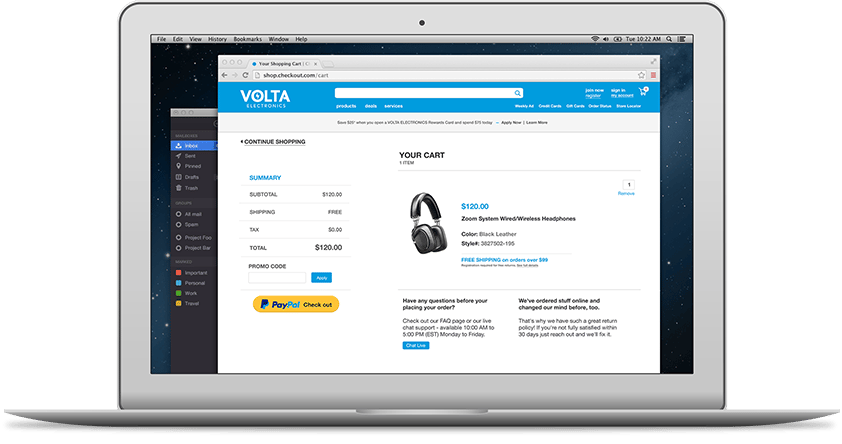

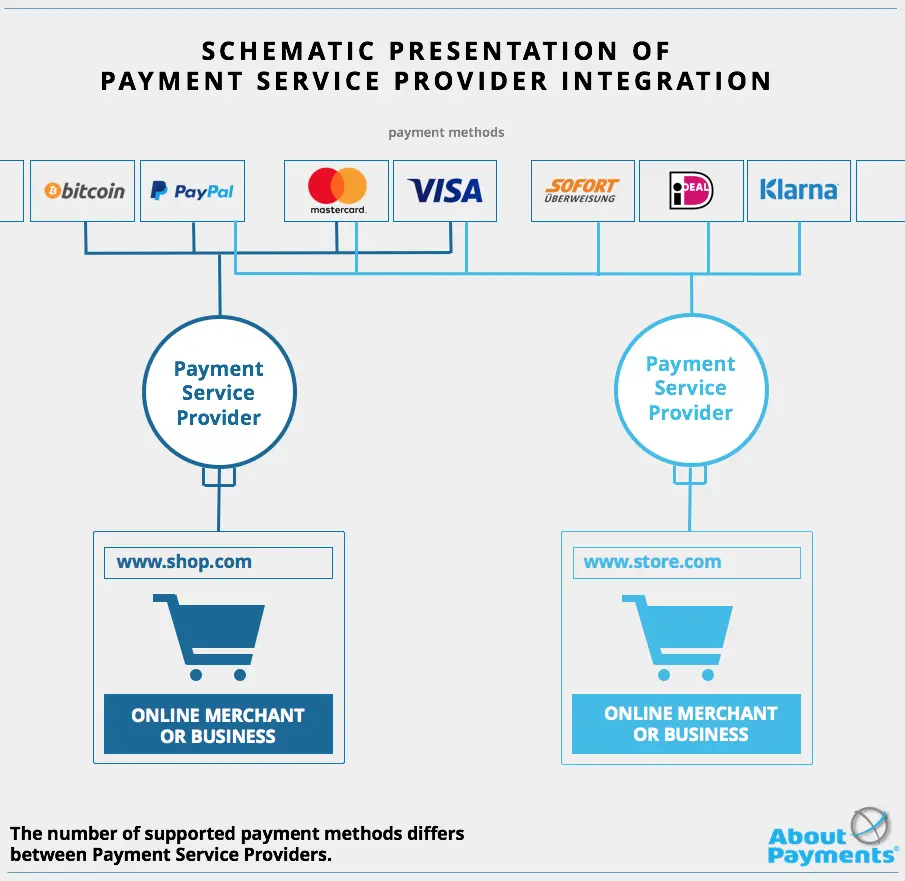



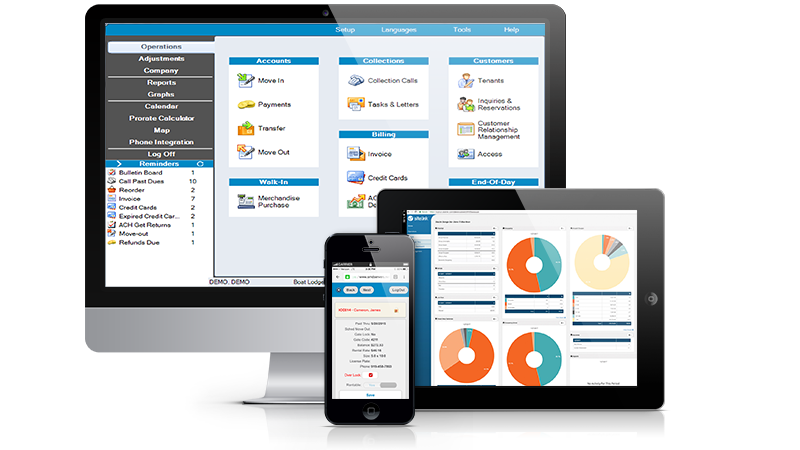
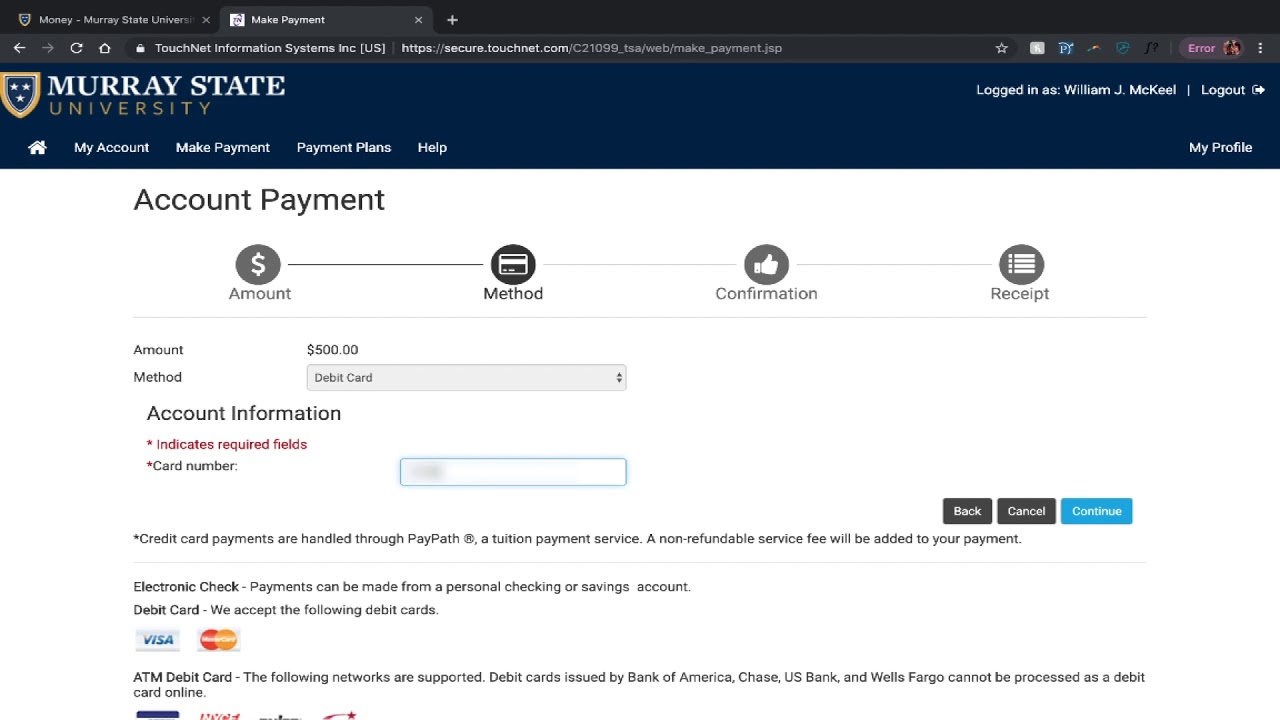
:max_bytes(150000):strip_icc()/GettyImages-493585563-56b8b0925f9b5829f83e8a3b.jpg)


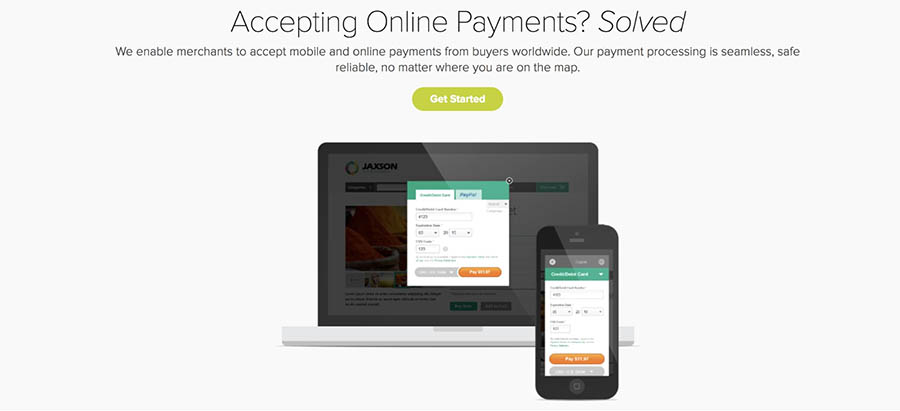




 Jimmy's Internet Marketing Business Blog