So what you want to do? First of all, I North analyzes, you want to go to Google Analytics and you want to go to the left of the content tab into the landing pages.
If you see right here, content tab landing pages, okay and if you click on either, if you have gold set up or e-commerce in this case, will show you ecommerce want to click on it, and here you’ll have all of your top landing pages are currently sorted By the visits but but a what you can do is you can sort by e-commerce conversion rate and filter, and you can basically see it all this data so right now, I’m going to sort my revenue, for example, okay, and you can see that the swiss army Read bands page is the one that converts the best okay, it converts at a three-point, twenty five percent.
So what that actually means is it gives us data to actually figure out. You know what are we doing? Well, what are we not? Maybe we can take a look at something like this page, which also has barely a lot of users or a lot of visits, but its conversion rates very low. So we want to look at that page and diagnose and figure out how we can improve it in order to further our efforts and one more tip or one more idea before we finish this article about why we actually want to use landing pages as one of Our metrics to figure out what’s going on is that now it’s 2013 and Google almost has given us a hundred percent of non provided or not provided a keyword, data for organic for PPC, it’s a different story but or organic.
So now we have to kind of use workarounds to get that data and because we know fairly, which keywords were targeting for each page. That’s why we want to use landing pages so hope you enjoy this article and let me know if you have any questions thanks. You
Com.Au and I amber Mailchimp partner Today, I’m going to cover a very effective email campaign design, that’s simple, to create and converts First just to show that other major organizations use the same layout. Let me show you some examples. First off: let’s look at Disney. This is a recent Disney email campaign that I received I’ll just go through very quickly. What I’m seeing So I’m seeing the logo an image text button.
So typically our email doesn’t contain the full story. We give people a teaser. A few lines of text and we then have a button or a call to action that they go somewhere else, And this is what we would call a newsletter, because it’s more than one story For many organizations, just one article or one story on an email is Sufficient but let’s go back again So we’ve got here and please notice that it’s not full width either.
This email, So logo image text, button, image, text, button, image, text, button, Okay, and this is Disney a very big organization. Let’s look at Toyota, So this is Toyota. Australia sent me this this email There’s quite a bit going on, but but I’ll just show you how it’s very similar to that Disney one that we looked at in layout. So we’ve got logo and I’ll ignore this bit. So logo heading text, button image, They’ve, dropped the image down below and in the separate article I’ll cover.
Why they’ve done this and it’s a great idea? So logo header text button image and then they’ve got more than one story, so they continue with header text button image and it carries on and on and on So they just repeat what they’re doing Now: single-column it’s not even full width, but this is very typical. So the more you look at them, whether they’re, those Uber emails or whatever you receive you’ll notice, this exact layout, where it is logo, heading text, button image, But the image can be up or down, But let’s go into Mailchimp and I’ll.
Show you how to create this very quickly: You’ll notice that I’m in the campaign section or the campaign builder section of Mailchimp, So I’m going to click “, create campaign” to create an email campaign, I’m creating an email campaign, I’m creating a “, regular, campaign” and I’ll. Just name it I could call this anything. I want to and I’ll click “ begin”, I’m not going to use a template. What I’ll actually do is create this using a Mailchimp layout which works really well and then in the future.
I can just copy the campaign and it’ll retain my layout and so on. So I would of course start at the top and work my way down, but for this demo I’m going to click “, design, email” And again, I’m not going to use a saved template. I’r going to use this basic one column template So I’ve clicked on that. I’r in the email campaign builder. I would add my logo at the top. So let me build the blocks Mailchimp’s included in the layout some default blocks, but for now I’ll just show you that I can I’ll just delete the social blocks and there’s actually another horizontal line there, which I’ll just click delete to delete that So those ones we Looked at Disney Toyota logo and then typically, they had an image So logo, image text, Sorry, logo, image, heading text and then we’ll just drag and drop the button across here and there we go Now.
If we had more than one story, we would just copy that that will replicate them and that and honestly that’s the same as the Disney we saw. It really is again logo image text button, but we’ve added a header in there, which is a good idea as well So again in the future. What we can do is we would create our email email campaign, send that and in the future, we’ll just replicate it copy it, and it already has our logo.
It already has the layout and so on Nice and simple, and it’s what the organizations that are getting great results with email marketing are doing. Thank you for joining me.
I’r your host Robert Green Joining me today is Adam Braden, Hey Adam >, >, Hello, Robert > >, Welcome back in the show > >. Thank you. Thank You for having me > >. We did a two-parter on modernizing existing Windows desktop apps, Then the second part which aired last week we talked about XAML Islands, A little bit briefly Today, we decided that You’d come back and do a bit more of a deep dive.
Into XAML Islands to get a little bit more Into some of the use cases and show how it works, We felt like we skimmed over It a little bit last episode, Let’s dive into it, a little more > > Yeah. In the previous episode, I showed some of the easy drag and drop experiences provided by the Windows Community Toolkit, which provides wrapper controls. For the media, player and web view and InkCanvas And things like that, I hinted at using the XAML Host Control to load any or I did show using the XAML Host Control.
To load any control, dynamically >, > Right, > >, What I didn’t really get into Showing was actually building a UWP UserControl to get that full dynamic, UWP XAML Experience and how to load that into your Win forms: And WPF applications > >. The idea is that, as You’re, building a UWP app this bunch of XAML that you Have that takes care of the UI? Yes, it’s pretty simple to use. A control from UWP in WPF app! What, if you have a bunch of XAML That you basically want to reuse > > As well as maybe you want To do some more in-depth, the XAML fluent design Like the transparency, the animations, that sort of thing, So what I wanted to do, Today was actually show you both how to do the hard way through the XAML Host Control and all your WPF code and you’d have To code, all that up yourself as well as doing it in easier way, By building a UWP control, > >, Okay cool, We should Mention that you’re, using the soon-to-be-here Visual Studio, 2019 for this demo, which at this point is soon > >, Yes, > >, It will launch on April, 2nd, I believe it is > >, Yes, > >, So just to level-set > > Cool.
So what I have here on my desktop right now is The XAML Controls Gallery, I showed a little bit of This in our previous episode and just wanted to highlight Some things that I’ll be showing One of the examples is The animation interop With animation oftentimes It draws the user’s focus to an activity or something You want them to accomplish Whether it’s a transition, From one flow to another on the form or really drive the importance of something by exporting it in View and then drop it back down As the example here in the controls gallery is Just a simple blowup of a button I’ll show you how we Can do that as well? There’s a little bit Of code to create this spring animation effect, Is what it’s called There’s another one further Low or further down on here where we’ve got connected, animations Between multiple controls and you can spring All of them together What I have essentially Done is taken the code from this sample and poured it into a WPF application.
Using the XAML Host > >, Okay, > >, So let’s take a look at that. So the first thing with My application here this is just a simple WPF app. If I go to the designer you’ll see, I’ve got a couple of Wpf buttons and textboxes, as well as this wonderful XAML Host Windows – XAML Host >, >, Okay, > >, What I’ve done here – is- > >, Just to refresh our memory? How do you get that From data reference or do Something a NuGet package, > > Generally you’ll manage Your NuGet packages, If you add a reference to The Microsoft toolkit here, the Microsoft Toolkit WPF > >, Got it > > That’ll give you that XAML Host, where you can load Any content into the form, I also have a reference to Win UI and the SDK contracts, So you can program Against the Windows APIs This example we’re not focusing On those parts as much > > Right, > >, But one of the main things Or the primary thing with using the XAML Host, is you set the Initial type name of the control Any set that to the UWP type That you want to load So I’m going to host a stack panel, Then with encode.
I Can dynamically load a whole bunch of controls? Into that stack panel right, > >, Okay, > >, Once the XAML Host is ready for you to start manipulating Those controls it fires, the child, changed event. So if I go back to My control, or my code you’ll, see here at the top that I’ve declared a number of controls. Uwp-Based controls that I’ll Be manipulating in my code Down here in the child changed event is where I start Initializing those controls First thing: I typically do Is get the sender tells me which for the Host Control and then I’ll get the child Which is the stack panel, Then I’m doing a cool effect.
Here the acrylic brush. Are you familiar with Acrylic in the background, > >, No > >. Well, let me switch back to the controls gallery. Real quick and we’ll show you a quick example of that, So acrylic is That transparency effect a little hard to see. On the board here, But you can see as I move around you can see some transparency Of both the background of my desktop and this orange thing, different things behind it: > >, Okay, > >, I’ve amped up the transparency to be able to show That a little bit better here, So I’m going to apply this background to the Everything in the stack panel, So ideally everything of that Windows XAML Host – should have A transparent or acrylic feel The next thing I’m doing here is I’m building up The additional controls – This is the hard or the leg work.
Of initializing, all of them, I have a couple of text boxes. Then I have a couple of buttons: The buttons I initialized To various sizes and hook up those spring Animations to them, Lastly, I just add them to The stack panel and go So we can take a look at that code, But first, let’s take a look. And run and see what happens: > > The test and the WPF text in The main window is obviously WPF > >, Yeah, >, > And inside that are UWP controls.
> > Correct. You can see it on the big screen here. Too but as I move around the transparency effect, Has applied to the entire XAML Host and even There are buttons there, > >, Nice, Okay, > >, You can see. I get the animation Effect on these buttons as well driving my focus and My interaction to those I also wanted to highlight A couple of things about the UWP intrinsic controls that we’ve made improvements: To compare to the WPF, You may want to actually Pull those into your applications as needed.
One example is the infamous typos Caps lock on, But if I do, I have a misspelling here. In the Word, spell-check WPF doesn’t help me do Anything like that > >, Right, > >. Another example is emojis > >. I just saw that They want emoji 12. I’r thinking to myself did I miss one through 11; It sure that means > >. I think I missed a few In the way there too, but Windows 10 has a great built-in Support for emojis Some of that does fall three with UTF-8 support for the WPF textbox, But one thing: you’ll notice here: WPF, it’s only black and white > > Right, > >, All right Now.
I Created a text box down here in the XAML Island, With a UWP control, > >, Look you get Squiggles with words, So it has a dictionary, > >, Nice > >. If I right click, I get a whole intrinsics, [, inaudible, ], > >. Is it the same dictionary That Word uses by the way. Is it a single Dictionary, do you know > >, There’s a dictionary That’s supported by XAML I’ll have to double-check and Follow up where it hooks into > > Yeah, Okay, > >, But you can fix that up If it knows some words, it’ll actually auto-correct for them.
So I misspelled goodbye and it auto corrected to goodbye >, > Cool > >, The last kind of cool little Tidbit I’ll show you is emojis and you have color support. Inside the emojis > > Very nice, and you eventually Get support for Emoji 12 > >. Whenever that comes out, > >, I don’t know, What number WPF support, but I’m pretty sure it’s not 12 > >. So this was an example. Of just showing you that yeah, I can create More complex controls build them up in my WPF code.
And essentially take all that code, that’s in the XAML’s Control gallery or Out there on the web free VPN, I can code against it in my WPF app > > Cool, > >. Let me go ahead and close This We’ve finished that Taking a look at The initialize animations is the same exact code that was In the XAML controls gallery, > >, Okay, > >, But this is really not the way. We encourage you to do this, > >. So let me ask a question: Are you using a XAML Island Because I haven’t seen Any XAML, yet necessarily I have seen you do code > > Well in WPF in the Designer you can’t mix UWP, XAML and WPF XAML.
You can’t copy and paste It. Just won’t parse right, >, >, Okay, > >! You could, if you had UWP XAML in a file or some other or Even copy pasted into code, you could use UWP XAML parser and then you could load That content into this control, > > But XAML Island – is the Technology that enables you to use the controls from Uwp inside a WPF, app > >, Correct, >, >; Okay, because they Are both XAML-based, even though you can of course create controls and code > > Right, > >, So I just wanted to make Sure that part was clear: XAML Island is the underlying Technology that lets you do that > >, It’s the host.
It’s The inter-app layer between an H, Wind and the UWP Core Window hosting technology, > > Got it: Okay, > > Yeah; those UWP controls, Are created in code, I could not assign those to The WPF window elements That would fail. I’ve got to assign Them to the XAML host control, > > Right, Okay, > >, But as you noticed, I had to write a whole bunch of Code to initialize, just my UI and that’s not a very WPF Or XAMLy thing to do So, what I want to show you next Is the approach we’re working the approach that we want you developers to be able To use going forward and how to mix more complex, XAML, UI With their existing applications, > > Right, > >.
So in my second example here, I’ve got the user control that I’ve built inside of UWP right, >, >, Yeah, > >. I can view the XAML there as well. So here I can do All the rich XAML copy and paste and build A UserControl just like that > > Right, > >. I can build an object models So that people can code against This UserControl, of course, > > Yeah > >. What I do in My WPF App is now I can go through and in My XAML host control – I can set the initial type name: To that user control, So it’s pretty straightforward! Once you build that There are a couple of Things you need to do in order to hook it up.
Into the project system, Let me show you the project. System right now, Ideally, I’ve got this ItemGroup Commented out right now, Ideally, we want a project. Reference to just work There’s a couple of bugs We’re still working through with.NET Core 3 in The project system, So you have to directly reference The output of the DLL today Then, to get XAML to work. You also have to Out-Reference the XPF file, But that’s some temporary hacks.
By the time we get to Release.NET Core 3 we’ll have worked Through these solutions, > >, Okay, cool > > – So that’s some tweaks To do the project You’ll notice, I’m actually using A NET Core 3 project here, > > Yeah. Okay – Does it have to be > >? The answer is, it depends > >, Okay, > >. So if you remember last time, I mentioned that with XAML Islands, there are some challenges: mixing different types of NET Core or.
NET. You can’t bix.NET Framework to Consume a.NET Core component and so a Managed.NET Core component. So if I was writing, A native control, a C++, UWP control, then, yes, I could use it easily in my.NET Framework, apps or my.NET Core apps. If I’m writing a Managed, UWP control, those will only work. In.Net Core apps > >, So you have an existing WPF app Written full-blown Framework- > > In C-sharp, >, > C-sharp.
You have A UWP app written to the version of.NET That is part of UWP You’re, saying that you can’t create that user control and use it in the WPF app unless the WPF app Is migrated to.NET Core 3 > >? Let me clarify > >, Okay, > >, The UWP control, if it is written in C-sharp, can only work on.NET Core 3 applications: > >, Okay, > >. If the UWP control is Written in C++ Native it can work in.NET Framework And.
NET Core apps > >; Okay, That’s important to know > >! So if you are building a lot of components that you want to Reuse in these scenarios, you’ll probably want to use C++. If your customers are.NET Framework, > >, Assuming you know, C++ >, >, Yeah, All of Windows, Ui is written in C++, >, >, Sure, > >, So there’s some gaps to Close in the end-to-end story, but we want windows, UI To be usable through XAML, Island and.
NET Framework, Apps and.NET Core apps > >, Okay, > >, But a lot of effort’s being put into.NET Core and Carrying things forward and so for right now we were worked, focusing UWP to interlock With.NET Core > >, Okay, Good to know > >. So that’s what I have here: As a.NET Core 3 application, along with the managed 1Rt user control. The other thing I have to mention Here is the manifest file Right now, I’m An unpackaged application and XAML Islands has A check in it that says I can only work on Certain builds of Windows and the way you tell that in an unpackaged application is set, the max version tested In that manifest, If I took this out, I Would get an error? I could comment that out and we could save and we’ll see what kind Of error we get at runtime After letter, we build Here for a second But XAML Islands, usually pops Up a dialogue that says: “ Yeah”, The new version: 18226 Or higher all right, > > Got it > >.
So let’s stop and go Back to our manifest uncomment out that code save and rerun it, Maybe I need to rebuild all > >. Where did you specify > >? I think there’s something cached > >, Okay, > >, But the version I specified is 295 > >. Okay, Then, of course, if somebody tries to run this app On a version less than that they’ll get an error: > > Yeah, the app manifesto will fail to load or Force it to not to load > >, You probably put a check In your code to check before you get that far like on the startup of the app or something > > Well, this isn’t the app manifest, So the OS will actually typically Fail at to load all right, > >, All right, > >! So it’s a similar application.
You can see that I added the acrylic Effect with the XAML Islands going dark and light depending On the background there as well In this example, I just had A pop-up menu or fly out here and I’ve got this similar The textbox here > >, Apparently we need to put Spell-Checking on button texts, > >, Very good, Good catch, >, >, Cool >, > Yeah. So what I’ve Shown you there is the hard way of adding A whole bunch of contacts to your existing Wpf applications or a simpler way by building a UWP control and adding That to your phone >, > Yeah, that seems a Good place to start You’ve built some UI in Uwp app that you want to be able to reuse in your WPF app, It could be login screen.
It could be a particular Functionality, because you have Multiple versions of the app You just want to be able to Have that UI in the WPF app You just create a user control. Out of it and use it, Then you need to be A little bit careful about using some of these Animation effects because it’s going to be in parts Of the app but not others, You don’t want to have A form where the buttons on the top don’t do anything but The buttons on the bottom do The bottom half of the form Has the visual effect, but the top half doesn’t So.
This is some design carefulness you need to do not make It awkward [, inaudible, ], > >, Because obviously some Reusable components as you architect, your app and you can Pick and choose which ones to replace and get some more depth. To your application, more interaction, more focus, To the close of the app, Maybe for simpler forms, replace the whole UI With the music control > > Yeah, you ultimately Decide that you just want the whole UI to be rewritten as a UWP and then just reuse, the code.
Let me get to the point where That’s asked W or demanded W. > > Yeah > > Yeah Cool > >. I did have One more surprise for you: > > Sweet. I love surprises > > Last time. Actually in The first toolbox session we imported an app to.NET Core And then I was showing you, the packaging project work On.NET Core, But when I hit F5 It failed to build and I wasn’t able to truly show it actually.NET Core app Running as a package > >, Okay, > >, I’ve built that here in This solution fixed the problem, It was actually a UX issue and I misinterpreted the error message.
And so we just skipped past it, but I’ve got it up and running now: > >, All right. Let’s see > > What we’ve done! Here in the code is- > > Should, I add a note to That first episode that lets people know towards this episode, or is that like breaking into jail and highlighting the fact That we messed up, I want to think about that > >. That could be We’ll see if they notice and then we can point them.
That, like it, does work here, > > Viewers have noticed mistakes before ourselves. We Give them credit > >, But what I’ve done? Here is, just simply add a packaging projects. To this solution, and if you remember, there’s the application note, it points to my WPF Core 3 application. So if I set this as my startup, it’s going to have to Rebuild that application and then it’s going to Package that application and then it’s going to deploy That application to the windows and that’s going to launch it In debug that application, So this pipeline takes a second but cross your fingers, if I have Set up everything correctly, we will get an application launched, > > There.
It is > > Magic, So you can see from the icon down below That it’s packaged this kit time because I don’t have the right: visual assets, hooked up, >, >, Cool, > >. We have a.NET Core 3, application with XAML Islands running in a package > >, Nice > >, So I could submit This to the store or pass around the MSIX package for side-loading in My enterprise or whatnot > >, Fantastic, All right, cool, >, >, Okay, >, > Cool stuff.
All right, I hope you enjoyed this part. Three of our two-parter Modernizing your Existing Desktop Apps Any questions. You know, Where to reach us – and we will see you next time – On Visual Studio Toolbox, [, MUSIC, ]
I am your host Ryan Salter, I’m an energy attorney, clean energy advocate and community outreach specialist, i’m also the principal attorney of imagined power. Llc got some exciting stuff. Today, we always say here on the show that it’s important to engage all stakeholders in the energy conversation, including those who may not be traditionally engaged in energy policy.
I think this prominently includes our communicators reporters and storytellers as it they you keep the public informed, engaged and educated about arts, culture, news and current events. So it’s not often these days that you come across a print magazine that just blows you away with its beauty, style and content, but that is what happens to me when I came across this month. Edition of summit magazine summit is Hawaii’s global magazine with in-depth coverage.
Art design style, business, civics and literature in the Hawaiian who’s beer summit connects Islanders and global travelers to the very best perspective, purveyors and products of the archipelago. I has between here today, akaike Hussey, the publisher and editor of summit magazine with us here in the studio today, so it kind of resides in co-ed and as a longtime leader in the community in a wide variety of areas he’s on the board of the domestic Violence, Action Center and the Hawaii Alliance for progressive action, just innings, you akaike, is a teacher author and thought leader with in his word.
The common goal of strengthening our Island home akaike earned a master’s degree in political science from the University of Hawaii at Manoa and is currently studying economics via the university of london and the London School of Economics. So, with all of that said, welcome ipega. Thank you. Riah so summit magazine, I think, is just it’s just gorgeous. I just you know I hadn’t come across it before and I was just so blown away by the 50 intriguing content, the the beautiful pictures, fashion style and yet still this really deeply intellectually engaging approach.
Global approach, so I’m just so excited to have you here to talk a bit about the magazine. Thank you, but first before we do, maybe you could tell me a little bit about yourself and your background and how you came to become a magazine, publisher sure. Well, I came to media from pro very unconventional path. I I came to it as as a person who had to offer up and talk to the media about things that are happening in the grassroots community, and so I come out of sort of an organizer community activism background fantastic.
What kind of wood that McGee renew a lot of our engaging with the news with what type of stuff for you? After a lot of things in the native blind community self-determination, sovereignty, demilitarization, land rights convention right things? And it was often by my job within our various hui tou to be the person who would go and talk to the press. I would read the press releases. I prayed the flyers and do that kind of thing, and what I realized was our press.
Our our media have an incredibly important responsibility and a lot of power and and it could be used, it could be used for incredibly wonderful things. My concern is, you know when I first started comin in the Hawaii independent was: was that oftentimes Native Hawaiians retreated sort of the problem? You know the wireless guys by those Hawaiian protesting, and the fact that we were protesting was was the problem, as opposed to the issue that we were protesting about being the problem.
So I wanted to flip the lens a little bit and to speak from speak about the world from a Hawaiian perspective instead of having media that just covers Hawaiian. So I want to tell a big different kind of story and then what was available in the in the media of the time wow that is so interesting sort of whatever you say. So the problem was speaking out. You know if only they would be quiet and not talk about these things, and so you were like let’s go ahead and and talk about these things.
Authentically is what I’m hearing right: ships, who’s speaking and shift a speaking and so a couple years ago. I was thinking about a lot about how do we how to create something? That’s really powerful and wonderful. Coming on Hawaii, I wanted to speak to a more global audience from a whole trigger a distinctly hawaii and hawaiian point of view, and it’s always been rattling around. In my my mind, this is quote from queen kapiolani, who was the spouse of David Clarke.
All of the last king of Hawaii – and it was during a time when Hawaii was very much a global place. It was much more cosmopolitan and had a very kind of modernist perspective and orientation, much more so than it than it did in the 20th century and her model. Kapila news model was coolio canoe, which means drive for the summit and try to achieve the very best that we can as an island community. And I think that the neat idea, and so what my goal with this particular publication, is to to try to elevate expectations.
For what Hawaii can be in this 21st century, to showcase the amazing people who are doing great things and media, like my pink tech or in fashion or in culinary arts, and a show that we really have a lot to offer the world? And so that’s about. Sixty seventy percent of the magazine and the other thirty forty percent is kind of straight up: international politics and business. So we cover big ideas that are driving the world right now, like the idea of universal basic basic income, which there comes from about later so, which is which is so interesting yeah.
I hope you know I well. I think it’s interesting, I think folks, reading low as well. So how does I’m curious? So how did you go from? You know the you know, writing the press releases. The sort of you know having this. You know international. You know magazine. Well, you know. Thankfully, we live in a time when a lot of the effort that it you should take to create on publication has been. It was blocked, easier, wordpress and Amazon Web Services and all of the a kind of readily available technology that the Internet has offered to us.
I started doing websites when I was like 17 or 18 years old in high school, and it was very much for him tinkering around and creating a pretty really simple website, so I launched an online news website called the whole independent in 09. Okay, I can remember just because my daughter was born right as I launched it, and I have this crazy habit of starting differences when carried I so you know it was relatively easy to get that off the ground just because with technology you know you must have Good enough to print and hire a truck to deliver yeah physical newspapers that make sense that yet at the same time, I think it must have also been you know your works at the knowledge and roots in the community.
You must have known a lot of artists because you can have all the trucks to drive and fancy print things in the world and not have sort of photographs of of the beauty that you have, and you know the richness of content so well. Some of the degrees, an art and a science summit really is a team effort. I play a. I would be a pretty minimal role in the actual creation of this. This thing that you have in your hands on the table.
We have an excellent art director and excellent in a managing editor, who really make them anything happen and copy editors and writers. Who, who put you, know wonderful thought into their words. I just help with, like. I literally drive amazing around people and try to set up the revenue so that it can keep going well, I’m always in a very important function, the audience for something who’s the audience.
So we have our core demo it’s sort of 35 to 45 year old. So, like you know me it dollars users when you create something for someone that you you know well, I happen to be right in the middle of that that demo ravi speaking mr. Department of mass affluent. So not quite though one percent – but you know, people who are professionals their business owners, they’re, deeply engaged in the life and our civic life.
They they made themselves have significant assets. We and we certainly have a lot of readers with with poor, very affluent, like I want to be in this integr attic me too, and so that that’s probably the age and income distribution and then geographically, we’re writing for an audience. That’s here, but also an international audience, so we have readers in Japan, their readers. We have read adult route: north america – I have a subscriber in slovenia that I need to send a get into, and you know so that’s where it it’s ironic now that i’m printing of physical magazine to get them with the deal the logistics of moving this.
You know 200 pages mmm paper around the globe while trying to trying, as best we can to mitigate the carbon impact, which we should talk about. Of course. But and that’s you know, that’s sort of a always an issue in hawaii shipping and you know absolutely and wanting to you know whole pages and local things and try to somehow still meeting to I’d like to say in carbon impact. Nava standing. But you know come things coming from this direction to the mainland, I mean that we want to increase that.
I think, especially cultural and intellectual part of our our orientation is that that this is our main lab like this is this is the center of our world, and so from this this particular locus. Oh, we can then speak about what’s happening in Asia and North America. South America, from Vermont prospectus you’re in my way, and it’s a very different way of thinking about the world. On the other hand, I can, from a lot of media, that’s produced, for instance in New York City, and I’m always struck by how writers in New York City assume that everyone knows York City.
They talk about the geography New York City edge of is that the daily commute of everyone in a spot. Of course. No, of course it’s not, so I don’t feel bad about interesting that our point of view should be from Hawaii but and at the least, it’s a very interesting way of a female world, it’s different, which is what you’re creating a product. Nowadays, it’s all about being different but creates, have been differentiated from everything else is out there.
Well, I I would agree that sounds like good advice in chronic Creator, so why don’t we go ahead and talk a little bit about how the magazines structured and when why? So you know I know they’re. There may be some variation, but I know this: we have lifestyle, arts, industry, common teaching for tomorrow, so you know how you sort of put this together. I’r sure you know that illuminates those perspectives.
So why did you decide to sort of place the magazine up in this way? Well, so the the first section is called annoy doing and honor a new england’s rainbow in Hawaiian, and so our magazine does not have a Hawaiian name right its summit. So I thought we have one section in the magazine has a Hawaiian in that would be okay and I figure on balance. People around the world probably have seen the word on Lulu at some point.
If it comes to Hawaii, they probably seen other people or sports fans know that that’s supposed to be our our sports team at university. So that’s our life attention and we think of it as the place where you go for information about where to eat. Where to what to make with your alcohol collection at home? Oh you know we’re about take break okay and then, when we come back, we’ll talk more about the structure of the magazine start digging into some of the content, so we’ll be right back with each Idaho’s.
Be talking about some at 90 day and in just a bit Aloha. This is kayley giacchino with the weekly a hanukkah co. Let’s work together program on the state, a kawaii broadcast network mondays at two o’clock p.M. Movers and shakers and great ideas join us. We’ll see you then Aloha Aloha, I’m Callie, Lucas coast of Hawaii – is my mainland here on think too kawaii every friday at 3pm. We address issues and importance for those of us who live here on the most isolated landmass on the planet.
Please come join me fridays. At 3pm Mahalo Aloha, my name is John ye and I actually had a small part to do with what’s happening today, served actually in public office. But if you don’t already know that is the chance to learn more about what’s happening in our state. By joining me. For talk story with John, why he every other Monday, thank you, and I look forward to your seeing us in the future hi and welcome back to power of Hawaii, where Hawaii comes together to talk about a clean, renewable and just energy future.
We’re here with I. I caca who see of some publisher of summit magazine, and we were just talking about the different sections with a magazine and actually they can reach the magazine at wwe.Com correct. So let’s go ahead and continue our discussion about magazines, okay, so real briefly, the protection of Unknowing you language is the lifestyle. The second section is originals, which is art, artists, primarily musicians, and it’s bouquet features on folks will create culture.
Industry is the third section. I hope I’m get in order right. That’s like business features. Commons is the fourth section, and that is essentially international politics, politics and social issues and in letters it’s the final section and that’s. I think it is a sort of our new yorker moment where we get to do poetry and prose, and then we also have a summit shop where we work with producers here makers who are creating wonderful products and we help it sell their product Ellis.
Well, that’s that’s fantastic! I just again, I think it’s really important to talk to folks who are purveyors of perspectives and cultures, because if energy policy folks don’t sort of engage with the you know the thought, leaders and let us, but you guys know that what you do is important to Us then you know: how can we expect you to come to us and talk about how what you do is you know about? We do can be important to you, of course you know and why everyone knows.
You’ve got a hundred percent renewable energy goal and I know there’s a great piece this month that folks might be interested in about on solar, hot water heaters and the need to sort of think of them as being cooler and sexier. Then we may usually think about them, because they are a real solution and something that can be an answer and in a way also for low to moderate income folks to participate in energy.
So thank you for covering measure, and I should mention that it’s a piece that we did on shipping energy, that in partnership with yes with energy failure, which it’s on a great work. Yet in really pushing the you know pushing innovation Ford, which we desperately need. Yes, absolutely um, so I’d also like to talk about a couple of the other articles that I found to be just so fascinating, so one of them is called mana for the people and it sort of it’s a historical book back at the Polynesian Panther movement.
Could you talk a little bit about that? First of all, sort of how did you come across this topic and why did you decide the you know to go ahead and bring that forth and some it sure? So it’s a story that was processed by one of our contributing writers based on Australia, and you know I’m as a student myself of a social lumen. Lava has been fascinated with how social moods are adapted and kind of spread all throughout the world.
So one of those obviously people Black Panther movement and so what we. What we found in healing is is a very local, New Zealand, Mallory and tan Polynesian. An effort to take some of the energy and language and sort of intellectualism of the Black Panther movement and turn it into a Polynesian movement in in on table of New Zealand, and I should mention too that there’s you know they’re also similar things happening here in Hawaii, during the same time, period where you know folks were following what was going on all around the world and and building social movements that that copied either the effects of things like the Black Panther movement and also a lot of the substance.
A lot of the honor, the thinking behind you know what what was going on in, like Oakland, for instance. Why do you think that that particular is black, American and Caribbean cultural message resonated amongst folks in the it’s a good question? I think you can make an argument and I’ll just say I’ll, make the argument that the black culture in North America and the Caribbean has has really been a the most creative Wellspring of culture.
For for, like our modern age. And if you look at all of the cool stuff, that’s come out of come out of the United States, rated if jazz the blue, it’s hip-hop, it’s rap. You know all the things that have come out of out of black culture and that’s me I find it very inspiring because it’s really about a group of people who you know history should have could have written him off. You know and that group of people taking things that were forced on them and then turning it into the the tools of their own liberation.
It’s really a beautiful I’m sort of getting emotional. It’s a very beautiful. You know his historical trend. That happened. That’s very beautiful thing and is the siege of that sort of wealth, framing it it’s as culture and also the social movements and the social activism and the stories of oppression. I guess helped create this diaspora of of resistance right. I don’t know what to call it, but there’s something that was it music.
Was it the afros something resonated you know and for heiping perhaps still resonates today, something you know if you know when you look at the pictures and I’m sorry I don’t have them to share you know it’s sort of a it seemed like such a natural overlay. You know you hear about this person, you know in New Zealand, picking up, you know, Huey Newton’s work and you know you know, wearing a beret and putting on a jacket, and it just sort of you know that the overlay is almost kind of seamless and what They decided to do in terms of helping young people with homework, and you know having at you working with after school, like was also very similar to seeing kind of scene.
We are trying to get it. What kind of I think part of? What’s going on in that particular in a particular episode they were describing is: is that we all you know everyone in for the english-speaking modern world. We also to live in one culture right and it’s a culture that is broadcast out through Hollywood and and and so everyone sort of share in what’s happening to this math English language, culture and as a result of that, the cultural minorities, even you know, in Hawaii Native Hawaiians are our minority of sorts in all table of New Zealand, even though there are some large percentage of the population under the exact number, but Maori are still treated as a minority in that community in that in that country.
What you have, then, is this situation where you have this kind of monolithic, English, language, culture and within that model of the culture black culture is it’s sort of the other, but it’s a very powerful other. It’s just an incredibly vibrant and and powerful and creative space. Where r alliteration can take place, and so I think when that culture touches places like New Zealand or Hawaii, it becomes a place for all the folks who don’t get to be.
You know the white man at the table we all get to play with in the black culture, because it’s so accepting and we can all find a void. There, take a look at in Hawaii. You have like the the movement – I think of God, like John John Prante, know, who’s leading the 808. The 808 girls furminator way. Excuse me, the Irving, a delayed group and they’re working with kids, who are using sort of the visual language of hip-hop, the visual language of street art of aerosol art to to tell their own story, because that is an available medium.
You know they can’t find a space in the light dominating culture, for the black culture is actually a an accepting place. I still interesting in the and the article talks about how did you know in this Polynesian, Panther movie movement in the seventies it began to become a app and polynesian pan-pacific. You know sort of diaspora sort of a movement to unify the Diaspora and reached out to you know, movements in South Africa, and so yes, I mean and that we are all applicant and one regarder another.
Originally, that’s that and I was going to ask – and you know I know so you this is in the current issue. So what isn’t? How do you think you know this topic is important today? Well, just pop my head, we live in incredibly interesting time. Right yeah. We do I’ll be there. It’s sort of amazing unbelievable that it’s been a month barely a month since the newly Trump aaron has taken place. But it’s a time where so many social limits are in communication, with each other able to find more and love and solidarity with each other code access pipeline 17.
Well back when we got ya, you know look at things like the the women’s for women’s bar yeah yeah on Inauguration Day. What was amazing about that for me was just how incredibly rich and multi multi everything those margins were so much more than like. The official inaugural events and the sort of kind of monoculture that you see in those in the Trump phenomenon you know what’s happening with the people is the people are getting together, and we need to celebrate that all these moon, all these people, that that coalescing is An incredibly powerful historical trend that I don’t think we’ll ever stop.
You know it’s in some ways: it’s an unraveling of of the way in which people have been divided last 500 years. Okay, it’s so interesting, I feel like we could have a whole show about that. In terms of what’s coming together and what some of the some of the challenges and the fissures some for very reason – and you talk about energy wave yeah well, I like that. What I wanted to get to I could talk about that.
We don’t have a lot of time, that’s what I really wanted to get to. Is this interesting article or you interviewed and economist who has an idea? This is the name of the actual name of the owner, described as universal basic, universal, debut accountant. So, basically, this concept that there can be a situation where everyone gets a taste income-based income and what that? What that means, in terms of you know in terms of fighting economic development and particularly for the poor, so tell us a little bit about why about this and why you chose protocol it your local bakery in communist.
Oh, thank you, be. I felt like yeah something you get. You don’t want to talk about yeah, but so the idea that we’re moving to an economy with less enough people where you don’t actually need people to do to the logical appropriation, ization yeah right. So the edges, you create a tax regime that would that would take all of the benefits of this in credit increase in the cumulus economy and then share that benefit with the people, so that people can still get some still get some value from that later.
With drug and gosh I, this is my fault for lingering, but we’re not going to have as much time to dig into that fascinating Barry, as I had hoped I would, but is how can people find summat magazine so summit, is on learn about 400 stores across United cason at most barnes nobles, you can find a copy of summit. You can also find a bit before seasons or or the lotus honolulu to find us at whole foods all throughout the states and department, with your own wan na, have the copy and maybe at a doctor’s office or a lawyer’s office to you know we’re all over The place or you go to summon team comm service, alright, well, fantastic.
Thank you so very much for sharing about this magazine and some of your fascinating perspective. Thank you so much for that baby and that wraps up another issue or another edition of power of Hawaii. I’r why assaulter energy attorney and clean energy advocates community outreach specialist. Thank you so much Mahalo and aloha. You
The problem is like As a business owner like, how do we figure out How much time to put it and Where So, I want to take a step back and talk to you about what’s most important And how do you distribute it So, the most important thing you can do as a business Owner is to get those great ideas out of your mind and onto paper. So a couple Things that we’ve been doing is we just sit down. We open up a recorder on our Laptop or a recording app and I interview the clients on a concept So Let’s say I’m going to interview a client on keyword, research tools, I pull Up in Google Keyword research tools, I’ve got it right in front of me and I start Asking questions of the person who I’m interviewing Now remember: I’m recording This the whole time Between 3 & 5 minutes, we’ll give you about 900 words.
Now this is really important, because now, in less than 10 minutes I’ve been able To get a 900 word document from you, the thought leader, And then I take it to a Transcription service, like rev, R-E-V, dot com And I have it transcribed And within Minutes I get the transcription of the audio, Then we take that content and we Send it off to our social media, people, our bloggers and our podcast or whatever We want to use that to distribute it, Take an ownership of that piece because That’s what your expertise is, Then we’re looking at a digital marketing strategy.
You say: “, Okay, guys, Here’s my one piece.”! So then your social media company slices And dices that into social media posts or Instagram stories, Then that same Piece gets written up in a blog with images, Then that same piece becomes a Topic for your podcast, and you talk about that with an expert in the Industry, So I don’t want you to think about “ How many different things do I Have to do?”, I want you think about being a thought leader on one topic And then You give that to the vendors in your life, your social media, your You’re content, writers, Let them take it and repurpose it like crazy, A good Digital marketing strategy has to start with an excellent piece of content And Then, once you record yourself, you could be driving to work, You could be.
I don’t Know on your own at home, and you just want to dictate or walk around the Apartment or walk around your office Have a sticky note with 3 or 4 Keyword ideas And just talk about them for 5 to 6 minutes You’re going to get A ton of content: have it transcribed then hand it off to the vendors in your Life, This is what you should be focusing on from a digital marketing: strategist. You are the expert, you are the professor, Take the time to pick one concept that You’re, an expert in and record yourself, Then let the experts in your life figure Out how to slice-and-dice it repurpose it so that you can get everyone on every Social media blog – That is a real digital strategy based on search engine Optimization key words that you want to be findable for, But then you take your Vision, your voice is an expert and you create the content that matters.
That’s What turns a digital marketing strategy into something that works and something That falls flat. Do it right? A good digital marketing strategy is just the Tip of the iceberg, My book Marketing Espionage, how to spy on yourself, your Prospects and your competitors to dominate online is the ultimate guide in An easy non-technical format on how to become the most findable business online. It lays out your whole strategy, as well as talks about implementation tactics.
That are easy for you to apply that will make you infinitely more findable Check. Us out on Amazon Love to have you give some comments If you’ve read the book or You’ve got questions about a digital marketing strategy. Please comment below I readed those comments and I will definitely get back to you and give you Some good feedback regarding what you post below, Hey, don’t forget to subscribe. To my blog and hit the bell so that you get notifications every day of my New findability articles – Oh
It benefits an organization if it is rightly done if backlinks are coming from good supposed sites, and also your website is back linked by reputed sites. Then it’s always a subject. Backlinks are the major factors in evaluating the importance of your site by search engines. As an initial read, the keyboard ranking will be very high, but later on, the ranking may fall down if the work is not proper.
So it really matters to be a great backlink. Expert external links are far more beneficial for ranking the website over its internal links. It’s like what others say about. You is more important than what you yourself see, whereas internal links are incredibly useful for lowering your bounce rate and keeping the reader engaged on your web pages. You
Alright. Today we’re going to learn three tools that you need for email marketing. We’ve talked a lot about how emails marketing is crucial to your online business and your affiliate marketing business. You have to have an email list and what are the tools that you need to use to put that system into place and that’s what we’re going to go over today.
The first tool that you need is an autoresponder. Now I have two here that I like to use: one is called active campaign. Active campaign is really nice because it automates your campaign or your sequence, and it thinks for you. If that makes sense it’s. It has really good deliverability rates and very easy to use, and it automates, and this is what I mean by automate. So if you set up your sequence, you will set up each step like I want to send out this email.
There are certain times of the day that I wanted to go out. What happens is you’re going to have some people that will buy what you have offered them and that will swing them over here and take them out of the sequence and maybe put them in a different sequence, because now they’ve become buyers, and then you have over Here, where the system will even redeliver it may be at a different time until that person opens it.
So it’s automated, you don’t have to think you don’t have to go in. You don’t have to separate anything. So I want you to connect active campaign with the word automation, because it’s very very good at doing them now. Another one that I like to use is called action. Etics action, Attucks is actually part of the click funnels software click funnels has a software where you can create funnels home pages sales pages, landing pages, all kinds of things.
Well, within that software program they have an autoresponder called action etics. The reason I like that one is it’s a one-stop shop. Everything you need is right there in the same software. So it’s really up to you what you’re looking for, if you’re looking for both. Maybe you have two different types of lists, and maybe you want some of that automated some of it to be in a one-stop shop or if you prefer one over the other, it’s up to you, but I both links below you can look at both of them.
They both have trial periods and you can check them out and see what’s best for you, you definitely need to have an autoresponder. I do not recommend going with a free one, because they’re not going to give you many options. You’re going to build this, your email marketing system into that free account and then you’re going to find that it’s not doing what you need and then you have to take the time to move it.
So I say start with a good one in the beginning. Learn it use it, and that saves you a lot of time in the end, if you’re serious about your business, if you’re just playing around, maybe go to the free one, alright, and then this is called Glock apps, calm and what it does is you can put Your email in there and Glocks apps Glock apps calm, will test it. It will test it for deliverability if, for instance, it will say yeah if you send it out the way it is ninety seven percent of those will go in an inbox there’s some that will go to a tab, and then you want to see if it’s going To go to spam, so if you’re new, you may find that you may be using words that are spammy and that Glock apps will tell you that, like your, these are things.
This is going to be a spammy email. You might not want to use it and you can go in and tweak it and edit it. It’s also going to do a content analysis for you and tell you things like. If you do have a lot of words in there that you need to change it. Might tell you that hey yes, this looks like it’s your spammer and you don’t want to look like that or maybe you are a spammer and you don’t want to look like one, and it also will test your subject line in there.
So it’s pretty much a tester app and it’s free so definitely check that out. One more thing that I have I’m going to pull that one up live: let’s go ahead and pull it up, this one’s pretty cool, it’s called subject line comm and you can test one subject line of your email per day. Now, if you want to test more a lot of people like to batch their emails, they like to do a few at once, go to an incognito window and test it in there or use it again in there, and it won’t pick up on your computer.
So, let’s test the one that we’re using here, so I haven’t even tested it three tools: you need for email marketers. Now, if this comes up that it’s not a good one, I’m going to change it. Actually, this would be the subject line of an email, but you could still put that in there. This is a article. If I want to share this article with my as a broadcast in my email marketing, I could do that and use the same headline.
Let’s see what it works, I don’t know what ok there we go, we’re going to evaluate and see what happens. It’s a negative 9. So, even though it might be good for YouTube, it may not be the best thing. It says: there’s no capitalization detected. Ok, that can be fixed, it has more than 8. Characters does not contain a sense of urgency. You use the word. You were your that’s good and it contains a number, that’s good, so it contains an on round number like 3, 11 or 24, and that’s 8 points.
So it’s kind of cool. It’s telling me what I did well and what I didn’t do well and let’s go down a little bit more good job. Your subject line is close to meeting all industry standards, so I can go back in. I can tweak that if I’m using it in my email subject line make sure I use my capitalization see I just typed it in real, quick and make sure that I put some kind of a sense of urgency in there to make it better.
So any subject line you can go in there and test them for free. So what did we just go over? We went over one. You need an at an autoresponder to use Glock, apps, calm and three subject line calm. Those are three tools that will definitely help you get started and before you go, make sure that links for the autoresponders are below, and I’ve also put the free sites for Glock, apps and subject line as well right.
There go ahead and take a snapshot, so you can write those down and subscribe to. My blog give me a thumbs up. If this was helpful and I’ll see you on the next article.
What is that? Ok, basically, when you’ve got a website, people go to it and they interact on there. All of that information is trackable. Google analytics allows you to use another free service from google to track how many people are coming to your website. How long they’re gone there, what pages they’re going to what type of browser they’re using where they’re from and so on and so forth? There’s so much information it really could take hours for me to go through it all.
The basic thing I want you use article is that if you’ve got a business and you’ve got a website – and you do not have Google Analytics or some sort of analytics program, you’re, basically running a business without a cash register, both the web sites, even Wars and Analytics because without analytics on there, you really have no idea. What’s going on on your website. Ok, you can anecdotally talk to people and hey.
What do you thinking? I would say? Oh, it looks really pretty, but it doesn’t tell you anything about how much time they’re actually spend on the website, where they’re going to on the website. If they’re accomplishing goals such as filling out, the web form clicking on the phone number if they’re on a mobile phone, what search keywords they typed into Google to get to your website what referring web sites are sending traffic to you? You have no idea about any of this, and Google Analytics is really easy to set up.
Like I said, it’s a free account there’s a little bit of JavaScript code that you need to put into your pages and boom. You start tracking. All this information. You need to get this set up today, if you don’t already have now, if you do have it there’s a lot of things about analytics that can make you think that you’re looking at important information when, in fact, nothing’s really coming out of the scope, the biggest One is that this is visitors.
You might get excited that you’ve got 10,000 people coming to your website each month, but what, if all 10,000 of those people have no interest in anything that your website has to offer, and they leave immediately, is anything well that traffic is worthless to you. So while visitor number is nice and it makes you feel good when it going up – it’s not necessarily important, but you also want to look at our few other factors, one of them being bounce rate.
Now this is a tricky number. What happens is when someone comes to your website and then they hit the back button and they leave your website. That’s counted as a bounce. Well, so, what’s happening here in one way: that’s not good. It means that they come to your website and whatever they were. Looking for wasn’t there, your website did not deliver on something that they need, so they lend. On the other hand, they came to your website.
They saw your phone number, they called you and became a customer. Well, in that case, it’s just fine that they’ve bounced off your website. Maybe they closed the browser right then, and that’s now called a mouse, but you know you can still look at bounce rates and get an idea, especially if you’re doing like a paid Google pay-per-click campaign, your bounce rate is really high. Then that tells you that you need to either tweak what keywords you’re bidding on or you took the content on your website, so a little bit insights there.
But at the end of the day, the most important things that you need to be tracking our conversions on your website, what our conversions, what conversions are? Really anything you want them to be the most obvious one. Is they go to your contact form? They fill out the form and they hit submit. You can set up google analytics to track that as a goal and therefore a conversion, and then you can see hey.
Somebody did a search on Google for this keyword. They came to the site that went to X, amount of pages, and then they filled out that web form, and that gives you insight into going wow. Okay, if that’s converting them, we need to do more content on that. If you’re doing a paid advertising campaign same exact thing, if there’s a referral site, so let’s say it’s basically any site: that’s not a search engine, let’s say Yelp Facebook! You know any any any type of website.
That’s out there, that’s not or Bing or Yahoo. Sending you traffic and that stuff’s converting – and you should reach out to that website and figure out how you can be better positioned on there, so you can get even more business out of it. Maybe you need to find out the five websites that are similar, that site and make sure you’re on them and you’re set up correctly, because something on that site is triggering people to come to your site and then become your customers.
So that’s that’s. Google analytics in a very brief nutshell, as I said there is a limitless amount of things that you can do on analytics, it’s tracking a ton of stuff. I recommend, if you really want to learn this stuff, you know obviously go sign up. Get a google analytics account going, you know, set it up on your website. There’s a ton of books, the big one that I like is from a google or name Avinash.
Is she I’ll even put some information over here? You know what books to get, but he walks you through what are important to look at how to create reports that you can give executives that have actionable data. You really want to be getting on this, like I said if your business owner and you’re not doing Google Analytics you’re flying blind right now, all that money, you’re spending on aunt being online is worthless because you’re not taking any action as far as what’s happening.
It’s a living, breathing organism, traffic changes with the seasons, so you need to be ready for these changes and get content ready and then be able to track what content was actually effective in making you money. So you can spend more time enough it on that. My emails right there comments are down below. Let me know what you think: what did I miss? I’r sure it was a ton, but you know that’s where that’s where we got ta start.
This is Friday. So congratulations until next time, rock on Oh
I ’ m Mason from the OWL. If you are like most people and fall into The second group, then you ’ re in luck. This is the second article in our series on Writing When You ’ d, Rather Not Write In this article, I will offer strategies And words of encouragement that will hopefully get you if not fully pumped up at least On track for starting your writing assignment The first strategy, when you ’ re facing that Awful blank page is to break your writing task into manageable parts.
Do you think that I go into the gym and do All 50 of my 300-pound bench presses in one go. You may be surprised to learn that I actually Do not do that. Instead, I break my workout into smaller tasks. Similarly, thinking that you need to complete Your entire 20-page document right now will make starting seem much more daunting than it really Is I usually set myself small goals for each session and space my work over multiple days? This way I take my writing bit by bit So which manageable chunk.
Should you begin With I suggest, choosing any part of the text that You know you can write right now and starting there, It doesn. ’ t need to be the introduction. Either I recently started a paper by making the Works. Cited page, which might seem weird, but as I was working on it, I was struck with an Important idea about how I wanted to write the rest of my paper. Of course, it probably won’t work well to write a conclusion before you’ve written any other part of a paper, But still starting anywhere.
Is much better than not starting Here is another suggestion. Try a prewriting Technique There are a lot of prewriting techniques. And a good one is called a “ freewrite, ” which you can think of as stretching for writing. Just begin writing about your topic without Being critical of what you write, Don, ’ t worry about grammar and don. ’ t worry, If it sounds stupid or if you will even use any of the free write, Just write whatever comes to your mind, This may help loosen you up clarify your Thoughts and allow you to start your paper in a less intimidating way.
You may even get some useable content out. Of the orewrite, Lastly, remember that even the best writers Make terrible first drafts Thinking that the first version of a composition Will be good enough to use for a final draft is like thinking that without any training, You can run a four-minute mile In reality becoming a great runner or writer. Involves much more failure than that. So if your first draft is terrible, not only Is that okay, but it ’ s great! At that point, you ’ ve, taken the first difficult Step toward making something that could become excellent, So why are you still staring at a blank Word? Document It ’ s, time to get off the couch put on your Pink headband and go win a gold medal.
I mean it ’ s time to start writing! Good luck with your assignment and thanks For reading the article
Varun is a software engineer and a blogger and he’s going to be talking about. How do you actually do web development today in 2013? How do you use components? How do you use modular development to develop much more quickly than you can so? Okay, so my audible, audibility back? Ok, ok, let’s get started so today I am going to be talking about the web components and so what we have in future for developing components on the web, so my name is Varun as I will introduced.
So this is my twitter handle and I actually use google plus. You know me on SAS. Well, ok, so once upon a time waivers of just a platform for creating interactive and navigable contents, so it was just a static contents and people. So people were using HTML to define static text and images, and so we were using the JavaScript to put up some animations or some interactions on that page and CSS was just used to this just show some basic.
So it was a presentation layer thing which we were using. The capabilities on the browser were very much limited and we need to depend on back-end servers for accomplishing most of the user tasks. So there are lots of heavy lifting was still but done by the the backend servers. Things have changed a lot, and so, if you look at today’s web, so we have this powerful combo of html5, css3 and JavaScript browsers are becoming more and more powerful.
So we can do lots of stuff on the suburb publications of today or almost as powerful as the native applications. So we can do lots of stuff on the web platform itself, so we can do. For example, we can do. We can build application which can work offline, so you don’t need internet, it’ll, download all this stuff locally and you can build applications with that nature and sew applique. The your web applications can have access to your camera and it can access the devices and we can even have databases and a complete file system on the web platform.
So we can even do a real-time communication and lots of so web has web. As a platform has I mean we have gone so far in the platform, so with great power actually comes great responsibility, so as a front end engineer as more as web applications are getting complex as we start building more and more, as we start putting more and More features in the web applications, so there is a need that we should follow better or engineering practices.
So we should so back-end engineers have been have been organizing, the complexity have been modular racing stuff, and so they have been enjoying lots of facilities on the backend servers, but as a friend end engineer, so so it is a need. So we also should start building code that is maintainable. So as a front-end engineer, so we should also start writing code, which is maintainable and to achieve that the code should be modular and it should be encapsulated, and so it should be reusable.
So, basically, what it means is, we should start building reusable components which anyone can just plug into your page, and so they can use it. So some examples of this reusable components are so, for example, even this google+ like button + button and facebook like button. So all these things are components. So what do you take? So what you do is you take these components and you put it on your page.
Okay. So, as I said back-end engineers, so they have been achieving some of these things using the object, oriented language. So any language will inherently support will help us get there, but how do we get there on the web platform so before that? So, let’s see what’s actually missing on the web platform today, so let’s say so I’ll. Go back to the same example of the facebook. Like button and the google plus + button, so let’s say after that, if you are so if they are providing some sort of commenting capabilities, ok, so so they’ll show some text box or some way to actually share your the current page.
Ok, and so there is a chance that it could lead to some sort of name collision. So whenever you have both these components, you have two components: one from facebook and one from google plus. So there is a very good chance that these guys can collide, and so a command button within a command text box within Facebook component can interact with actually a google plus component. So there is no way of Dom we can.
We can’t do any sort of Dom encapsulation today, and so that could lead to problems like coalition of Dom contents. So you could, it could lead to some same ID collisions and things like that and it could potentially lead to broken styles. Let’s say if Facebook is trying to apply some sort of style for its its text box that might get applied to Google Plus also, of course, there are ways of overcoming this, so we use some conventions so, like all Facebook will have some prefix or we use Some suffix or some other conventions to overcome these problems, but inherently a web as a platform, doesn’t provide any sort of capabilities to overcome these.
So that’s what we are going to look at today, so I mean, as web applications get complex. So there is a set of frameworks which are becoming popular, so we call it as MVC frameworks or in general we can put it as my star frameworks, so these helpers to some extent so so they’ll help us to organize the complexity in our application. So so we can separate out the contents on the presentation layer to some extent with if you use any of these MVC frameworks, so we will be able to separate out the contents and the presentation layer.
So I mean there are so many yemisi frameworks available. So I’m not going to get into any of the v-star frameworks, but I will just talk about how, in general any any of these frameworks work. For example, every if I mean, if you take any of MVC framework for example, so it will be, it will provide you an option to define views. Views are a template, so that is how you’re you that’s, that sort of like the presentation layer and then so.
You will be associating a model with your view, so you’ll be creating a model, object and you’ll. Associate that with a view and then so will have to provide a way for monitoring the changes. So all these libraries provide some sort of mechanism for data binding. So, whenever the model object changes, so it should reflect immediately on the views and whenever the views changes, it should reflect on the model object.
So that’s the principle with which any of these MVC frameworks work. So, let’s see how these guys are able to achieve that. In today’s web, so this is so first, let’s look at how templates are there today, so there are various mechanisms in which you can create a template, but one of the still commonly used method is creating a Dom which is off screen, so you can create a And you can either hide it or you can put set its display to none.
So this is how we do it, so we generally create a development or something so which has all the all it’s. So it’s like an abstraction it brought it I mean. So it’s composed of all its comp parts and then you’ll hide it initially and whenever you want to show it on the screen, so you will change its visibility, but then it has its own problem. So one of the obvious advantage with this is see. We are working directly on Dom elements, so say it’s a declarative, so you don’t have to use JavaScript to achieve any of these things.
It’s declarative, but then so some of the obvious problems are so as we create this template. So, whatever resources you are trying to load between that page, so those all the resources are pre-loaded. So it’s not so whenever so the moment you create this template. So at that time itself the images and everything will be loaded. So it doesn’t wait for you to actually start consuming that template.
So that is one problem and it doesn’t solve any of the problem with encapsulation, which I talked about like whenever the same name is being used somewhere else, so it doesn’t solve any of those problems. So that’s the first method, so in the second method, what we do is yeah yeah. So on the previous slide, you had hidden as a value there as an attribute yeah. Is it valid? Yes, so it actually works if we simply say hidden in the Dom yeah insurgency.
Essence: yeah. Okay, that’s new! I didn’t know about that. Okay, so it the only difference between that and display. None less. So this will still occupy the space. So it will occupy said I’d, say if your device off with some 100 pixels, so it will still occupy that space. So that’s the difference between hidden and display now, so this effectively does equivalent of visibility, colon hidden, yes on the second way of second method of creating templates today, so so we can either use strings.
So whatever the contents, which we want to put it up in the template, so we can have a string content or the other commonly used technique is putting that content within a script tag when are overloading the behavior of scripts. So you can set some type something other than JavaScript so that the browser’s doesn’t load that so so here the problem is, we are sort of getting into parsing this string parsing, and this could lead to other cross-site scripting attacks, and things like that.
So this this opens up a new set of problems, so we have two methods. Today I mean so we can roughly classify the techniques into these two buckets, but both of both of these techniques have its own a problem. So, let’s look at so this is templates of today and now, let’s see how models are what is there in JavaScript space, so in JavaScript things are little more better, so we can organize the complexity to a better extent because of its module pattern.
So generally, when we create some model or model object or something on JavaScript, so we and we actually tend to create a mod. We use model patterns or a JavaScript object constructor to achieve that. So if you look at any of the implementations of any MVC frameworks like backbone or something else, so what they do is they’ll provide you with one base class for your model, and so you will have to extend that model to create your model class.
So the reason for that is so so whenever you are trying to change any of the property of your model, so they need to know the changes. So there are so inherently there is no way for you to monitor changes in an object. So the that’s. I’r talking about present day today’s web, so things are going to change in the future, but in today’s web, so there is no easy way for you to monitor for any new property changes of an object.
So how these libraries achieve is so they’ll provide you a rapper object, so you will be using the accessors of those rapper object, and so once you use that object, so they’ll set they’ll, get to know that you’re trying to modify this property, and so that’s how It is handled today this is for the model changes now coming for the other side of binding, so for whenever the view changes, how do we map it to the model? So, for that we use, we can use either Dom mutation or some of the event handlers, but so these are not very efficient, so I so I have a later slide, which will talk about the mean: what are the better approaches so, but so in today’s web.
So, even though we are trying to organize the complexity through the amidst our frameworks, so there are some still inherent. There are some problems which still exists today, so let’s see how we can achieve encapsulation today, so this is actually a fundamental concept of object-oriented programming, so it is. This helps us to separate the code which we write from the presentation layer and then so in web.
Also, we have this to some extent, so we can achieve this with the help of iframes. So I frames help us to abstract stuff to some. So it’s it help us to make things very secure, but then so it has its own problem, for example. So it doesn’t fit well so whenever so, it doesn’t resize depending on the contents. Let’s say: if your content is a big, I mean it doesn’t resize to fit the contents. So that’s a problem with that.
So there is a new spec which is coming up, which called seamless iframe, so it’s actually not attribute which you set on the iframe, which will help to solve some of these problems. It’s still very much new, it’s not available in all the browsers, but so that’s something you can read out for so what we have seen so far is so we have seen what is the principle behind any MVC framework. So what are all the different components of it and then so how these things, how we are achieving all these things using today’s web? So there are, of course there are a lots of problems so in this, so whatever stuff which we have discussed so in today’s web.
So there are inherent problems in the web platform. So how are we going to solve all this web platforms? Is the solution to all these problems? So it’s actually a set of it’s not a single API, so it is a set of a PA which is going to provide you some of the some of the functionalities. So let’s look at all those things. Ok, some of the key players of web components are template, so this is a native HTML native way of defined, defining a template, so you can define any inner chunk of cloneable DOM, and so you can use it later.
So the I will talk about in detail about each of these things and then also using web components. It will provide your mechanism to create custom elements. So let’s say if you want to extend so currently there is nothing called so we have divs behave spans paragraphs and stuff stuff like that. But if you want to create a tub tub container natively in HTML, so currently there is no way for it. So we use some sort of JavaScript library or some library to get there, but so using this custom elements, so you will be able to create some tab container element.
I mean any element for that matter, and so later you will be able to declaratively use it, and the next one is shadow Dom so share atom is actually the building block of encapsulation. That will help you to abstract some of the implementation details to the consumer. So we will see all these stuff in detail and some of the supporting things are so we have something called style encapsulation so which will help you to specify a style to a particular scope.
So we’ll we’ll see all these things will start with templates. So, as I said so, this is something which is not available in browsers today, but you can expect it so this this package, so that is a respective ailable for this and browser vendors are working on it. So we can soon expect this in different browsers. So how it works is so we can define, we can use this template element and also we can give an ID for this template and you can define whatever the Dom elements which goes inside that.
So again, we are where we are talking about declarative way of defining the component yeah. A quick question see if you say scripts, don’t run in your template yeah what happens with browsers that don’t understand the template. Oh there’s a very compactly. Currently, there is a render it as in line yeah okay, so basically that means that you now need a way to also preserve browser compatibility in something that is supposed to be inert yeah.
I covering that. I hope you are oh no I actually. I am NOT cutting that, but i’ll see i’ll try to see if I can link it to somewhere so uh. So today, yep to Jason’s point right. I think the way they will maintain backward compatibility will be exactly like they were. They did for the new html5 elements. Is that they’ll put div tags inside we’ll have to handle all the backward tips that will hopefully have styles that will hide and then we’ll have to scrape will have to script it to an extent so that we don’t end up with things being visible right in Old browsers, so the you know you can just put a display, none on template and hide it by default in old browsers.
But what do you do with scripts? How do you tell the browser to not run scripts display? None isn’t the only problem. It will still create all the image resources. It will do. A whole bunch of issues will arise when this happens yeah. So the advantage here is again. We are directly working on Dom, so it’s a declarative way of for doing things and then so the other advantages. So the contents are not parsed and so they’re not rendered so you want so whenever if you have any images or anything within your template, so those things so one get loaded.
So this is how you have to use it, so you can just select that template. Whatever you have defined and then so you should t dot, so the template, dot content content will give you the document fragment. So whatever you have defined within that template, so you will get hold of that contents and you can clone it and attach it anywhere. So wherever you want to use that template, so all you have to do is so you just have to clone that content and you just have to include it up and it to the place where you want to insert okay.
So so this solves all the problem which we discuss, so we are not doing any string parsing, so the scripts are not loaded, of course. So there is this back up backward compatibility issue, but other than that, so it solves all the problems natively on html5 itself. Okay, so next, let’s see what is shadow Dom shadow DOM is currently available in Chrome Canary, so I’m not sure whether it has landed in Google Chrome, but it has already available in Chrome, Canary I’m using Chrome Canary.
So the concept itself is so it’s actually a separate topic in itself, I’m going to cover some of the basics of it, and so how we can define insertion points in that and different aspects of it so looks like this is not something new. So some of the Dom company Dom elements which we already are aware of, so those are doing that to some extent. So, for example. So if you look at any article tag or if you are looking at any of the special in the day, time or time, input elements, so if you see here so it’s all so it’s composed of some complex set of controls.
So it’s not a single control. It’s so you have a slider here, I mean a timeline here and then so you have the control to pass play. So these are all different components, but when you actually inspect this things, you will actually let me go there. So what you are actually seeing here is its you have a drop down and there is a spinner. So there is a whole set of complex, Dom objects. There Dom elements there, but when you actually look at when you inspect for that element, so all you are seeing is just an single input.
So essentially, what browsers are doing this? It’s hiding some of the Dom nodes within certain other Dom nodes. So this has been there for in browsers for some time, but just that it’s not exposed to the end users. So shadow DOM is a specification. It’s a it’s, an APA which will help you to see. We can also define. We can also hide certain Dom nodes within other downloads, okay, so this is how it works.
So let’s say you have the initial Dom component, something like this so Dom tree. Something like this. You have a host and you have some certain children, and so let’s say if you want to attach some, if you want to abstract this host node and if you want to install whatever children it is being rendered. If you want to render this contents. So what you just jump to the example? So so, whatever you sing on the top, so I am defining the development, and so it has a host and within that I have certain other elements, so it has a hitch one.
She chose my name and my place and some other div contents. So that’s the original content, which is there in the Dom tree. So now I define our a shadow host, so this is how I created. Currently, you have to use the event that prefix to get there, so what do you do? Is I get the so there is. I there is a method called create shadow host, so I pick I actually select the host and for that host I am getting the shadow root.
So once I get the shadow root, I can add any elements. So here I am just putting some h2 and I am just putting some other deep contents, so when it’s actually rendered on the browser, so instead of seeing the original contents, you will be seeing the shadow content. So this sir demo. Actually so, let’s say, let’s see what we are seeing on the so this is, she said visible at the back. Ok, I will just controller.
So that’s what i’m trying listen to you, okay! I will just read out: what’s there, so what you are seeing in the inspector is still the original dom dom contents. So it’s still showing the ID eid host and within that I am seeing the h1 element and the h2, which shows the name of the place and things like that. But what it actually rendered is something different. So you have a shadow host, so you have a host and which has some certain children initially.
But so you have, you have created a shadow root and you have added some content to that. So when you attach it it actually it gets replaced. So whatever contents you initially had in your host, so that will be replaced by this new content so to sew up this in developer, chrome, developer tools, so there is a way you can actually see what is being rendered. So to do that. So that is so. There is an option called it shows, shadow Dom so once you enable this option, so, instead of the original content, you will be still able to see the shadow Dom.
Also, along with that, you will be seeing this on the shadow Dom also so for that we need to close and open it. So now, if I inspect, I think I’ll again read out so so now, apart from just seeing the original contents of that host, so you are seeing the the shadow Dom whatever contents we it got replaced. So that’s the that’s how it works. So you have to enable the show shadow Dom when your dev tools, I have a question.
Okay, is there a way to define the shadow Dom decoratively? Oh so we are declaring so so once you get that object, shadow Dom object know rather than doing it. In Java, so can I do it in HTML s 0 so that you can do it in so if you have custom elements, I will be talking about that custom elements. So once you define that so everything you put in within that custom element, it’s actually a shadow Dom only just quickly run through so now coming to the style and capsulation part.
So whatever contents you actually put so so initially we are at the sketch to undo so now. Let’s say if I am adding a style tag within this shadow shadow Dom, so it will so that style will be applicable only to my shadow Dom. So it’s it’s encapsulated within that scope, so I have the setting h2 color red. So if, as you see, it’s only applicable to the the inner contents, it’s not reflecting on the my host.
So to do that we can show. There are properties which, using which we can change, that behavior okay. So this is an important point point. So we have seen how to define how to set a color. So let’s say how to style your dumb shadow, Dom okay. So now, in practice, what we’ll be doing is so instead of V, defining the color or something so we’ll be providing. So when you want to build a theming capability to your shadow, Dom.
So what we’ll be doing this? So that’s where our CSS variables helpin. So we can so instead of putting the actual color itself, so we can use this where hyphen some variable, so whenever the consumer, who ever is consuming this shadow Dom so they can actually use that variable, so, whatever the property they set down that variable, so that Will be reflected that will be used within that shadow Dom, so you can actually use shadow Dom in conjunction with CSS variables, and so the other thing is so showed you.
We had some initial contents and we added some shadow Dom, so it it entirely got replaced. So, instead of that, so there is something called insertion points. So if you don’t want the complete contents to be replaced, if you want only certain parts of your original Dom to be used here, so you can use this content element, so you can show on it. Has a select attribute, so in the select a tribute you can specify any CSS selector.
So here what I am so this is the original my host. So in the host. I have something called first name, last name and all so here. So when I use it so I can use this content and content select first name, so it will use. The chase is selected to select that element from the original host. So this is how it will be used in practice where so we can specify. So this is more like a way of specifying ap ice into your shadow, Dom now, let’s look at observers, so we have also currently what we have is mutation events, so whenever you change a Dom, so whenever you modify a Dom, you add something to your Dom Tree so you will get you will get notified as events, so I have told in the earlier slide that it’s not very efficient, so there is something called.
I mean mutation observers, so this is some sort of similar to events, but then so, instead of getting notified for each and every event, so whenever a bunch of dorms are getting modified, you will get it in a single call back. So there will be a single call back in which you will get all the mutations, so then, so it is very efficient when compared to the mutation events, so we will see that with an example.
Okay, so I built a small example today team india’s taking on australia, so this is the 15-member squad, and so this is simple thing which will actually sort and give you the top 11. So so initially, I am going to use dumb mutation events. So let’s say if I am clicking on rotate, so it’s actually trying to adjust all these 15 players and it it may need, rearrange those players so in that process, so we have got two thousand events fired.
So we have. We are trying to do some person rotations and in that process we have done some Dom manipulations some 2,000 times, and so it has triggered the call back two thousand times so now, let’s see how it will be done in the case of mutation observers. So let’s say the same same use case if I use mutation observers, so I will be getting two thousand on mutations, but i’ll be getting all these changes in a one call back.
So that’s how it is efficient, so also it doesn’t do a whole propagation. He doesn’t the event needs doesn’t need, since it’s not an event, so it doesn’t need to propagate the alway so, but so you will get all the mutations in a single call back. So the another interesting thing which is coming up is so object observer. This is similar to mutation observer, but it’s for objects. So let’s say you have a java javascript object and if you want to monitor for some changes so now it’s possible.
I think it’s already available in Chrome Canary. So this is how you have to use it to. You have to use object that observe and you have to give a observer function, a call back and so the object which are actually observing. So whenever you add any new properties or you change some property, so it will get notified. So again, the important thing to note here is so it’s not triggered for each and every change.
So let’s say if you are doing you’re setting name and if you are setting Peter handle on a particular object, so the browser the JavaScript engine decides when to call so it will club certain operations and it will call the callback in a single go. So so now we have seen how to create templates natively and with the help of shadow, Dom will be able to encapsulate stuff, and so with observers will be able to bind the model and the view.
So now that we have got all these things. So how do we create a custom element? So let’s say if you want to create something called X tabs, so there is something called element touch. This is still not available, so what you can do is so I will come back to your question. See you are asking see if we can declaratively define a shadow Dom right, so whatever contents you put in within that template.
So that’s that’s actually like a shadow Dom so when you consume it using that X tabs when you are consuming it. So at that moment you will not be seeing any of the implementation whatever so, for example, so there you are seeing content select h1 first list. So that is an insertion point and you are declaratively setting it so once you do that, so when you consume it, so you can declaratively say that h1 title, so it will get replaced there, and so, apart from the actual templates and the shadow Dom, you can Also put in some scripts, so we’re in you can specify some API.
So whenever somebody wants to instantiate the component using javascript, so they can still do it, so you so whatever constructor, which we specify here. So that will go on global scope, so you can instantiate it from anywhere so for getting this features you need to enable, so I am so. These are all the things you have to follow to use some of these features. Okay, so this is a doodle. I of build something back, so this is actually your it’s not image or it’s not it’s completely CSS and HTML.
So there is no images used here. So all these animations, our CSS beast, and for just for the most following, so I have used the JavaScript library. So now what I have done is: I have made this into a company, so there are lots of okay again so so today, browsers are not supporting any of these. So many of these standards it supports shadow, DOM and the observers are available, but not all these things which we have discussed are available today, but you can still use it using some of the polyfills.
But there are some. There is one of firefox library called X tags, and so there is so one more polyfill. There is a model view. There is a MVM mdv framework. I think it’s from google, so so using some of these things, you can you can just play with these functionalities. Today itself, so this is something I have built, and so, if you look at the actual Dom so how I use it is so it’s a. I use the element X, hyphen doodle and there is a small open condom star again.
If I want to instantiate one more instance of this component, all I have to do is so: let’s see how we can add it to body. So I got the string. I ordered a string instead of the element, so so it got us one condoms. So so now this so I can anywhere wherever I want to use this component. I can just use this custom element so today. Also, you can enable yourself by using some of the polyfills, so I’m hoping that all browsers vendors will soon be providing these functionalities, and so that will help us to organize our code better.
And so we can natively achieve things which some of the MVC frameworks have been achieving so far, so these are some of the references. That’s it from my side, any questions. What is the performance impact of these components? Oh, as opposed to, I haven’t really done anything. I haven’t actually lived into the performance aspect of it. This is very it. This is very new. Actually so not all browsers are supporting it, so only shadow, DOM and style encapsulation features are available on that took, chrome can realign, and so there is one more.
There is an excellent library from Firefox. It’s called X tax, so you can use that to use some of these standards, but I haven’t really done any performance analysis on that hi here yeah. Is there any limitation of the the code what we are using, because here it seems like we have to encapsulate the JavaScript, HTML and CSS all together, so is that limited to one single file or something you know? So there is nothing like that, so you eat.
So I mean it’s it all mandates. Is you need to follow that structure, but have you include that it can be spread across multiple files or so there is no mandate on? Have you organized your source code? So all it needs is so it specifies certain format. You need to create a element, a custom element tag and within that you can put your shadow DOM, and so that’s all it mandates, but it doesn’t mandate you to keep it in a single file or you can keep it in a different file.
Also, okay, so basically it is the same as like how we are currently doing like. First, when you’re loading a page, you have to load all the supporting files and everything, but your way of creation of the Dom our creation of the object will be the different yeah exactly so. If I want to select say if I I so we have this component, so let’s say: if somebody else want to you consume it, so I will be providing a single file and so the all the other guy needs to do is so he needs to include That as a link link relative components, and so once that is done so he’ll be able to shop yo.
This is this is the this is how the consumer needs to use it. He needs to add a link tag with the HTML, so this is where the original definition of the the custom element was there, and so once you have that, so all you need is just that the definition so after that you can start consuming it. Any other questions, Oh yo, so there is a very good when Google+ page, where lots of talks and information about the specification are posted.
So you can follow that or you can follow eric beetle month. So actually I this presentation itself was inspired by his talk, and so there is a very nice article about shadow Dom on html5 rocks. It’s called shadow, Dom one, not one so so. This article talks about the basics of HM in shadow DOM, and so these things are about mutation, observers and yeah. So do you see people using this instead of templating as we do it right now? I don’t.
I haven’t seen anybody using it in production, or it’s not even close to that, but I mean, as the spec gets more standardized and as more grossest windows browser vendors start using it. So probably this will be the future all right. So you know it seems like a very neat way of essentially taking a single replicating a component. It’s often repeated yeah and inserting it in multiple places without changing the code yeah.
Now, when you do, that, can you make each of them slightly different in their behavior? Is so that’s what we have this API is for. So apart from declaratively, defining your the the actual component, so you can even write some JavaScript so that will that will help you to change the behavior. So let’s say so: that’s a mean hours. Sorry, it’s a it’s the same tub controller component, but now I am adding were constructed to it and I can define certain methods within here.
So so, when you create, when you instantiate the tub controller, you can actually set certain attribute or certain things, and you can change the behavior okay, so you can actually run a scratch custom. Every time you use a component okay and did I just notice a style tag in the section there in the previous slide, the slide you were at just now, so you got a slight a style tag then, which is not in the head: yeah, oh no! This is so this actually uh.
So basically I define I element, so this is the so the whole HTML will contain only this element declaration and within that I will put a put up a style, so this style will be scope only to this element. Right so does restyle encapsulation. So if I want to sorry what exactly does it inherit the parent it doesn’t it doesn’t? So that is what I was saying. So if you want to overwrite that behavior, so there is something called reset style inheritance or let me go back to that slide yeah.
It’s called reset style inheritance. So, by default in any style which you put in within a dom shadow, Dom it doesn’t inherit anything from the parent and also whenever you put some whatever you, whatever styles you put put in here, so that doesn’t go back to the the consumed work. So if you want to overwrite that behavior, so there are two properties, reset style, inheritance and apply author style.
So once you so the first one indicates that so, if you set it to true, it will inherit these tiles from the container page and the second one. What it says is the other direction, so if you set it to true by default, it’s false. So let’s say here I have changed h2, and this is this tile encapsulation title that is also h2. Currently, that’s not getting reflected, even though I have set the content.
So I will show you the okay, so this is how I am doing, because shadow DOM is something already available. So I know this default. Behavior is only scope, it scoped. It is limited to that shadow Dom. So, even though I have said this h2, so it’s getting applied only to this, so this is the shadow Dom which is rendered and it’s getting applied only to this guy and not to something else which I have on the page.
So, for example, this is the title of the page so which again is a h2 element, but it’s not getting reflected. I think I can show you it doesn’t support like waiting. That’s pretty cool thanks, however, in one more question: okay, yeah yeah, so that style tag right. I believe it. It was in line there, but can it be external call as well? Is it can be external as well, then, when so you said that it doesn’t parse.
It right when, on page loop that template your does it also does it get downloaded on page load or does it get downloaded when it’s in it? Okay, i’ll, have to check i’ll check and get back to you on items? Okay, okay! So we’re going to take another break now, for those who still have questions one is going to be around. Others will see you at four fifteen. Ok,


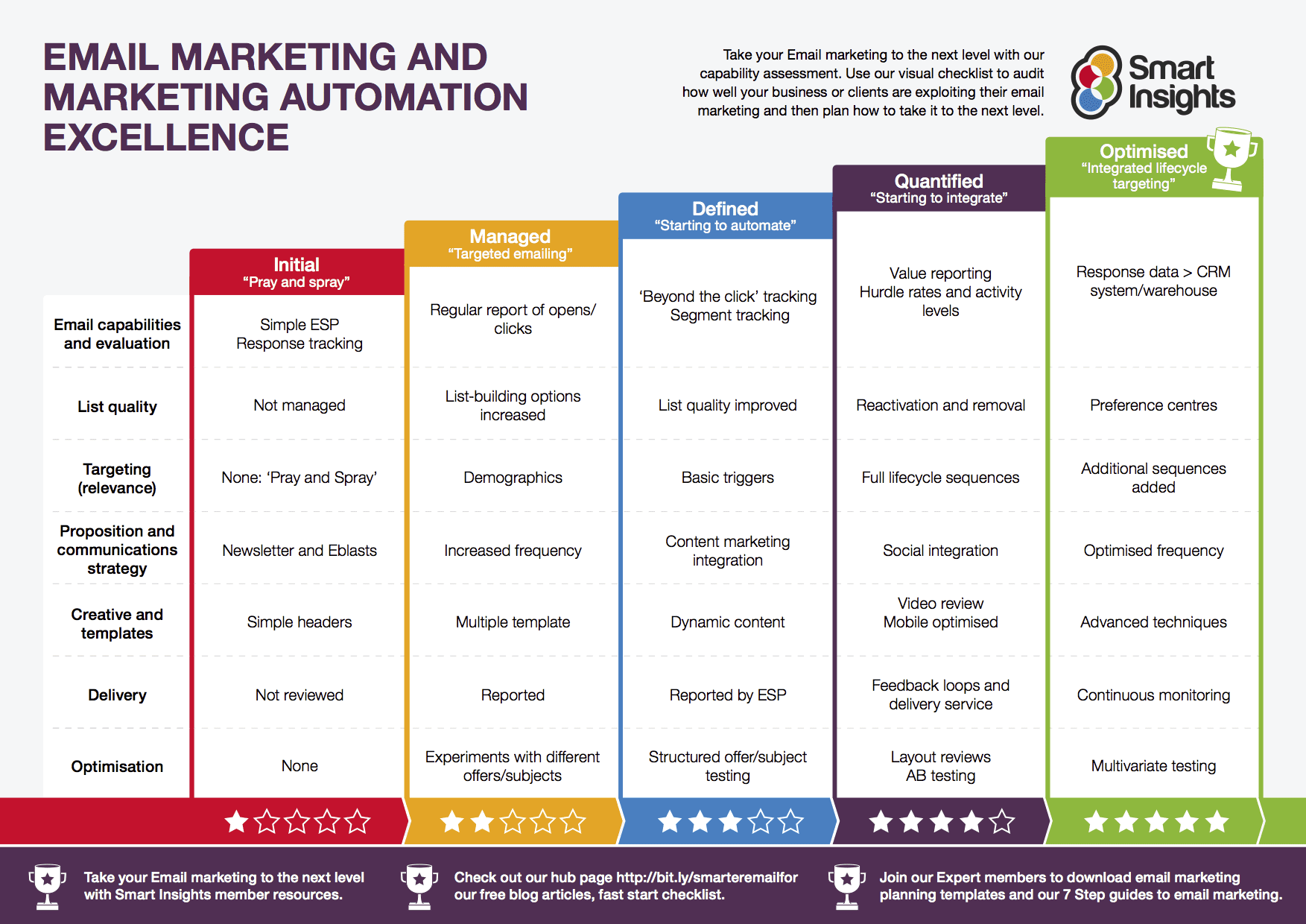
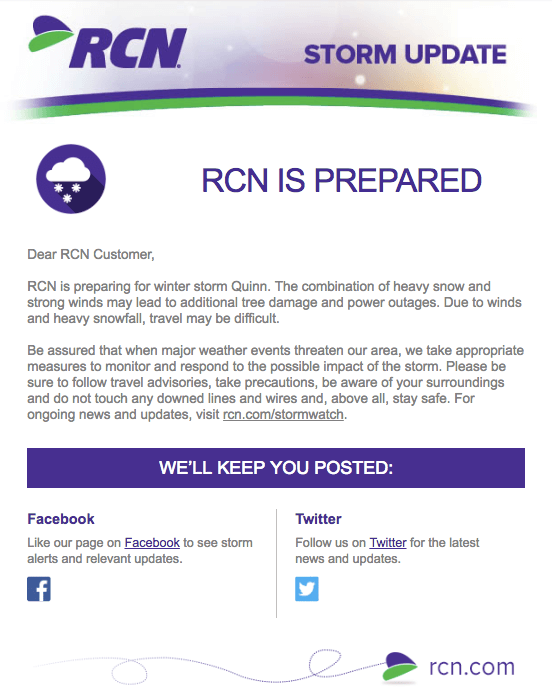








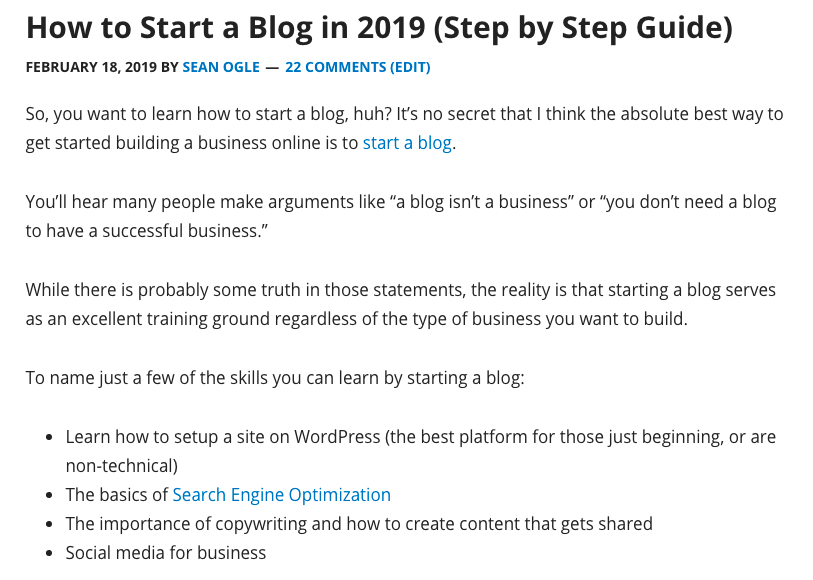
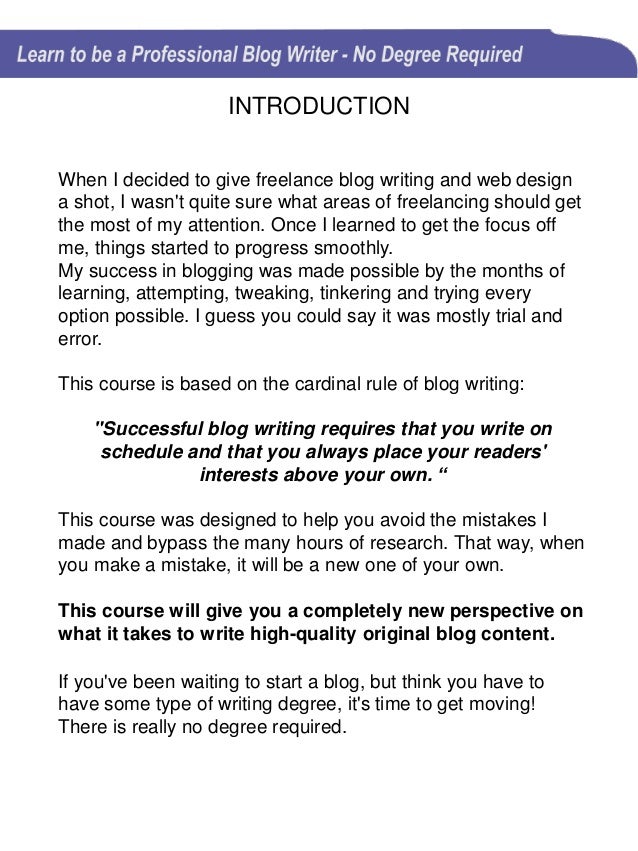
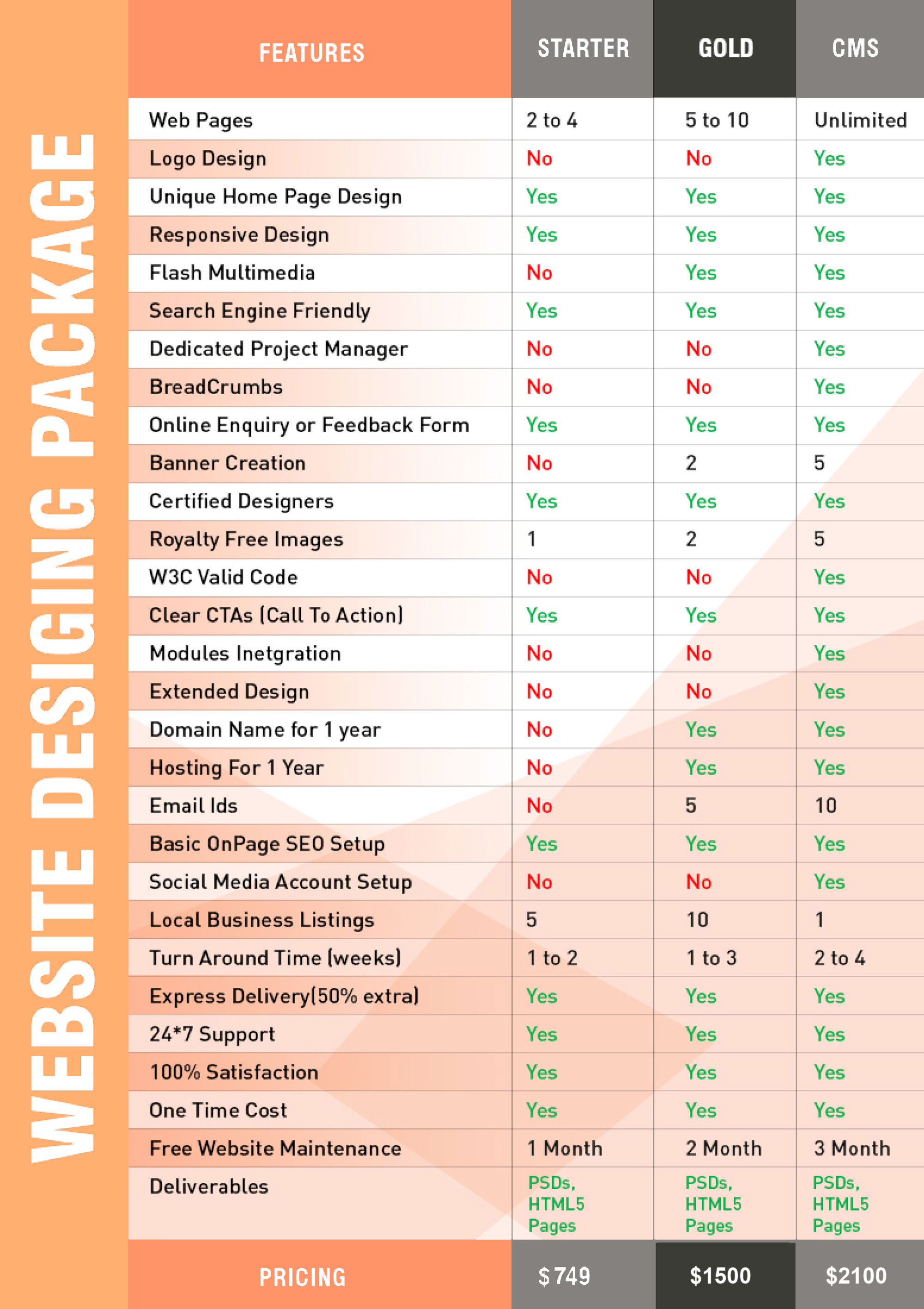

 Jimmy's Internet Marketing Business Blog